> San Antonio Local Insight: Hard water mineral deposits (21 gpg from Edwards Aquifer) affect toilet components, garbage disposals, and fixtures throughout local homes. Scale buildup causes premature wear, reduces performance, and creates problems that soft-water cities rarely see. Regular descaling maintenance is essential for San Antonio plumbing.
Judge the Toilet by Performance, Not Its Birthday
A sound porcelain bowl can serve for decades. The practical question is whether the trapway, glazing, mounting surface, and replaceable tank parts still work reliably. In the Medical Center area, a 1980s toilet may need only a $20–$45 fill valve; a cracked bowl, recurring stoppages, or a damaged flange changes the decision completely.
The Edwards Aquifer supplies water at roughly 357 mg/L, or 21 gpg of hardness. Scale can stiffen the shutoff, slow the fill valve, interfere with the flapper seat, and make an otherwise durable fixture waste water. San Antonio homeowners should separate mineral-related component wear from a failure of the porcelain itself before ordering a replacement.
A straightforward local repair often totals $150–$350, while a standard toilet replacement commonly runs $350–$800 installed. Premium fixtures, flange repairs, rotten subfloor, or difficult access cost more. Check the current SAWS rebate and conservation guidance before buying, because eligibility and approved models can change; do not choose a weak-performing fixture solely for a low advertised flush volume.
Separate the Porcelain Fixture From Its Working Parts
The glazed porcelain tank and bowl have no motor and relatively little to wear out. Unless they crack, become badly etched, or have a poorly performing internal trapway, they can last for many years. That is why older toilets often remain in service after several rounds of internal repairs. Cosmetic discoloration may be unpleasant, but it does not necessarily mean the fixture has failed.
Tank components are consumable parts. Flappers can harden or distort, fill valves can become noisy or slow, tank-to-bowl washers can deteriorate, and handles or chains can break. These repairs do not reset the age of the toilet, but they can restore dependable operation for modest cost. When evaluating an old fixture, identify whether the problem belongs to a replaceable mechanism or to the porcelain, mounting, drain connection, or basic flushing design.
A Quick Reference: Repair, Monitor, or Replace
Use symptoms rather than a birthday to make the decision. The table below is a starting point, not a substitute for inspecting the floor and drain connection.
| What you notice | Likely next step | Why |
|---|---|---|
| Toilet runs between flushes | Replace or adjust flapper/fill valve | Usually a tank-parts issue |
| Handle is loose or chain slips | Adjust or replace handle/chain | Inexpensive, accessible repair |
| One isolated clog | Clear safely and monitor | A single clog may be user- or paper-related |
| Frequent clogs despite normal use | Check vent/drain; consider replacement | Trapway design or downstream blockage may be involved |
| Water at the base | Stop using and diagnose promptly | Wax seal, flange, supply, crack, or condensation could be responsible |
| Toilet rocks | Correct mounting/flange problem | Movement can break the seal and damage flooring |
| Crack in tank or bowl | Shut off water and replace | Porcelain failure can release significant water |
| High water use and weak performance | Compare repair with an efficient modern model | Replacement may improve both reliability and consumption |
Do not assume every puddle means the toilet itself is finished. Dry the fixture and floor, then observe where moisture first appears. A leaking supply connection, sweating tank, failed tank bolt washer, or compromised base seal calls for a different response. If water may have entered the subfloor, prompt diagnosis matters more than the fixture’s age.
Signs the Toilet Is Near the End of Its Useful Life
Cracked porcelain is the clearest end-of-life sign. A visible crack can grow, and a tank or bowl failure may cause sudden water damage. Do not patch a structural crack and continue using the toilet. Shut the supply valve, avoid flushing, remove standing tank water if this can be done safely, and arrange replacement. Fine lines in the glaze can be superficial, but uncertainty around a line that changes, weeps, or crosses a stressed area warrants professional assessment.
Repeated functional problems also add up. Chronic clogging, a weak or incomplete flush after the drain and vent have been ruled out, persistent leaks from difficult-to-source interfaces, or a damaged integral trapway can make replacement more sensible than another repair. A toilet that rocks after proper tightening may have a flange or floor problem; replacing only the toilet without correcting that support issue will not produce a durable result.
Comfort and accessibility count too. An unsuitable bowl shape, an uncomfortable height, insufficient clearance, or difficulty cleaning an old, etched surface may justify a planned upgrade even when the fixture still works. That is a preference-based replacement, not a mechanical emergency, and it can be scheduled rather than rushed.
What to Check Before Shopping for a New Toilet
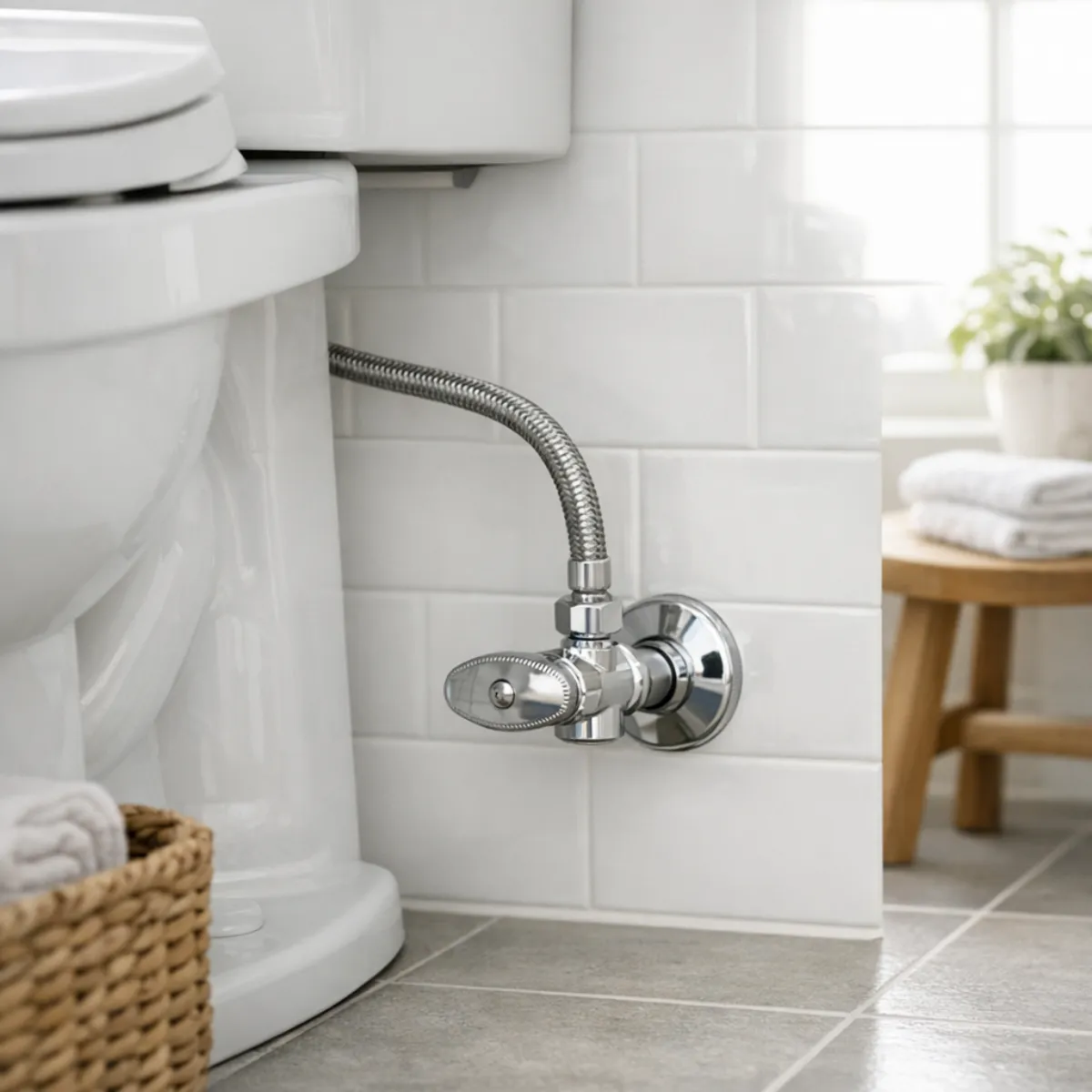
Begin with a controlled inspection. Confirm that the shutoff valve turns without forcing it, look for corrosion or moisture at the supply line, and add a few drops of food coloring to tank water without flushing. If color reaches the bowl after a waiting period, the flapper or flush-valve seal is leaking. Listen for intermittent refilling and inspect the tank water level against the manufacturer’s intended mark.
Next, check stability by applying gentle pressure—do not aggressively rock the bowl. Look for staining, softness, lifted flooring, or odor around the base. Note whether clogs affect only this toilet or other fixtures as well. Multiple slow drains or gurgling fixtures can indicate a branch or main-drain problem, not a defective toilet. Sewage backup, persistent sewer odor, or water near electrical equipment is a stop-work condition for most homeowners.
Finally, identify the model if possible and measure the rough-in: the distance from the finished wall, not the baseboard, to the center of the floor bolts. Also measure side clearance, door swing, seat height, and available depth. These checks prevent the common mistake of buying a fixture that interferes with a door or does not align with the existing drain.
When a Repair Is the Better Value
Repair is generally attractive when the porcelain is sound, the bowl is stable, and the complaint is isolated to accessible tank hardware. A universal flapper, model-compatible seal, fill valve, trip lever, or supply line can often resolve running, slow filling, or unreliable actuation. Use components approved for the fixture where compatibility matters, and follow the product instructions rather than improvising.
A repair also preserves a toilet whose flush performance and fit already suit the room. Replacing a fixture introduces installation risks: a brittle shutoff valve may leak when disturbed, the flange may be damaged, or hidden floor deterioration may appear after removal. None of those possibilities means replacement should be avoided, but they belong in the budget and schedule.
Compare total cost, not just the price of one part. If several components are failing, the seat is worn, the surface is difficult to clean, and the toilet uses substantially more water than a suitable current model, piecemeal repairs may offer poor value. Conversely, do not discard a reliable fixture merely because a low-cost flapper reached the end of its service life.
When Replacement Is the Smarter Choice
Replacement makes sense for cracked porcelain, an irreparably damaged trapway, or a fixture that remains unstable after the mounting and flange are properly corrected. It may also be the practical answer when chronic clogs persist after a plumber has excluded a blocked drain or vent. Older low-flow designs vary in performance; a well-selected modern toilet may provide a more consistent flush with less water.
Renovation can create another clear decision point. If flooring is being replaced and the toilet is already removed, upgrading a marginal fixture may avoid paying for another removal later. Accessibility changes, such as a more suitable seat height or easier transfer space, may be important. Check local requirements and actual room dimensions rather than assuming a product labeled “comfort height” suits every user.
Choose based on serviceability as well as appearance. Look for readily available replacement parts, a footprint that covers or works with the finished floor, an appropriate rough-in, and credible independent performance information where available. One-piece models can be easier to wipe down but heavier to move. Two-piece models are often easier to carry in sections and may offer broader parts availability.
Safe Steps for a Homeowner Replacement
Toilet replacement is achievable for some experienced DIYers, but it involves heavy porcelain, contaminated drain openings, and the possibility of hidden damage. Shut off the water, flush, and remove remaining water with a sponge or suitable wet vacuum used according to its instructions. Wear eye and hand protection. Never lift a bulky toilet alone if its weight or the room layout makes the move unsafe.
After removal, temporarily block the drain opening with an appropriate removable plug or rag that cannot fall into the pipe. Sewer gases should not be allowed into the room. Inspect the flange and surrounding floor. The flange must be securely supported and positioned correctly relative to the finished floor. Rot, softness, severe corrosion, or a broken flange may require repair before the new toilet is installed.
Use the seal specified for the installation, set the bowl straight down, and tighten mounting nuts gradually and evenly. Over-tightening can crack porcelain. Connect a sound supply line without twisting it, open the valve slowly, and check every joint through repeated flushes. Follow the toilet manufacturer’s instructions; do not use generic advice to override model-specific mounting requirements.
Mistakes That Turn a Simple Job Into Water Damage
The first mistake is treating a leak at the base as “just a wax ring” without finding its source. Water can travel down the outside of the tank or supply line and collect at the floor. Condensation can mimic a leak. A failed seal may also be caused by toilet movement, a damaged flange, or uneven flooring. Replacing the seal without fixing the cause often leads to another failure.
Another mistake is using caulk, shims, or extra-thick seals to conceal structural movement. Manufacturer-appropriate shims may be part of a correct installation on an uneven surface, but they do not repair a loose flange or soft subfloor. Likewise, stacking seals without confirming the flange geometry can create an unreliable connection. Address support and alignment first.
Do not pour caustic chemical drain cleaner into a clogged toilet. It can remain in the bowl, splash during plunging or removal, damage some components, and expose anyone who later works on the fixture. Use a flange plunger or toilet auger as appropriate, stop if a hard object is lodged, and disclose any chemicals already used to a plumber.
Water Efficiency, Performance, and Long-Term Cost
An older toilet may use more water per flush than a current efficient model, but replacement savings depend on household use, local utility rates, and the actual consumption of both fixtures. Read the tank stamp or product documentation where available. Avoid unsupported savings claims, and calculate using your own water and sewer pricing if conservation is the main motivation.
Efficiency should not be considered in isolation. A toilet that requires frequent repeat flushes or clogs under ordinary use is frustrating regardless of its rating. Bowl geometry, trapway design, tank setup, drain condition, and installation all affect real-world results. Select a model with the right rough-in and credible performance record rather than choosing solely by styling or the lowest advertised water figure.
Planned replacement also lets you address the shutoff valve and supply line. These components should be evaluated rather than automatically reused. If the valve will not close fully, is heavily corroded, or connects to questionable piping, have it corrected before relying on it in an emergency.
When to Stop DIY and Call a Plumber
Call a licensed plumber when the shutoff valve fails, a supply connection is corroded, the flange is broken or poorly supported, or the floor is soft. Help is also appropriate for repeated clogs, sewer odor, gurgling in nearby fixtures, or suspected blockage beyond the toilet. These symptoms can involve drainage or venting systems that a new fixture will not fix.
Stop using the toilet if porcelain is cracked, water is actively leaking, or the bowl moves enough to threaten the seal. Keep people away from contaminated water and avoid running electrical cords or tools through a wet area. If wastewater has spread into porous flooring or walls, professional remediation guidance may be needed in addition to plumbing repair.
A plumber is also worthwhile when the fixture is unusually heavy, access is tight, or the installation involves nonstandard rough-ins, wall-hung equipment, pumps, or altered drainage. Paying for correct diagnosis is often less expensive than replacing a toilet only to discover the original problem remains.
Frequently Asked Questions
Can a toilet really last 50 years?
The porcelain can remain intact that long or longer, but age does not guarantee suitability. Internal parts, seals, mounting hardware, and the supply connection will likely need service along the way. Evaluate cracks, stability, flushing performance, cleanliness, and water use.
Should I replace a 20-year-old toilet that works?
Not automatically. If it is crack-free, stable, reliable, and acceptable in water use and comfort, continued service may be reasonable. A planned upgrade can still make sense during flooring work or an accessibility renovation.
Does frequent clogging always mean I need a new toilet?
No. An object in the trap, a blocked branch line, a vent issue, excessive paper, or a broader sewer problem can produce similar symptoms. Diagnose the drainage system before assuming replacement is the cure.
Is a running toilet a sign that the whole fixture is worn out?
Usually not. A leaking flapper, incorrect chain adjustment, worn flush-valve seal, or fill-valve issue is often responsible. Repair the specific defect unless the toilet has additional end-of-life problems.
How long should I wait after installation before checking for leaks?
Check immediately while filling and through multiple flushes, then inspect again later that day and over the next several days. Moisture can be subtle. Keep the area dry enough that a new drip is easy to identify.
Why This Is Different in San Antonio
San Antonio's Edwards Aquifer supplies some of the hardest municipal water in the United States: about 357 mg/L, or 21 grains per gallon. That limestone-filtered groundwater carries calcium carbonate and magnesium into our fixtures, valves, drains, heaters, and supply lines. For how long does a toilet last before it needs to be replaced, that matters because mineral deposits grind down seals, cartridges, fill valves, supply stops, spray arms, and small water passages faster than many generic guides assume.
- Scale buildup makes small restrictions worse, especially at cartridges, aerators, shutoff valves, drains, and heater connections.
- Fixtures, pipes, and appliances in our area can wear out 30-50% faster than in soft-water cities when maintenance is delayed.
- SAWS publishes annual water quality reports, but the practical homeowner takeaway is simple: maintenance intervals here should be shorter than national advice suggests.
Homes in Medical Center area are particularly affected because 1970s-80s builds can have aging supply lines and occasional polybutylene concerns. Unlike cities with naturally soft water, local homeowners should treat hard-water maintenance as normal prevention, not an upsell.
> "In my 20 years working in San Antonio, I would say most surprise plumbing failures I see start with homeowners following soft-water maintenance advice in a hard-water city." — Licensed local plumber
What San Antonio Homeowners Pay (2026)
| Service | Typical Cost in San Antonio |
|---|---|
| Toilet replacement (labor + unit) | $300–$800 |
| Drain cleaning | $150–$350 |
| Plumber hourly rate | $85–$150/hr |
Prices are based on local metro area ranges for 2026. Costs may vary by neighborhood, access, pipe material, after-hours timing, and whether the plumber finds hard-water damage beyond the visible problem.
When to Call a San Antonio Plumber
Call a licensed local plumber if the problem involves active leaking, a shutoff valve that will not close, sewer smell, recurring clogs, water near electrical components, a water heater leak, or any pipe inside a wall, ceiling, or slab. Locally, expect many licensed plumbers to charge roughly $85-$150 per hour, with emergency visits commonly around $150-$350 and after-hours calls closer to $250-$500.
When you call, ask three local questions:
1. Are you licensed and insured for work in Bexar County or the surrounding local metro?
2. Have you dealt with Edwards Aquifer hard-water scale on this type of repair?
3. Should I also check the water heater, shutoff valves, or water softener while you are there?
local plumbers see hard-water issues every week, so a good pro should be able to explain whether the failure is normal wear, mineral damage, freeze damage from a cold snap like Winter Storm Uri, or a sign of a larger plumbing system problem.
San Antonio FAQ
Is San Antonio water hard?
Yes. San Antonio water is very hard at about 357 mg/L, or 21 grains per gallon, because much of it comes from the Edwards Aquifer and passes through limestone. That mineral content is why scale shows up quickly on faucets, showerheads, valves, drains, and water heaters.
Do local homes need a water softener?
A water softener is recommended for many local homes, especially if you see white scale, repeated faucet or valve problems, short water-heater life, or cloudy spots on dishes. A typical whole-home water softener installation in San Antonio runs about $1,500-$4,000.