> San Antonio Local Insight: Drain clogs here behave differently because Edwards Aquifer water is about 357 mg/L, or 21 gpg. Calcium scale roughens the inside of fittings and gives hair and soap more surface to catch. A safe repair removes the obstruction without damaging the fixture or pushing the problem deeper.
A blocked kitchen or bathroom sink is frustrating, but it is rarely a reason to start with caustic chemicals or a powered machine. The useful first question is whether the obstruction is confined to one fixture. If only this kitchen or bathroom sink is slow, the trouble is usually close to the fixture. If nearby drains gurgle, water rises elsewhere, or several fixtures slow at once, stop DIY work and treat it as a branch or sewer-line warning.
In Helotes, older edge-of-city homes and mixed supply plumbing. That local construction context matters: forcing a tool through a corroded fitting can turn a modest stoppage into a leak behind a wall or below a floor. Budget roughly $150–$350 for routine sink clearing; $250–$500 when the trap or branch line needs disassembly. Those are planning cues, not quotes; access, after-hours service, and damaged parts change the final invoice.
Diagnose the Blockage Before Taking Anything Apart
Run only enough water to observe the drain, then stop. Note whether flow is fully stopped or merely slow, whether you hear gurgling, and whether another fixture reacts. Ask what entered the drain during the previous day. The common pattern is hair and toothpaste in a lavatory, or grease and food residue in a kitchen.
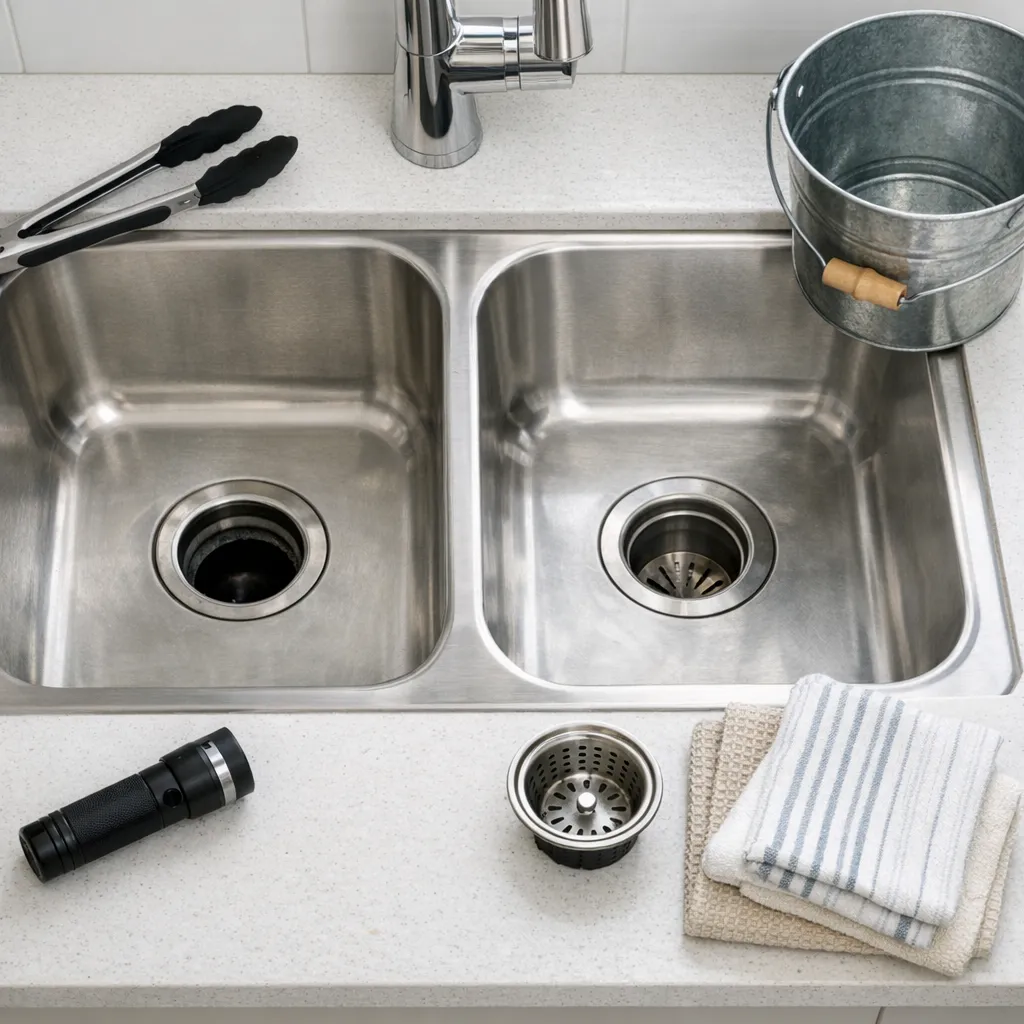
Check the easiest points first. Use a flashlight at the opening, remove visible material with gloves, and inspect the stopper or flush response. White crust around metal is evidence of hard-water scale, not proof that scale alone caused the clog. The Edwards Aquifer mineral load usually acts as an accomplice: it narrows small passages and anchors soft debris.
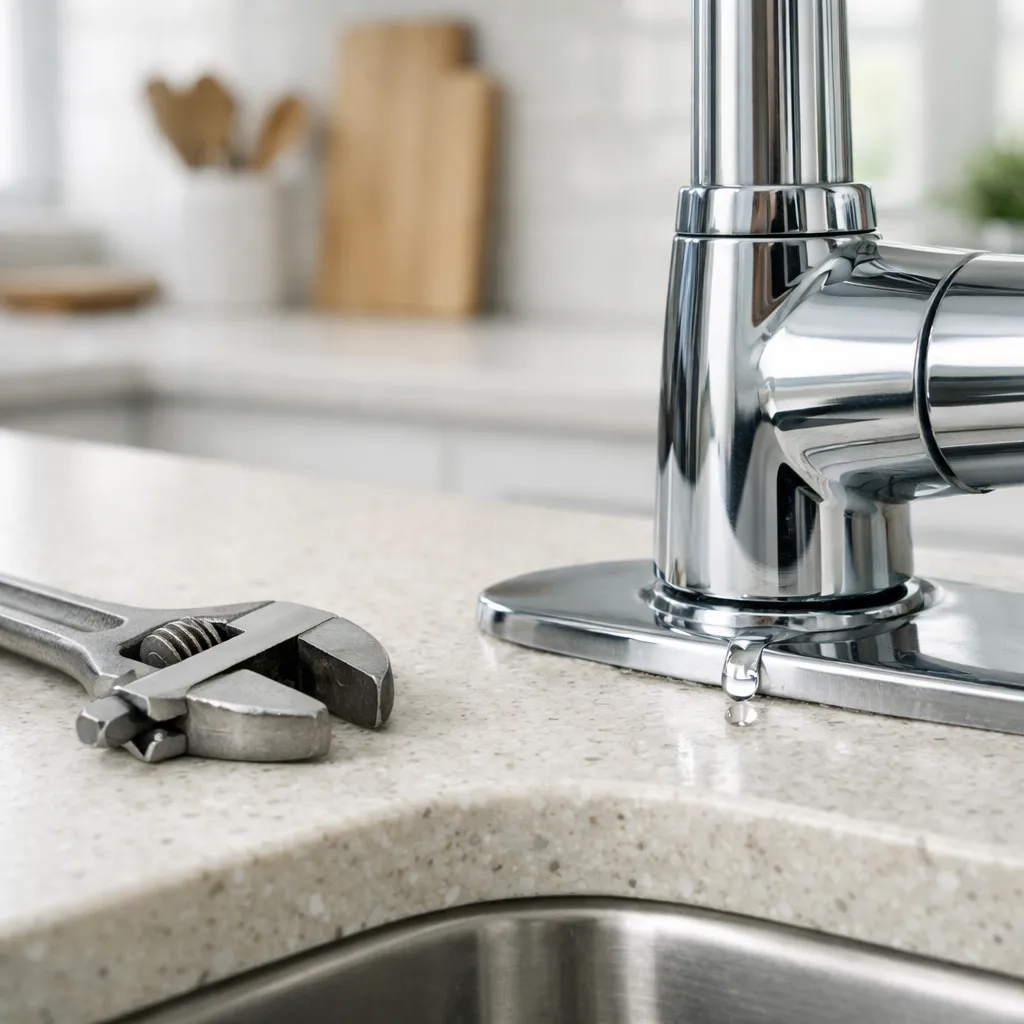
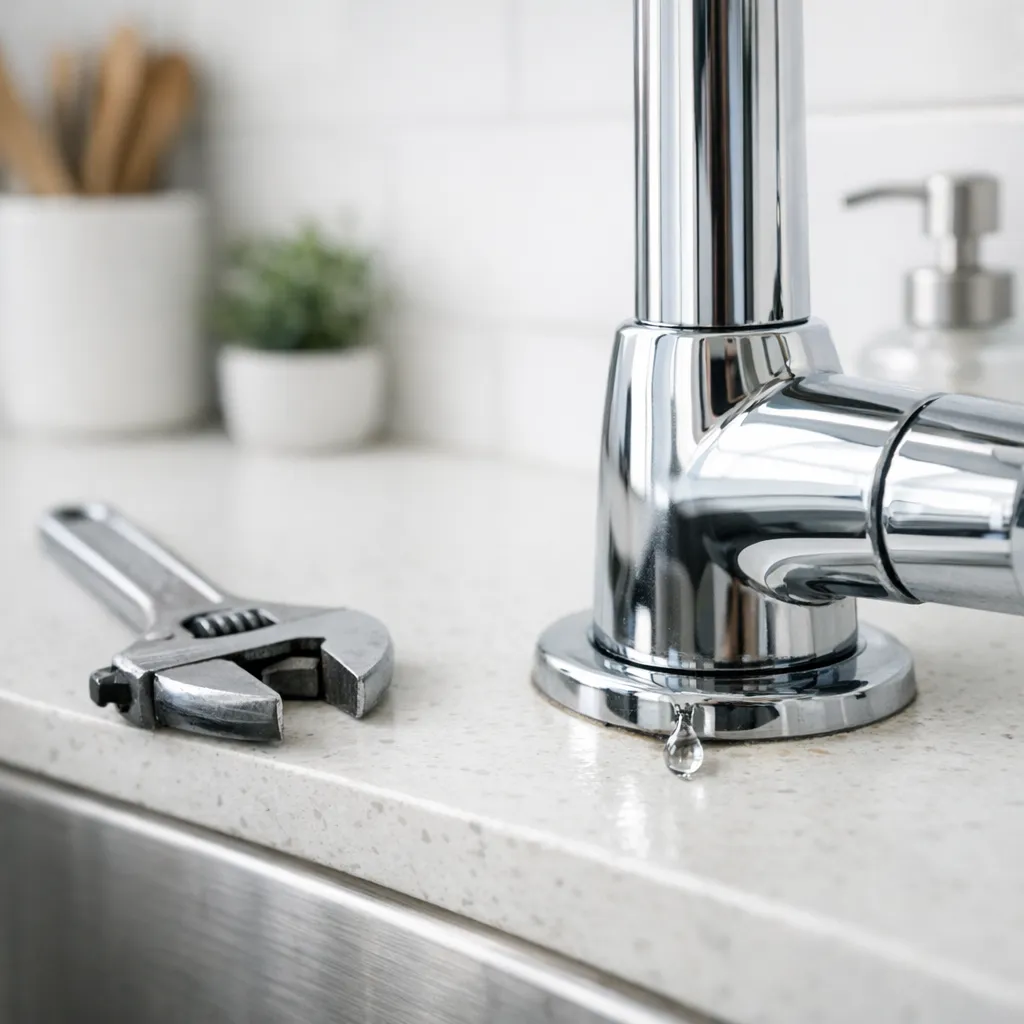
Before loosening anything, find the fixture shutoff and confirm it turns. Do not force a frozen stop valve. Protect the cabinet or floor with towels and a shallow pan. Keep children and pets away from standing wastewater, and ventilate the room if anyone previously poured cleaner into the drain.
A Safe DIY Sequence
1. Stop the overflow risk
Do not keep testing with full bowls or repeated flushes. Remove standing water with a cup or wet vacuum so the next step does not spill contaminated water.
2. Remove what you can reach
Lift or unscrew the stopper according to its design. Pull out hair and sludge without dropping small hardware into the opening. Clean removable parts with warm water and a nylon brush. A modest amount of white vinegar can soften surface scale on a removed metal part, but never mix vinegar with bleach or drain cleaner.
3. Plunge with the correct seal
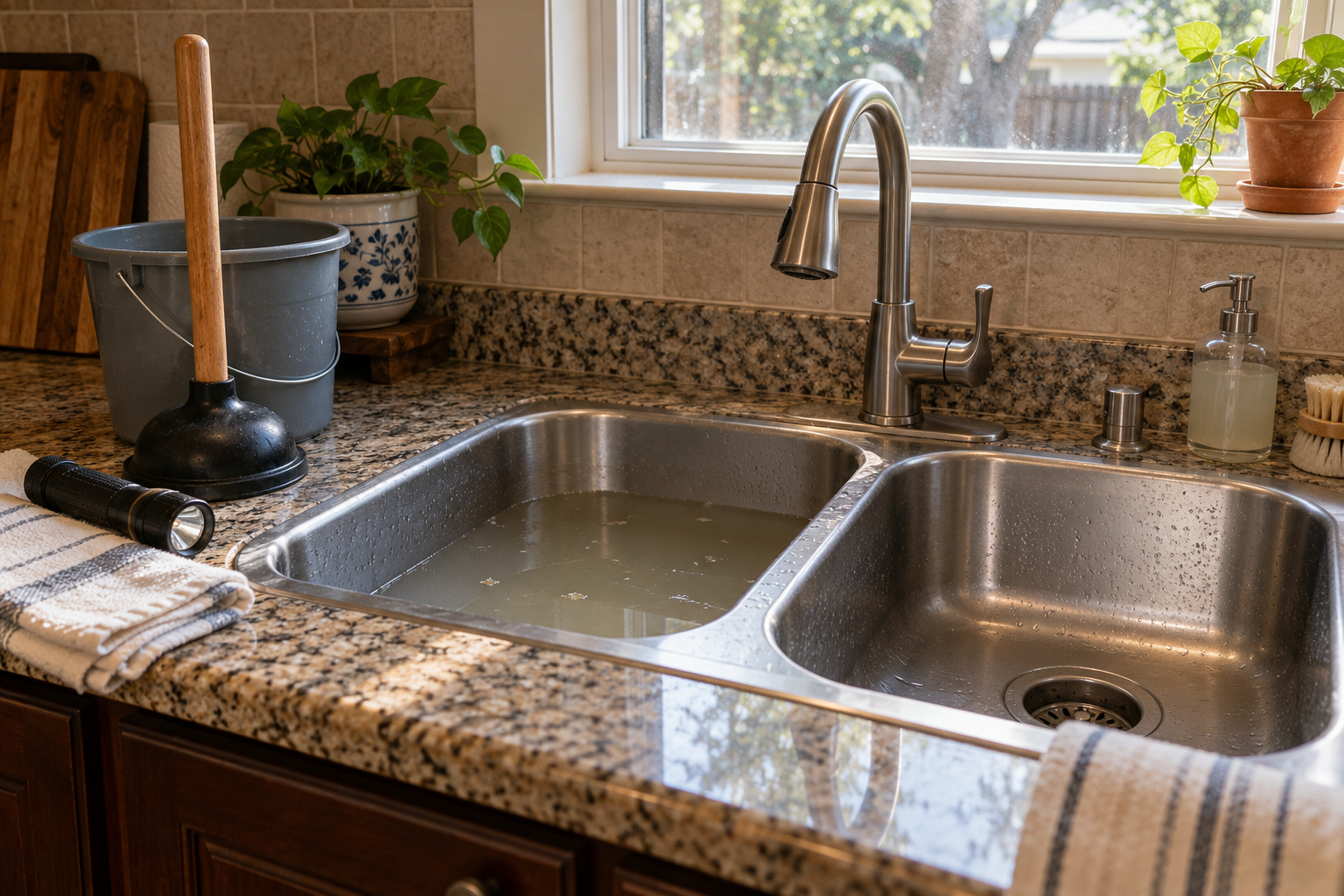
Use a clean cup plunger. Block the overflow opening with a damp cloth, cover the drain completely, and use short controlled strokes. Ten to fifteen strokes are enough for one attempt. Test with a small amount of water. Stop if pressure appears in another fixture.
4. Use a manual tool only within its limits
The next tool is a a hand-crank sink auger. Feed it gently; rotate rather than shove. Resistance at the first bend may be the fixture geometry, not the clog. Pull debris back toward you and clean the cable between passes. Never attach a drill to a light hand auger, and never use a general drain cable in a toilet where it can scratch porcelain.
5. Reassemble and test gradually
Restore the P-trap exactly as found. Run or flush a small test first, then a normal-volume test. Watch every disturbed joint for several minutes. Dry the area and check again after an hour; a slow seep can be more damaging than the original clog.
Why This Is Different in San Antonio
Water delivered from Edwards Aquifer sources is famously mineral-rich. At about 357 mg/L—roughly 21 grains per gallon—calcium carbonate accumulates at narrow passages, aerators, stopper hardware, toilet rim jets, and older metal transitions. The scale is hard; ordinary plunging may move soft debris while leaving the rough mineral shelf that helped create the stoppage.
Bexar County housing also spans historic cast iron, mid-century galvanized piping, modern PVC, and PEX supply systems. A fixture may look new while the branch line behind it is decades old. That is why age, access, and the behavior of nearby drains matter more than a one-size-fits-all trick.
Seasonal stress deserves attention too. Summer occupancy and irrigation season can reveal marginal pressure or heavy-use drainage problems. Winter Storm Uri showed how a freeze can crack fittings or shift already brittle piping. If a stoppage follows a freeze, a long vacancy, foundation movement, or visible water damage, diagnose the system rather than repeatedly clearing the same opening.
SAWS is the right starting point for San Antonio public water-service alerts and conservation guidance. A blockage inside the home is normally the owner's responsibility, but street-side work, a meter concern, or a neighborhood service interruption should be distinguished from a private plumbing failure before excavation or major repair begins. San Antonio service professionals should still diagnose the private side before recommending invasive work.
What San Antonio Homeowners Pay (2026)
| Service | Typical planning range | What changes the price |
|---|---|---|
| DIY hand tools and cleanup supplies | $15–$75 | Tool quality and replacement stopper or seal |
| Professional kitchen or bathroom sink clearing | $150–$350 for routine sink clearing | Access, severity, and normal versus after-hours scheduling |
| More involved repair or diagnosis | $250–$500 when the trap or branch line needs disassembly | Corrosion, hidden access, camera work, or damaged parts |
| Sewer camera inspection | $200–$400 | Line length, cleanout access, and recording/report needs |
| Emergency visit | $250–$600+ | Night/weekend timing and active overflow containment |
Ask whether the quoted price includes diagnosis, clearing, cleanup, and a short test. A low dispatch fee is not always the completed-job price. For larger work, request the scope in writing and confirm whether wall, tile, or cabinet restoration is excluded.
When to Call a San Antonio Plumber
Stop and call a licensed plumber when two or more fixtures are affected, sewage appears, the blockage returns within days, a cable repeatedly stops at the same distance, or you see leakage at a wall, ceiling, slab edge, or toilet base. The same applies when an object is lodged, the shutoff will not work, or chemical cleaner is already in standing water.
DIY work should also end if the home has fragile historic piping, recent foundation movement, or post-freeze damage. Tell the plumber what tools and products were used, which fixtures reacted, and how quickly water rose. Photos and a short timeline help the technician choose between fixture service, branch cleaning, and a camera inspection.
For an active overflow, protect people first: stop water use, keep everyone away from contamination, and shut off the fixture supply if it is safe. Do not open a cleanout under pressure and do not combine products in hopes of a faster result.
Prevent the Next Blockage
Use a removable screen where appropriate and clean it weekly. Keep grease, wipes, cotton products, dental floss, and thick cosmetic products out of drains; “flushable” labeling does not guarantee trouble-free travel through an older private line. Once a month, inspect drainage speed and clean accessible stopper parts before a dense plug forms.
Hard water calls for mechanical housekeeping, not routine acid pouring. Wipe scale from exposed hardware, follow fixture-maker instructions, and consider a water-softening evaluation only after testing and reviewing maintenance, discharge, and household needs. A softener may reduce future scale but it will not remove an existing obstruction.
Keep a simple service record with dates, affected fixtures, and cable or camera findings. Repeated trouble at the same distance is evidence worth investigating. For a home purchase or major remodel, discuss the age and material of the drain line, not just the visible fixtures.
Local FAQ
Can boiling water clear this sink?
Avoid boiling water. It can damage some seals, soften PVC joints, or crack porcelain under thermal shock. Warm water is safer after the obstruction is removed, but it is not a substitute for retrieving hair, paper, or a lodged object.
Should I use a chemical drain opener?
Usually no. It may not dissolve mineral scale or solid objects, can sit in trapped water, and creates a burn hazard for whoever opens the line. Never mix products. Tell the plumber if any chemical is present.
Does 21 gpg hard water cause every clog?
No. It creates rough deposits and narrows small passages, but the immediate obstruction is often hair and toothpaste in a lavatory, or grease and food residue in a kitchen. Address both the debris and the maintenance conditions that let it accumulate.
When is a camera inspection worthwhile?
Consider one when several fixtures are slow, the same stoppage returns, roots or a damaged sewer are plausible, or a cable cannot establish a durable flow. A camera is less useful for a simple visible stopper clog.
Who should handle code or permit questions?
For substantial replacement or alteration, use a properly licensed contractor who can identify City and Bexar County requirements for the address and arrange permits when required. Routine clearing normally does not involve the same scope.
The Practical Bottom Line
Treat this kitchen or bathroom sink as a diagnosis, not a contest of force. Confirm the problem is local, retrieve accessible debris, plunge with the correct seal, and use only a gentle manual tool that is made for the fixture. Then test slowly and watch for leaks. San Antonio homeowners save the most when they stop before a fixture-level task becomes a damaged pipe—and when recurring symptoms are documented instead of temporarily hidden.