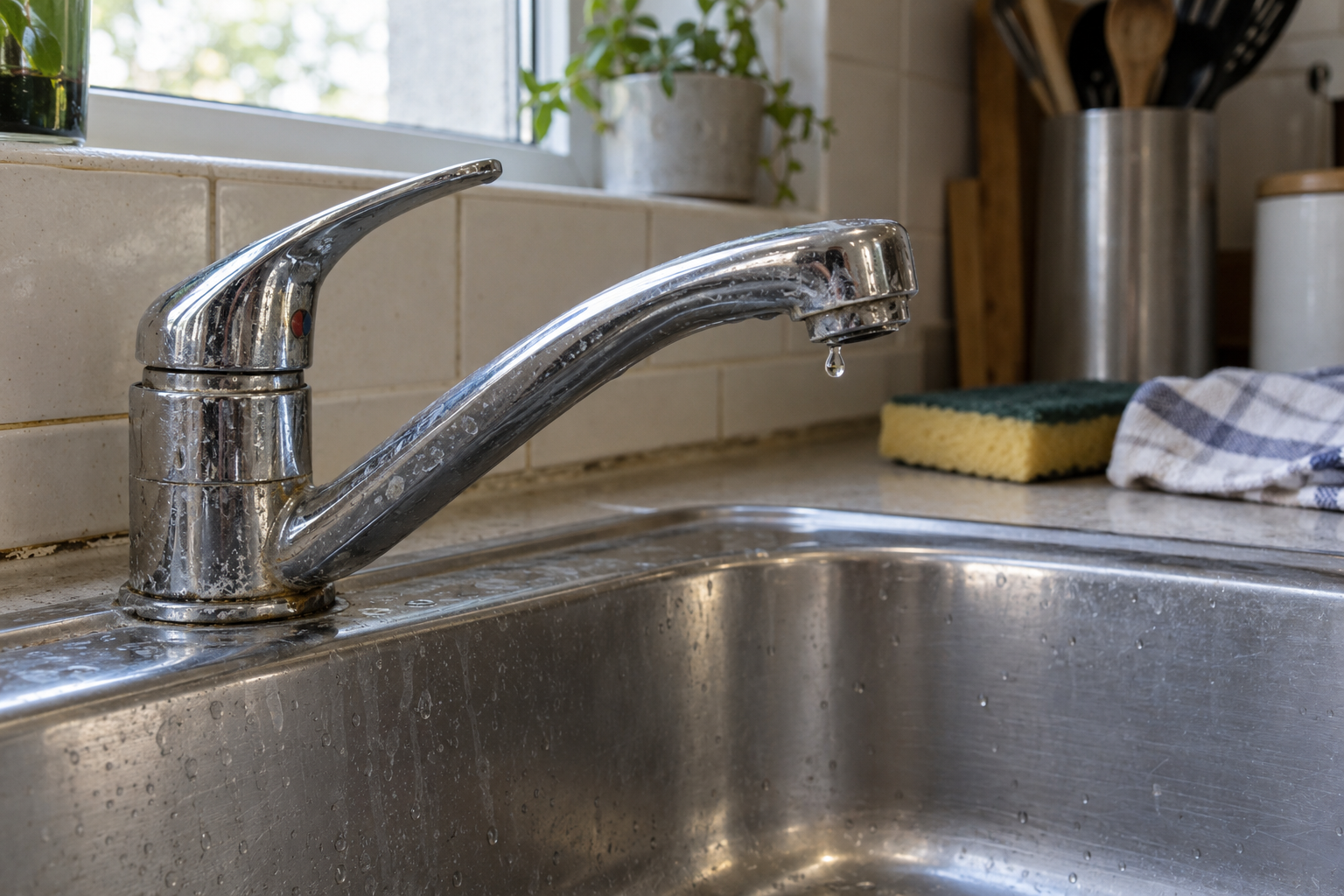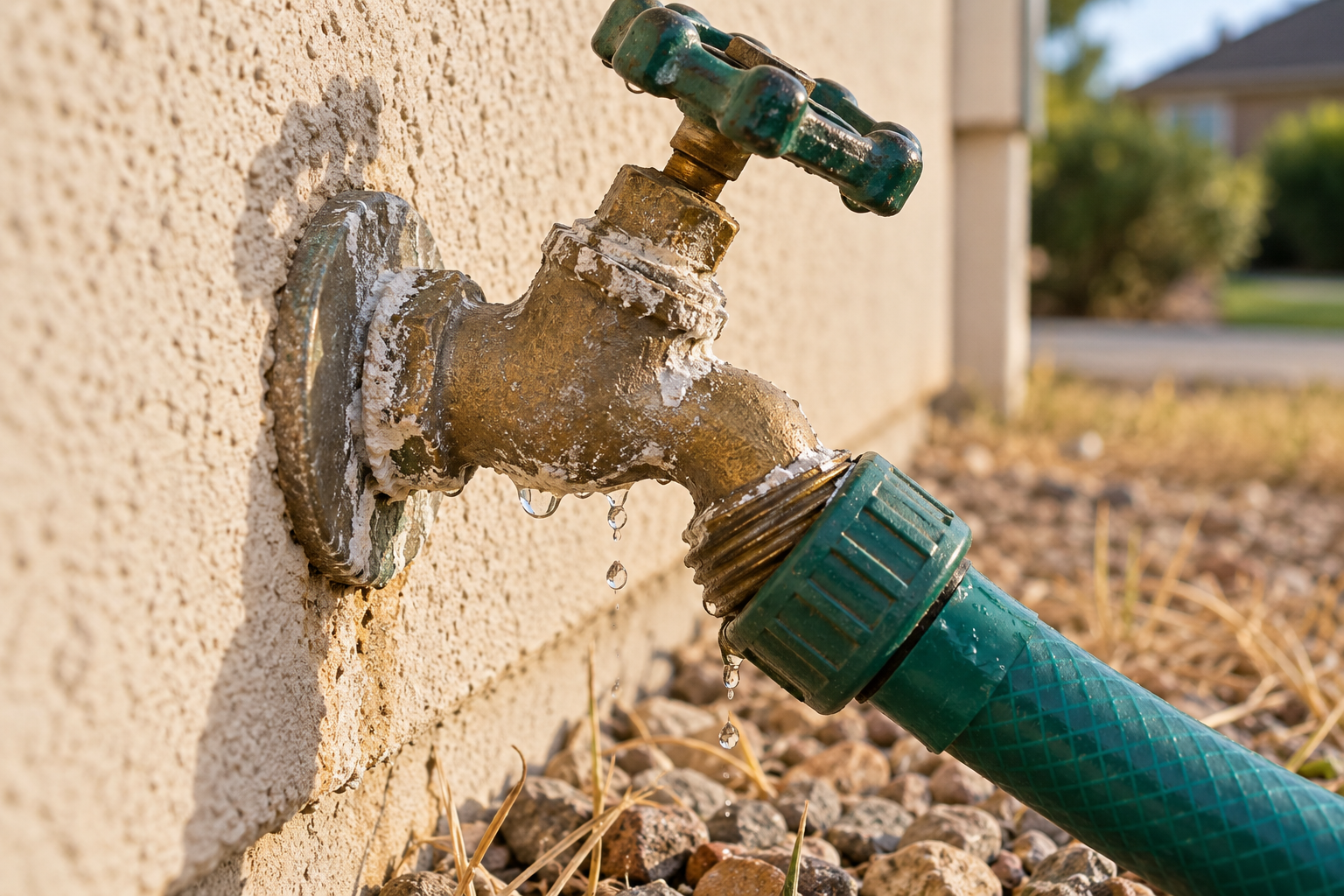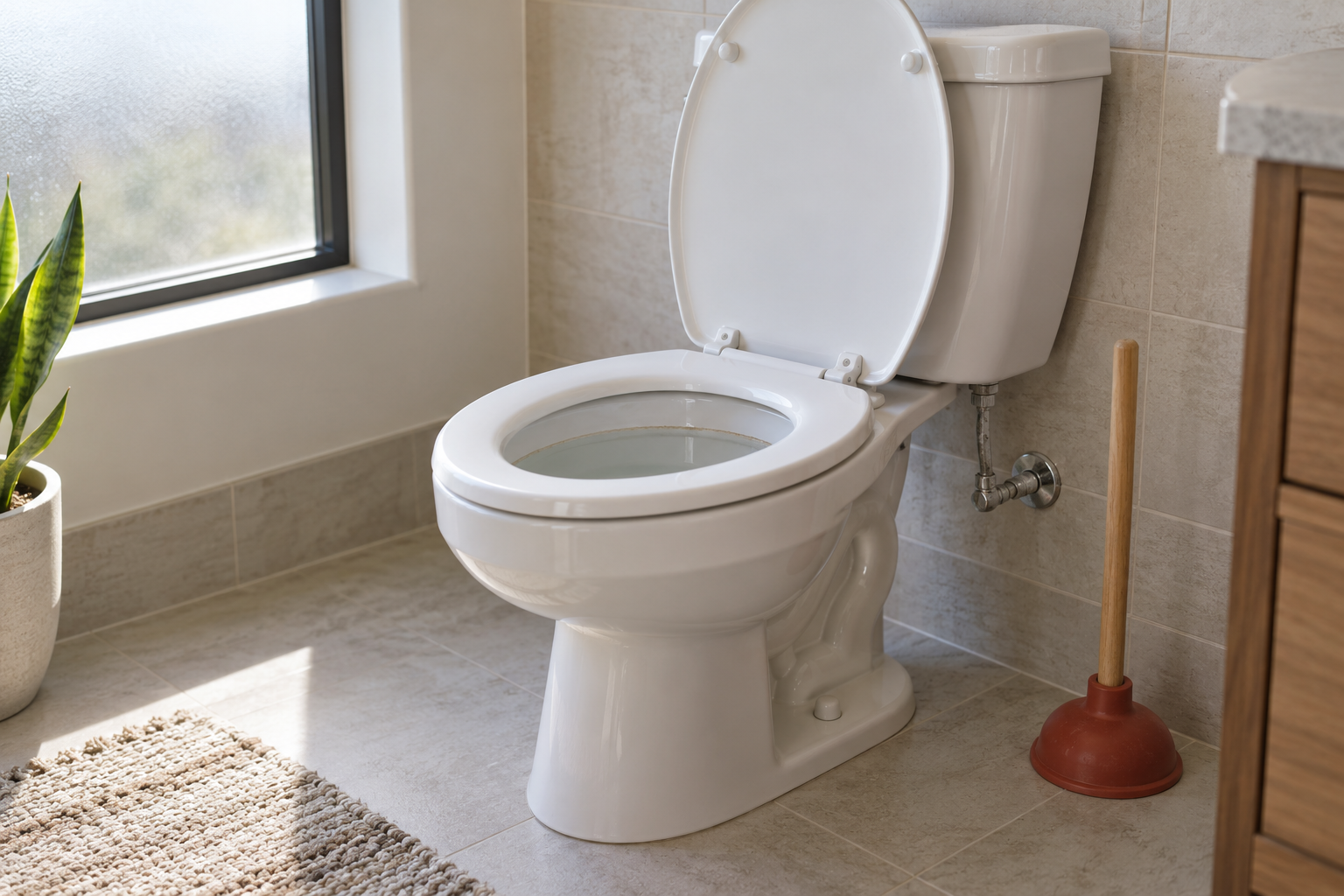
> San Antonio Local Insight: Drain and sink clogs in San Antonio are different from other cities. Edwards Aquifer hard water (357 mg/L) deposits white calcium scale inside pipes that traps hair, grease, and soap more aggressively. Standard drain cleaners often fail because they dissolve organic matter but not mineral buildup. Local homes need descaling-specific methods, especially at rim jets and siphon passages.
Start With the Flush, Not a Chemical
Before following any generic plumbing checklist, adjust it for our Edwards Aquifer water. At roughly 357 mg/L, or 21 grains per gallon, the calcium carbonate and magnesium in the water can turn a small maintenance issue into repeat wear on valves, seals, drains, heaters, and appliance connections. That means small rubber seals, cartridges, fill valves, and supply stops deserve extra attention because mineral grit wears those parts faster here.
In Stone Oak, many 1990s and 2000s bathrooms pair low-flow toilets with aging stops and supply hoses. Inspect white crust at the fill valve, weak rim-jet flow, and a stiff shutoff before assuming the toilet itself is worn out. A $20 tank part can solve a weak flush; forcing an old stop can turn that small job into a $150–$300 service visit.
Bexar County homeowners should also inspect after a hard freeze. Winter Storm Uri exposed brittle supply lines and stops; a valve that now grinds or seeps should not be forced. Photograph the tank model and leak area before requesting service so the plumber can arrive with compatible parts.
A clog-free toilet depends less on aggressive cleaning products and more on a few ordinary habits: flush only human waste and toilet paper, deal with a weak flush early, keep the bowl and rim jets clean, and watch for changes in water level or drainage speed. Most preventable toilet clogs begin with too much material in one flush or with items that should never have entered the drain.
Routine toilet maintenance to prevent clogs also gives you an early warning when the problem is deeper in the plumbing. A toilet that clogs repeatedly, bubbles when another fixture drains, or causes wastewater to rise in a shower may have a blocked branch line or main sewer line. In that situation, repeated plunging is not maintenance. It is a reason to stop using water and arrange a professional inspection.
What to check first when a toilet starts acting differently
Start by watching one normal flush. The water should enter the bowl with enough force to carry the contents away, then settle at its usual level without prolonged gurgling. A slow swirl, incomplete flush, unusually high water level, or delayed refill can point to a developing obstruction or a problem inside the tank. Do not keep flushing to "see if it clears." If the bowl is already rising, another flush may put wastewater on the floor.
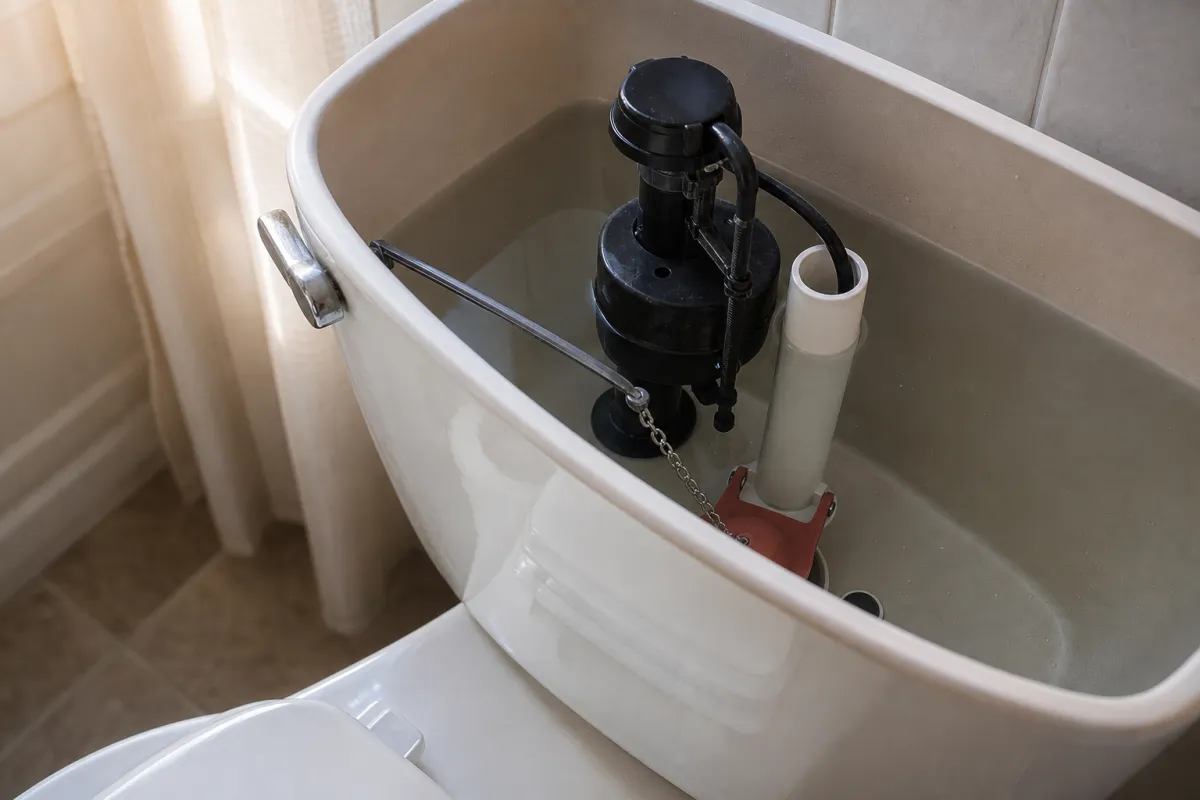
Remove the tank lid carefully and set it on a folded towel. Check that the water reaches the tank manufacturer's fill mark, which is often about an inch below the top of the overflow tube. Make sure the flapper opens fully and stays open long enough for a strong flush. A short chain, tangled chain, deteriorated flapper, or low float setting can reduce the amount of water released. If you need to adjust or replace a part, turn the toilet's shutoff valve clockwise first. Do not force a corroded valve; an old valve can break or begin leaking.
Also check whether the problem is limited to one toilet. Run a nearby sink briefly and observe the toilet without flushing it. If the bowl bubbles or its water level changes, stop and investigate rather than treating the toilet as an isolated clog. Similar symptoms in several drains suggest a plumbing-line problem, not a dirty bowl or worn flapper.
Use the toilet for waste and toilet paper only
The safest household rule is simple: only human waste and toilet paper belong in a toilet. Facial tissues, paper towels, cotton swabs, dental floss, sanitary products, diapers, hair, food, medication packaging, and cat litter should go elsewhere. These materials may disappear from view, but that does not mean they have traveled safely through every bend in the drain.
"Flushable" wipes deserve particular caution. Some break apart much more slowly than toilet paper and can catch on rough pipe interiors, roots, offsets, or existing buildup. A wipe that passes through a modern toilet may still contribute to a blockage farther down the line. Keep a small covered waste bin near the toilet so residents and guests have an obvious alternative.
Toilet paper can also cause trouble when too much enters the bowl at once. Thick, plush paper generally needs more water and time to disperse than thinner paper. You do not necessarily need to switch brands, but households with older low-flow toilets or a history of clogs may benefit from using smaller amounts and flushing between large batches of waste and paper. Never flush repeatedly to force an overloaded bowl through.
Maintain the tank for a full, effective flush
A toilet needs the correct volume of water delivered quickly. If the tank is underfilled, the bowl may swirl without developing enough siphon action to clear the trapway. Check the fill level every few months and after any change in flushing performance. The refill tube should discharge into the overflow tube and remain secured above it rather than being pushed too far down.
Inspect the flapper for warping, mineral deposits, or a soft, deteriorated surface. A leaking flapper wastes water and can leave the tank partially depleted when someone flushes again. One easy check is to place a few drops of food coloring in the tank, wait without flushing, and see whether color appears in the bowl. If it does, the flapper or flush-valve seal probably needs attention. Flush afterward so the dye does not sit on the porcelain.
Replacement tank parts are usually inexpensive, but they must fit the toilet. Universal parts do not work equally well with every model, especially dual-flush and pressure-assisted toilets. Take a photo of the mechanism and note the model number printed inside the tank or beneath the lid before buying anything. If the shutoff valve will not close, leaks around its stem, or connects to a brittle supply line, pause the repair and call a plumber.
Keep rim jets and the siphon jet clear
Mineral deposits can narrow the small openings beneath the bowl rim and weaken the wash around the bowl. Some toilets also have a larger siphon jet near the bottom of the bowl that helps start the flushing action. When these openings become restricted, the toilet may need a second flush even though the tank appears to work normally.
Clean the bowl regularly with a toilet-safe cleaner and a nonmetallic brush. For visible mineral buildup beneath the rim, follow the cleaner manufacturer's directions and allow enough contact time before brushing. Do not mix bleach, acidic toilet cleaners, vinegar, ammonia, drain opener, or other chemicals. Combining household cleaners can release toxic gas. Ventilate the room, wear eye protection and gloves, and rinse away one product before considering another.
Avoid scraping jets with screwdrivers, metal picks, or other tools that can scratch the porcelain. A scratched surface collects grime more readily and is harder to sanitize. If deposits remain severe after safe cleaning, a plumber can assess whether hard-water scaling has affected the toilet's internal passages. In an older fixture, replacement may be more sensible than repeated chemical treatment.
Follow a simple preventive maintenance schedule
Clog prevention does not require weekly disassembly. A short monthly inspection catches most ordinary problems: look around the base and supply connection for moisture, test the flush, listen for the tank running after it should have stopped, and confirm that the bowl returns to its usual water level. Clean the bowl and rim openings before deposits become difficult to remove.
Twice a year, inspect the visible supply line for corrosion, bulges, cracks, or damp fittings. Gently check that the toilet does not rock. Movement can damage the wax or rubber seal beneath the toilet and allow water to reach the subfloor. Tightening the floor bolts is not always the answer; overtightening can crack the porcelain. A rocking toilet may need shims, flange repair, or reseating.
Use this quick-reference guide to decide what deserves attention:
| What you notice | Likely area to check | Safe first response | Stop DIY when |
|---|---|---|---|
| Weak but complete flush | Tank level, flapper, rim jets | Inspect tank and clean approved surfaces | Parts do not match, valve will not close, or porcelain is cracked |
| Bowl rises, then drains slowly | Partial toilet-trap clog | Stop flushing and use a toilet plunger | Water keeps rising or the clog returns |
| Random bubbling | Branch or main drain | Limit water use and check other fixtures | Several drains react together |
| Tank runs intermittently | Flapper or fill valve | Test for a leaking seal | Supply connection leaks or shutoff fails |
| Moisture around the base | Seal, condensation, or cracked fixture | Dry the area and identify when moisture returns | Water appears during flushing or flooring feels soft |
| Frequent clogs with normal use | Trapway, drain line, or toilet design | Record the pattern and paper load | Plunging gives only temporary relief |
Clear an early clog without damaging the toilet
When the bowl rises after a flush, remove the tank lid and push the flapper closed if water is still entering the bowl. Turn the shutoff valve clockwise if necessary. Put towels around the base and wait for the water level to fall before attempting any clearing work. Keep children and pets away from the area because overflow water may contain sewage.
Use a toilet plunger with a flange that extends into the drain opening. Lower it into the bowl at an angle so the cup fills with water rather than air. Establish a seal, begin with a gentle push to avoid splashing, then use several controlled strokes. The goal is to move the obstruction back and forth, not to hammer it deeper. After the water drains, test with a small bucket of clean water before using a full tank flush.
For a stubborn clog located in the toilet trap, a toilet auger is safer than a standard drain snake because its protective sleeve reduces the chance of scratching the porcelain. Follow the tool instructions and stop if the cable binds hard or you suspect a solid object, such as a toy or toiletry container. Never use a powered drain machine through a toilet unless you have the proper training and equipment.
Avoid common clog-removal mistakes
Chemical drain openers are a poor choice for toilets. A toilet bowl already holds water, so the chemical may become diluted and remain trapped above the obstruction. That leaves corrosive liquid in the bowl where it can splash onto skin or eyes during later plunging or augering. It may also damage seals, pipes, or the toilet's finish. If a plumber must work on a drain after chemicals were added, tell them exactly what was used.
Do not pour boiling water into a porcelain toilet. The abrupt temperature change can crack the bowl or tank. Warm water may sometimes help soften ordinary paper, but it is not a remedy for wipes, solid objects, roots, scale, or a blocked sewer. Dish soap and improvised mixtures are also unreliable when the underlying problem is mechanical.
Another mistake is treating every repeat clog as a new accident. If normal waste and a modest amount of paper repeatedly stop the same toilet, something has changed. Possibilities include an object lodged in the trapway, inadequate tank performance, pipe scaling, poor drain slope, root intrusion, or a toilet with a narrow or damaged internal passage. Repeated force can move the symptom temporarily while allowing hidden damage or sewage backup risk to grow.
Recognize signs of a deeper drain or sewer problem
A single clogged toilet often has a local obstruction. Multiple affected fixtures point elsewhere. Warning signs include a shower or tub filling when the toilet flushes, toilet bubbling when a washing machine drains, sewage odor, floor-drain backup, or water appearing at the lowest plumbing fixture in the home. Stop running faucets, appliances, and additional toilets if these symptoms appear.
Sewage is a health hazard. Avoid contact, keep people out of the affected area, and do not use a wet/dry vacuum unless it is specifically intended for contaminated-water cleanup and you know how to handle the waste safely. Electrical risk also matters if wastewater reaches outlets, extension cords, appliances, or a finished basement. Do not enter standing water to unplug equipment or reach a breaker. Contact an electrician or emergency service if power cannot be isolated from a dry, safe location.
A sewer odor without visible backup also deserves attention. It may come from an empty fixture trap, a failed toilet seal, a venting problem, or a damaged drain. Vent pipes are usually inspected from the roof, which adds fall risk and is not a suitable casual DIY task. Strong or persistent odors, especially with dizziness or nausea, are a reason to leave the area, ventilate only if it can be done safely, and call for help.
Decide when repair or replacement makes more sense
A plumber should inspect a toilet that clogs repeatedly under normal use, cannot be cleared with a plunger or toilet auger, or appears to contain a solid object. Professional help is also appropriate when several drains are slow, sewage backs up, water leaks at the base during flushing, the toilet rocks, or the shutoff valve does not work. These conditions can involve the flange, drain line, venting, or main sewer.
Service costs vary by location, access, time of day, and the equipment required. Clearing a nearby toilet trap is generally simpler than locating a buried sewer defect or removing roots from a main line. Before authorizing extensive work, ask what the diagnostic fee covers, whether camera inspection is necessary, and whether any quoted clearing service includes a follow-up test. A camera can identify some defects, but a line may need to be cleared before the camera can travel through it.
Replacement may be reasonable when an older toilet has chronic weak-flush problems despite correct tank operation, internal passages are heavily scaled, the porcelain is cracked, or repair costs approach the cost of a suitable new fixture. Compare trapway design, flush performance, rough-in dimensions, bowl height, and water use rather than choosing by appearance alone. A new toilet will not correct a damaged or poorly installed drain line.
Build better bathroom habits for the whole household
Maintenance works best when everyone follows the same rules. Keep a waste bin within reach and store extra toilet paper where guests can find it. In homes with children, explain that the toilet is not a disposal chute, and consider a lid lock where appropriate. Avoid placing small bottles, toys, hair accessories, or cleaning tools on the tank lid where they can fall into an open bowl.
If someone needs to use a large amount of toilet paper, an intermediate flush can reduce the load passing through the trapway at once. This is particularly useful with an older toilet or after a bowel movement that already fills much of the bowl. The goal is not to waste water with unnecessary flushing, but to avoid one overloaded flush followed by an overflow.
Keep a flange plunger in the bathroom or nearby utility area. Store it in a ventilated holder and clean it after use with a product that is compatible with its material. Knowing where the shutoff valve is matters just as much. Every capable adult in the home should know how to close it, but the valve should not be forced if it is seized or badly corroded.
FAQ about preventing toilet clogs
How often should I perform toilet maintenance?
Clean the bowl and inspect the flush about once a month, then check the supply line, shutoff valve area, tank components, and toilet stability every six months. You should also inspect the toilet whenever its sound, water level, refill time, or flushing strength changes. A quick response to a weak flush is easier than dealing with an overflowing bowl.
Is it safe to flush wipes labeled "flushable"?
The safer practice is to place wipes in the trash. A product may pass through the toilet yet remain intact long enough to catch inside a household drain or public sewer. This is especially risky in homes with older pipes, roots, offsets, or a history of slow drainage. Toilet paper is designed to disperse more readily in water.
Why does my toilet clog even when I use little paper?
The toilet may have a weak flush, restricted rim or siphon jets, an object in the trapway, heavy mineral deposits, or a downstream drain obstruction. Check the tank water level and mechanism first. If the toilet clogs repeatedly with ordinary use, stop treating each episode as an isolated blockage and arrange a plumbing inspection.
Can I use baking soda and vinegar to prevent clogs?
Baking soda and vinegar may fizz, but that reaction does not reliably remove solid objects, roots, compacted wipes, or serious drain buildup. It can also encourage the idea that a mechanical problem has been fixed when it has only drained temporarily. Routine cleaning and correct flushing habits are more useful. Never combine either ingredient with bleach or commercial drain chemicals.
Why does the toilet bubble when another fixture drains?
Bubbling can mean displaced air is moving through the toilet because a drain or vent is restricted. It may also be an early sign of a branch-line or main-sewer blockage. Limit water use and check whether other fixtures are slow. If several drains are involved, or wastewater appears in a tub or floor drain, call a plumber promptly.
Why This Is Different in San Antonio
San Antonio's Edwards Aquifer supplies some of the hardest municipal water in the United States: about 357 mg/L, or 21 grains per gallon. That limestone-filtered groundwater carries calcium carbonate and magnesium into our fixtures, valves, drains, heaters, and supply lines. For toilet maintenance to prevent clogs, that matters because mineral deposits grind down seals, cartridges, fill valves, supply stops, spray arms, and small water passages faster than many generic guides assume.
- Scale buildup makes small restrictions worse, especially at cartridges, aerators, shutoff valves, drains, and heater connections.
- Fixtures, pipes, and appliances in our area can wear out 30-50% faster than in soft-water cities when maintenance is delayed.
- SAWS publishes annual water quality reports, but the practical homeowner takeaway is simple: maintenance intervals here should be shorter than national advice suggests.
For this toilet-clog guide, ask specifically about rim-jet scale, trapway obstructions, and whether the branch drain needs inspection.
Homes in Stone Oak are particularly affected because many 1990s-2000s homes have copper lines where hard-water scale and pinhole leaks show up sooner than owners expect. Unlike cities with naturally soft water, local homeowners should treat hard-water maintenance as normal prevention, not an upsell.
What San Antonio Homeowners Pay (2026)
| Service | Typical Cost in San Antonio |
|---|---|
| Toilet replacement (labor + unit) | $300–$800 |
| Drain cleaning | $150–$350 |
| Plumber hourly rate | $85–$150/hr |
Prices are based on local metro area ranges for 2026. Costs may vary by neighborhood, access, pipe material, after-hours timing, and whether the plumber finds hard-water damage beyond the visible problem.
For this toilet-clog guide, ask specifically about rim-jet scale, trapway obstructions, and whether the branch drain needs inspection.
When to Call a San Antonio Plumber
Call a licensed local plumber if the problem involves active leaking, a shutoff valve that will not close, sewer smell, recurring clogs, water near electrical components, a water heater leak, or any pipe inside a wall, ceiling, or slab. Locally, expect many licensed plumbers to charge roughly $85-$150 per hour, with emergency visits commonly around $150-$350 and after-hours calls closer to $250-$500.
For this toilet-clog guide, ask specifically about rim-jet scale, trapway obstructions, and whether the branch drain needs inspection.
When you call, ask three local questions:
1. Are you licensed and insured for work in Bexar County or the surrounding local metro?
2. Have you dealt with Edwards Aquifer hard-water scale on this type of repair?
3. Should I also check the water heater, shutoff valves, or water softener while you are there?
For this toilet-clog guide, ask specifically about rim-jet scale, trapway obstructions, and whether the branch drain needs inspection.
Plumbers who regularly work across Bexar County see hard-water damage every week, so a good pro should be able to explain whether the failure is normal wear, mineral damage, freeze damage from a cold snap like Winter Storm Uri, or a sign of a larger plumbing system problem.
For this toilet-clog guide, ask specifically about rim-jet scale, trapway obstructions, and whether the branch drain needs inspection.
San Antonio FAQ
Is San Antonio water hard?
Yes. San Antonio water is very hard at about 357 mg/L, or 21 grains per gallon, because much of it comes from the Edwards Aquifer and passes through limestone. That mineral content is why scale shows up quickly on faucets, showerheads, valves, drains, and water heaters.
For this toilet-clog guide, ask specifically about rim-jet scale, trapway obstructions, and whether the branch drain needs inspection.
Do local homes need a water softener?
A water softener is recommended for many local homes, especially if you see white scale, repeated faucet or valve problems, short water-heater life, or cloudy spots on dishes. A typical whole-home water softener installation in San Antonio runs about $1,500-$4,000.
For this toilet-clog guide, ask specifically about rim-jet scale, trapway obstructions, and whether the branch drain needs inspection.