> San Antonio Local Insight: Hard water mineral deposits (21 gpg from Edwards Aquifer) affect toilet components, garbage disposals, and fixtures throughout local homes. Scale buildup causes premature wear, reduces performance, and creates problems that soft-water cities rarely see. Regular descaling maintenance is essential for San Antonio plumbing.
Decide Whether Your Toilet and Supply Are Ready
Before following any generic plumbing checklist, adjust it for our Edwards Aquifer water. At roughly 357 mg/L, or 21 grains per gallon, the calcium carbonate and magnesium in the water can turn a small maintenance issue into repeat wear on valves, seals, drains, heaters, and appliance connections. That means small rubber seals, cartridges, fill valves, and supply stops deserve extra attention because mineral grit wears those parts faster here.
In Helotes, a private well or edge-of-system supply can leave scale on the bidet nozzle and inside a tiny control valve quickly. Before spending $25–$150 on an attachment, turn the existing stop gently, inspect the hose date and condition, and confirm the seat will lie flat. Budget $150–$300 if a plumber must replace a corroded stop or supply connection first.
The practical local choice is a serviceable model with replaceable washers and a nozzle you can descale without dismantling the toilet. After a freeze such as Winter Storm Uri, inspect the supply assembly before adding another connection; hidden stress in an old hose is more important than extra spray modes.
For many households, a basic bidet attachment is worth buying. It can reduce toilet paper use, improve comfort, and add a useful washing function without requiring a full toilet replacement. Most non-electric models are relatively inexpensive, and a straightforward installation usually takes less than an hour.
The catch is that "simple installation" assumes your toilet, shutoff valve, and supply hose are all in good condition. An attachment can also make the seat sit unevenly, complicate cleaning, or produce an uncomfortably cold spray. Cheap fittings and careless installation may create leaks that cost far more than the attachment itself.
Before ordering one, check the toilet’s shape, available clearance, plumbing condition, and the features you actually want. A modest cold-water attachment may be a good value in a guest bathroom, while a heated electric seat may make more sense for daily use in a cold climate.
How a bidet attachment works
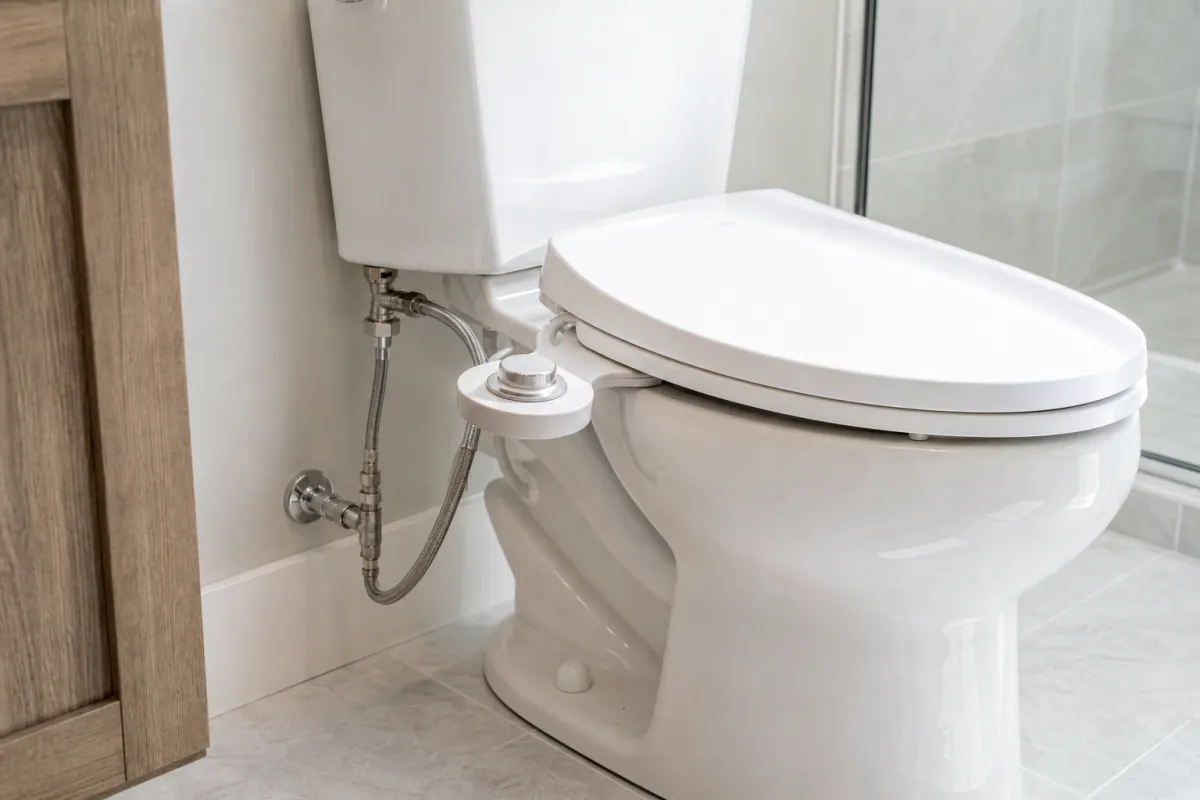
A bidet attachment fits beneath the existing toilet seat. It connects to the toilet’s clean-water supply through a T-adapter, sending water to one or more small nozzles mounted at the back of the bowl. Turning a dial or moving a lever opens the attachment’s valve and controls the spray pressure.
Most attachments do not use toilet-bowl water. They connect upstream of the toilet tank, so the incoming water comes from the same household supply that fills the tank. The attachment also has no direct connection to the drain or sewer line. If you notice sewage odors, wastewater backing up, or contamination around the toilet, stop using the fixture and address the plumbing problem separately.
Basic attachments usually offer an ambient-temperature spray and mechanical controls. More expensive versions may include separate front and rear wash patterns, adjustable nozzle position, self-rinsing nozzles, or a warm-water connection. Features such as heated water, heated seats, air drying, and automatic deodorizing are more commonly found in electric bidet seats rather than thin mechanical attachments.
What to check before buying one
Start by identifying whether your toilet is round or elongated and measuring the distance between the seat mounting bolts. Also look at the shape of the porcelain behind those bolts. Some toilets have a flat, open mounting area, while skirted or unusually sculpted models leave little room for an attachment or its hardware.
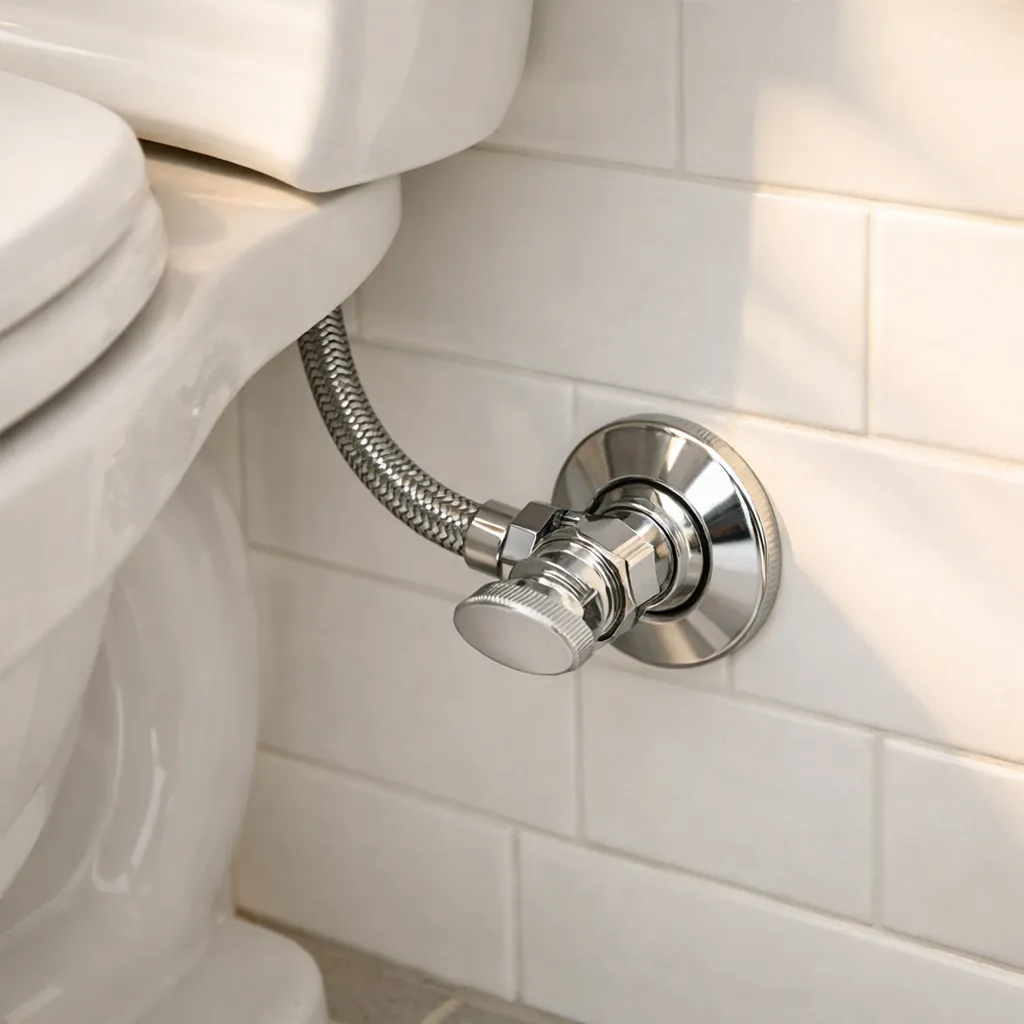
Check the shutoff valve beside or behind the toilet. It should turn without excessive force, corrosion, dripping, or grinding. Inspect the flexible supply hose as well. A brittle, kinked, rust-stained, or heavily corroded hose should be replaced rather than disturbed and reused. If the valve does not fully stop the water, do not continue with installation until it has been repaired.
Finally, consider the room itself. A mechanical attachment needs no outlet, but an electric bidet seat normally requires a nearby GFCI-protected receptacle. An extension cord across a bathroom floor is not a safe substitute. Warm-water mechanical attachments may require a hose routed from the sink’s hot-water supply, which can look awkward, interfere with cabinet doors, and leave you waiting for warm water to reach the fixture.
The benefits that make an attachment worthwhile
The main benefit is improved cleaning with less wiping. Water can be more comfortable than repeated dry-paper contact, particularly for people dealing with temporary irritation, limited mobility, menstruation, pregnancy recovery, or difficulty reaching. A bidet attachment is not medical treatment, but it can make an everyday bathroom routine less uncomfortable.
Reduced toilet paper use is another practical advantage. A bidet does not necessarily eliminate paper because many users still pat dry, but it can reduce the amount needed per visit. The actual savings depend on household size, local paper prices, water use, and whether the attachment causes people to use extra paper for drying or cleaning the fixture.
Attachments are also renter-friendly compared with permanent plumbing changes. Many can be removed later, provided the installation does not require drilling, cutting, or modifying the shutoff valve. Renters should still check their lease and retain every original toilet-seat part. Damage from a leak may remain the tenant’s responsibility even if the attachment itself was technically removable.
Costs and feature tradeoffs
A basic mechanical bidet attachment often costs roughly $25 to $80 at major retailers. Models with metal controls, adjustable nozzles, slimmer bodies, or dual wash settings may cost around $60 to $150. Prices change by brand and sale period, so compare the included fittings and warranty rather than assuming a higher price guarantees better construction.
Professional installation can cost more than the attachment, especially if a plumber must replace a failed shutoff valve, repair a supply connection, or correct an incompatible setup. A Bexar County service call commonly starts around $150 and rises when the shutoff or fill-valve shank must be replaced. An electric bidet seat also raises the project cost if the bathroom needs a new GFCI receptacle installed by a licensed electrician.
| Option | Typical purchase range | Best suited to | Main drawback |
|---|---|---|---|
| Basic cold-water attachment | $25–$80 | Budget upgrades and guest bathrooms | Cold spray and limited positioning |
| Higher-quality mechanical attachment | $60–$150 | Daily use without electrical features | Still relies on ambient-temperature water |
| Warm-water attachment | $70–$180 | Bathrooms with an accessible sink supply | Extra hose, delayed warmth, installation complexity |
| Electric bidet seat | $200–$700+ | Heated comfort and more precise controls | Requires power, more maintenance, higher cost |
| Integrated bidet toilet | $800–$3,000+ | Major bathroom renovations | Expensive and harder to repair or replace |
The best value is often a midrange mechanical model with reliable fittings, a pressure control that moves gradually, and enough mounting adjustment to align the nozzles. Paying extra for ten spray modes has little value if the attachment leaves the toilet seat rocking or cannot be cleaned easily.
Comfort, hygiene, and everyday cleaning
A bidet should make cleaning gentler, not turn the bathroom into a high-pressure experiment. Begin at the lowest setting every time, especially when the household water pressure is high. A forceful spray can be uncomfortable and may splash contaminated water onto nearby surfaces. Children or guests who are unfamiliar with the controls should receive a simple explanation before using the attachment.
Nozzles sit close to a toilet bowl, so they require regular cleaning even when a product has a self-rinse setting or retractable cover. Follow the manufacturer’s instructions, use a non-abrasive cleaner, and avoid forcing a retractable nozzle out of position. Harsh chemicals may damage seals, plated finishes, plastic valves, or antimicrobial coatings.
Water washing also does not remove the need for good bathroom hygiene. Users should still wash their hands, clean the toilet routinely, and avoid sharing towels used for drying. Anyone with a medical condition, recent surgery, immune-system concerns, or specific postpartum care instructions should ask a healthcare professional whether and how to use a bidet. More pressure and more frequent washing are not automatically better.
How to install one without creating a leak
Begin by closing the toilet shutoff valve. Flush the toilet and hold the handle down to drain as much water as possible from the tank. Place a towel and shallow container below the supply connection because some water will remain in the hose. If the shutoff valve leaks from its stem or fails to stop the flow, pause the project and call a plumber.
Remove the toilet seat, position the attachment over the mounting holes, and reinstall the seat using the supplied hardware or compatible spacers. The seat should rest evenly on its bumpers rather than rocking on top of the attachment. Never force bolts into misaligned holes, and do not overtighten plastic hardware or porcelain-mounted fasteners.
Connect the supplied T-adapter exactly where the manufacturer specifies, usually at the toilet tank’s fill-valve inlet. Thread connections by hand first to prevent cross-threading. Use washers and thread-sealing tape only where the instructions call for them; adding tape to a connection that seals with a rubber washer can interfere with seating.
Reopen the shutoff valve slowly while watching every connection. Dry the fittings, run the attachment briefly at low pressure, flush the toilet, and inspect again. Leave a dry paper towel beneath the connections for an hour, then check it for moisture. Inspect once more the following day. A slow drip can soak flooring or reach the room below long before it becomes obvious.
Common mistakes that erase the value
One frequent mistake is buying the cheapest available attachment without checking fitting material, warranty support, or replacement-part availability. Plastic parts are not inherently defective, but a poorly molded adapter or fragile control valve is a bad place to save a few dollars. Read the installation manual before purchasing so you know what hardware is included.
Another mistake is using excessive force. Homeowners sometimes overtighten a connection because it continues to drip, when the actual problem is a missing washer, damaged seal, crooked thread, or incompatible fitting. More torque can crack the fill-valve shank or strip a plastic nut. If a properly assembled connection still leaks, shut off the water and identify the cause rather than tightening indefinitely.
Avoid routing hoses where they can be pinched, kicked, stretched, or rubbed by the seat hinge. Do not connect a bidet hose to an improvised water source or bypass any required backflow protection. Choose a listed product designed for the U.S. market and follow its backflow and installation requirements. An attachment with unclear certifications, vague instructions, or fittings that do not match your plumbing is not worth the risk.
Warm-water models bring another trap: water sitting in the hot-water line may initially be cold, followed by water that becomes unexpectedly hot. A thermostatic mixing system can control temperature better, but it adds cost and complexity. Never connect an attachment directly to hot water unless the manufacturer designed it for that arrangement.
When an attachment is the right choice
A mechanical attachment makes sense when you want basic washing, have a compatible toilet, and prefer a low-cost upgrade. It is especially appealing in a bathroom without a convenient electrical outlet. There is little electronic equipment to fail, and most parts remain accessible for inspection and cleaning.
An attachment may also be a sensible trial before investing in a full bidet seat. It lets a household learn whether people will use the feature and which controls matter. If the cold spray proves acceptable, there may be no reason to upgrade. If users want a heated seat, warmer water, gentler pressure control, or an air dryer, the trial provides a clearer shopping list.
Skip the attachment if your toilet seat already shifts, the mounting area is unusually narrow, or the shutoff and supply components are in poor condition. A bidet seat with an integrated mounting plate may fit more securely. In a bathroom renovation, an integrated toilet or properly planned powered seat can also look cleaner than adding visible hoses later.
When to stop DIY and call a professional
Call a plumber if the shutoff valve will not close, begins leaking when turned, or shows heavy corrosion. The same applies if the toilet’s fill-valve connection rotates inside the tank while you loosen the supply line. Continuing can damage the tank hardware or release an uncontrolled flow of water.
Professional help is also sensible when fittings do not match, the toilet has rigid rather than flexible supply piping, or previous repairs have left unusual adapters behind. Stop immediately if you see water emerging from the base of the toilet, notice soft flooring, smell persistent sewage, or find stains on the ceiling below. Those symptoms may indicate a failed toilet seal, drain problem, or hidden water damage that an attachment cannot fix.
For an electric bidet seat, use a licensed electrician if the bathroom lacks a suitable GFCI-protected outlet. Bathrooms combine water and electricity, so extension cords, plug adapters, exposed wiring, and DIY outlet additions are poor compromises. If the product manual requires a dedicated circuit or specific receptacle location, follow those requirements.
A plumber can also assess backflow protection and local code compliance when the product design is unclear. This matters more with handheld sprayers or hoses that could reach into the bowl. Spending money on a correct installation is cheaper than repairing water-damaged flooring, cabinetry, or a downstairs ceiling.
A quick buying checklist
Use this checklist before placing an order:
- Confirm whether the toilet is round, elongated, skirted, or unusually shaped.
- Measure the seat-bolt spacing and available mounting clearance.
- Check that the existing seat can sit flat over the attachment.
- Test the shutoff valve gently and inspect it for corrosion or leakage.
- Inspect the supply hose and plan to replace it if it is old or damaged.
- Decide whether ambient-temperature water will be comfortable enough.
- Check whether the controls remain reachable beside the toilet.
- Look for clear installation instructions and compatible replacement parts.
- Confirm what washers, adapters, spacers, and hoses come in the box.
- Review local plumbing requirements and the product’s listed certifications.
- Budget for a plumber if any supply-side component needs repair.
- For powered seats, verify access to a proper GFCI-protected receptacle.
FAQ about bidet attachments
Do bidet attachments use dirty toilet water?
No. A correctly installed attachment receives clean supply water before it enters the toilet tank. It does not pump water out of the bowl. The nozzle can still be exposed to splashing and contamination, which is why nozzle retraction, shielding, self-rinsing functions, and manual cleaning matter.
Will a bidet attachment fit every toilet?
No. Most standard two-piece toilets are relatively easy to accommodate, but seat shape, bolt spacing, hinge design, and rear clearance can cause problems. French-curve toilets, compact models, and some skirted toilets may need a brand-specific adapter or a complete bidet seat designed for that shape.
Can an attachment damage a toilet seat?
It can create problems if its mounting plate raises the rear of the seat. The seat may slope, rock, or place stress on its hinges. Slim attachments and seat bumpers can help, but bumpers should support the seat evenly. Replace a cracked seat rather than trying to stabilize it with excessive bolt tension.
Is cold bidet water uncomfortable?
That depends on the household water temperature and personal preference. In a warm climate, ambient-temperature water may feel acceptable. In a cold region or an unheated bathroom, it can be startling. Pressure matters too: a gentle cold spray is usually easier to tolerate than a concentrated, high-pressure stream.
How long should a bidet attachment last?
There is no reliable universal lifespan because build quality, water pressure, mineral content, cleaning products, and frequency of use all affect the parts. Inspect hoses and fittings periodically, and replace any component that becomes cracked, stiff, corroded, discolored, or difficult to operate. A leak is a reason to shut off the supply and repair the unit, not something to monitor indefinitely.
So, are bidet attachments worth it?
Yes, for many homeowners, a well-chosen attachment is a useful and reasonably priced bathroom upgrade. The strongest case is a compatible toilet with sound plumbing, a household comfortable with unheated water, and someone willing to clean and inspect the device regularly.
The purchase is less convincing when installation requires questionable adapters, the seat cannot sit flat, or the bathroom needs substantial plumbing work. At that point, a better-fitting bidet seat or professional installation may provide better value. The attachment itself is only part of the decision; a secure, leak-free connection matters more than extra spray settings.
Choose for fit and construction first, comfort second, and novelty last. A simple model installed correctly is worth more than a feature-heavy unit attached to an unreliable valve or strained hose.
Why This Is Different in San Antonio
San Antonio's Edwards Aquifer supplies some of the hardest municipal water in the United States: about 357 mg/L, or 21 grains per gallon. That limestone-filtered groundwater carries calcium carbonate and magnesium into our fixtures, valves, drains, heaters, and supply lines. For are bidet attachments worth it, that matters because mineral deposits grind down seals, cartridges, fill valves, supply stops, spray arms, and small water passages faster than many generic guides assume.
- Scale buildup makes small restrictions worse, especially at cartridges, aerators, shutoff valves, drains, and heater connections.
- Fixtures, pipes, and appliances in our area can wear out 30-50% faster than in soft-water cities when maintenance is delayed.
- SAWS publishes annual water quality reports, but the practical homeowner takeaway is simple: maintenance intervals here should be shorter than national advice suggests.
For a bidet attachment, ask specifically about backflow protection, a sound toilet stop, and fittings that tolerate repeated descaling.
Homes in Helotes are particularly affected because well-water and edge-of-metro systems can be even harder than SAWS city supply. Unlike cities with naturally soft water, local homeowners should treat hard-water maintenance as normal prevention, not an upsell.
What San Antonio Homeowners Pay (2026)
| Service | Typical Cost in San Antonio |
|---|---|
| Toilet replacement (labor + unit) | $300–$800 |
| Plumber hourly rate | $85–$150/hr |
| Faucet/supply valve labor | $150–$300 |
Prices are based on local metro area ranges for 2026. Costs may vary by neighborhood, access, pipe material, after-hours timing, and whether the plumber finds hard-water damage beyond the visible problem.
For a bidet attachment, ask specifically about backflow protection, a sound toilet stop, and fittings that tolerate repeated descaling.
When to Call a San Antonio Plumber
Call a licensed local plumber if the problem involves active leaking, a shutoff valve that will not close, sewer smell, recurring clogs, water near electrical components, a water heater leak, or any pipe inside a wall, ceiling, or slab. Locally, expect many licensed plumbers to charge roughly $85-$150 per hour, with emergency visits commonly around $150-$350 and after-hours calls closer to $250-$500.
For a bidet attachment, ask specifically about backflow protection, a sound toilet stop, and fittings that tolerate repeated descaling.
When you call, ask three local questions:
1. Are you licensed and insured for work in Bexar County or the surrounding local metro?
2. Have you dealt with Edwards Aquifer hard-water scale on this type of repair?
3. Should I also check the water heater, shutoff valves, or water softener while you are there?
For a bidet attachment, ask specifically about backflow protection, a sound toilet stop, and fittings that tolerate repeated descaling.
Plumbers who regularly work across Bexar County see hard-water damage every week, so a good pro should be able to explain whether the failure is normal wear, mineral damage, freeze damage from a cold snap like Winter Storm Uri, or a sign of a larger plumbing system problem.
For a bidet attachment, ask specifically about backflow protection, a sound toilet stop, and fittings that tolerate repeated descaling.
San Antonio FAQ
Is San Antonio water hard?
Yes. San Antonio water is very hard at about 357 mg/L, or 21 grains per gallon, because much of it comes from the Edwards Aquifer and passes through limestone. That mineral content is why scale shows up quickly on faucets, showerheads, valves, drains, and water heaters.
For a bidet attachment, ask specifically about backflow protection, a sound toilet stop, and fittings that tolerate repeated descaling.
Do local homes need a water softener?
A water softener is recommended for many local homes, especially if you see white scale, repeated faucet or valve problems, short water-heater life, or cloudy spots on dishes. A typical whole-home water softener installation in San Antonio runs about $1,500-$4,000.
For a bidet attachment, ask specifically about backflow protection, a sound toilet stop, and fittings that tolerate repeated descaling.