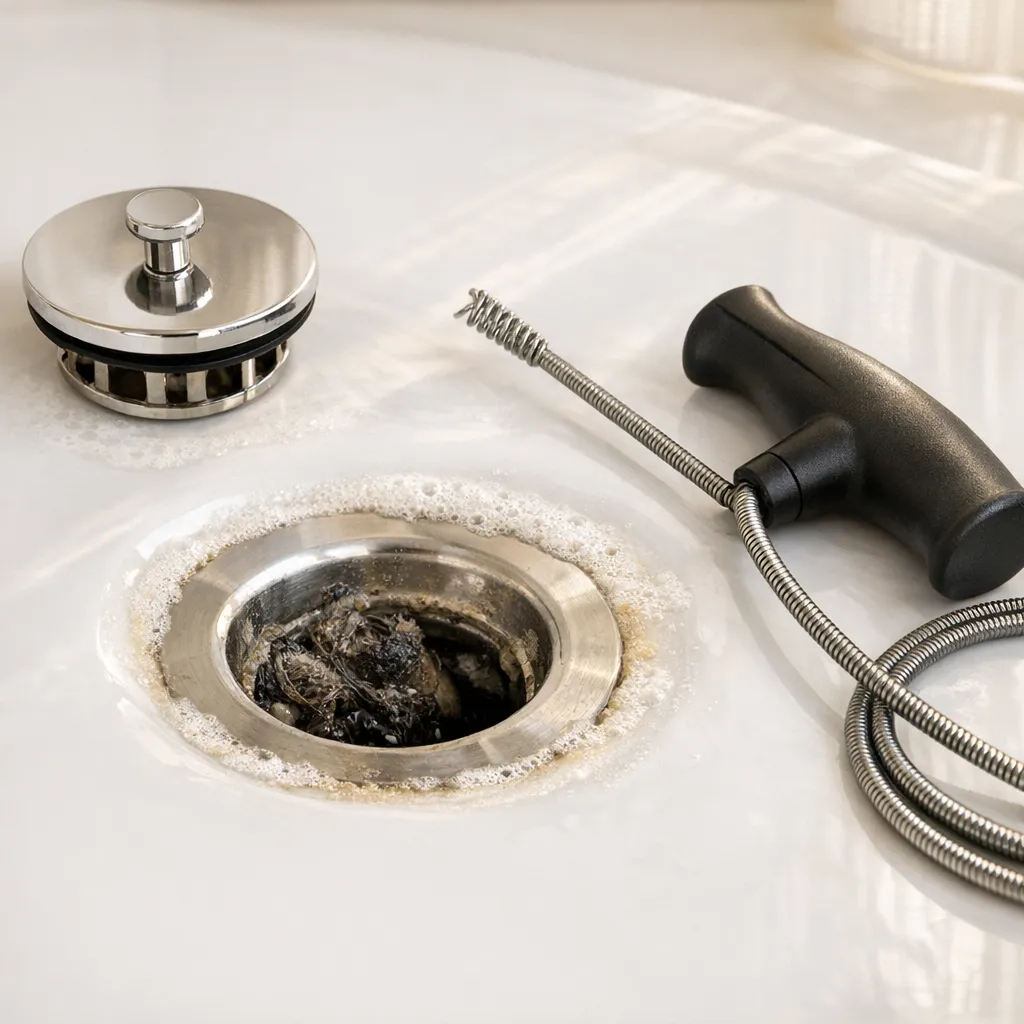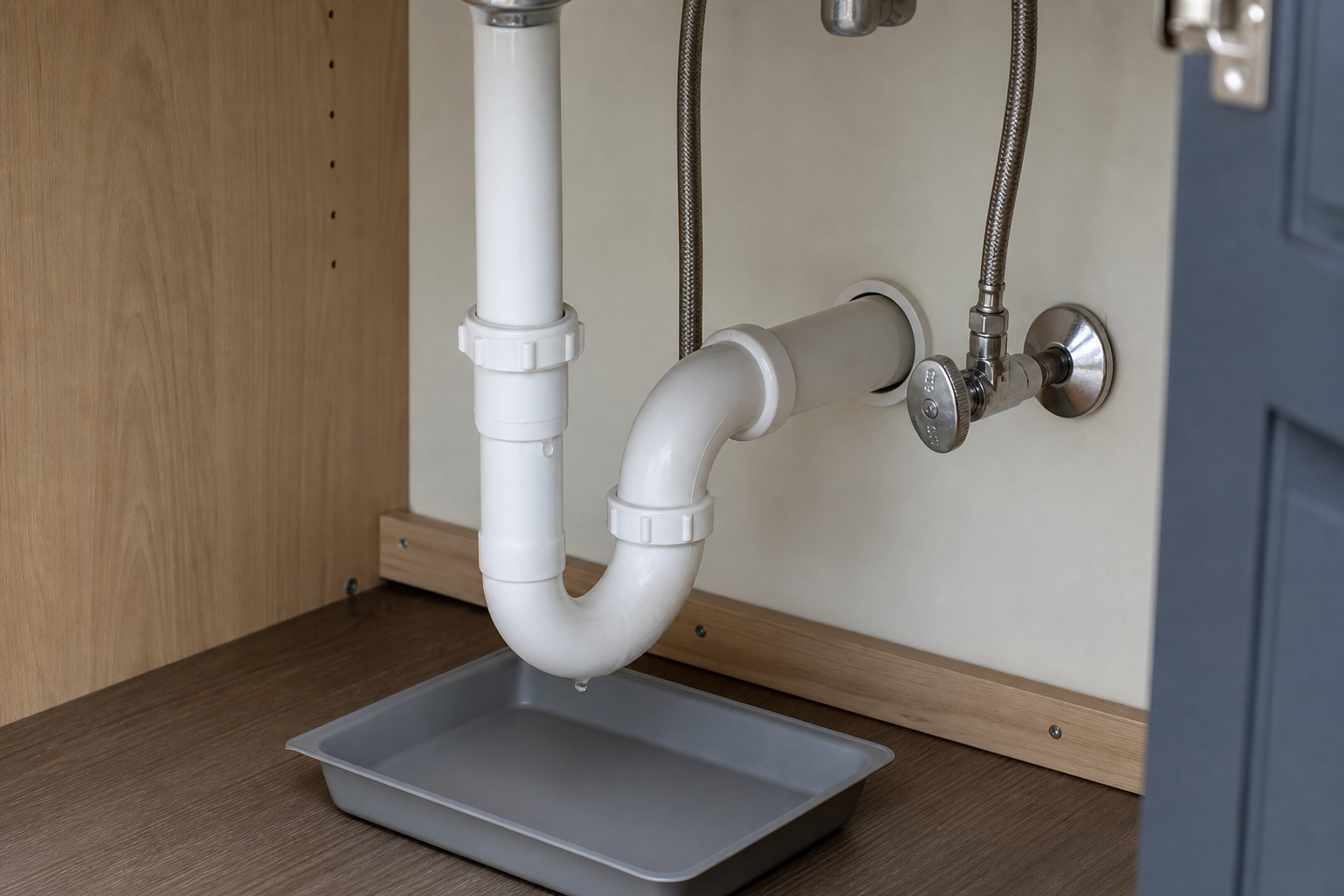
> San Antonio Local Insight: Hard water mineral deposits (21 gpg from Edwards Aquifer) affect toilet components, garbage disposals, and fixtures throughout local homes. Scale buildup causes premature wear, reduces performance, and creates problems that soft-water cities rarely see. Regular descaling maintenance is essential for San Antonio plumbing.
Measure the Room Before Comparing Toilets
In a compact Westover Hills or Alamo Ranch bath, measure from the finished wall—not the baseboard—to the closet-bolt center. Most toilets use a 12-inch rough-in, but 10- and 14-inch models exist. Also measure the door swing, vanity clearance, side clearance, and the space needed to remove the tank lid. A round-front bowl can save two to three inches; a compact elongated model can preserve comfort without blocking the walkway.
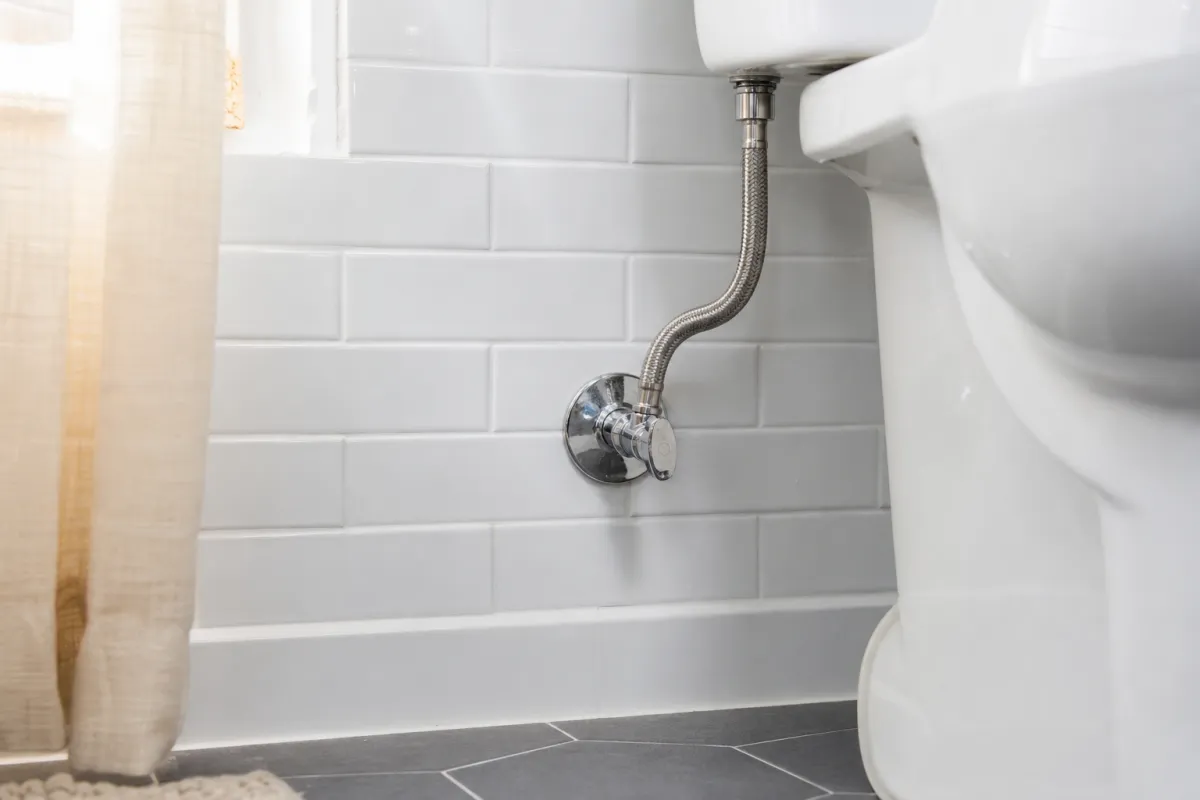
Hard water from the Edwards Aquifer is roughly 357 mg/L, or 21 gpg. Choose a toilet with an accessible, replaceable fill valve and a glazed trapway, then clean mineral deposits with manufacturer-approved products rather than abrasive tools. Test the existing supply stop gently. If it is crusted or will not shut completely, stop the DIY work and isolate the house supply.
Expect about $300–$800 for a typical San Antonio toilet and installation, with compact or wall-hung designs often costing $700–$2,000 before wall repairs. A hidden flange problem can add $150–$450. That range is more useful than shopping by bowl price alone because it includes the conditions that determine whether the fixture fits and seals safely.
Why the Right Toilet Matters
The toilet is one of the most frequently used fixtures in any home. In a small bathroom, the right choice can make a significant difference in terms of space, comfort, and style. A well-chosen toilet not only optimizes the available area but can also contribute to better water efficiency and ease of maintenance.
When selecting a toilet, you should consider factors like size, height, water efficiency, and style. The right toilet can transform a cramped space into a more functional and visually pleasing area, making it essential to invest time in your decision.
What to Check First
Before diving into the various options, it’s crucial to assess your current bathroom setup. Here are some key considerations:
Measure Your Space
Start by measuring the area where the toilet will be installed. Pay attention to the distance from the wall to the center of the toilet flange, typically 12 inches for standard toilets. For smaller bathrooms, compact models may be necessary, which can require only 10 inches of space.
Analyze Existing Plumbing
Understanding your existing plumbing setup is vital. Check the water supply line and waste pipe location, as these will determine the type of toilet you can install. If your plumbing is outdated or requires modifications, consider whether you are prepared for that additional work.
Consider Your Needs
Think about the needs of your household. If you have children or elderly family members, you might want to consider a toilet with a higher seat for comfort and ease of use. Additionally, consider whether you prefer a standard height toilet or a comfort height model, which is about 2 inches taller.
Best Options for Small Bathrooms
Here are some of the best toilet options for small bathrooms, along with their trade-offs:
1. Compact Toilets
Compact toilets are designed specifically for small spaces. They usually feature a smaller footprint and are shorter in height. Brands like Toto and Kohler offer models that fit this category well.
Trade-offs: While they save space, compact toilets may sacrifice some comfort. If you have taller family members, a compact model may not be the best choice.
2. Wall-Mounted Toilets
Wall-mounted toilets are a stylish option that can save valuable floor space. The tank is concealed within the wall, allowing for a sleek appearance and easier cleaning underneath.
Trade-offs: Installation can be more complex and may require professional help. Additionally, wall-mounted toilets can be more expensive upfront.
3. One-Piece Toilets
One-piece toilets combine the tank and bowl into a single unit, often resulting in a more streamlined design. These toilets can save space and are easier to clean.
Trade-offs: One-piece toilets can be heavier and more challenging to install. They may also be pricier than traditional two-piece models.
4. Dual-Flush Toilets
If water conservation is a priority, consider dual-flush toilets, which offer two flushing options—one for liquid waste and another for solid waste. This feature can significantly reduce water usage.
Trade-offs: While they promote water efficiency, dual-flush toilets may have a higher upfront cost and can require more maintenance if not installed correctly.
5. Corner Toilets
Corner toilets are an innovative solution for extremely tight spaces. They are designed to fit into corners, maximizing available square footage.
Trade-offs: Corner toilets can be less comfortable due to their design and may require more effort to find replacement parts.
Mistakes to Avoid
When selecting a toilet for your small bathroom, avoid these common pitfalls:
1. Underestimating Size
Many homeowners overlook the importance of size. A toilet that is too large can make a small bathroom feel cramped. Always measure your space before purchasing.
2. Ignoring Water Efficiency
Opting for an outdated model can lead to higher water bills. Look for toilets with the WaterSense label, which indicates they use at least 20% less water than standard models.
3. Neglecting Comfort
Don’t just focus on size; consider comfort as well. A toilet that is too low can be challenging for older adults or those with mobility issues.
4. Skipping Installation Prep
Failing to prepare for installation can lead to unexpected costs. Ensure you have the necessary tools and materials, and consider hiring a pro if you’re unsure about the process.
5. Overlooking Style
While functionality is crucial, don’t forget about aesthetics. Choose a design that complements your bathroom's overall style to create a cohesive look.
When to Escalate Beyond DIY
While many toilet installations can be handled as DIY projects, some situations warrant professional help. Consider calling a plumber if:
1. You Encounter Plumbing Issues
If you notice leaks or have outdated plumbing, it’s best to consult a professional. They can assess the situation and ensure everything is up to code.
2. You’re Uncomfortable with Electrical Work
If your toilet requires electrical connections (for features like heated seats), it's safer to hire a licensed electrician.
3. You Need Structural Modifications
If your toilet installation requires moving walls or plumbing, it’s essential to seek professional help to avoid potential structural damage.
4. You’re Unsure About Local Codes
Local building codes can vary, and a professional will ensure your installation meets all necessary regulations.
FAQ
1. What is the standard height for a toilet?
The standard height for a toilet is typically around 15 inches from the floor to the seat. Comfort height toilets are about 17-19 inches high.
2. How much does it cost to install a toilet?
Installation costs can vary widely; typically, you can expect to pay between $100 to $300 for professional installation, depending on your location and the complexity of the job.
3. Can I install a toilet myself?
Yes, if you are comfortable with basic plumbing and have the necessary tools, you can install a toilet yourself. However, if you encounter any complications, it’s wise to call a professional.
4. What are the benefits of a dual-flush toilet?
Dual-flush toilets offer two flushing options, which can save water and reduce utility bills. They are especially beneficial in households with high water usage.
5. How do I maintain my toilet?
Regular maintenance includes cleaning the bowl, checking for leaks, and ensuring that the tank components are functioning correctly. Consider using a toilet cleaner designed to prevent stains and buildup.
Quick Reference Checklist
| Consideration | Details |
|---|---|
| Measure Space | Ensure adequate space for the toilet footprint. |
| Analyze Plumbing | Check existing water supply and waste lines. |
| Choose the Right Style | Consider compact, wall-mounted, or one-piece models. |
| Prioritize Water Efficiency | Look for WaterSense labeled toilets. |
| Assess Comfort Needs | Choose height based on household needs. |
| Prepare for Installation | Gather necessary tools and materials. |
| Know When to Escalate Beyond DIY | Consult for plumbing issues or structural changes. |
Finding the best toilet for a small bathroom involves careful consideration of space, style, and functionality. By following this guide, you can make an informed decision that enhances both the utility and beauty of your bathroom.
Why This Is Different in San Antonio
San Antonio's Edwards Aquifer supplies some of the hardest municipal water in the United States: about 357 mg/L, or 21 grains per gallon. That limestone-filtered groundwater carries calcium carbonate and magnesium into our fixtures, valves, drains, heaters, and supply lines. For best toilet for small bathroom, that matters because mineral deposits grind down seals, cartridges, fill valves, supply stops, spray arms, and small water passages faster than many generic guides assume.
- Scale buildup makes small restrictions worse, especially at cartridges, aerators, shutoff valves, drains, and heater connections.
- Fixtures, pipes, and appliances in our area can wear out 30-50% faster than in soft-water cities when maintenance is delayed.
- SAWS publishes annual water quality reports, but the practical homeowner takeaway is simple: maintenance intervals here should be shorter than national advice suggests.
Homes in Westover Hills and Alamo Ranch are particularly affected because newer PEX-heavy construction still sees fixture wear from 21 gpg hard water. Unlike cities with naturally soft water, local homeowners should treat hard-water maintenance as normal prevention, not an upsell.
> "In my 20 years working in San Antonio, I would say most surprise plumbing failures I see start with homeowners following soft-water maintenance advice in a hard-water city." — Licensed local plumber
What San Antonio Homeowners Pay (2026)
| Service | Typical Cost in San Antonio |
|---|---|
| Toilet replacement (labor + unit) | $300–$800 |
| Drain cleaning | $150–$350 |
| Plumber hourly rate | $85–$150/hr |
Prices are based on local metro area ranges for 2026. Costs may vary by neighborhood, access, pipe material, after-hours timing, and whether the plumber finds hard-water damage beyond the visible problem.
When to Call a San Antonio Plumber
Call a licensed local plumber if the problem involves active leaking, a shutoff valve that will not close, sewer smell, recurring clogs, water near electrical components, a water heater leak, or any pipe inside a wall, ceiling, or slab. Locally, expect many licensed plumbers to charge roughly $85-$150 per hour, with emergency visits commonly around $150-$350 and after-hours calls closer to $250-$500.
When you call, ask three local questions:
1. Are you licensed and insured for work in Bexar County or the surrounding local metro?
2. Have you dealt with Edwards Aquifer hard-water scale on this type of repair?
3. Should I also check the water heater, shutoff valves, or water softener while you are there?
local plumbers see hard-water issues every week, so a good pro should be able to explain whether the failure is normal wear, mineral damage, freeze damage from a cold snap like Winter Storm Uri, or a sign of a larger plumbing system problem.
San Antonio FAQ
Is San Antonio water hard?
Yes. San Antonio water is very hard at about 357 mg/L, or 21 grains per gallon, because much of it comes from the Edwards Aquifer and passes through limestone. That mineral content is why scale shows up quickly on faucets, showerheads, valves, drains, and water heaters.
Do local homes need a water softener?
A water softener is recommended for many local homes, especially if you see white scale, repeated faucet or valve problems, short water-heater life, or cloudy spots on dishes. A typical whole-home water softener installation in San Antonio runs about $1,500-$4,000.