> San Antonio Local Insight: Drain and sink clogs in San Antonio are different from other cities. Edwards Aquifer hard water (357 mg/L) deposits white calcium scale inside pipes that traps hair, grease, and soap more aggressively. Standard drain cleaners often fail because they dissolve organic matter but not mineral buildup. local homes need descaling-specific methods.
Match the Method to the Sink
A slow bathroom basin in Helotes usually holds hair, soap, and Edwards Aquifer scale; a kitchen sink more often combines grease and food with that same 357 mg/L (21 gpg) mineral load. Remove the stopper and inspect the trap before assuming the blockage is deep. If both bowls or another nearby fixture drain slowly, stop treating it as a single-sink problem—the branch line may need mechanical cleaning.
Use a cup plunger, a hand snake, or a carefully removed P-trap in that order. Do not mix bleach, acid, or caustic opener, and tell a plumber exactly what entered the drain. A basic San Antonio drain call generally runs $150–$350; a camera inspection often adds $200–$400 when symptoms point beyond the trap. SAWS guidance to keep fats, oils, and grease out of drains is especially practical here because mineral texture gives those materials a place to collect.
A homeowner in Helotes should be especially careful because well-water and edge-of-system supply can make mineral scale show up even faster. If you are comparing advice from national repair guides, shorten the maintenance interval and inspect for white scale, crusted fittings, stiff shutoff valves, and early corrosion before assuming the part simply “got old.”
For budgeting, use local pricing instead of national averages: drain cleaning usually runs $150-$350, and a sewer camera inspection is commonly $200-$400. If the issue appears after a summer high-use period or after a rare freeze like Winter Storm Uri, treat it as a local risk signal and document what you see before calling a licensed plumber in Bexar County.
A slow or completely blocked sink is usually caused by material collected close to the drain: hair and soap in a bathroom, or grease and food residue in a kitchen. The best way to unclog a sink is to begin with the least aggressive method, identify whether the blockage affects one fixture or several, and escalate only as needed. Remove visible debris, use a plunger, clean the stopper or trap, and then use a hand-operated drain snake if the clog remains.
Do not keep running water into a sink that will not drain. If water is near an outlet, appliance cord, garbage-disposal connection, or under-sink wiring, stop using the area and disconnect power at the breaker only if you can do so without entering water. Multiple backed-up fixtures, sewage odor, dirty water rising elsewhere, or a recurring clog usually calls for a licensed plumber rather than another bottle of drain cleaner.
First, determine what kind of clog you have
A clog limited to one sink is commonly in that fixture’s stopper, trap, or nearby branch drain. A bathroom basin that drains slowly and holds a dark ring around the stopper often contains hair mixed with soap. A kitchen sink that slows after washing greasy cookware may have a soft grease deposit that has trapped food particles. If a double-bowl kitchen sink backs up on both sides, the restriction is generally downstream of the point where the bowls join.
Test cautiously rather than filling the basin. Run a small amount of water and watch how quickly it disappears. Then check another nearby fixture. If the sink gurgles when a toilet flushes, water rises in a tub, or several drains are slow, the problem may involve a larger branch or the building drain. Stop testing when wastewater appears; repeated flushing can turn a manageable blockage into an overflow and hidden water damage.
Make the area safe before opening anything
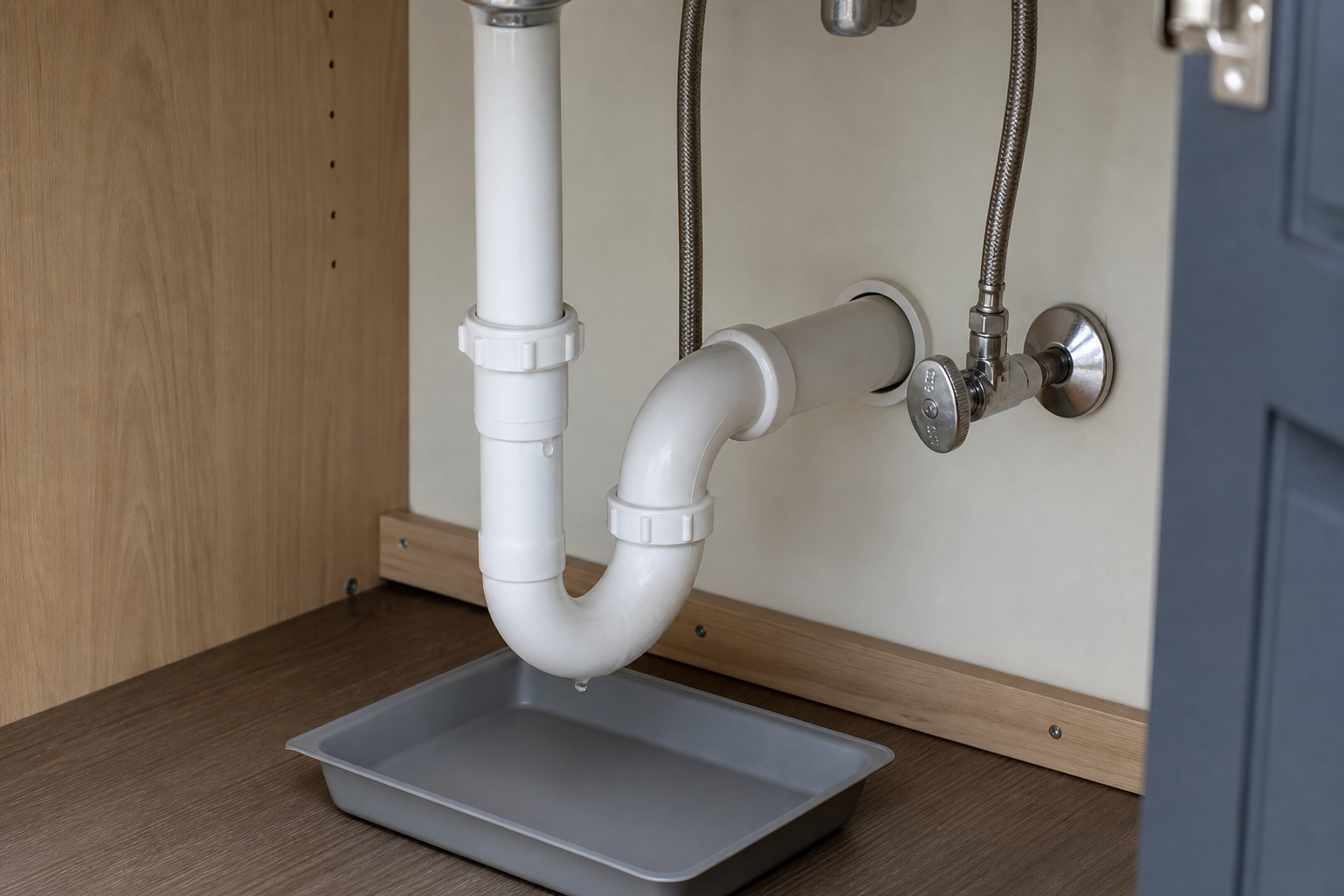
Clear everything from the cabinet and place a shallow pan and absorbent towels under the plumbing. If the sink has been filled with a chemical drain opener, do not plunge it or dismantle the trap: caustic liquid can splash onto skin and eyes. Tell any plumber exactly what was used. Wear eye protection and chemical-resistant gloves when handling standing drain water, and wash tools afterward.
Know the nearby shutoffs, although closing faucet supply valves does not stop drain water from spilling out of the trap. For a garbage disposal, switch off its circuit at the breaker and verify that it cannot start before reaching near the opening; never place a hand inside it. If water has contacted an outlet or wiring, leave the wet area and seek qualified electrical help. A drain clog is inconvenient, but it is not worth an electrical shock or chemical burn.
Remove standing water and inspect the drain opening
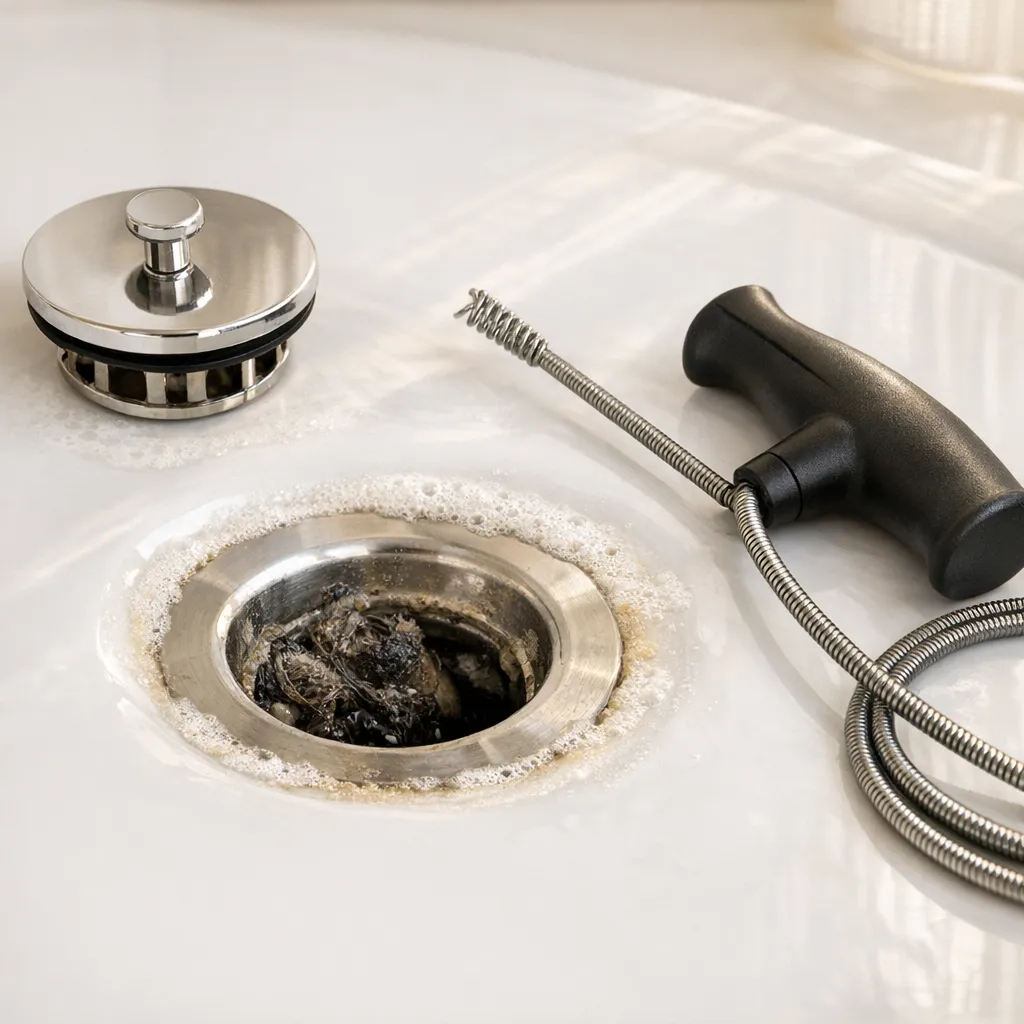
Scoop standing water into a bucket so you can see and work without splashing. Lift out a removable strainer and pull away visible debris with tongs or a dedicated plastic drain tool. Bathroom pop-up stoppers often trap a dense collar of hair immediately below the flange. Some lift straight out; others are retained by a pivot rod behind the drainpipe. Photograph the linkage before disassembly so it returns in the same order.
Clean the stopper with dish soap and a small brush, then shine a flashlight into the opening. Do not push a solid mass farther down with a screwdriver. If the blockage is visible, grasp and lift it. This simple inspection resolves many bathroom clogs and gives useful evidence even when it does not. A clean opening with water still standing suggests the restriction is deeper, so move to controlled pressure rather than pouring random products together.
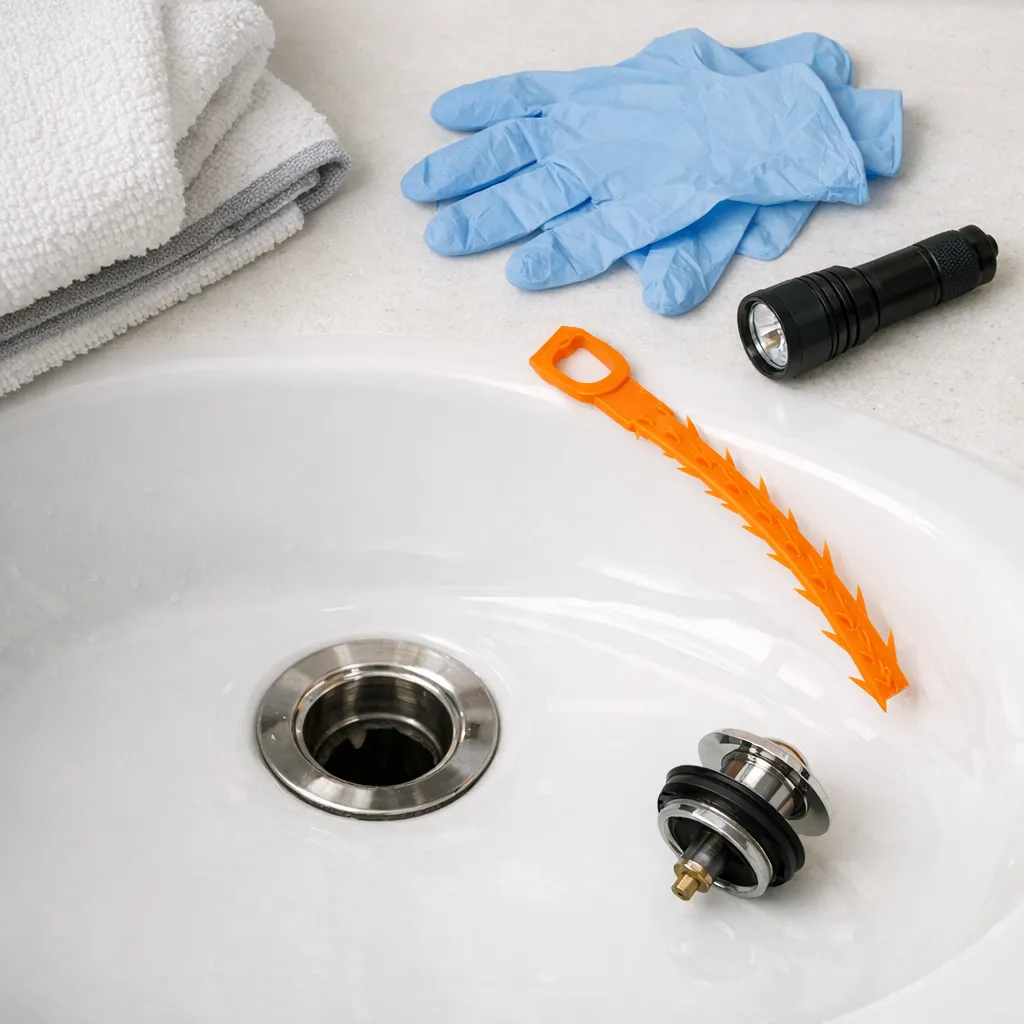
Use a sink plunger with a proper seal
A small flat-bottom cup plunger is more suitable for a sink than a toilet flange plunger. Add enough water to cover the cup. On a bathroom basin, seal the overflow opening with a wet cloth; otherwise pressure escapes through that passage. On a double kitchen sink, firmly plug the second drain. Position the cup squarely, press gently at first to expel air, and make a series of steady strokes while keeping the seal intact.
After several strokes, lift the plunger and see whether the water drains. Remove debris that comes up rather than sending it down again. Repeat once or twice if flow improves. Stop if joints under the sink begin leaking, the pressure forces dirty water into another fixture, or nothing changes. Violent plunging can separate loose slip-joint plumbing and is especially unsafe when chemical cleaner is present.
Clean the P-trap without damaging the plumbing
The curved pipe under the sink holds water to block sewer gas and is a common collection point for objects and sludge. Put a pan beneath it. On typical plastic slip-joint plumbing, loosen the two nuts by hand or with gentle pressure from adjustable pliers. Support the trap as the second nut comes free, then lower it into the pan. Note the direction of each tapered washer so reassembly is correct.
Empty and clean the trap using a flexible brush in a utility area, not another sink that could clog. Check for corrosion, cracks, distorted washers, or a ring that fell into the trap. Refit the components without cross-threading; plastic nuts generally need hand tightening plus only a slight additional turn if they seep. Run a small amount of water while watching every connection, then fill and release the basin to test under greater flow.
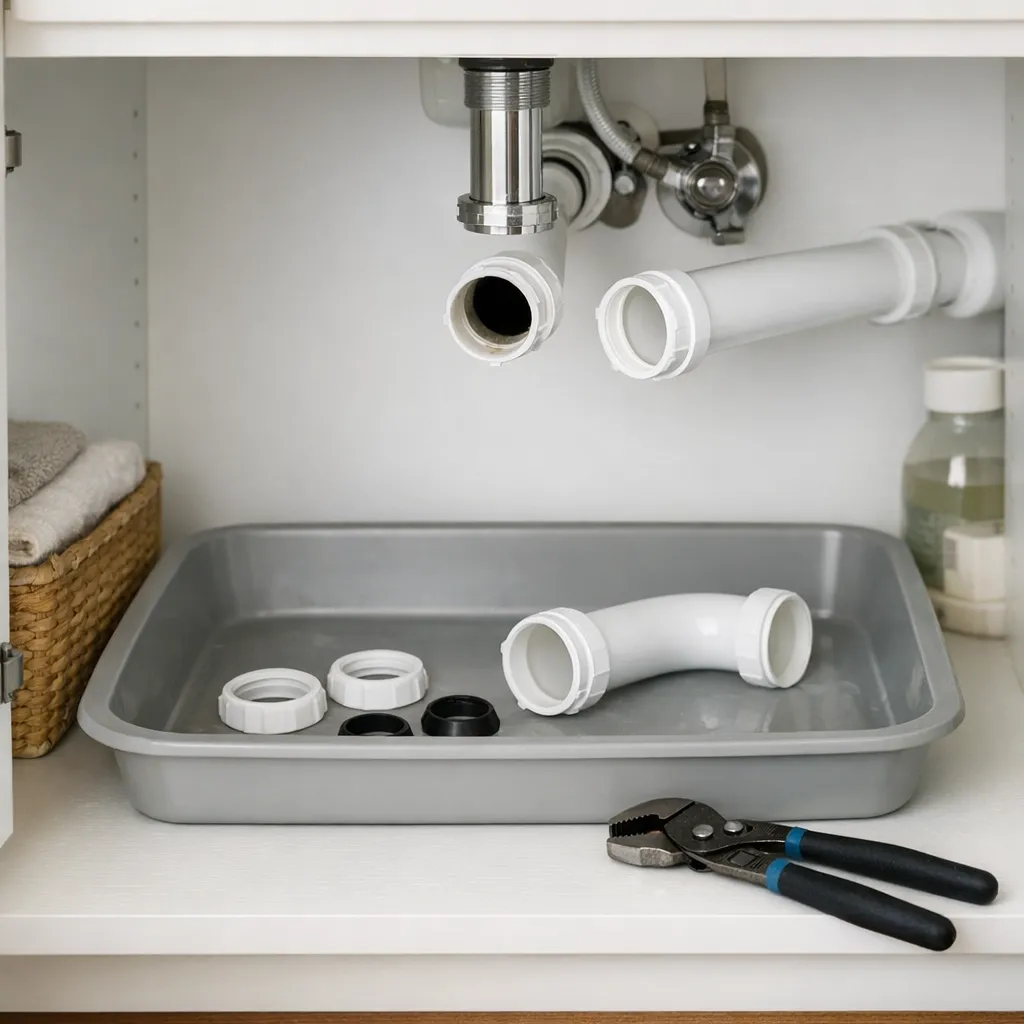
Snake the branch drain carefully
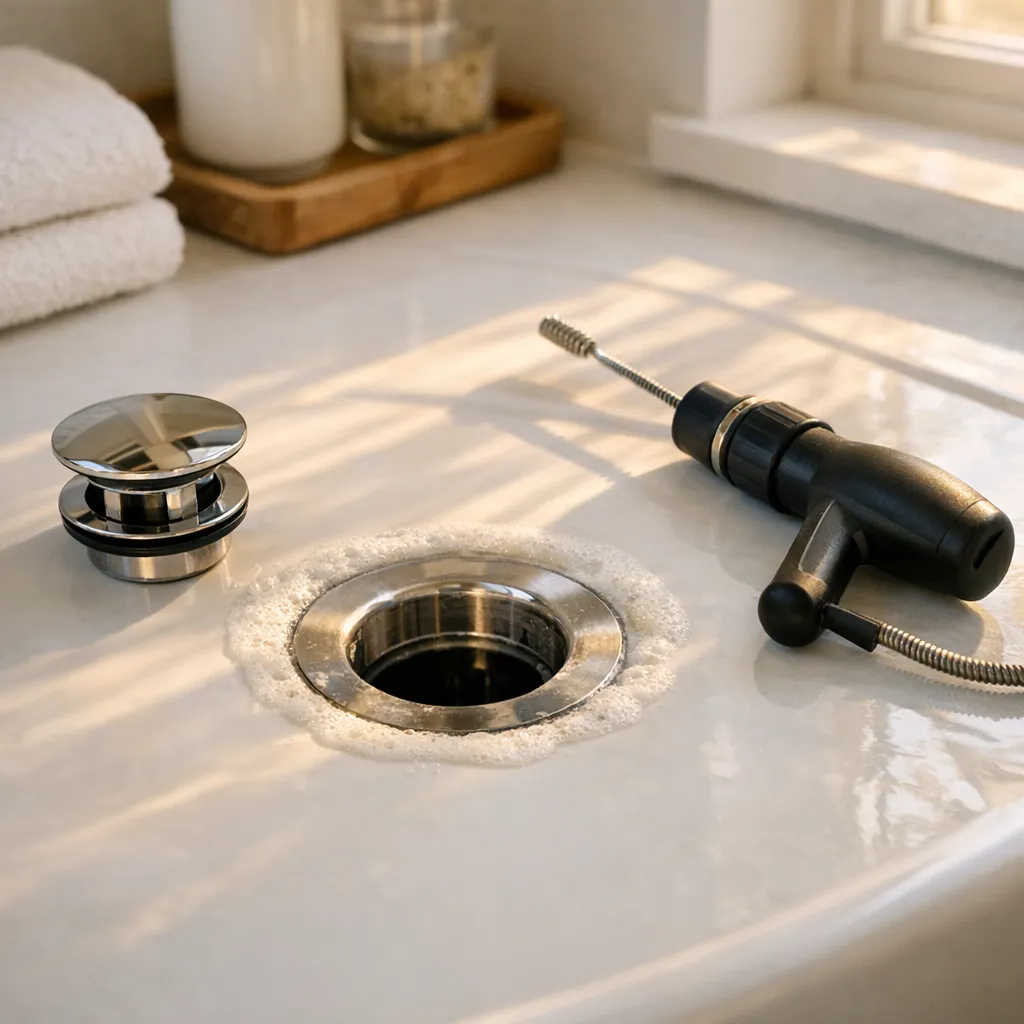
If the trap is clear, the blockage may be in the pipe entering the wall. With the trap removed and a bucket in place, feed a hand-operated drum auger into that pipe. Advance it gradually while rotating the drum in the direction recommended by its manufacturer. When resistance appears, avoid forcing the cable; work it back and forth to bore through or retrieve the obstruction. Pull it out slowly and wipe the cable as it returns.
A hand auger is appropriate for a nearby soft clog, but it has limits. Stop if the cable will not advance, repeatedly catches at the same distance, comes back coated with soil, or the wall connection moves. Powered drain machines can injure hands and damage old pipe when used without training. Reassemble the trap and leak-test it before normal use. If flow remains poor, a plumber can locate the restriction and choose the right cable head or inspection method.
Choose household products—and avoid risky combinations
Hot tap water with a small amount of dish soap may help move a light grease film, but boiling water can soften some plastic piping, stress porcelain, or damage seals. Baking soda and vinegar create visible fizz, yet the reaction is not a reliable way to remove a compacted hair or grease clog. Enzyme-based maintenance products may digest some organic residue over time, but they are not an emergency solution for a basin full of water.
Avoid mixing cleaners under all circumstances. Bleach, acids, ammonia, and caustic drain openers can produce toxic gas, heat, or violent splashing when combined. Chemical openers may also remain trapped behind the clog and create a hazard during later disassembly. Mechanical removal gives you more control and confirms what was blocking the line. Follow the plumbing-fixture and product manufacturers’ instructions whenever a treatment is used.
Know when the problem is beyond one sink
Call a plumber promptly when several fixtures are affected, wastewater returns through another drain, or there is a persistent sewage odor. Those signs can indicate a blocked branch, main drain, venting fault, or damaged pipe. Also seek help for repeated clogs that return soon after cleaning; recurring symptoms may reflect heavy scale, a sagging line, root intrusion, poor pipe slope, or an object that a small snake cannot remove.
An urgent response is warranted if water is spreading into cabinets, walls, flooring, or a room below. Shut off water use in the affected area and protect possessions without touching wet electrical equipment. For an isolated clog, a plumber may clear and test the line. For recurring trouble, ask how the diagnosis was confirmed and whether camera inspection is appropriate rather than assuming that replacing pipe is automatically necessary.
Prevent the next sink blockage
In the kitchen, scrape plates into the trash or compost before washing and collect cooking grease in a container instead of pouring it down the drain. A basket strainer catches food scraps, but it must be emptied regularly. Even with a garbage disposal, feed small amounts with the manufacturer-recommended water flow and avoid fibrous, expandable, or greasy waste that can collect downstream.
In bathrooms, use a hair catcher and clean the stopper before drainage noticeably slows. Keep small caps and jewelry away from the basin. Once a month, inspect the cabinet for moisture, staining, or swollen material, and confirm that slip nuts are dry. Early attention to a slight slowdown is easier than handling a basin full of contaminated water.
| Symptom | Sensible first step | Stop DIY when |
|---|---|---|
| Hair visible at bathroom stopper | Remove and clean stopper | Parts are corroded or inaccessible |
| One sink drains slowly | Plunge, then inspect trap | Chemicals are already in the drain |
| Both kitchen bowls back up | Seal one side and plunge the other | Water appears in another fixture |
| Trap is clear but sink is slow | Use a small hand auger | Cable jams or wall pipe moves |
| Several fixtures are slow | Minimize water use | Arrange professional drain diagnosis |
Frequently asked questions
What is the fastest safe method for most sink clogs?
Removing visible debris and using a properly sealed sink plunger are the fastest low-risk starting points. They require no chemical reaction and do not require opening plumbing. If that fails, cleaning the P-trap is often the next practical step for an isolated sink.
Can I pour boiling water into a clogged sink?
It is better to use hot tap water rather than boiling water. Very high heat can affect plastic piping, seals, some sink finishes, and a cold porcelain fixture. Hot water also will not remove hair or a solid object, so identify the likely clog first.
Why does my sink clog again after I clear it?
The first attempt may have opened only a narrow path through a larger deposit. Recurrence can also come from grease buildup, scale, an incorrectly sloped pipe, a partial obstruction farther down, or habits that continually add hair and food residue. Frequent recurrence deserves a more complete inspection.
Should I use a chemical drain opener before calling a plumber?
Not necessarily. A chemical product can remain in standing water, expose the person opening the trap, and complicate professional work. Mechanical methods are generally more controlled. If you already used a cleaner, stop adding products and disclose its name to the plumber.
How can I tell whether the main drain is blocked?
No single symptom proves it, but multiple slow fixtures, a toilet that affects a tub or shower, wastewater at a low drain, and gurgling across rooms are strong reasons to stop using water and request professional diagnosis. A single slow basin is more likely to be local.
The best way to unclog a sink is a measured sequence: inspect, remove visible material, plunge, clean the trap, and use a hand auger only when appropriate. That order limits damage, avoids chemical hazards, and makes it easier to recognize when the issue belongs in professional hands.
Why This Is Different in San Antonio
San Antonio's Edwards Aquifer supplies some of the hardest municipal water in the United States: about 357 mg/L, or 21 grains per gallon. That limestone-filtered groundwater carries calcium carbonate and magnesium into our fixtures, valves, drains, heaters, and supply lines. For best way to unclog a sink, that matters because calcium scale roughens the inside of drains, so hair, grease, soap film, and food debris catch more aggressively than they do in soft-water cities.
- Scale buildup makes small restrictions worse, especially at cartridges, aerators, shutoff valves, drains, and heater connections.
- Fixtures, pipes, and appliances in our area can wear out 30-50% faster than in soft-water cities when maintenance is delayed.
- SAWS publishes annual water quality reports, but the practical homeowner takeaway is simple: maintenance intervals here should be shorter than national advice suggests.
Homes in Helotes are particularly affected because well-water and edge-of-metro systems can be even harder than SAWS city supply. Unlike cities with naturally soft water, local homeowners should treat hard-water maintenance as normal prevention, not an upsell.
> "San Antonio drains do not just fight hair and grease. The mineral scale gives debris something to grab onto, so clogs become stubborn faster." — Licensed local plumber
What San Antonio Homeowners Pay (2026)
| Service | Typical Cost in San Antonio |
|---|---|
| Drain cleaning | $150–$350 |
| Sewer line camera inspection | $200–$400 |
| Emergency plumber call | $150–$350; after hours $250–$500 |
Prices are based on local metro area ranges for 2026. Costs may vary by neighborhood, access, pipe material, after-hours timing, and whether the plumber finds hard-water damage beyond the visible problem.
When to Call a San Antonio Plumber
Call a licensed local plumber if the problem involves active leaking, a shutoff valve that will not close, sewer smell, recurring clogs, water near electrical components, a water heater leak, or any pipe inside a wall, ceiling, or slab. Locally, expect many licensed plumbers to charge roughly $85-$150 per hour, with emergency visits commonly around $150-$350 and after-hours calls closer to $250-$500.
When you call, ask three local questions:
1. Are you licensed and insured for work in Bexar County or the surrounding local metro?
2. Have you dealt with Edwards Aquifer hard-water scale on this type of repair?
3. Should I also check the water heater, shutoff valves, or water softener while you are there?
local plumbers see hard-water issues every week, so a good pro should be able to explain whether the failure is normal wear, mineral damage, freeze damage from a cold snap like Winter Storm Uri, or a sign of a larger plumbing system problem.
San Antonio FAQ
Is San Antonio water hard?
Yes. San Antonio water is very hard at about 357 mg/L, or 21 grains per gallon, because much of it comes from the Edwards Aquifer and passes through limestone. That mineral content is why scale shows up quickly on faucets, showerheads, valves, drains, and water heaters.
Do local homes need a water softener?
A water softener is recommended for many local homes, especially if you see white scale, repeated faucet or valve problems, short water-heater life, or cloudy spots on dishes. A typical whole-home water softener installation in San Antonio runs about $1,500-$4,000.