> San Antonio Local Insight: Dishwasher problems in local homes are often caused by hard water scale clogging spray arms, blocking drain valves, and coating heating elements. Whether you need a plumber or appliance technician depends on the specific issue — but mineral buildup from our 21 gpg Edwards Aquifer water is usually the underlying cause.
Local Field Notes Before You Start
A plumber can fix the water supply, shutoff valve, air gap, drain connection, and leak points around a dishwasher. They usually do not repair the control board, pump motor, or appliance electronics. The first step is deciding whether the failure is plumbing, appliance, or both. Edwards Aquifer water is about 357 mg/L, or 21 grains per gallon, so scale, corrosion, and stiff valves should be part of the diagnosis from the start.
A homeowner in Stone Oak should think about house age, access, and whether the symptom points to a fixture, an appliance connection, or a deeper pipe issue. For budgeting, use local numbers: licensed plumber labor commonly runs $85-$150 per hour, and emergency calls often run $150-$350 before after-hours premiums.
What a Plumber Can and Cannot Fix on a Dishwasher
Start with what you can observe safely. Find the shutoff, dry the area, test one function at a time, and avoid taking apart anything that could flood the room if the valve fails. The goal is to understand the failure before buying parts or approving a bigger job.
Common Local Causes
Hard-water scale inside hoses and valves
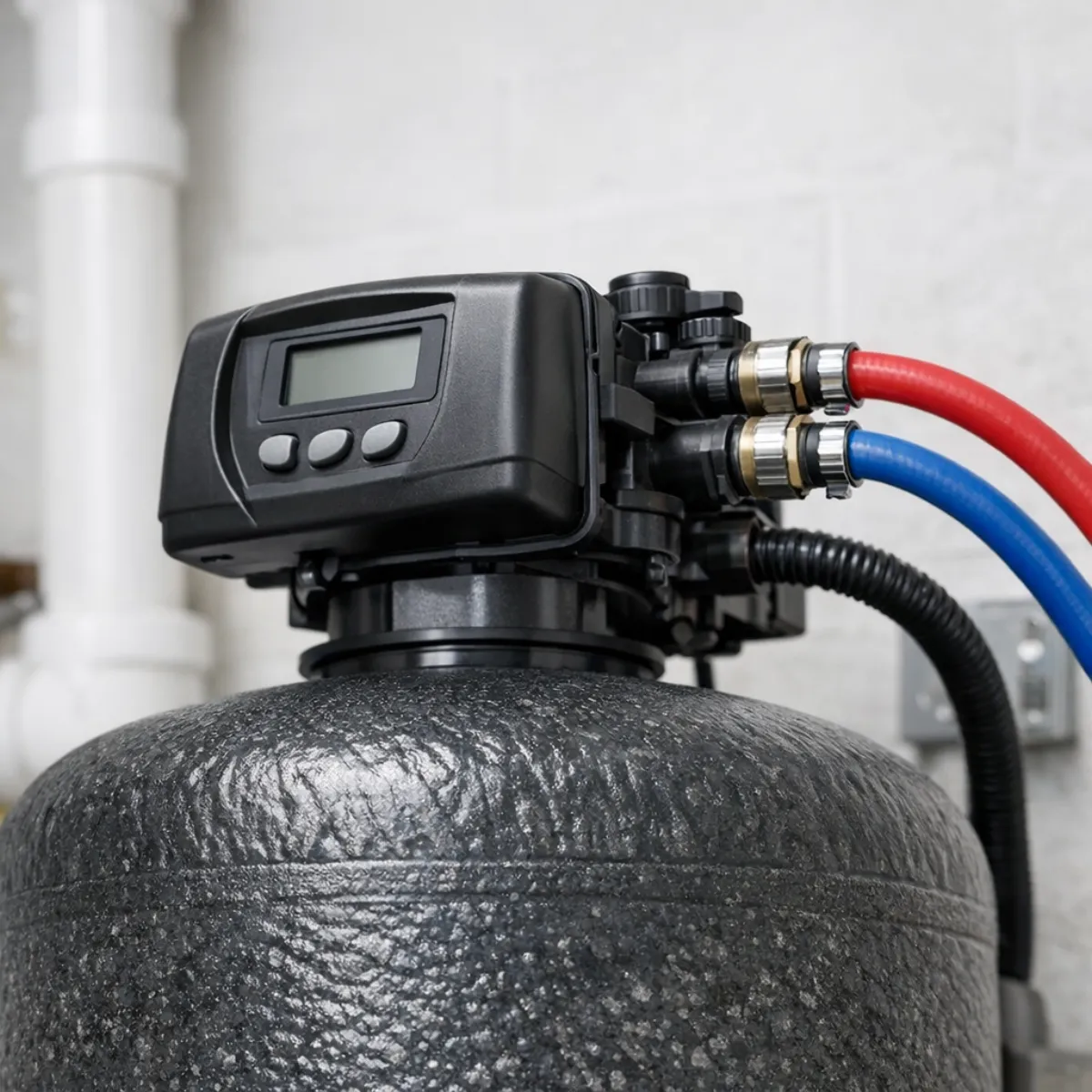
Minerals can restrict the inlet valve, coat spray arms, and make the appliance look weak even when the plumbing supply is fine.
Drain hose or disposal connection problems
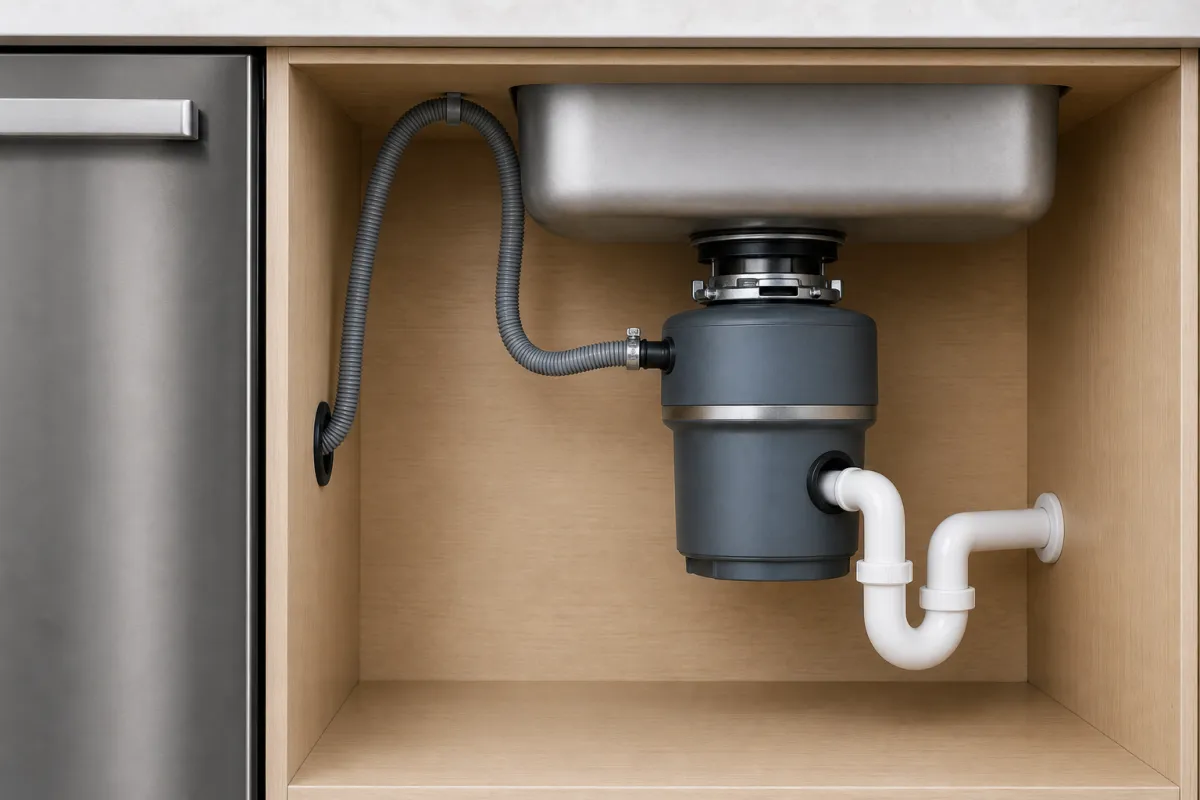
A poor high loop, clogged disposal nipple, or greasy hose can send dirty water back into the unit.
Leaking supply connector
A braided connector or shutoff valve can seep when scale makes the valve hard to operate.
Newer-home installation shortcuts
Stone Oak homes with remodels may have appliance swaps where the drain loop or shutoff location was not ideal.
Safe Homeowner Checks
Take photos before touching anything. Use a flashlight, paper towels, and short water tests instead of guessing. If the shutoff valve is stiff or crusted, do not force it; move upstream to a safer shutoff and include that valve in the repair plan.
DIY vs Paid Repair
DIY is reasonable when the part is visible, inexpensive, and isolated: an aerator, a trap washer, a simple hose connection, or a minor adjustment. A paid repair is smarter when the symptom repeats, the part is behind a wall, the line is corroded, the appliance connection is unclear, or the repair could affect cabinets, tile, flooring, gas, sewer, or electrical safety.
What a Good Local Repair Should Include
A good repair fixes the immediate symptom and explains why it happened. The note should mention scale, pressure, corrosion, installation quality, age, or access—not just “old part.” Keep the invoice and photos because repeated failures in the same area are often the clue that the surrounding valve, connector, or pipe material needs attention.
Prevention That Fits Local Water
Inspect visible valves and connections twice a year. Clean mineral buildup before parts seize. Flush water heaters every six months. After rare freezes, check garages, exterior walls, hose bibs, and cabinets for delayed leaks. During summer, watch fixtures and appliances that get heavier use.
Documentation and Follow-Up
Write down what failed, what was replaced, and whether scale, corrosion, pressure, or installation quality contributed to the issue. Keep photos of the old part and the surrounding connection. If the same fixture, drain, or appliance connection acts up again, those notes help a plumber decide whether the problem is isolated or part of a larger system pattern.
After the repair, check the area the same day, the next morning, one week later, and again after a heavy-use day. Use dry paper towels around joints and under valves because a tiny leak is easier to spot on paper than on a dark cabinet floor. Do not keep tightening a connection that continues to seep; reopen the diagnosis.
Seasonal and Household Factors
Summer water use can expose weak valves, disposal drains, dishwasher connections, and older faucet cartridges. Fall is a good time to inspect exposed plumbing before a cold snap. If an older adult, renter, or busy household cannot check a repaired area daily, place a leak alarm or shallow tray under the most vulnerable spot until the repair has proven stable.
The best repair is not always the most expensive one. It is the one that matches the symptom, the age of the fixture, the water hardness, and the access risk. If a small repair requires repeated service calls, step back and evaluate the surrounding valve, connector, drain arm, or pipe run instead of replacing the same part again.
Why This Is Different in San Antonio
San Antonio's Edwards Aquifer supplies some of the hardest municipal water in the United States at 357 mg/L, or 21 grains per gallon. This means dishwasher plumbing issue problems often involve both the visible symptom and the mineral wear behind it:
- Calcium carbonate and magnesium create rough surfaces where debris and corrosion start.
- Fixtures, valves, pipes, and appliances can wear out 30-50% faster than in soft-water cities.
- SAWS water quality reports are useful, but homeowners still need shorter maintenance intervals at the fixture level.
Homes in Stone Oak are particularly affected because local age, pipe material, and remodel history change the risk profile from house to house.
> "In my 20 years working in San Antonio, the repair that lasts is the one that accounts for hard water, not just the broken part in front of you." — Licensed San Antonio plumber
What San Antonio Homeowners Pay (2026)
| Service | Typical Cost in San Antonio |
|---|---|
| Plumber hourly rate | $85–$150/hr |
| Faucet or supply-line labor | $150–$300 |
| Emergency plumber call | $150–$350; after hours $250–$500 |
| Drain cleaning | $150–$350 |
Prices are based on San Antonio metro area ranges for 2026. Costs may vary by access, pipe material, after-hours timing, and whether mineral damage has spread beyond the visible problem.
When to Call a San Antonio Plumber
Call a licensed San Antonio plumber if you cannot isolate the source, the shutoff valve will not close, water is near electrical components, sewage is involved, multiple fixtures are backing up, or the problem returns after a basic repair. Ask whether they have experience with Edwards Aquifer scale, older Bexar County homes, and the specific pipe or fixture material in your house.
San Antonio FAQ
Is San Antonio water hard enough to change plumbing maintenance?
Yes. Local water is about 357 mg/L, or 21 grains per gallon, which is hard enough to shorten maintenance intervals for fixtures, drains, and water heaters.
Do I need a water softener?
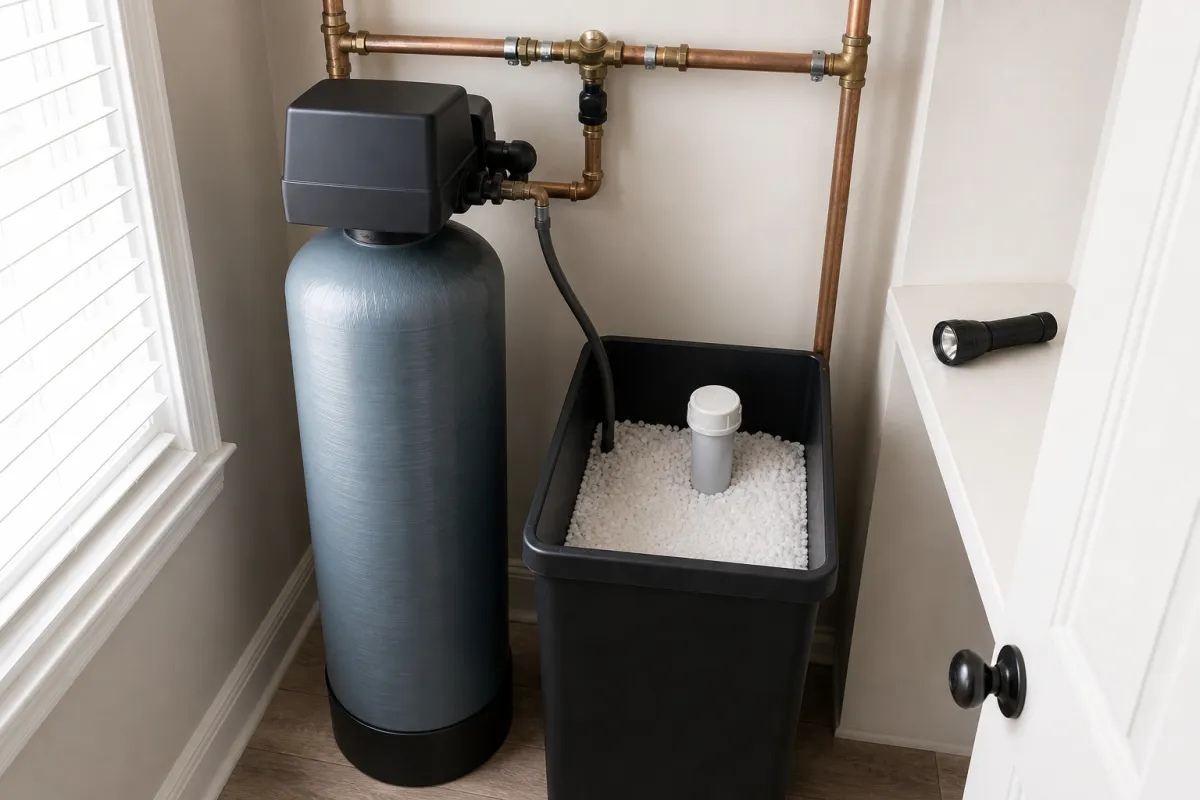
Many homes benefit from one, especially if scale returns quickly, valves get stiff, or water heaters fail early. A whole-home water softener installation commonly runs $1,500-$4,000.
When is this no longer a DIY problem?
It is no longer DIY when water is uncontrolled, access is hidden, the repair involves gas or sewer, the same symptom returns, or a shutoff valve cannot be trusted.