> San Antonio Local Insight: Drain and sink clogs in San Antonio are different from other cities. Edwards Aquifer hard water (357 mg/L) deposits white calcium scale inside pipes that traps hair, grease, and soap more aggressively. Standard drain cleaners often fail because they dissolve organic matter but not mineral buildup. local homes need descaling-specific methods.
Start With the Kind of Clog You Actually Have
Kitchen clogs here are rarely just one wad of food. Water from the Edwards Aquifer measures roughly 357 mg/L, or 21 gpg, so calcium scale leaves a rough lining that holds grease, starch, and soap. In a Medical Center area house with an older galvanized branch or a remodel that joined several pipe materials, repeated plunging may move the soft debris while leaving the mineral restriction behind.
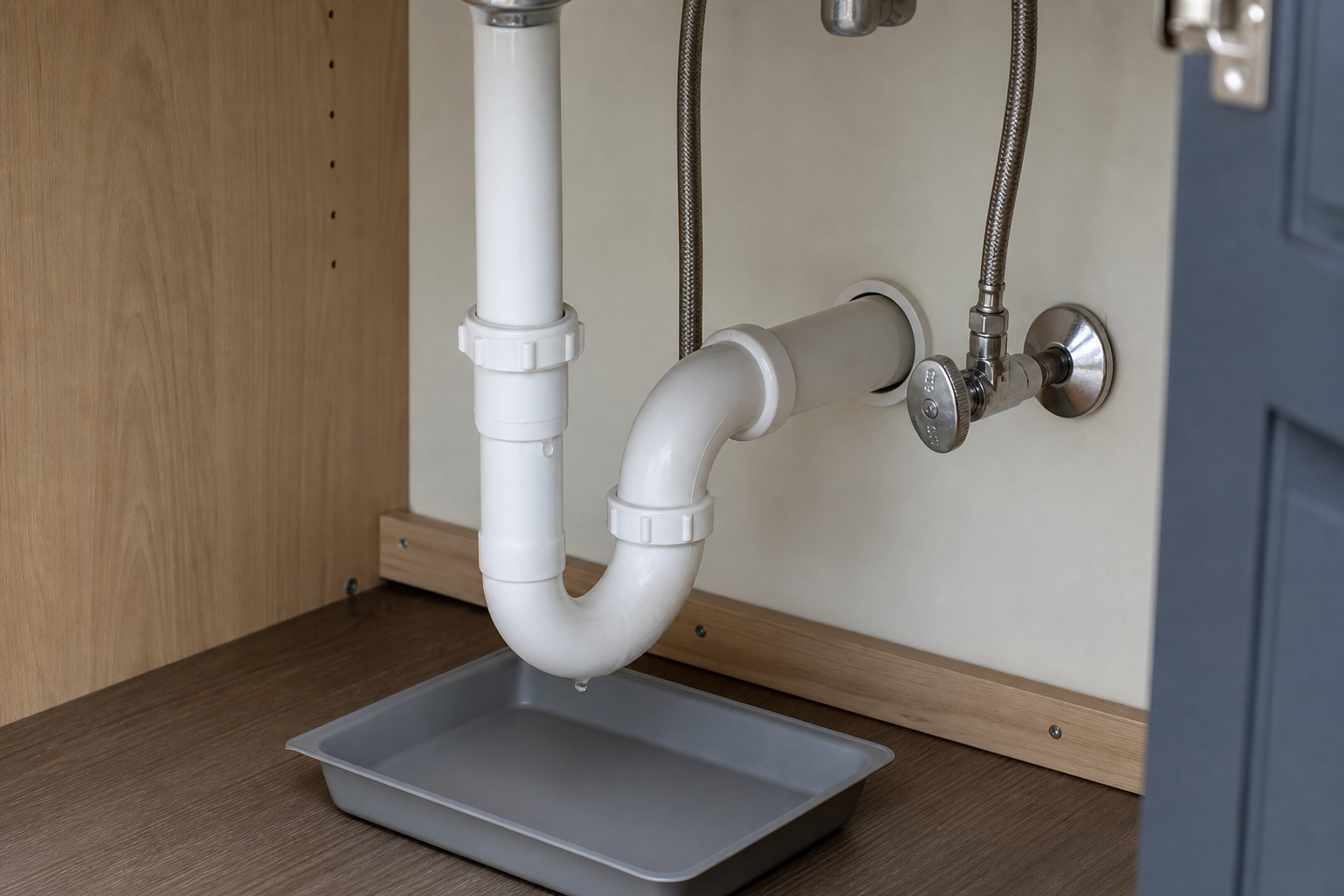
First note whether one basin or both basins are slow, whether the dishwasher causes a backup, and whether another fixture gurgles. Put a towel under the trap and budget $15–$40 for simple DIY supplies. Stop before opening a wall or using a powered cable: a licensed Bexar County plumber typically charges $150–$350 for ordinary drain cleaning, far less than repairing a punctured or separated line.
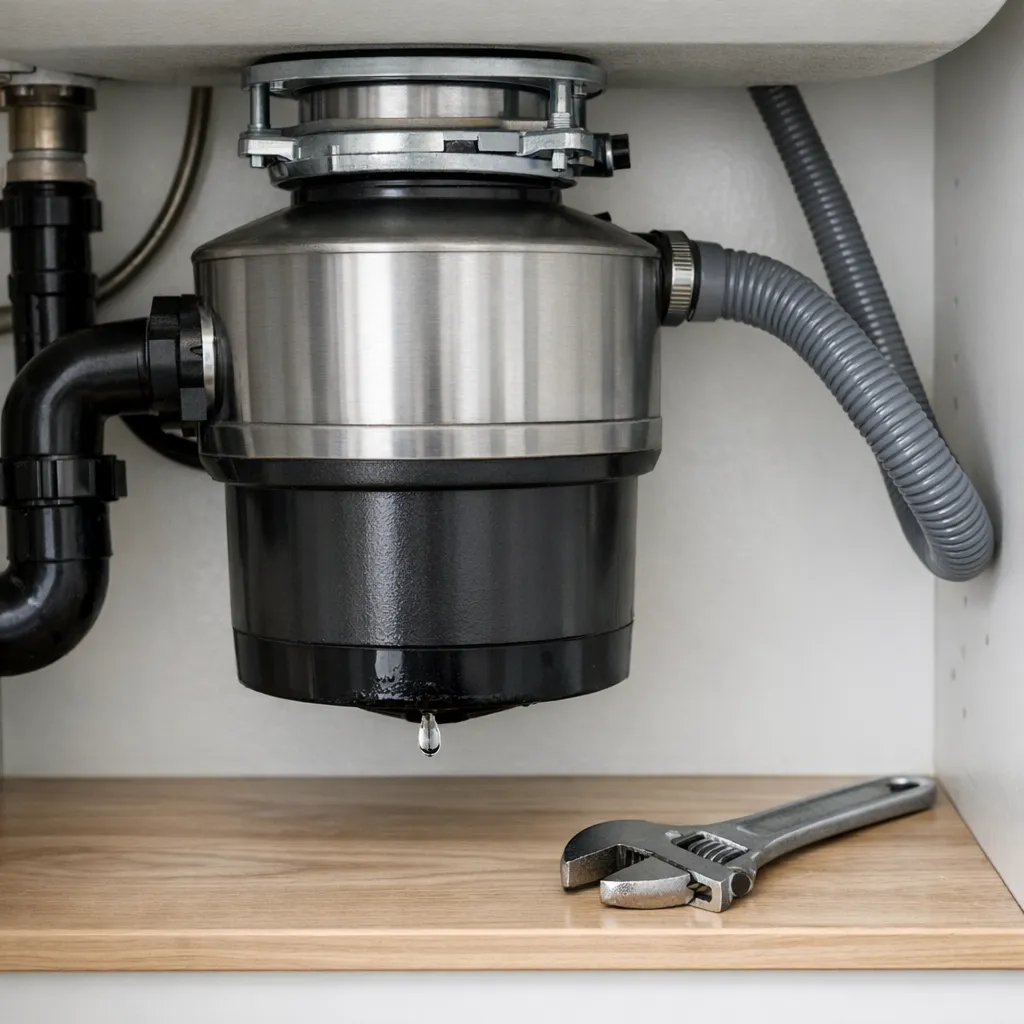
SAWS guidance matters for water conservation, but safety comes first. Do not mix drain chemicals, reach into a disposal, or keep running water into a fully blocked sink. After Winter Storm Uri, some local homes also developed shifted or damaged drain sections; a clog that returned after freeze repairs deserves a camera inspection rather than stronger chemicals.
Quick Answer
A clogged kitchen sink drain is often caused by a buildup of food particles, grease, or foreign objects obstructing the pipes. The immediate safety step is to turn off the water supply to prevent further overflow. If you notice sewage backup or a foul odor, it's crucial to act quickly, as these can indicate a more serious issue that requires professional intervention.
Common Causes
Identifying the cause of a clogged kitchen sink drain is essential for effective resolution. Here are some of the most common culprits, ordered from simple to more complex:
1. Food Debris: The most frequent cause of kitchen sink clogs is leftover food particles. Even small amounts can accumulate over time and create a blockage. Symptoms include slow drainage and occasional gurgling sounds.
2. Grease Buildup: Pouring grease down the sink is a common mistake. As grease cools, it solidifies and adheres to the sides of the pipes, gradually narrowing the passage. If you notice a sluggish drain, this might be the issue.
3. Foreign Objects: Sometimes, items like utensils, sponges, or small toys can accidentally fall into the sink. If you hear a clunking sound when running water, there may be a foreign object causing the blockage.
4. Pipe Corrosion: Older pipes can corrode or develop mineral buildup, leading to clogs. This issue often requires professional assessment, especially if you notice frequent clogs despite proper maintenance.
5. Tree Root Intrusion: In rare cases, tree roots can invade underground pipes, causing significant blockages. This is more common in older homes and requires immediate professional attention.
Safety First
Before attempting any troubleshooting or repairs, it's vital to prioritize safety. Here are some specific guidelines:
- Shut Off Water Supply: If you notice water pooling in the sink, turn off the water supply to prevent overflow. Look for the shut-off valve under the sink.
- Avoid Electrical Risks: If water is leaking near electrical outlets or appliances, unplug devices immediately to reduce the risk of electric shock.
- Sewage and Gas Exposure: If you detect a sewage smell or gas leak, evacuate the area and contact a professional immediately. These situations can pose serious health risks.
- Stop DIY Work: If you encounter flooding, sewage backup, or signs of hidden damage (like wet spots on walls or floors), stop all DIY efforts and call a licensed plumber.
Step-by-Step Homeowner Checks
If you’re ready to investigate the clog, follow these steps:
1. Visual Inspection: Begin by examining the sink and surrounding areas. Look for visible blockages, leaks, or signs of wear.
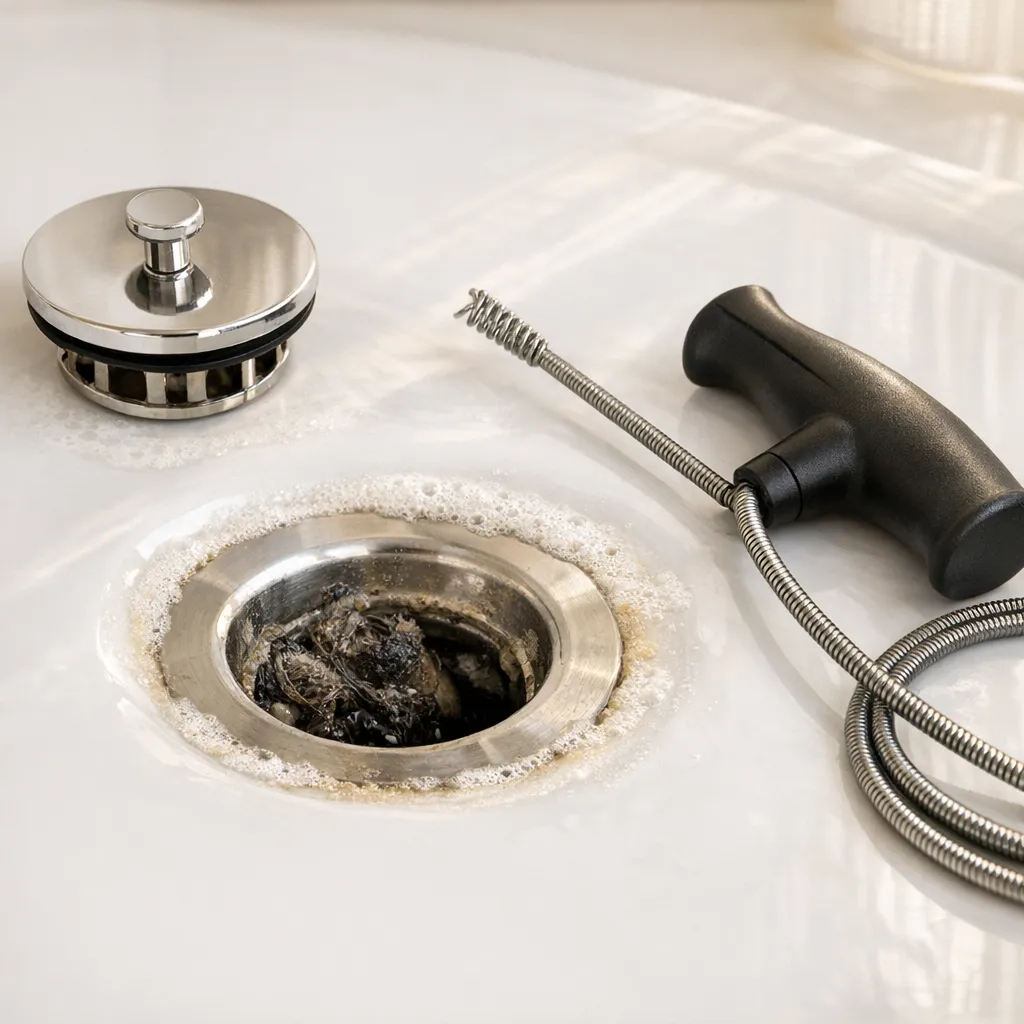
2. Identify the Problem Source: Check the drain strainer and trap under the sink for food debris or buildup. If you can access the plumbing, inspect the pipes leading away from the sink.
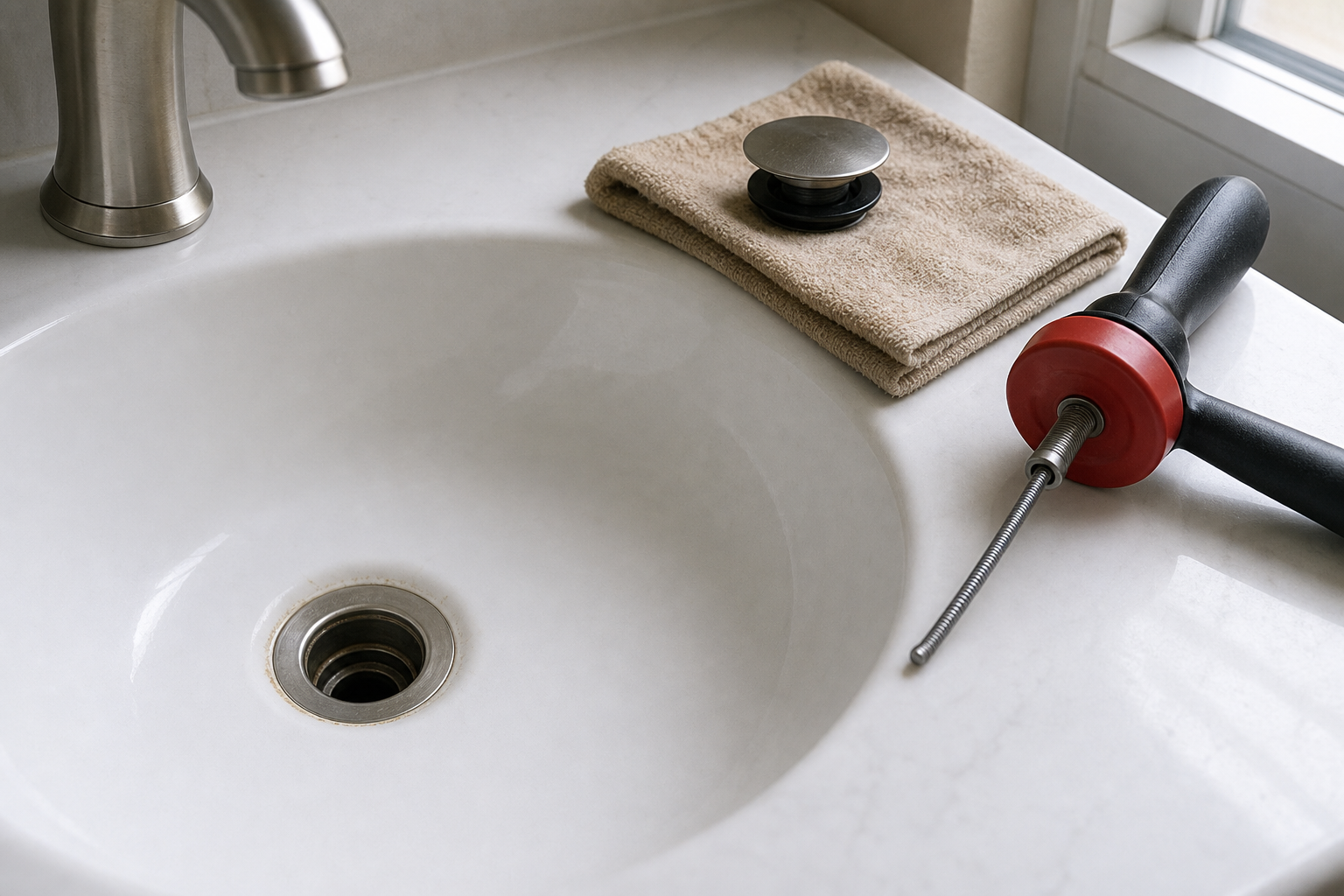
3. Try Simple, Non-Destructive Fixes: Use a plunger or a mixture of baking soda and vinegar to attempt to dislodge the clog. Avoid using harsh chemicals, as they can damage your pipes.
4. Monitor for Symptoms: After attempting a fix, watch for leaks or recurring drainage issues. If the problem persists, there may be a deeper issue requiring professional help.
5. Know When to Stop: If you experience flooding, sewage backup, or suspect gas leaks, cease all DIY efforts and contact a licensed plumber.
Tools and Materials
For tackling a clogged kitchen sink drain, you'll need the following tools and materials:
- Plunger: Essential for dislodging clogs through suction.
- Baking Soda and Vinegar: A natural alternative for breaking down minor clogs.
- Bucket: Useful for catching water when disassembling pipes.
- Pipe Wrench: For loosening and tightening plumbing fixtures.
- Gloves: To protect your hands while working on plumbing.
DIY Fixes That Are Usually Reasonable
Here are some safe, low-risk actions you can take to clear a clogged kitchen sink drain:
1. Plunge the Sink: Place a plunger over the drain, ensuring a tight seal, and pump vigorously. This can often dislodge minor clogs.
2. Baking Soda and Vinegar: Pour half a cup of baking soda down the drain, followed by half a cup of vinegar. Let it sit for 15-30 minutes, then flush with hot water.
3. Clean the Trap: If you're comfortable, disassemble the trap (the curved pipe under the sink) and clean out any debris. Ensure you have a bucket ready to catch any water.
What Not to Attempt
- Chemical Drain Cleaners: These can be harmful to your plumbing and the environment. They may not resolve the issue and can even worsen it.
- Using Excessive Force: Avoid using excessive force when attempting to unclog pipes, as this can lead to damage.
When to Call a Plumber
While DIY methods can be effective, certain red flags indicate it's time to call a professional:
- Frequent Clogs: If your sink clogs repeatedly, there may be a deeper issue, such as pipe corrosion or tree root intrusion.
- Sewage Backup: If you notice sewage backing up into your sink, this is a serious health hazard that requires immediate attention.
- Flooding: Any signs of flooding should prompt a call to a licensed plumber to assess the situation.
- Gas Smell: If you detect a gas smell, evacuate the area immediately and contact a professional.
Prevention
To reduce the likelihood of a clogged kitchen sink drain in the future, consider these maintenance habits:
- Dispose of Grease Properly: Never pour grease down the sink. Instead, collect it in a container and dispose of it in the trash.
- Use a Sink Strainer: Install a strainer to catch food particles and prevent them from entering the drain.
- Regular Cleaning: Periodically clean your sink and drains using baking soda and vinegar to help break down buildup.
- Flush with Hot Water: Regularly running hot water down the drain can help keep grease from solidifying and accumulating.
Cost and Time Expectations
The cost and time required to resolve a clogged kitchen sink drain can vary significantly:
- DIY Methods: Simple fixes like plunging or using baking soda and vinegar can be done in under an hour and cost very little, primarily for materials.
- Professional Help: If you need to call a plumber, expect to pay anywhere from $100 to $300, depending on the severity of the clog and the location.
- Timeframe: A plumber may take anywhere from 30 minutes to a few hours to resolve the issue, depending on the complexity.
FAQ
What causes this problem?
Common causes of a clogged kitchen sink drain include food debris, grease buildup, foreign objects, pipe corrosion, and tree root intrusion.
Can I fix it myself?
Many minor clogs can be resolved with DIY methods like plunging or using baking soda and vinegar. However, more severe issues may require professional help.
How urgent is it?
If you notice sewage backup, flooding, or gas smells, it's crucial to act immediately and contact a professional.
What should I avoid doing?
Avoid using harsh chemical drain cleaners and excessive force when attempting to unclog pipes, as these can cause damage.
Why This Is Different in San Antonio
Hard water from the Edwards Aquifer does not create every kitchen clog, but at 357 mg/L (21 gpg) it helps grease and food residue adhere to rough mineral scale. SAWS water-quality reporting gives homeowners a useful baseline; white crust at the aerator or disposal flange is a practical sign that the drain may also need mechanical cleaning and periodic maintenance.
Medical Center area houses may combine older drain lines with newer disposals and dishwashers. Confirm that the dishwasher loop is correct and never treat recurring backups as a disposal-power problem. Seasonal cooking, summer gatherings, and post-freeze repairs can all expose a marginal branch line.
What San Antonio Homeowners Pay (2026)
| Kitchen-drain service | Typical homeowner range |
|---|---|
| DIY plunger, bucket, and trap brush | $15–$40 |
| Standard drain cleaning | $150–$350 |
| Camera inspection | $200–$400 |
| After-hours visit | $250–$500 |
Access, pipe condition, and a blockage beyond the kitchen branch change the quote. Ask whether camera work and cleanup are included.
When to Call a San Antonio Plumber
Call when both basins remain blocked after safe trap cleaning, the disposal backs water into the other basin, nearby fixtures gurgle, sewage odor appears, or the clog returns within days. Also stop if the trap is corroded, the drain enters a wall through fragile pipe, or a powered snake would be required. A licensed plumber should explain whether the job needs simple cable cleaning, descaling, or a camera—not jump straight to replacement.
San Antonio FAQ
Can I pour chemical cleaner into a kitchen sink?
Avoid it. Chemicals can sit above a complete blockage, damage some piping, and expose whoever later opens the trap. Never mix products.
Does SAWS hard water mean I need a softener to prevent clogs?
A softener can reduce scale but cannot prevent grease and food clogs. Scrape plates, keep fats out of the drain, flush with ordinary hot tap water after normal use, and clean the trap when symptoms begin.
Is a recurring kitchen clog a sewer problem?
Not always. A kitchen-only backup usually points to its branch. Gurgling toilets or backups at several low fixtures make a main-line problem more likely.
For a San Antonio homeowner, a documented diagnosis is safer than guessing.