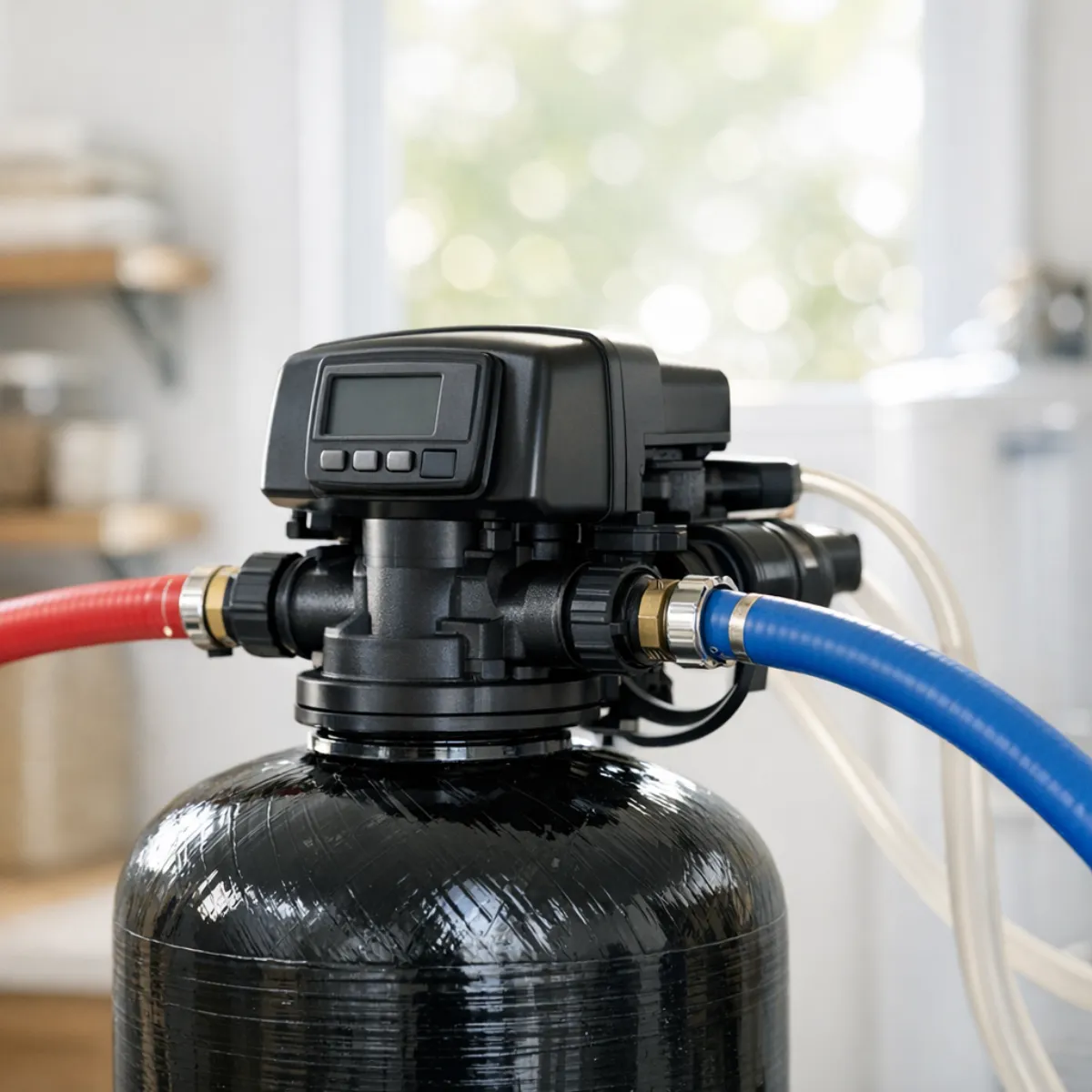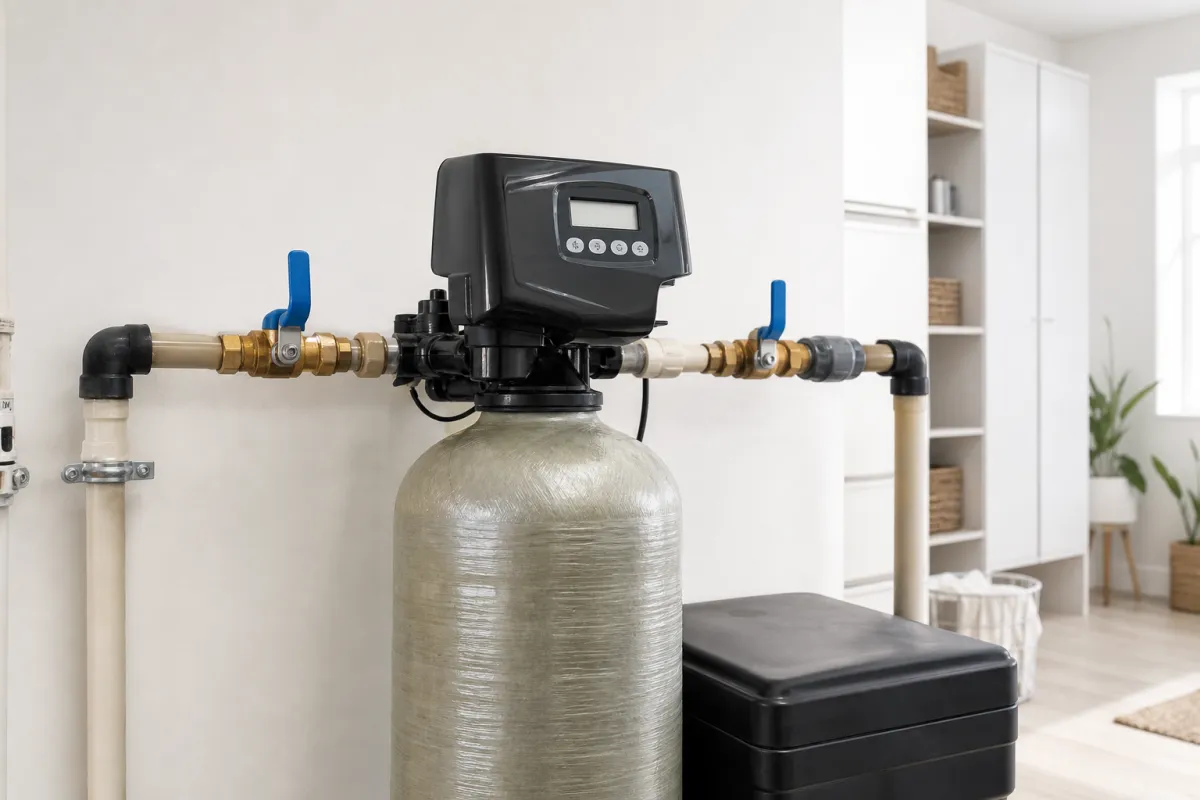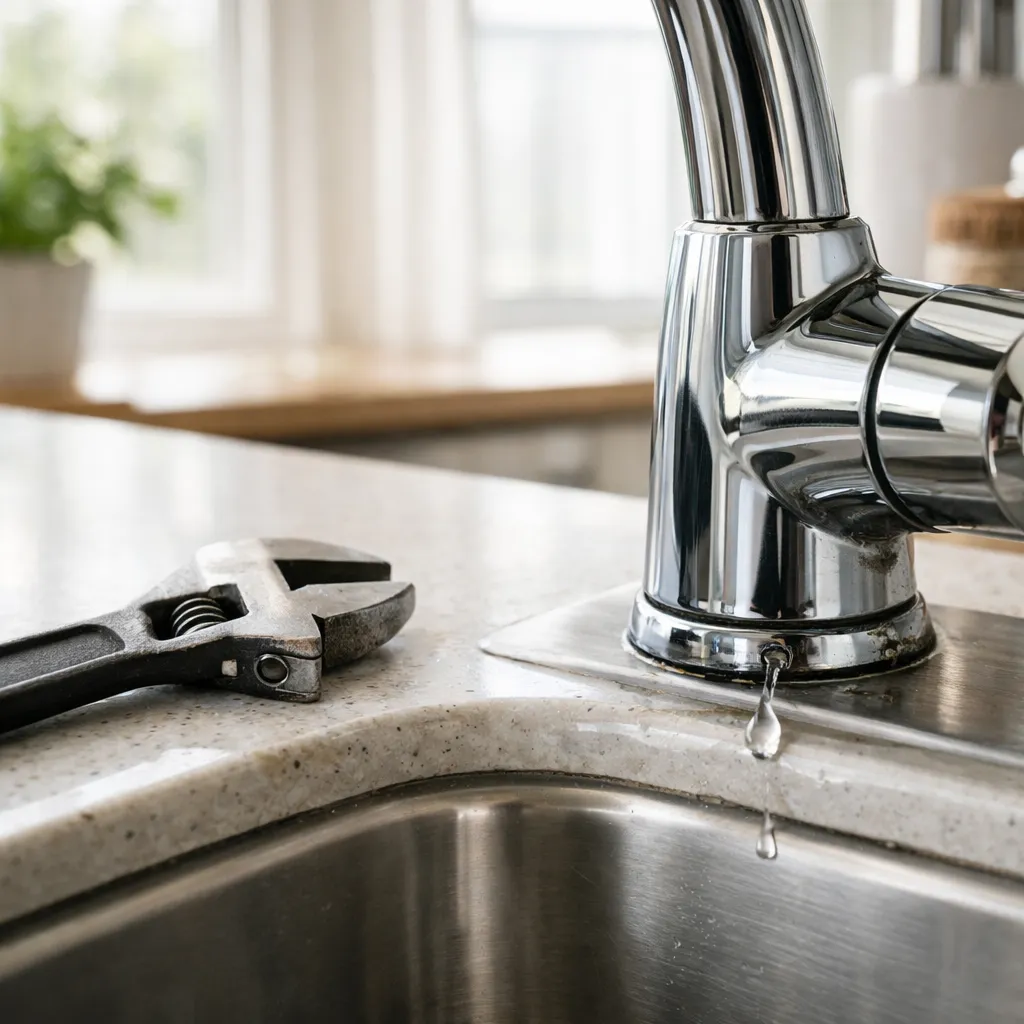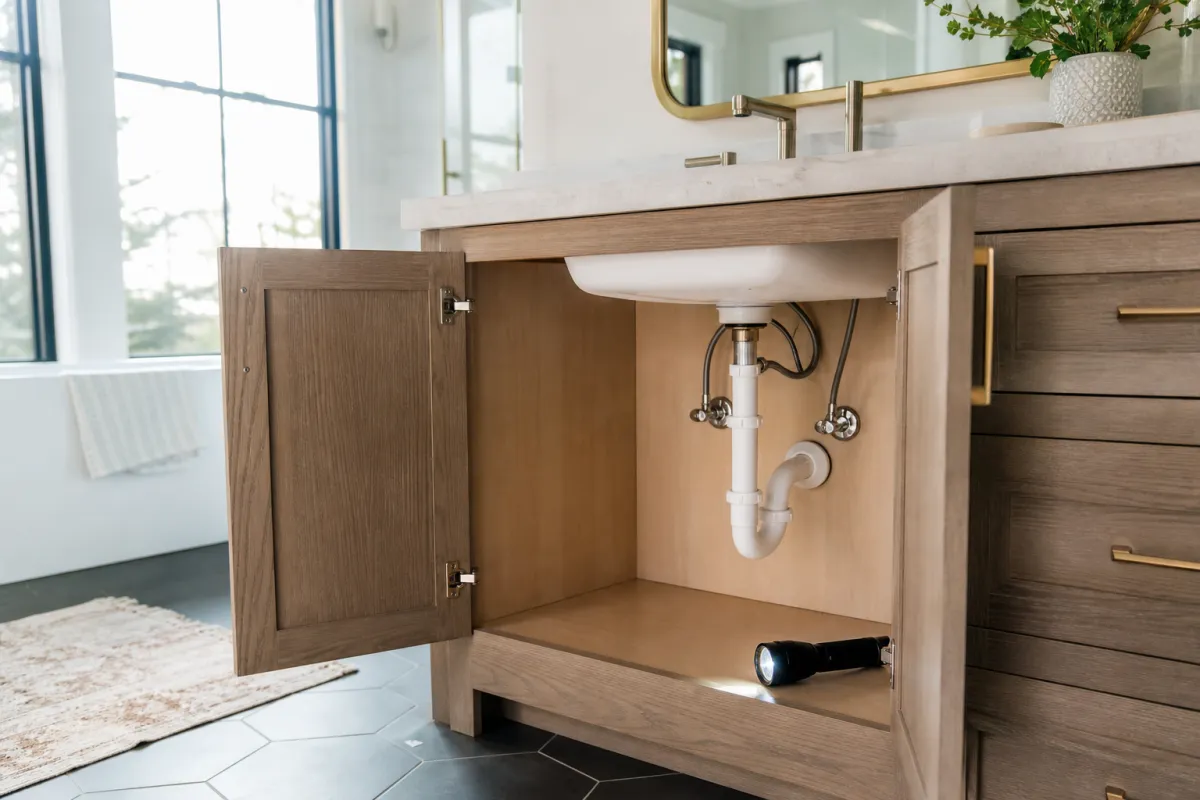
> San Antonio Local Insight: San Antonio's hard water from the Edwards Aquifer affects every plumbing system in your home. With 357 mg/L mineral content (21 grains per gallon), our water causes faster corrosion, heavier scale buildup, and more frequent repairs than most US cities. Understanding this local factor helps you make better decisions about maintenance, repair, and prevention.
Local San Antonio Field Notes Before You Start
Before following any generic plumbing checklist, adjust it for our Edwards Aquifer water. At roughly 357 mg/L, or 21 grains per gallon, the calcium carbonate and magnesium in the water can turn a small maintenance issue into repeat wear on valves, seals, drains, heaters, and appliance connections. That means a clog should be treated as hair, grease, food waste, and mineral scale working together, not as a simple one-cause blockage.
A homeowner in Alamo Heights should be especially careful because older galvanized and mixed-metal lines make small leaks more urgent than they look. If you are comparing advice from national repair guides, shorten the maintenance interval and inspect for white scale, crusted fittings, stiff shutoff valves, and early corrosion before assuming the part simply “got old.”
For budgeting, use local pricing instead of national averages: drain cleaning usually runs $150-$350, and a sewer camera inspection is commonly $200-$400. If the issue appears after a summer high-use period or after a rare freeze like Winter Storm Uri, treat it as a local risk signal and document what you see before calling a licensed plumber in Bexar County.
Clogged drains can be a homeowner's worst nightmare, leading to frustrating backups and potential water damage. When faced with this common issue, many people turn to chemical drain cleaners like Drano and Liquid Plumr. But which product is right for your situation? This guide will help you understand the key differences between these two popular options, their effectiveness, safety considerations, and when it might be best to call in a professional.
Why It Matters: The Direct Takeaway
Both Drano and Liquid Plumr are designed to tackle clogged drains, but their formulations and effectiveness can vary based on the type of clog and the plumbing system in your home. Understanding these differences can save you time, money, and potential damage to your plumbing. Choosing the wrong product could lead to further clogs or even damage to your pipes, which can be costly to repair.
In short, knowing when and how to use these products effectively is crucial for any homeowner. This guide will provide you with practical advice to help you make an informed decision.
What to Check First: Assessing the Situation
Before reaching for a bottle of drain cleaner, it’s essential to assess the situation. Here are some initial checks you should perform:
Identify the Type of Clog
Different types of clogs require different solutions. Common causes include:
- Hair and Soap Scum: Often found in bathroom sinks and tubs.
- Food Debris: Common in kitchen sinks.
- Grease Buildup: Typically occurs in kitchen drains, especially when cooking oils are disposed of improperly.
Understanding the nature of the clog can help you decide whether a chemical cleaner is appropriate or if a mechanical solution (like a plunger or drain snake) might be more effective.
Check for Other Signs
Look for signs of more extensive plumbing issues. If multiple drains are backing up simultaneously, it may indicate a more significant problem in your plumbing system, such as a blockage in the main sewer line. In such cases, chemical cleaners may not be effective and could worsen the situation.
Safety Precautions
Always prioritize safety when dealing with chemical cleaners. Ensure that you are wearing gloves and eye protection, and ventilate the area well to avoid inhaling fumes. If you have young children or pets, make sure they are kept away from the area until the cleaning process is complete.
Choosing a Low-Risk Drain-Clearing Method
When it comes to choosing between Drano and Liquid Plumr, consider the following steps:
1. Evaluate Product Formulation
- Drano: Contains sodium hydroxide, bleach, and aluminum. It works by generating heat to dissolve clogs. However, it can be harsh on pipes, especially older ones, and is not recommended for use with toilets.
- Liquid Plumr: Primarily uses sodium hydroxide but is often formulated to be less corrosive. It is effective against hair and soap scum and can be used in toilets, making it a versatile choice.
2. Follow Instructions Carefully
Read the labels and follow the instructions provided with each product. Here’s a general guide:
- Drano: Pour the recommended amount down the drain, wait for 15-30 minutes, and then flush with hot water. Avoid using it in conjunction with other cleaners.
- Liquid Plumr: Similar to Drano, pour the recommended amount down the drain and wait. However, for tougher clogs, you might need to let it sit longer before flushing.
3. Consider Alternative Methods
If you’re hesitant about using chemical cleaners, consider mechanical methods like plungers or drain snakes. These methods can be more effective for certain types of clogs and are safer for your plumbing system.
Mistakes to Avoid: Common Pitfalls
While attempting to clear a clog, homeowners often make several common mistakes that can lead to further complications:
1. Overusing Chemical Cleaners
Using too much product can cause more harm than good. Excessive use can lead to pipe damage, especially in older plumbing systems. Stick to the recommended amounts.
2. Mixing Products
Never mix different drain cleaners. Combining chemicals can produce dangerous reactions, creating harmful fumes or even explosions. Always use one product at a time and follow the instructions carefully.
3. Ignoring Safety Precautions
As mentioned earlier, always wear gloves and eye protection. Failing to do so can lead to chemical burns or respiratory issues. Ensure that the area is well-ventilated and keep children and pets away.
When DIY Must Stop
While DIY solutions can be effective, there are times when it’s best to call in a professional plumber. Here are some scenarios where professional help is advisable:
1. Persistent Clogs
If you’ve tried using Drano or Liquid Plumr multiple times without success, this could indicate a more serious plumbing issue, such as a blockage in the main sewer line or damaged pipes. A professional can assess the situation and provide a more effective solution.
2. Signs of Water Damage
If you notice water stains on walls or ceilings, or if you smell sewage, it’s crucial to call a professional immediately. These signs indicate that you may have a more significant plumbing issue that requires immediate attention.
3. Safety Concerns
If you’re unsure about the safety of using chemical cleaners or if you have a plumbing system that’s particularly old or fragile, it’s best to consult with a professional. They can provide guidance tailored to your specific situation.
FAQ: Common Homeowner Questions
1. Can I use Drano or Liquid Plumr in a toilet?
Do not use either brand in a toilet unless the exact product label explicitly allows it. A flange plunger or closet auger is the safer first choice.
2. How often should I use drain cleaners?
It’s best to use drain cleaners sparingly. Prevent clogs with strainers, hair removal, and proper grease disposal. Do not pour boiling water into piping or combine household remedies with commercial chemicals.
3. Are there eco-friendly alternatives to Drano and Liquid Plumr?
Yes, eco-friendly alternatives include baking soda and vinegar, which can effectively break down minor clogs. Additionally, enzyme-based cleaners can help dissolve organic matter without harsh chemicals.
4. What should I do if the clog persists after using a chemical cleaner?
If the clog persists, avoid using more chemical cleaners. Instead, consider using a drain snake or calling a professional plumber to assess the situation.
5. Is it safe to use chemical cleaners in older plumbing systems?
Older cast-iron and mixed-material systems may be more vulnerable, and clay is generally found in building sewers rather than interior drains. Consult with a professional plumber to determine the best approach for your specific plumbing system.
Quick Reference: Drain Cleaning Comparison Table
| Feature | Drano | Liquid Plumr |
|---|---|---|
| Primary Ingredients | Sodium hydroxide, bleach | Sodium hydroxide |
| Best For | Tough clogs, grease | Hair, soap scum, toilets |
| Safety Concerns | Can damage older pipes | Generally safer |
| Use in toilets | Only if exact label permits | Only if exact label permits |
| Recommended Frequency | Sparingly | Sparingly |
Conclusion
Choosing between Drano and Liquid Plumr involves understanding the nature of your clog, the safety implications of each product, and the potential risks to your plumbing system. By following the guidelines outlined in this article, you can make a more informed decision that not only addresses your immediate clog but also protects your home in the long run. If in doubt, don’t hesitate to call a professional for assistance.
Why This Is Different in San Antonio
Drain-cleaner decisions are less forgiving here because Edwards Aquifer water is about 357 mg/L, or 21 gpg. Calcium scale roughens drain walls, giving hair, soap, and kitchen grease more surface to grip. In Alamo Heights, older cast-iron or mixed-material drains may already be thin, offset, or heavily scaled; repeated caustic treatments can leave a dangerous chemical pool without removing the underlying obstruction.
SAWS guidance to keep fats, oils, grease, and wipes out of the sewer is more useful than relying on a bottle after every slow drain. Bexar County homeowners should treat repeated or multi-fixture backups as a system diagnosis problem, not a product comparison. Seasonal guests and holiday cooking can expose a marginal line, while movement after Winter Storm Uri may have opened an older joint.
What San Antonio Homeowners Pay (2026)
| Drain service | Typical local range |
|---|---|
| Basic sink or tub clearing | $150–$300 |
| Main drain cleaning | $250–$600 |
| Sewer camera inspection | $200–$400 |
| Hydro jetting when the pipe is suitable | $500–$1,200 |
| After-hours response | $250–$500+ |
The useful quote identifies the clog location and pipe condition. Camera work is often justified after recurring blockages, but it is not necessary for every hair clog.
When to Call a San Antonio Plumber
Stop DIY when more than one fixture backs up, sewage appears, the clog returns quickly, or chemical cleaner is already standing in the drain. Tell the plumber exactly what product and quantity were used. Never mix Drano, Liquid-Plumr, bleach, acid, ammonia, or enzyme products; combinations can release toxic gas or cause violent splashing.
For a single shallow clog, begin with the stopper or strainer, a sink plunger used correctly, or a hand tool designed for that fixture. Do not plunge after adding chemicals, and never pour either product into a toilet unless the exact manufacturer label expressly permits that specific use. A toilet plunger or closet auger is the safer first tool.
San Antonio Drain Cleaner FAQ
Which is better, Drano or Liquid-Plumr?
Neither brand is universally better. Formulas vary within each brand, and pipe material, fixture type, and clog cause determine whether a labeled chemical treatment is appropriate. Mechanical removal is usually better for reachable hair.
Does baking soda and vinegar clear a serious clog?
The fizz may loosen light residue but does not dissolve a compacted plug or repair a damaged line. Never add it after a commercial cleaner.
Can hard-water scale be removed with more caustic cleaner?
Not reliably. Scale and debris often require mechanical cleaning, and aggressive chemistry can damage finishes or expose a technician. Diagnose recurring restriction before repeating treatment.