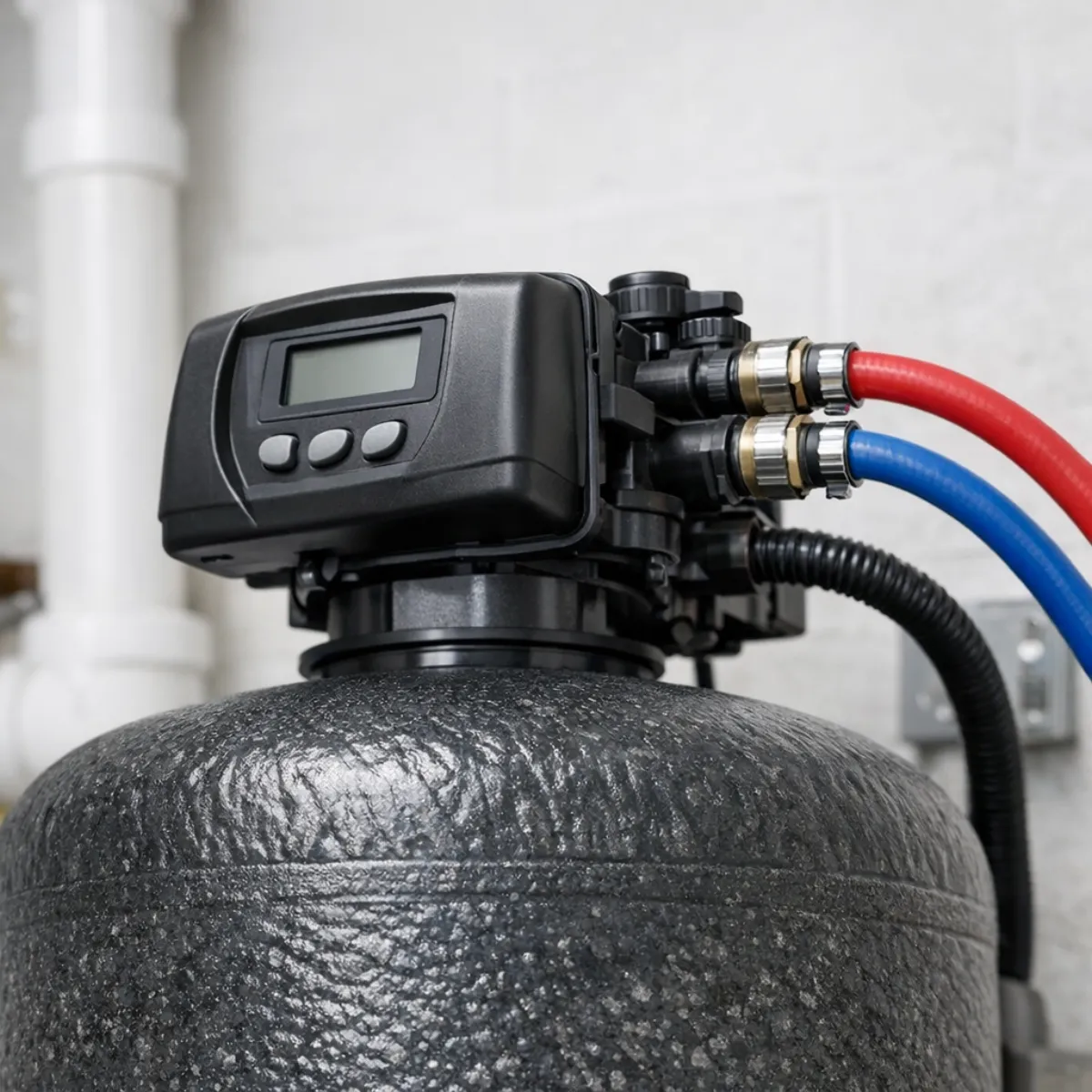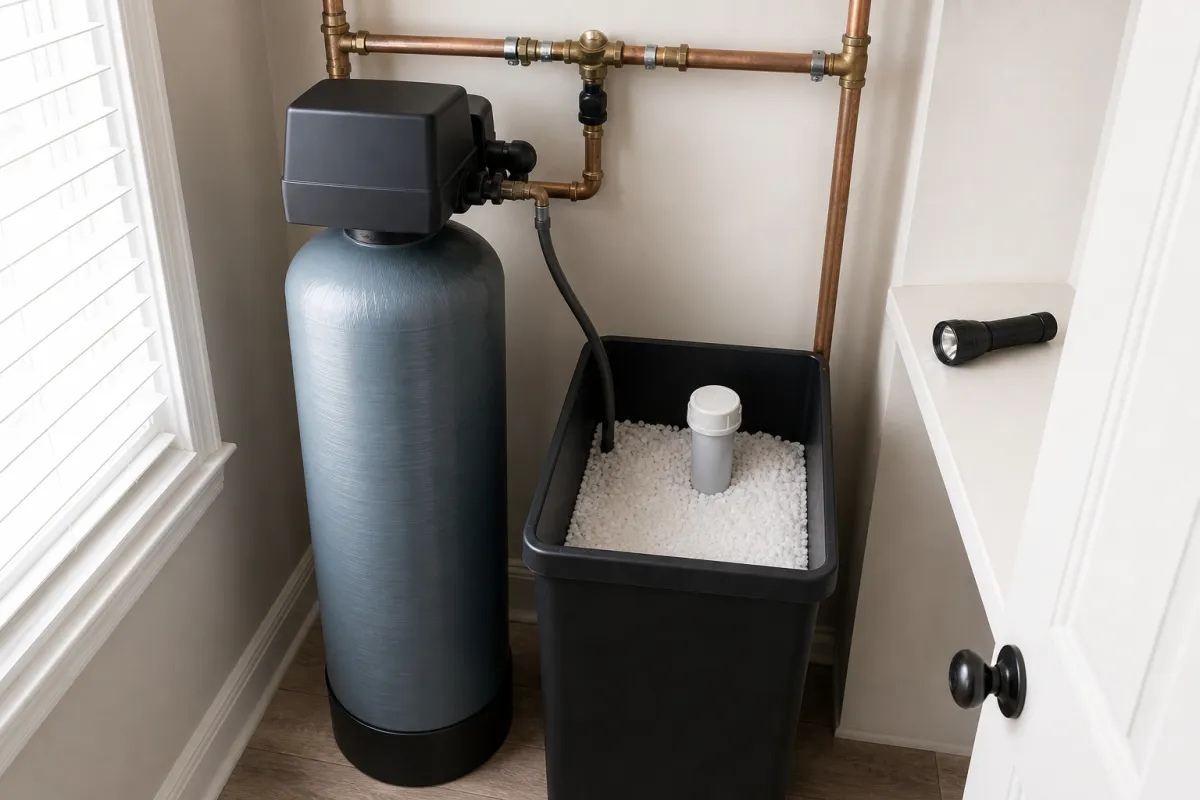
> San Antonio Local Insight: San Antonio's extremely hard water from the Edwards Aquifer (357 mg/L, 21 gpg) shortens water heater lifespan by 2–4 years. Sediment buildup forces heating elements to overwork, causes popping/rumbling noises, and leads to premature tank failure. Local plumbers recommend flushing every 6 months — double the national frequency.
Local San Antonio Field Notes Before You Start
Freeze response here is about controlled thawing and preparing for the leak that may appear afterward. A Stone Oak home can have an exposed garage, attic, or exterior-wall run even when most plumbing is protected. Open the affected hot faucet, shut off the water if you see swelling or a split, and warm an accessible pipe gradually with room heat, warm towels, or a hair dryer kept moving. Never use a torch, heat gun, boiling water, or an unattended space heater. A simple accessible split may cost $250–$750 to repair; hidden wall or ceiling damage and emergency timing can raise the total. After flow returns, inspect the full run while it is pressurized.
Confirm That the Hot Water Pipe Is Actually Frozen
Test several fixtures before assuming the water heater has failed. If both hot and cold sides have weak or absent flow at one fixture, the aerator, faucet cartridge, local shutoff, or shared supply may be blocked. If cold water flows strongly but the hot side does not—and nearby hot fixtures still work—the frozen point is probably on that fixture’s hot branch. If no fixture produces hot water but hot-side flow remains normal, investigate the heater rather than a freeze.
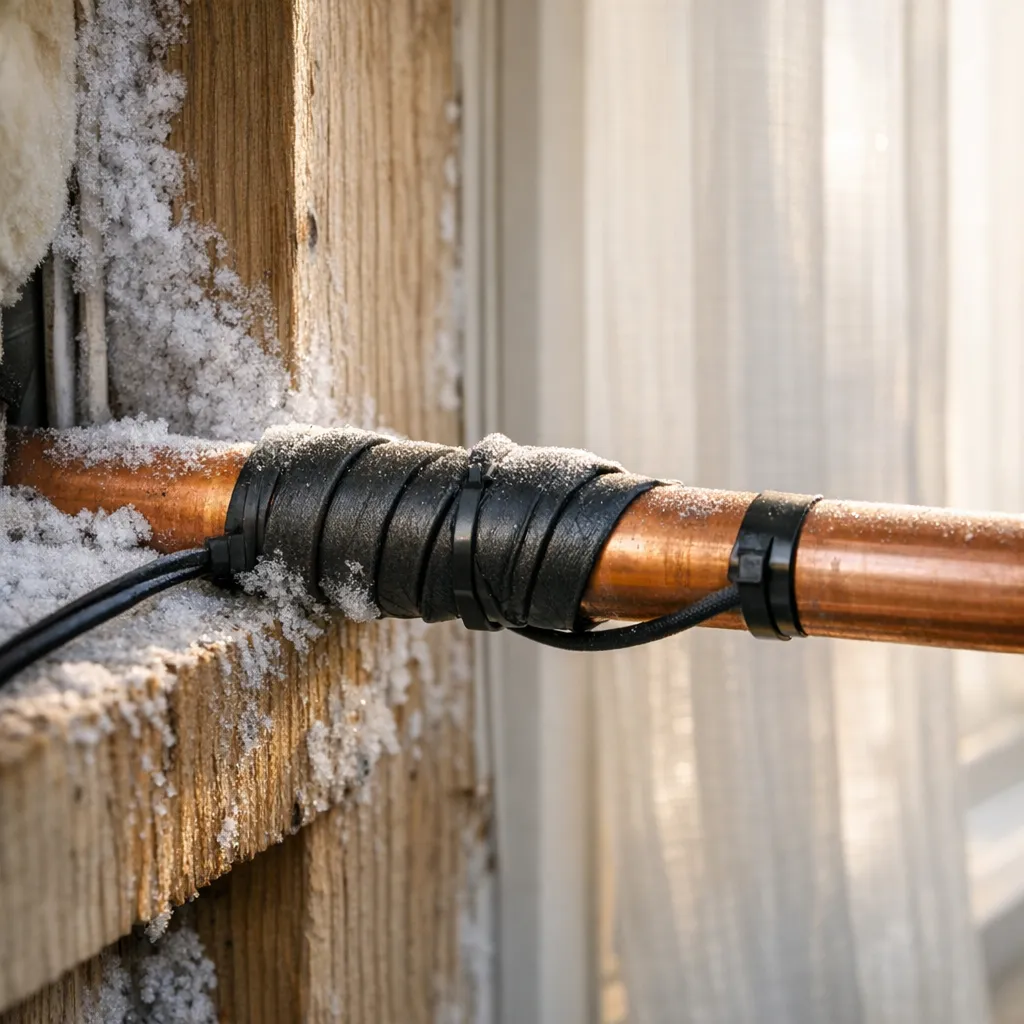
Location also matters. Pipes in exterior walls, crawl spaces, garages, cabinets against outside walls, and poorly insulated additions freeze first. A sudden problem during or just after freezing weather strengthens the diagnosis. Feel accessible pipe sections with the back of your fingers without forcing joints; an unusually cold or frosted section can identify the affected run. Never dismantle a pressurized line merely to confirm a suspicion.
Take Immediate Safety Precautions
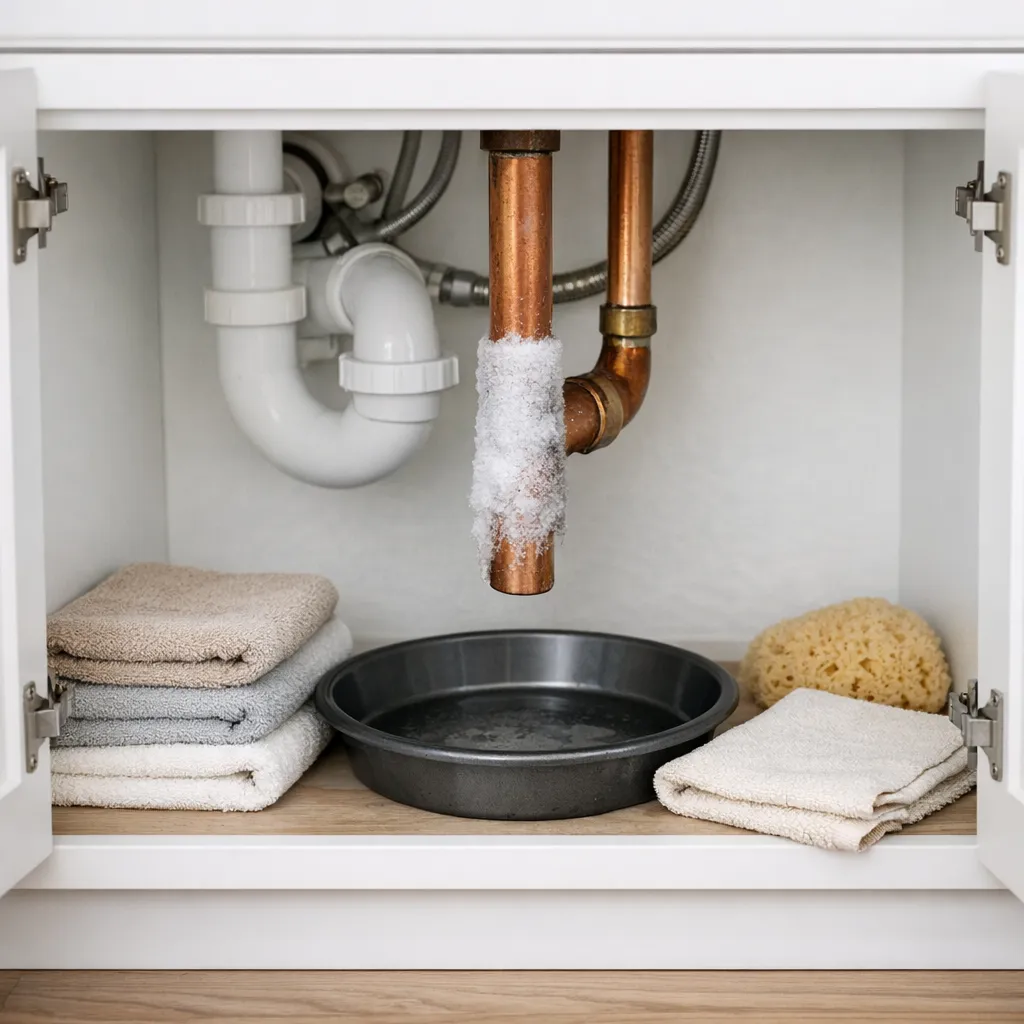
Find and test the main water shutoff before thawing anything. You do not necessarily need to close it if the pipe is intact, but you must be able to stop the flow quickly if a hidden split opens. Remove stored items from below the line, place towels and a shallow pan nearby, and keep a phone and flashlight accessible. Open the affected hot faucet so melting water and pressure have an escape route.
Water and electricity are a dangerous combination. Do not operate a hair dryer while standing in water, stretch an extension cord through a wet crawl space, or heat piping beside damaged wiring. Shut off the relevant electrical circuit if water is dripping near outlets, junction boxes, appliances, or the water heater. If you smell gas, hear hissing near a fuel line, see sewage, or cannot reach the pipe without entering an unsafe confined area, leave the work alone and contact the appropriate professional.
Locate the Frozen Section Methodically
Follow the hot line backward from the affected fixture toward the water heater, concentrating on transitions into unheated areas. Open vanity and sink cabinets to let room air circulate, but do not cut walls based only on a guess. In a basement or crawl space, look for gaps around sill plates, vents, hose penetrations, and uninsulated joist bays. The first frozen section is often near an air leak rather than at the coldest-looking length of pipe.
When multiple fixtures are affected, map which ones still have hot flow. That comparison can narrow the freeze to a trunk line or branch. For example, normal hot water upstairs but none in a kitchen addition suggests a branch serving that addition. No hot flow anywhere may indicate a frozen outlet close to the heater, but first verify that shutoff valves are open and the heater is not leaking. Avoid striking, twisting, or squeezing plastic pipe; frozen material and brittle fittings can be damaged by rough handling.
Thaw an Accessible Pipe Without Damaging It
Begin heating at the faucet end of the frozen area and work gradually toward the colder section. This gives meltwater a path out through the open faucet. Safe options include warm room air, a portable heater positioned at a conservative distance on a stable dry surface, warm towels changed repeatedly, or a household hair dryer used on a dry circuit with ground-fault protection. Keep the heat source moving and stay present throughout the process.
Never use a propane torch, charcoal heater, heat gun on a high setting, boiling water, or any device that can scorch framing or overheat plastic. Pipes may be hidden beside insulation, vapor barriers, and combustible dust. Even copper can conduct damaging heat to a joint inside a wall. A digital infrared thermometer can help monitor surface temperature, but it does not prove the pipe is sound or locate every ice plug.
Once a trickle begins, continue gentle warming until full flow returns. Then close the faucet slowly and inspect the entire accessible run under normal pressure. Watch joints and straight sections for beading, spraying, or a growing wet patch. A thawed pipe that holds initially can still leak after pressure stabilizes, so check again after several minutes and later the same day.
Check for Cracks and Hidden Water Damage
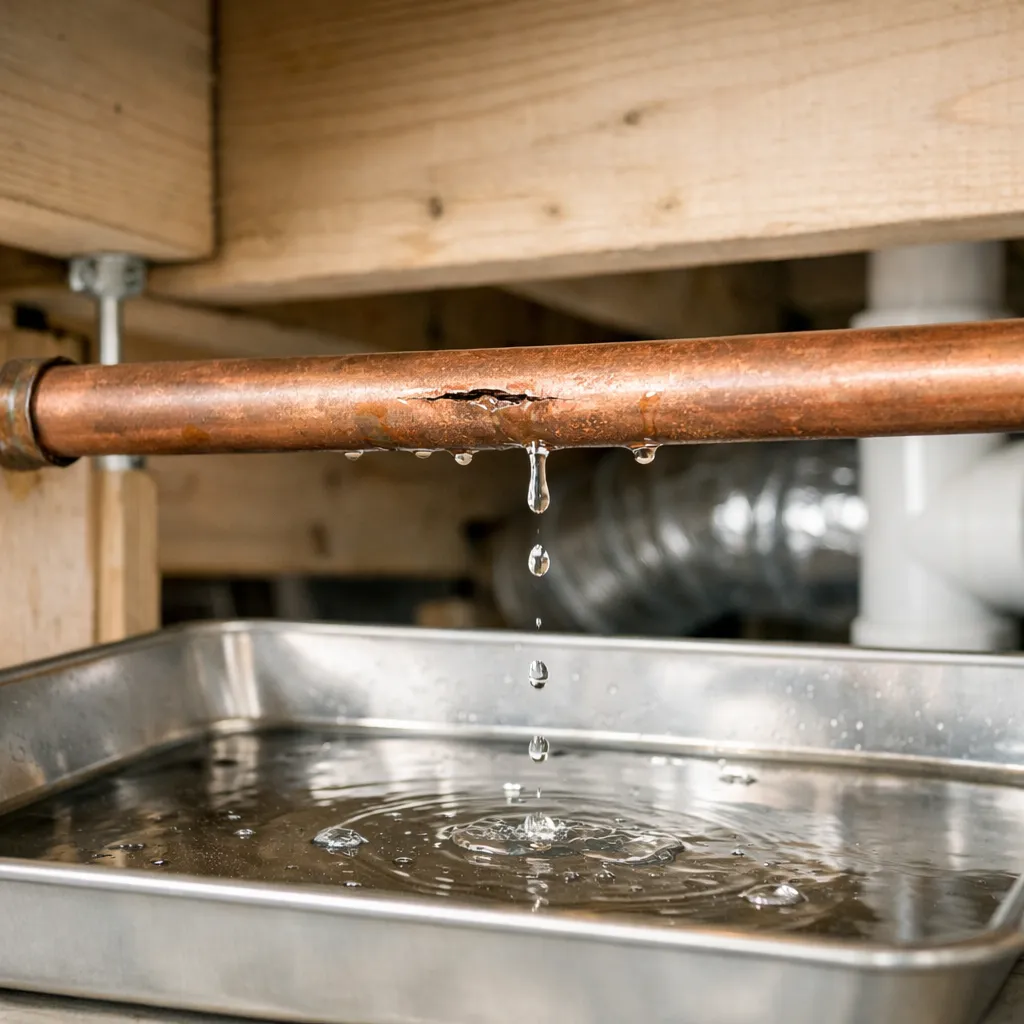
Ice can split copper, PEX, CPVC, valves, and fittings. Inspect for a lengthwise crack, swollen plastic, separated fitting, green or white residue disturbed by the freeze, and water tracking along joists. Listen for running water while all fixtures are off. If the water meter’s leak indicator moves with every known fixture and appliance closed, shut off the main and arrange pipe leak repair.
Hidden damage may appear as stained drywall, lifting flooring, damp insulation, a musty odor, or water emerging somewhere far from the freeze. Do not energize wet outlets or ceiling fixtures. A small opening made by a qualified plumber or remediation professional is often less costly than allowing trapped moisture to spread. Document visible damage with photographs before cleanup if an insurance claim may be necessary, but prioritize stopping water and electrical hazards.
Use the Right Tools and Materials
A basic response kit should support safe warming and leak control rather than invasive repair. Useful items include towels, a bucket or low pan, a flashlight, a room thermometer, and removable foam pipe insulation for prevention after the line is verified dry and sound. A UL-listed hair dryer with GFCI plug may be appropriate in a dry indoor area, but its presence does not make a wet workspace safe.
Keep the correct main-shutoff tool nearby if your valve requires one. Do not buy push-fit couplings and cut into a pipe unless you understand the material, pressure, grounding implications, local code, and proper preparation. Temporary clamps may reduce leakage on certain straight metal pipes, but they are not universal and should not be treated as permanent repairs. When a pipe has burst, shutting off water and calling for professional water pipe repair is usually the lowest-risk choice.
| Situation | Reasonable action | Stop DIY when |
|---|---|---|
| One hot faucet has no flow | Compare nearby fixtures and inspect accessible branch | Pipe is hidden or damaged |
| Visible intact pipe is frosted | Open faucet and apply gentle moving warmth | Water appears or wiring is nearby |
| Flow returns | Restore pressure slowly and inspect | Meter shows unexplained use |
| Wall or ceiling is wet | Shut off water and electricity as appropriate | Opening or repair requires trade work |
| Repeated freezing | Air-seal and insulate after evaluation | Rerouting or code work is needed |
Know When a Plumber Is the Better Choice
Call promptly if the pipe is inaccessible, the main shutoff does not work, the freeze is near the water heater, or you find a crack, leaking fitting, wet electrical component, or soaked building material. Professional help is also warranted when several branches are frozen, the home will be unattended, or temperatures will remain dangerously low. Fire-sprinkler piping requires specialized service; do not thaw or alter it casually.
A plumber can isolate the affected line, use controlled thawing equipment, pressure-test the system, and replace damaged material correctly. If water is appearing at the top of the heater or around its connections, use guidance specific to a water heater leaking from top and shut down the unit according to its fuel type and manufacturer instructions. Replacement cost should not be assumed from a frozen branch alone; diagnosis comes first.
Prevent the Next Freeze
After the line is dry and confirmed leak-free, address why cold air reached it. Seal exterior penetrations with materials appropriate to the opening, repair missing insulation, close crawl-space access as designed for the building, and insulate vulnerable pipes without blocking required clearances. Foam sleeves help slow heat loss but cannot compensate for a powerful air leak or prolonged unheated conditions. Keep garage doors closed and cabinet doors open during severe cold when plumbing sits against an exterior wall.
Maintain safe indoor heat even when traveling. During exceptional cold, a small continuous trickle from both hot and cold sides may reduce risk where local guidance recommends it, but it wastes water and is not a substitute for repairs. Never drain or shut down a water heater casually; incorrect handling can damage the appliance. If the same line freezes repeatedly, consider professional rerouting to a conditioned space rather than relying on heaters every winter.
Cost and Time Expectations
Thawing one exposed, intact branch may take less than an hour, but a long ice plug or poorly accessible run can take several hours. The important variable is not speed—it is whether controlled heat can be applied without fire, electrical, or water-damage risk. Repeatedly increasing heat because flow has not returned can turn a manageable freeze into a damaged pipe or fire.
Costs vary widely by access, pipe material, local labor, and damage. A simple service call and thaw is generally less involved than opening a finished wall, replacing a split run, drying insulation, and repairing finishes. Emergency or after-hours service usually costs more. Ask whether the estimate includes leak testing, wall access, pipe replacement, and cleanup. If the water heater itself was damaged, compare repair with water heater replacement cost only after a qualified diagnosis.
Frequently Asked Questions
Why can a hot water pipe freeze when the cold pipe does not?
The hot line may run through a colder cavity, sit closer to an exterior air leak, or remain unused longer. Pipe location and airflow often matter more than whether the water was previously hot.
Can I thaw it myself?
Yes, when the frozen pipe is visible, intact, dry, and safely accessible. Open the faucet and use gentle, moving warmth. Stop if you find leakage, electrical exposure, or a hidden section.
How urgent is a frozen hot water pipe?
It deserves same-day attention because a split may begin leaking during thawing. Know where the main shutoff is and do not leave an active thaw unattended.
What should I avoid doing?
Avoid flames, torches, high-temperature heat guns, boiling water, striking the pipe, and applying heat inside a closed wall. Do not energize equipment in a wet area.
Will pipe insulation prevent every freeze?
No. Insulation delays heat loss, but severe cold, long exposure, and air leakage can still freeze a line. Combine insulation with air sealing, adequate indoor heat, and better pipe placement where practical.
Why This Is Different in San Antonio
Freeze preparation is easy to neglect because severe cold is infrequent, but Winter Storm Uri proved that exposed local plumbing can remain below freezing long enough to split. Edwards Aquifer water at about 357 mg/L, or 21 gpg can also leave scale in valves that homeowners need during an emergency. Before each cold event, identify the main shutoff, disconnect hoses, insulate exposed runs, and follow current SAWS freeze guidance. Bexar County homes with attic, garage, or exterior-wall plumbing deserve special attention.
What San Antonio Homeowners Pay (2026)
| Freeze-related service | Typical 2026 range |
|---|---|
| Accessible split-pipe repair | $250–$750 |
| Emergency or after-hours response | $250–$500+ |
| Wall/ceiling opening and repair | $600–$1,500+ |
| Major hidden leak or slab work | $2,000–$5,000 |
Water-damage drying and finish restoration are often separate. Ask the plumber to state what is included before work starts.
When to Call a San Antonio Plumber
Call immediately for a visible split, uncontrolled flow, a main valve that will not close, water near electricity, a frozen section inside a wall, or no safe access to the pipe. DIY thawing is limited to gentle, attended heat on an accessible run. Never use flame, boiling water, a heat gun, or any device that can ignite nearby material.
San Antonio FAQ
Why can a pipe leak only after it thaws?
Ice may temporarily plug the crack it created. Water escapes after the ice releases and the line repressurizes, so watch the entire run after flow returns.
Should I leave a faucet dripping during a freeze?
Follow current utility guidance for the specific event. Insulation, heat, hose disconnection, and knowing the shutoff are more dependable than treating a drip as complete protection.