> San Antonio Local Insight: San Antonio's extremely hard water from the Edwards Aquifer (357 mg/L, 21 gpg) shortens water heater lifespan by 2–4 years. Sediment buildup forces heating elements to overwork, causes popping/rumbling noises, and leads to premature tank failure. Local plumbers recommend flushing every 6 months — double the national frequency.
Local San Antonio Field Notes Before You Start
Before following any generic plumbing checklist, adjust it for our Edwards Aquifer water. At roughly 357 mg/L, or 21 grains per gallon, the calcium carbonate and magnesium in the water can turn a small maintenance issue into repeat wear on valves, seals, drains, heaters, and appliance connections. That means the useful question is not just capacity or fuel type; it is how the unit will handle sediment, descaling, anode wear, and the six-month maintenance rhythm our water demands.
A homeowner in Alamo Heights should be especially careful because older galvanized and mixed-metal lines make small leaks more urgent than they look. If you are comparing advice from national repair guides, shorten the maintenance interval and inspect for white scale, crusted fittings, stiff shutoff valves, and early corrosion before assuming the part simply “got old.”
For budgeting, use local pricing instead of national averages: tank water-heater replacement runs about $1,200-$2,800 installed, while tankless replacement usually lands around $2,500-$5,500. If the issue appears after a summer high-use period or after a rare freeze like Winter Storm Uri, treat it as a local risk signal and document what you see before calling a licensed plumber in Bexar County.
A tankless water heater can often last 15–20 years under favorable conditions, but hard water can shorten that lifespan significantly when mineral buildup is allowed to accumulate. The exact outcome depends on water hardness, household demand, operating temperature, installation quality, and—most importantly—whether the unit is flushed and maintained regularly.
Hard water does not usually destroy a tankless heater overnight. Instead, dissolved calcium and magnesium form scale inside the heat exchanger and narrow water passages. The heater then has to work harder to deliver the same amount of hot water. Over time, that added strain can cause temperature fluctuations, error codes, reduced flow, higher energy use, and premature component failure.
The practical answer to how long does a tankless water heater last with hard water is therefore conditional: a neglected unit in a very hard-water area may develop expensive problems in well under 10 years, while a properly sized and routinely descaled system may remain serviceable for 15 years or longer. Maintenance cannot guarantee a particular lifespan, but it can substantially improve the odds.
Why Hard Water Is Especially Tough on Tankless Heaters
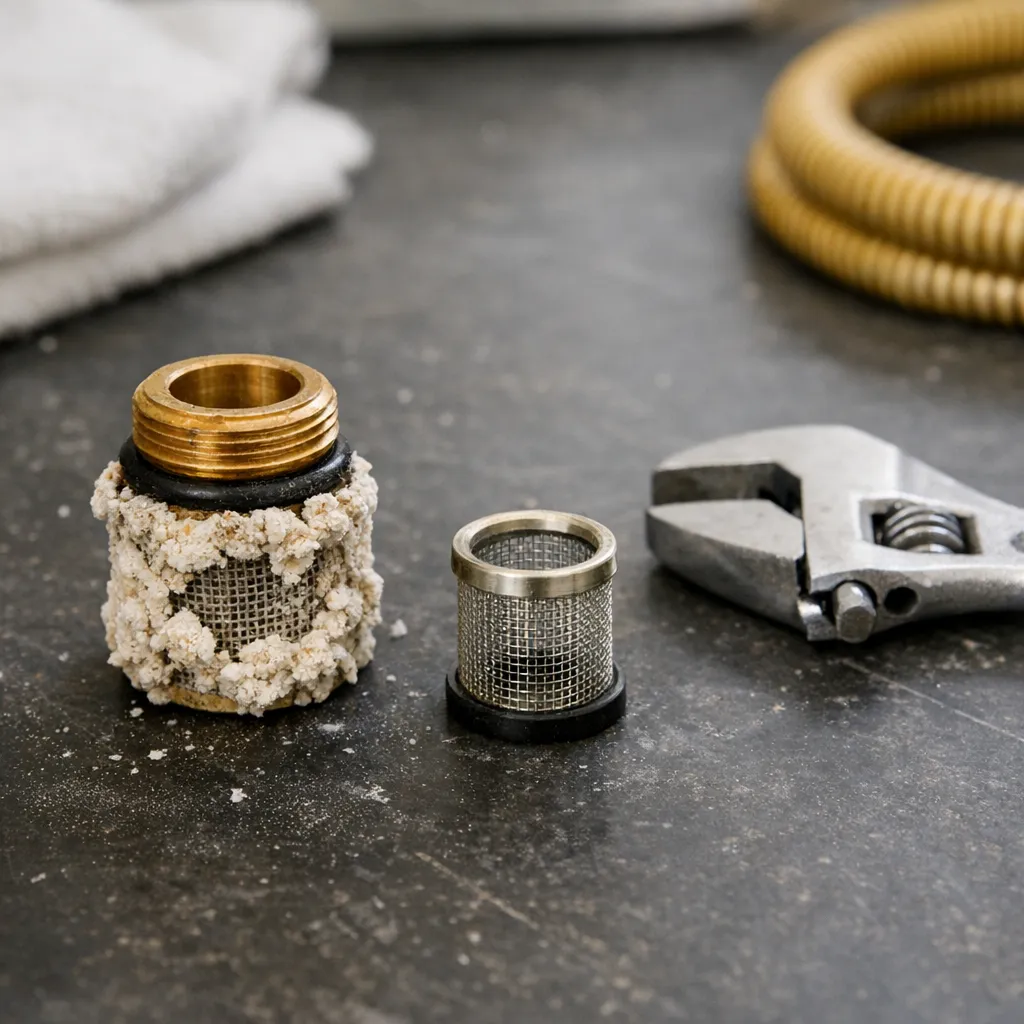
Tankless water heaters warm water as it passes through a compact heat exchanger. This design eliminates the large storage tank found in a conventional heater, but it also creates narrow internal waterways exposed to intense heat. When hard water moves through those passages, some of its dissolved minerals can precipitate and cling to hot metal surfaces.
The resulting scale acts as an insulating layer. Heat no longer transfers to the water as efficiently, so the burner or electric heating elements may run longer or operate under greater stress. Scale can also reduce the diameter of internal passages, limiting flow and creating localized hot spots. Gas-fired units may struggle to maintain combustion and outlet-temperature targets, while electric models can experience added stress around heating elements and flow sensors.
Hard water can affect more than the heat exchanger. Mineral deposits may interfere with inlet screens, check valves, isolation valves, faucets, showerheads, and recirculation equipment. That is why weak hot-water flow is not automatically proof that the heater itself is failing. The restriction could be inside the unit, elsewhere in the plumbing, or in multiple places at once.
What to Check Before Estimating the Remaining Lifespan
Start with the unit’s age, model number, service history, and any displayed error codes. The installation or service label may show when the heater was commissioned, while receipts can reveal whether it has ever been flushed. If a 10-year-old unit in a hard-water area has no documented maintenance, its condition deserves closer attention than that of a similarly aged heater that has been professionally inspected and descaled at appropriate intervals.
Next, look for changes in performance. Useful warning signs include hot water turning cool during a shower, longer waits at fixtures, reduced hot-water flow, rumbling or popping sounds, frequent shutdowns, and a sudden increase in error messages. Compare performance at several fixtures. If only one faucet has poor flow, a clogged aerator or localized plumbing problem may be more likely. A fixture-level issue such as a bathtub faucet leaking can also waste hot water and make the heater appear undersized.
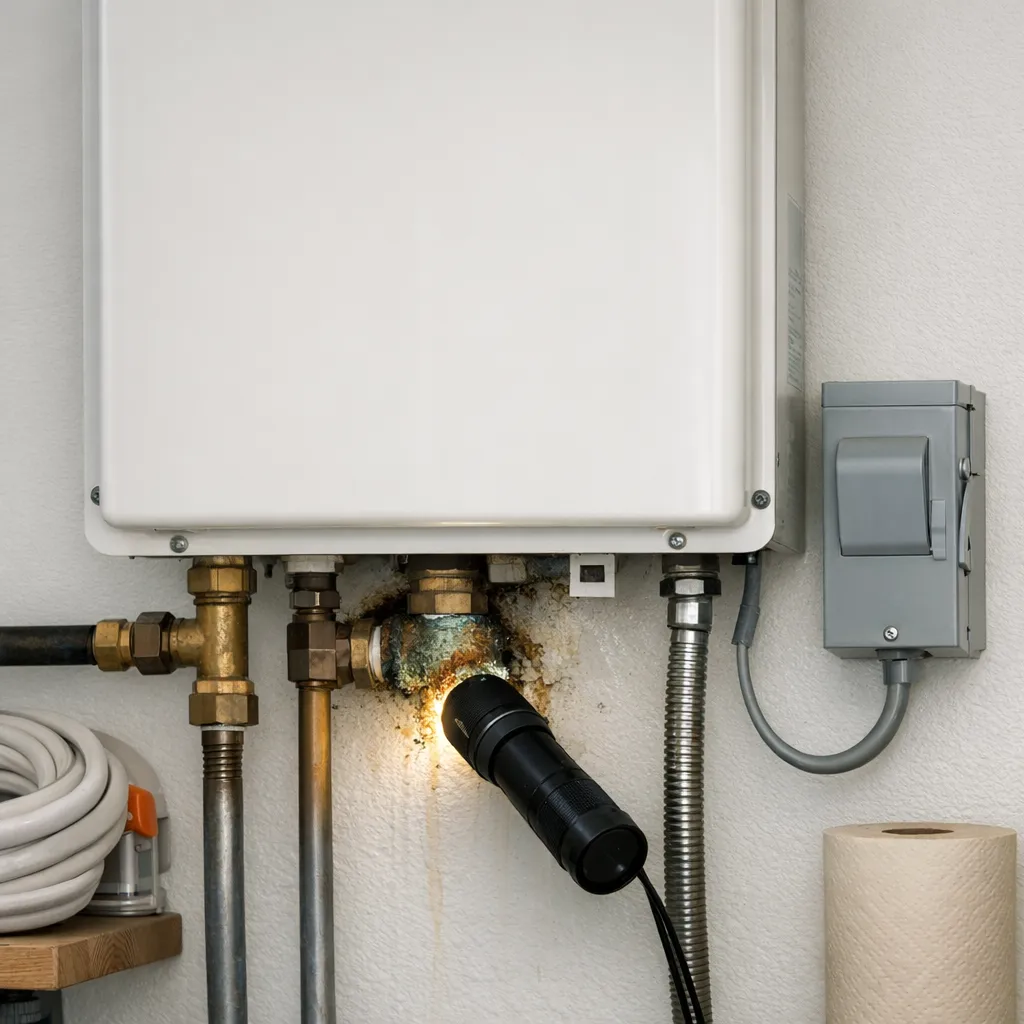
Do not ignore external moisture, corrosion, or discolored fittings. A leak above or around a tankless unit may come from a loose connection, a relief valve, condensate equipment, or another pipe rather than the heat exchanger. Nevertheless, water near electrical components or a gas appliance warrants caution. Turn off the appropriate water supply if leakage is active, avoid touching wet electrical equipment, and arrange qualified service rather than assuming thread tape will solve the problem.
Signs That Mineral Scale Is Already Affecting the Unit
Scale-related symptoms overlap with several other faults, so no single symptom provides a complete diagnosis. A technician may need to measure flow, inspect filters, review stored fault codes, test temperature rise, and evaluate combustion. Still, a combination of symptoms can help homeowners decide how urgently to schedule service.
| What you notice | Possible explanation | Sensible next step |
|---|---|---|
| Hot water alternates between hot and cool | Restricted flow, scale, low demand, or a sensor problem | Clean accessible inlet screens and schedule diagnosis if it continues |
| Hot-water flow is weak throughout the house | Scale in the heater or restrictions in the plumbing | Compare hot and cold flow, then arrange inspection |
| The heater shuts down or displays repeated codes | Overheating, poor combustion, blocked venting, scale, or sensor failure | Record the code and consult the manual or a qualified technician |
| Water takes longer to reach fixtures | Recirculation, routing, flow, or usage issue | Check whether the delay is new and whether all fixtures are affected |
| Rumbling, sizzling, or popping occurs during operation | Mineral deposits or abnormal heating conditions | Stop using the unit if the sound is severe and request service |
| Moisture or corrosion appears around connections | Plumbing, condensate, valve, or internal leakage | Shut off water if necessary and identify the source before restarting |
A decline in performance does not necessarily mean replacement is inevitable. A structurally sound heat exchanger may recover after a proper flush, filter cleaning, and correction of installation problems. However, descaling cannot repair a cracked heat exchanger, damaged control board, severely corroded assembly, or recurring combustion fault. If several major components are deteriorating at once, continued repairs may no longer be economical.
How to Extend Its Life in a Hard-Water Home
The most important step is to follow the manufacturer’s maintenance schedule for the specific model and local water conditions. Many tankless systems are designed with service valves that allow a technician or capable homeowner to circulate an approved descaling solution through the heat exchanger. Harder water or heavy household demand may justify more frequent service, but the correct interval should be based on the manual, water testing, and actual scale accumulation—not a universal calendar rule.
A typical maintenance visit may include cleaning the cold-water inlet filter, inspecting the vent and air intake, checking gas pressure or electrical connections, examining the condensate drain, testing safety controls, and flushing the heat exchanger. Gas combustion adjustments and internal electrical testing are not appropriate trial-and-error DIY tasks. Poor combustion can create carbon-monoxide risk, while electric units may contain high-voltage circuits even though they do not burn fuel.
Water treatment can reduce future buildup. Options include a conventional ion-exchange softener, certain scale-control systems, or point-of-entry treatment selected after a water test. These products do not all work the same way. A traditional softener removes hardness minerals through ion exchange, while some “salt-free” products are intended to alter scale behavior rather than remove hardness. Before buying equipment, confirm the water chemistry, required flow rate, drain needs, maintenance demands, available space, and whether the heater manufacturer recognizes the proposed treatment method.
A Safe Approach to Flushing and Descaling
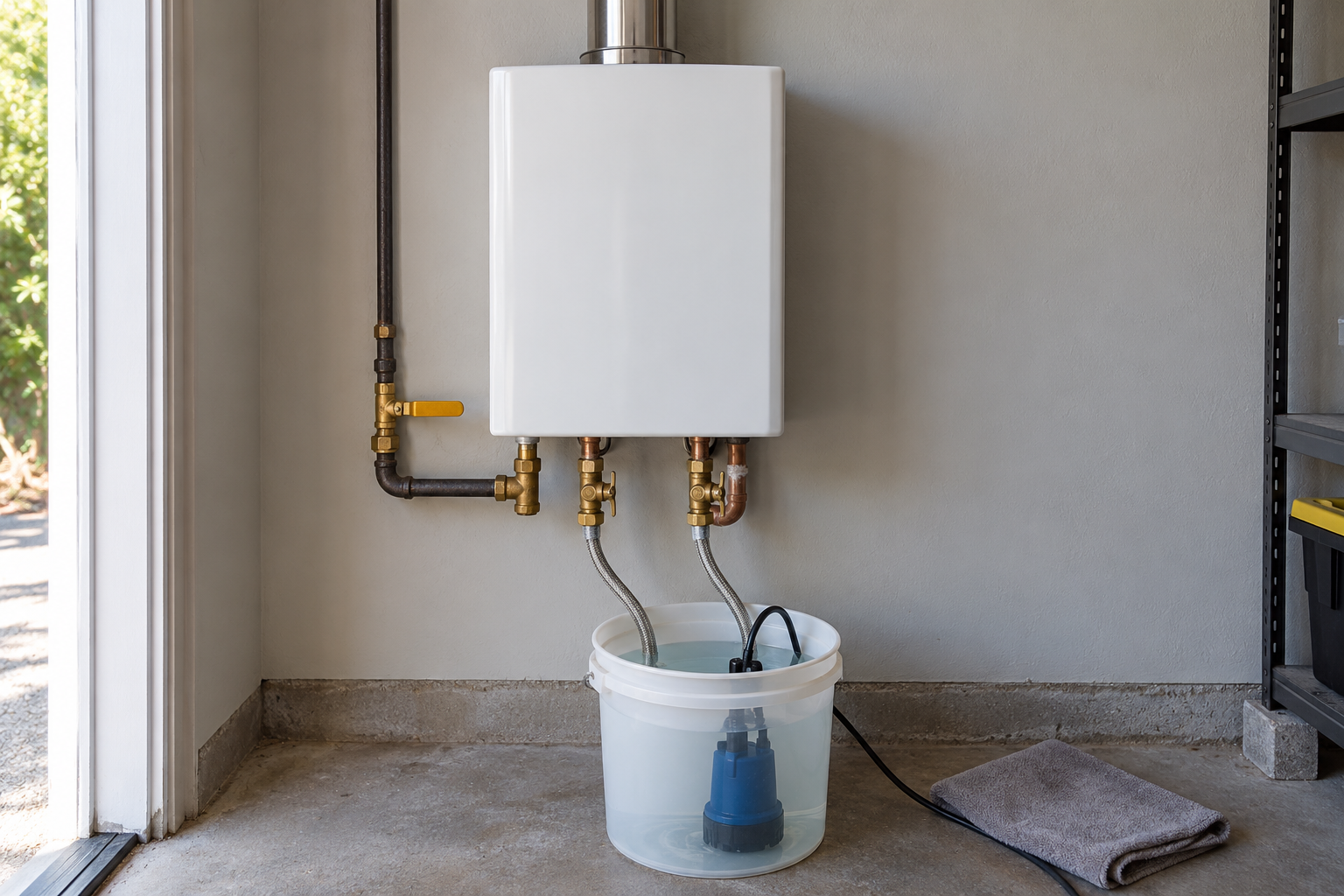
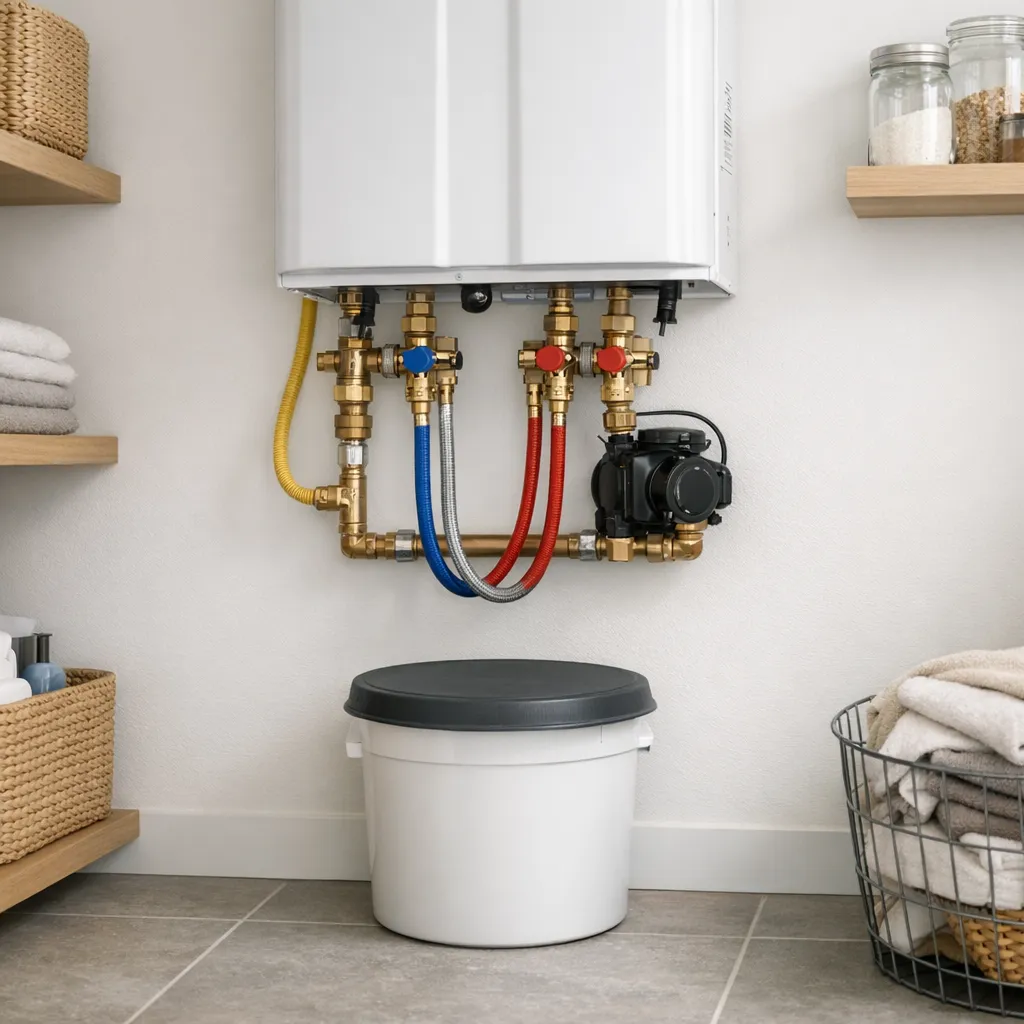
A homeowner should attempt a flush only if the heater has correctly installed isolation and service valves, the manufacturer permits homeowner maintenance, and the manual’s procedure is fully understood. The process varies between brands. It may require shutting down gas or electrical power, closing water valves in a particular sequence, attaching hoses, circulating an approved solution, rinsing the heat exchanger, cleaning a filter, and carefully restoring service.
Do not improvise with unknown chemicals or assume that any household acid is safe for every model. The wrong concentration or product can damage seals, metals, pumps, or wastewater systems. Never open a gas line, alter a regulator, bypass a safety device, or work inside energized electrical compartments. If the valves are corroded, inaccessible, leaking, or missing, stop and call a plumber or authorized service technician.
After a flush, the system should be checked for leaks and normal operation. Gas-fired equipment should ignite cleanly, vent properly, and remain free of combustion-related fault codes. Electric units should not trip breakers or produce abnormal noise. If the heater leaks after service, repeatedly overheats, or will not restart according to the manual, leave it off until it can be inspected. A successful flush should restore safe operation—not merely clear an error long enough to postpone diagnosis.
When Water Treatment Is Worth the Investment
A water softener becomes more compelling when hardness affects the entire house rather than only the heater. Common clues include stubborn scale on fixtures, spotted glassware, reduced showerhead flow, crusted valves, and repeated appliance problems. Testing is better than judging by appearance alone because iron, sediment, and other water-quality issues can resemble or compound hardness.
Whole-house treatment involves tradeoffs. A conventional softener requires salt or potassium, regeneration water, a drain connection, electricity for many control valves, and periodic maintenance. Alternative scale-control devices may need less routine handling but may not provide the same reduction in measured hardness. Homes on private wells may also need treatment for iron, sediment, acidity, or bacteria before a hardness solution can work reliably.
The plumbing system itself matters. Older restricted pipes can continue to limit flow even after the heater has been descaled. If mineral buildup, corrosion, or repeated leaks are widespread, compare targeted repairs with broader piping work. A practical review of PEX versus copper repiping can help clarify material and installation tradeoffs, but repiping should not be recommended solely because a tankless heater has scale. Diagnose the actual restriction first.
Repair the Heater or Replace It?
Age alone should not decide whether a tankless water heater is replaced. A younger unit with a clogged inlet filter or serviceable scale buildup may need only maintenance. An older heater with a leaking heat exchanger, unavailable parts, repeated control failures, or chronic installation problems may be a poor candidate for another expensive repair.
Ask for an itemized diagnosis rather than a replacement recommendation based only on symptoms. Useful questions include whether the heat exchanger is leaking, which error codes were confirmed, whether combustion or electrical tests were completed, what caused the failure, and whether the proposed repair carries a warranty. Also ask whether poor sizing, inadequate gas supply, undersized wiring, blocked venting, or a flawed recirculation setup contributed to the problem. Replacing the appliance without correcting the cause can damage the new unit as well.
Compare the repair quote with the full installed cost of replacement, not just the price of the heater. Installation may involve venting changes, gas-line work, electrical upgrades, condensate drainage, permits, isolation valves, or water treatment. The guide to water heater replacement cost explains why site conditions can affect the total substantially. When several major components are near the end of their expected service life, replacement may offer better value and reliability than a sequence of isolated repairs.
Mistakes That Can Shorten Tankless-Heater Life
The first common mistake is waiting for a shutdown before performing maintenance. Mineral scale develops gradually, and the heater may continue producing hot water while efficiency and flow deteriorate. Establishing a maintenance plan shortly after installation is easier than trying to recover a severely restricted heat exchanger years later.
Another mistake is setting the outlet temperature unnecessarily high. Higher temperatures can increase scald risk and may encourage faster scale formation under some water conditions. Use a safe setting suitable for the household and follow the manufacturer’s instructions. Homes with children, older adults, or anyone with reduced sensation may benefit from additional anti-scald protection installed and tested by a plumbing professional.
Homeowners also lose money by treating every symptom as a scale problem. Faulty flow sensors, dirty burners, obstructed vents, damaged heating elements, crossover through a mixing valve, low gas pressure, and undersized electrical service can produce similar complaints. Repeatedly flushing a unit will not correct those conditions. Likewise, wrapping leaking fittings with excessive tape is not a substitute for identifying damaged threads, failed seals, or an internal leak.
When to Stop DIY and Call a Professional
Call a qualified plumber or authorized service technician when there is water inside the cabinet, active leakage from the heat exchanger, severe corrosion, repeated overheating, unexplained shutdowns, or an error code that returns after basic maintenance. Professional help is also appropriate when the unit lacks service valves or when valves cannot be operated without force. Breaking a seized fitting can turn a maintenance task into a significant leak.
Gas-fired heaters require immediate caution if there is a gas odor, soot, scorch marks, abnormal burner noise, or a carbon-monoxide alarm. Do not attempt to diagnose combustion by taking the cabinet apart. Leave the area, avoid flames and electrical switches, and contact the gas utility or emergency services according to local guidance. Venting defects and incomplete combustion can be dangerous even when the unit still heats water.
For electric tankless heaters, stop if breakers trip repeatedly, wiring appears overheated, or there is buzzing, arcing, or a burning smell. These units can draw substantial current and may use multiple high-voltage circuits. Shut off power only if you can do so safely from a dry, accessible panel. Sewage contamination is not a normal tankless-heater issue, but if nearby flooding contains sewage or unknown water, avoid contact and have the equipment evaluated before reuse.
FAQ About Tankless Water Heaters and Hard Water
Can a tankless water heater last 20 years with hard water?
It can, but 20 years should be viewed as a favorable outcome rather than a promise. The chances improve when the heater is properly sized, installed to the manufacturer’s requirements, flushed as needed, protected by suitable water treatment, and repaired promptly when symptoms appear. Very hard water, high hot-water demand, excessive temperature settings, or years without service can shorten its useful life.
How often should a tankless water heater be flushed?
There is no single interval appropriate for every unit and water supply. Check the manufacturer’s manual, test the water, and consider actual household demand. Some homes need annual attention, while others may follow a different schedule. If scale returns quickly, the better solution may be water treatment or correction of an installation problem rather than increasingly frequent flushing.
Will a water softener remove scale already inside the heater?
A softener helps reduce new hardness entering the system, but it should not be treated as a guaranteed way to remove established deposits from a heat exchanger. Existing scale may require an approved descaling procedure. Severe restrictions, corrosion, or heat damage may remain even after treatment, so performance should be evaluated afterward.
Does a tankless heater warranty cover hard-water damage?
Warranty language varies by manufacturer and model. Some warranties exclude damage associated with scale, poor water quality, improper maintenance, or installation outside specified water-chemistry limits. Read the current warranty documents and keep records of installation, water testing, flushing, and professional service. Those records can be valuable if a claim is needed.
Is fluctuating water temperature always caused by mineral buildup?
No. Scale is one possibility, but low flow, crossed plumbing, a failing sensor, an obstructed filter, changing demand, recirculation problems, combustion faults, or an undersized unit can cause similar symptoms. Note when the fluctuation occurs, test more than one fixture, record error codes, and have the complete system diagnosed before approving a major repair or replacement.
Why This Is Different in San Antonio
San Antonio water supplied through the Edwards Aquifer is about 357 mg/L, or 21 gpg—hard enough to coat a tankless heat exchanger much faster than soft-water national maintenance schedules assume. Scale acts as insulation, narrows the water path, and makes the burner or heating elements work longer. SAWS water-quality reporting is a useful baseline, but hardness can still vary by supply blend and whether a home has functioning treatment.
In an Alamo Heights house with older mixed-metal plumbing, flakes released after valve work can add to the mineral load at the inlet screen. In newer Bexar County homes, the more common problem is simply postponing descaling because the unit still makes hot water. Neither situation proves that the heater is ruined: flow readings, error history, leak evidence, and the condition of the heat exchanger matter more than age alone.
Winter Storm Uri also taught local owners to inspect exterior runs and isolation valves. Freeze damage is different from scale damage and should not be “fixed” by descaling a cracked component. A maintained unit may still reach 15–20 years; a neglected one can need major parts before year 10.
What San Antonio Homeowners Pay (2026)
| Tankless service | Typical local range |
|---|---|
| Routine flush/descale | $150–$350 |
| Diagnostic visit or minor sensor/valve repair | $150–$600 |
| Heat-exchanger or major component repair | $700–$1,800+ |
| Tankless replacement | $2,500–$5,500 installed |
| Whole-home softener | $1,500–$4,000 |
Access, venting, gas-line upgrades, electrical work, permits, and after-hours timing can move the quote. Ask for a written scope that separates maintenance from failed-part replacement.
When to Call a San Antonio Plumber
Stop DIY work if the cabinet is leaking, the unit shows repeated combustion or overheat errors, a gas odor is present, a valve will not close, or water is near energized parts. Leave and call the gas utility from a safe place for suspected gas or carbon-monoxide trouble. For routine service, choose a licensed Bexar County plumber familiar with your brand and ask whether the quoted work includes inlet-screen cleaning, scale removal, flow verification, and a post-service leak check.
San Antonio FAQ
Does hard water automatically void a tankless warranty?
Not automatically, but skipped maintenance can affect coverage. Keep dated flush records and follow the manufacturer’s interval; homes on 21 gpg water may need service more often than the generic annual recommendation.
Is a softener required to keep a tankless heater alive?
No, but treatment can reduce scale. Correct sizing, periodic hardness checks, and regular descaling still matter because bypassed or exhausted softeners provide little protection.
Can I judge remaining life from the heater’s age?
Age is only one clue. Stable temperature, normal flow, clean combustion, repair history, and a leak-free heat exchanger give a better picture than the installation date alone.