> San Antonio Local Insight: Faucet and fixture leaks happen faster in San Antonio because hard water mineral deposits (21 gpg from the Edwards Aquifer) grind down valve seats, corrode cartridges, and build up scale that prevents proper sealing. A faucet that might last 15 years in a soft-water city often starts leaking within 5–8 years here without a water softener.
When a leaking kitchen faucet appears, the first job is not buying a part—it is finding where the water or blockage actually begins. Homes across Bexar County combine very hard Edwards Aquifer water, mixed plumbing eras, long hot summers, and occasional hard freezes. Those conditions change both diagnosis and maintenance. This guide gives a safe homeowner sequence, clear stop points, and realistic local cost cues.
In Westover Hills and Alamo Ranch, construction details can change access and risk. Set aside about $150–$350 for a straightforward service call, but do not approve a larger repair until the plumber can show the failed component, explain whether scale or freeze stress contributed, and separate urgent work from preventive upgrades.
Start With a Safe, Topic-Specific Diagnosis
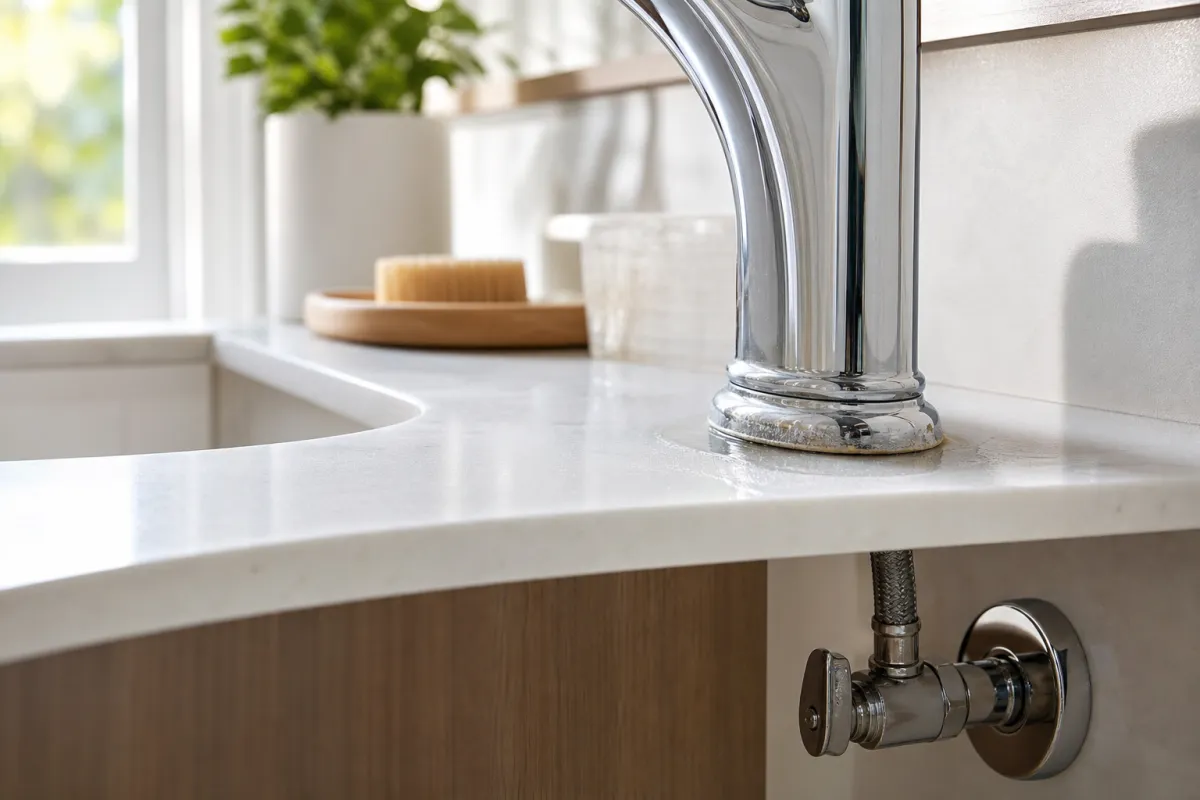
Close both fixture stops, cover the drain, and identify whether water comes from the spout, handle, base, sprayer, or supply connection. Photograph the cartridge orientation before removal. Clean loose scale with manufacturer-approved methods, replace matched seals or the cartridge, and reopen the stops slowly while checking every joint. Replace a stop valve that will not close rather than forcing it.
Observe before disassembly. Note whether the symptom is constant or intermittent, whether other fixtures are affected, and whether the water meter moves while everything is off. Photograph corrosion, mineral crust, staining, and the location of any moisture. That evidence helps a licensed professional distinguish a small service repair from a concealed system problem.
DIY ends when there is standing water near electricity, gas odor, a failed main shutoff, sewage, hidden-wall moisture, a hot pressurized vessel, or a condition that worsens when touched. Those are not learning opportunities; isolate the hazard and get qualified help.
What the Symptoms Usually Mean
A spout drip usually points to a worn cartridge or valve seat; water around the handle suggests an O-ring or cartridge seal; moisture in the cabinet may come from supply lines, the sprayer hose, or the faucet body. Calcium grit scratches sealing surfaces, so installing a new rubber seal over a crusted seat often produces only a temporary fix.
White crust is evidence, not a complete diagnosis. It shows that water evaporated at that location, but the source may be above or behind it. Clean and dry the area, then watch for the first returning moisture. Similarly, a slow drain does not automatically justify aggressive chemicals, and a leak does not automatically justify replacing an entire system. Match the repair to the confirmed failure.
A Practical Homeowner Repair Sequence
1. Control the hazard. Shut off water, power, or gas as appropriate without touching wet electrical equipment.
2. Confirm the source. Dry surfaces, test one fixture at a time, and watch the meter when useful.
3. Try the least invasive correction. Remove accessible debris, replace an identified service part, or tighten only a verified loose connection.
4. Restore service slowly. Reopen valves gradually and inspect under normal operating pressure.
5. Recheck later. Look again after 15 minutes, after several uses, and the next morning. A dry first test can miss a slow leak.
Keep receipts and part numbers. If the same symptom returns, that record prevents another technician from repeating an unsuccessful repair and helps establish whether a broader hard-water treatment or piping correction is justified.
Why This Is Different in San Antonio
The Edwards Aquifer supply measures roughly 357 mg/L, about 21 grains per gallon, so calcium and magnesium deposits are part of everyday plumbing maintenance. Scale catches debris, stiffens moving parts, insulates heater surfaces, and can hide slow seepage around fittings. It does not explain every failure, but ignoring it leads to short-lived repairs.
SAWS customers should use the utility's current conservation, freeze, meter, and emergency guidance when those rules apply. Work on service lines, water heaters, gas connections, backflow devices, or concealed piping may also require a licensed plumber and permits or inspections. Bexar County addresses outside city limits can have different jurisdictional requirements, so a contractor should identify the authority before opening walls or replacing equipment.
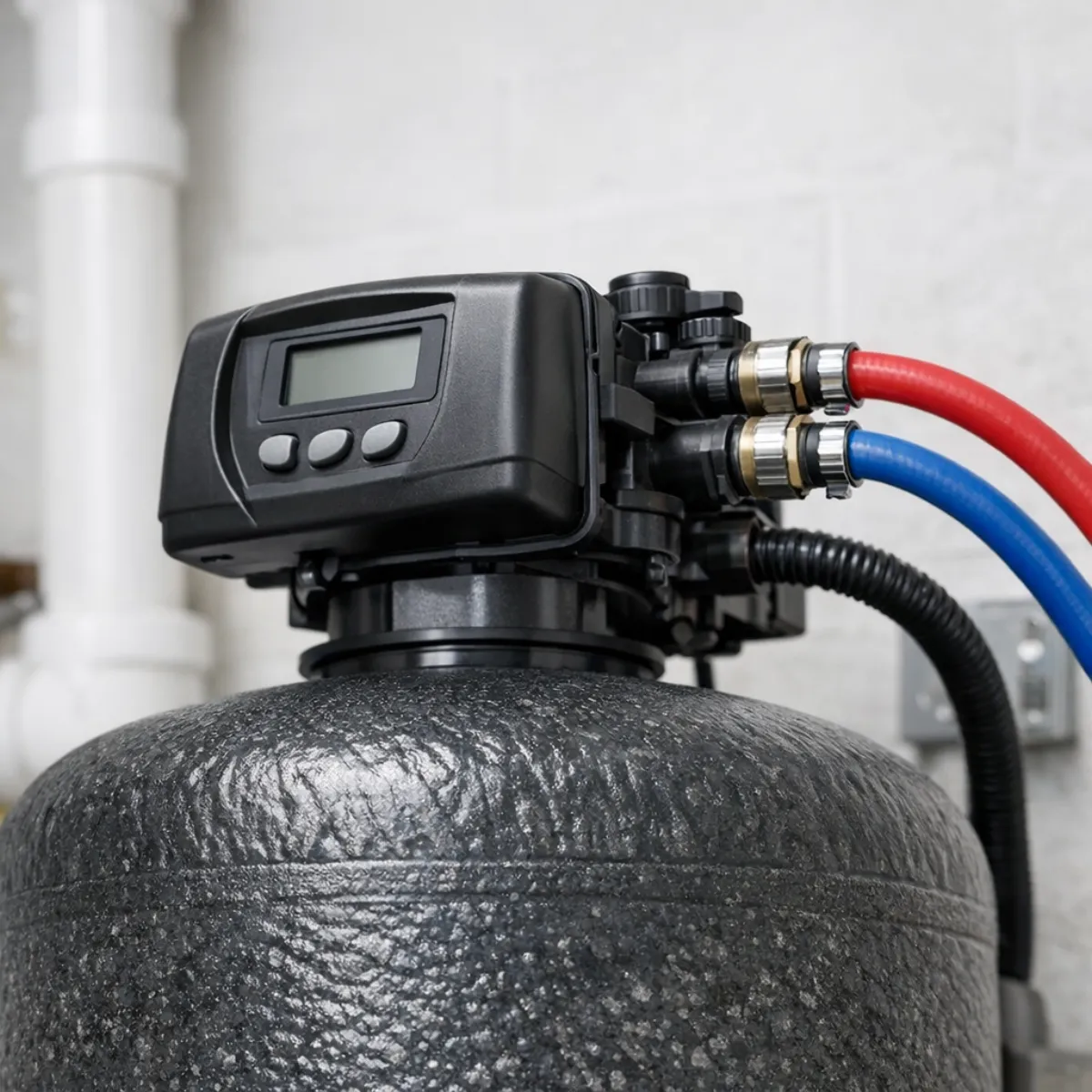
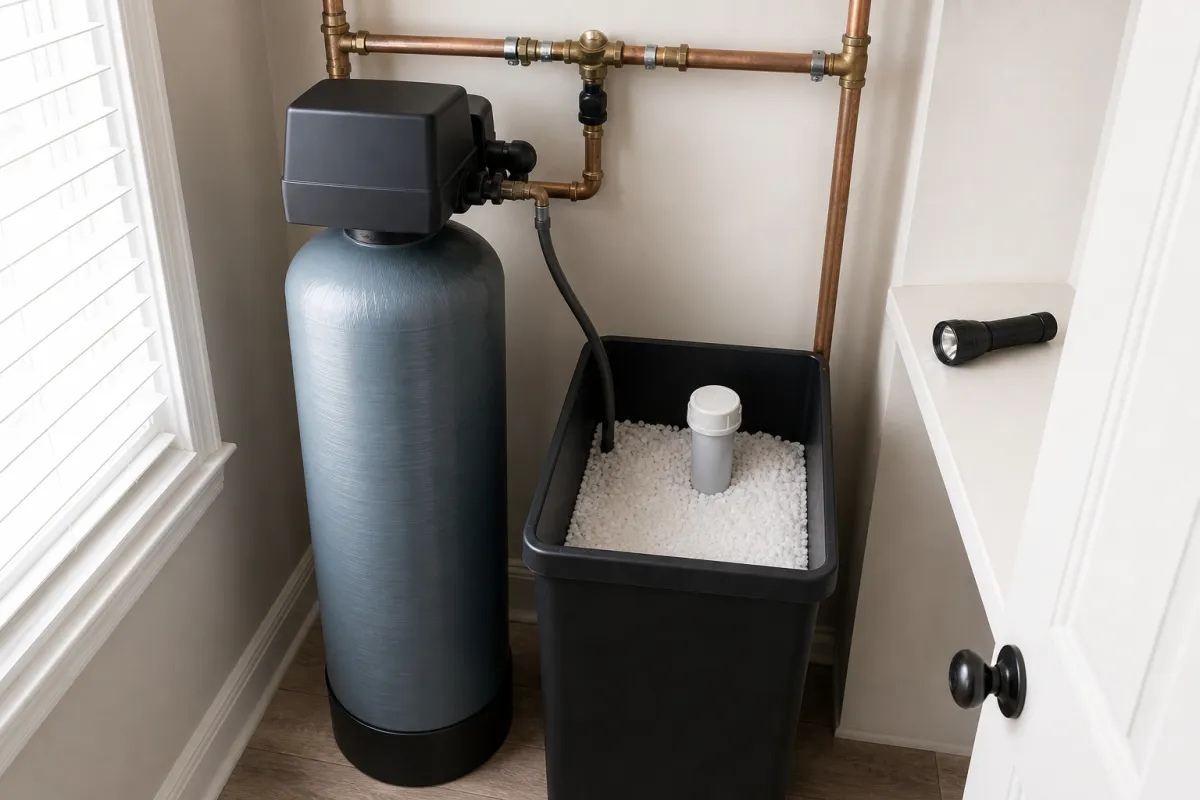
A sensible maintenance plan is specific: inspect visible connections twice a year, operate accessible shutoff valves gently, clean aerators and strainers, and follow equipment instructions for flushing or descaling. A softener can reduce scale, but it must be sized, maintained, and installed correctly; it will not repair existing corrosion or a damaged drain.
Plan the Repair Around the Whole System
A durable repair includes a short system check rather than tunnel vision on one failed part. Test nearby fixtures, inspect accessible supply and drain connections, and compare hot and cold flow. In San Antonio, that quick comparison often reveals whether the problem is isolated or whether scale and pressure are affecting several components. It also gives you a baseline for the follow-up inspection.
Do not let an upsell replace diagnosis. If water treatment is proposed, ask for measured hardness, pressure, flow, equipment capacity, regeneration frequency, drain requirements, and annual salt or filter cost. If repiping is proposed, ask which observed failures justify its scope and how walls and finishes will be restored. A good San Antonio contractor should be comfortable documenting those answers.
Before authorizing work, get the warranty in writing and clarify who handles permits, inspections, cleanup, and damage discovered after access begins. For an older home, ask how new materials will connect to existing copper, galvanized steel, cast iron, PVC, or PEX. Mixed-material transitions and unsupported piping can create a new failure even when the original repair is correct.
After completion, operate the fixture or equipment through several cycles. Check pressure, drainage, temperature, noise, and the meter as appropriate. Photograph the finished connections and save model and part numbers. Reinspect after one day and one week; slow seepage and settling connections are easier to correct before cabinetry, drywall, or flooring is closed.
Seasonal Checks That Prevent Repeat Damage
Check braided supplies before summer travel and after any freeze. Winter Storm Uri taught local owners to inspect hidden cabinet lines after pressure returns, not only the exposed hose bibs.
During long hot periods, garages and attics can become severe environments for connectors, heater components, and plastic parts. After a pressure interruption, run fixtures carefully and clean aerators because loosened mineral debris can jam cartridges. Record the normal meter reading and main-shutoff location before an emergency, and make sure every adult in the home knows how to isolate water safely.
What San Antonio Homeowners Pay (2026)
| Service or repair | Typical local planning range |
|---|---|
| Cartridge or seal parts | $20–$120 |
| Professional faucet repair | $150–$300 |
| New kitchen faucet installed | $300–$900 |
| Damaged cabinet or supply-line repair | $250–$1,500+ |
These are planning ranges, not quotes. Access, after-hours timing, permit requirements, finish level, equipment capacity, and hidden damage can move the total. Ask for an itemized written estimate showing diagnostic fee, labor, parts, permit, disposal, and restoration. A low headline price may exclude the wall, cabinet, electrical, or gas work needed to finish safely.
When to Call a San Antonio Plumber
Call promptly if you cannot isolate the water, the meter continues moving with fixtures off, several drains react together, pressure changes suddenly, water reaches electrical components, a gas appliance is involved, or moisture enters a wall, ceiling, slab, or cabinet. Also escalate recurring failures: repeating the same cartridge, cable, or patch without identifying the cause wastes money and can conceal deterioration.
For a useful service visit, share photos, the age and model of the fixture or appliance, when the symptom started, whether a freeze or utility interruption preceded it, and what DIY steps were attempted. Ask the plumber to demonstrate the failure and provide before-and-after test results. That approach produces a repair decision, not just a parts list.
Local FAQ
Can vinegar remove faucet scale?
It can soften light deposits on removable, compatible parts, but follow the finish and cartridge manufacturer instructions. Do not soak unknown plated finishes.
Why does a new cartridge still drip?
The cartridge may be wrong, installed backward, damaged by debris, or seating against a scarred valve body.
Should I replace the faucet instead?
Replacement is sensible when the body is cracked, parts are unavailable, corrosion is extensive, or repair labor approaches the cost of a durable new fixture.
The Bottom Line
Handle the immediate symptom with the least invasive safe step, then verify why it happened. The best result is not merely stopping today's drip, clog, or freeze event; it is leaving the system testable, maintainable, and less likely to fail again. Local water chemistry and seasonal stress deserve attention, but evidence should drive the repair.