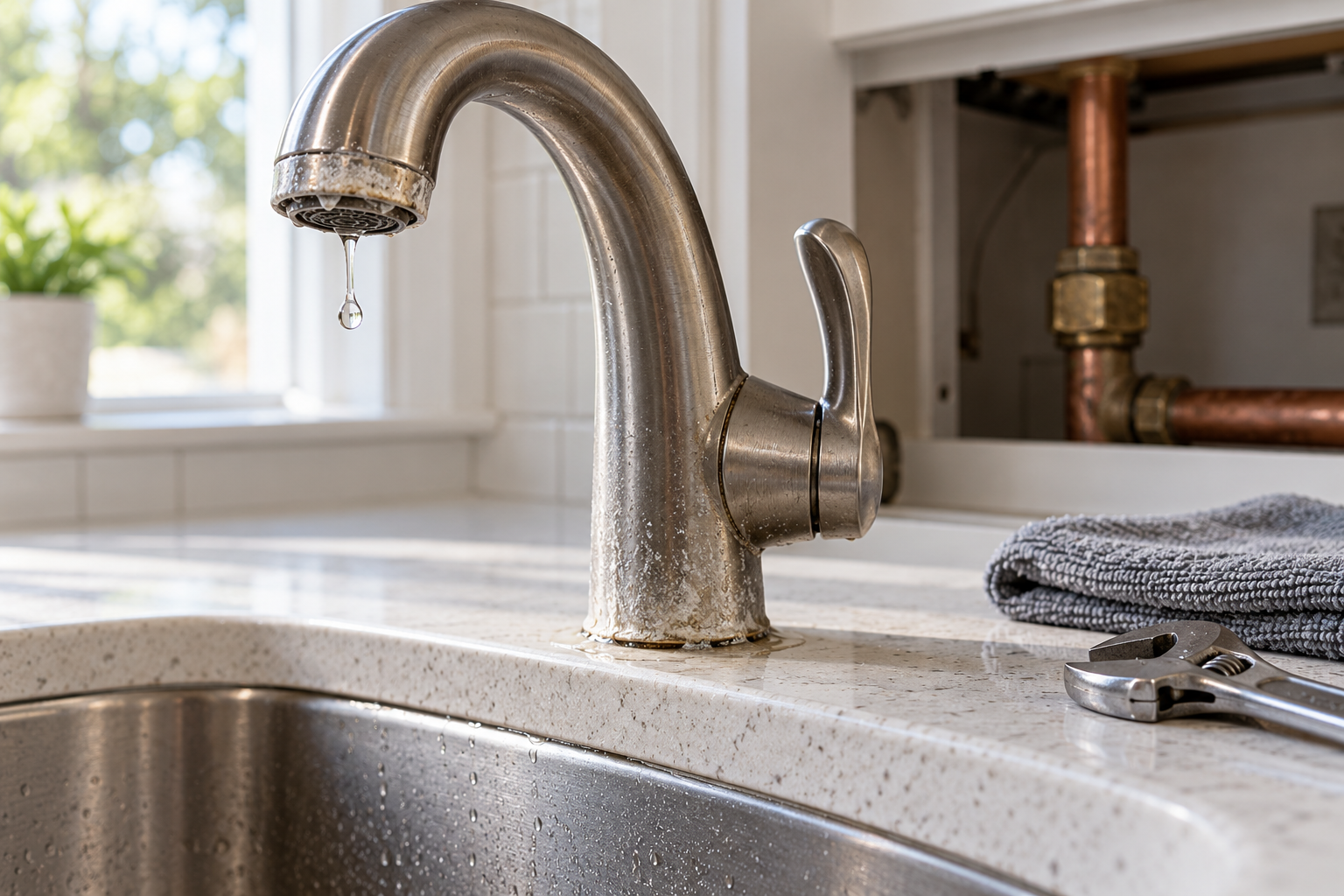
> San Antonio Local Insight: Hard water mineral deposits (21 gpg from Edwards Aquifer) affect toilet components, garbage disposals, and fixtures throughout local homes. Scale buildup causes premature wear, reduces performance, and creates problems that soft-water cities rarely see. Regular descaling maintenance is essential for San Antonio plumbing.
Local San Antonio Field Notes Before You Start
Before following any generic plumbing checklist, adjust it for our Edwards Aquifer water. At roughly 357 mg/L, or 21 grains per gallon, the calcium carbonate and magnesium in the water can turn a small maintenance issue into repeat wear on valves, seals, drains, heaters, and appliance connections. That means small rubber seals, cartridges, fill valves, and supply stops deserve extra attention because mineral grit wears those parts faster here.
A homeowner in Westover Hills and Alamo Ranch should be especially careful because newer PEX-heavy homes still get hard-water damage at fixtures, cartridges, and appliances. If you are comparing advice from national repair guides, shorten the maintenance interval and inspect for white scale, crusted fittings, stiff shutoff valves, and early corrosion before assuming the part simply “got old.”
For budgeting, use local pricing instead of national averages: fixture labor commonly runs $150-$300 for simple faucet or supply work, while toilet replacement often lands around $300-$800 including the unit. If the issue appears after a summer high-use period or after a rare freeze like Winter Storm Uri, treat it as a local risk signal and document what you see before calling a licensed plumber in Bexar County.
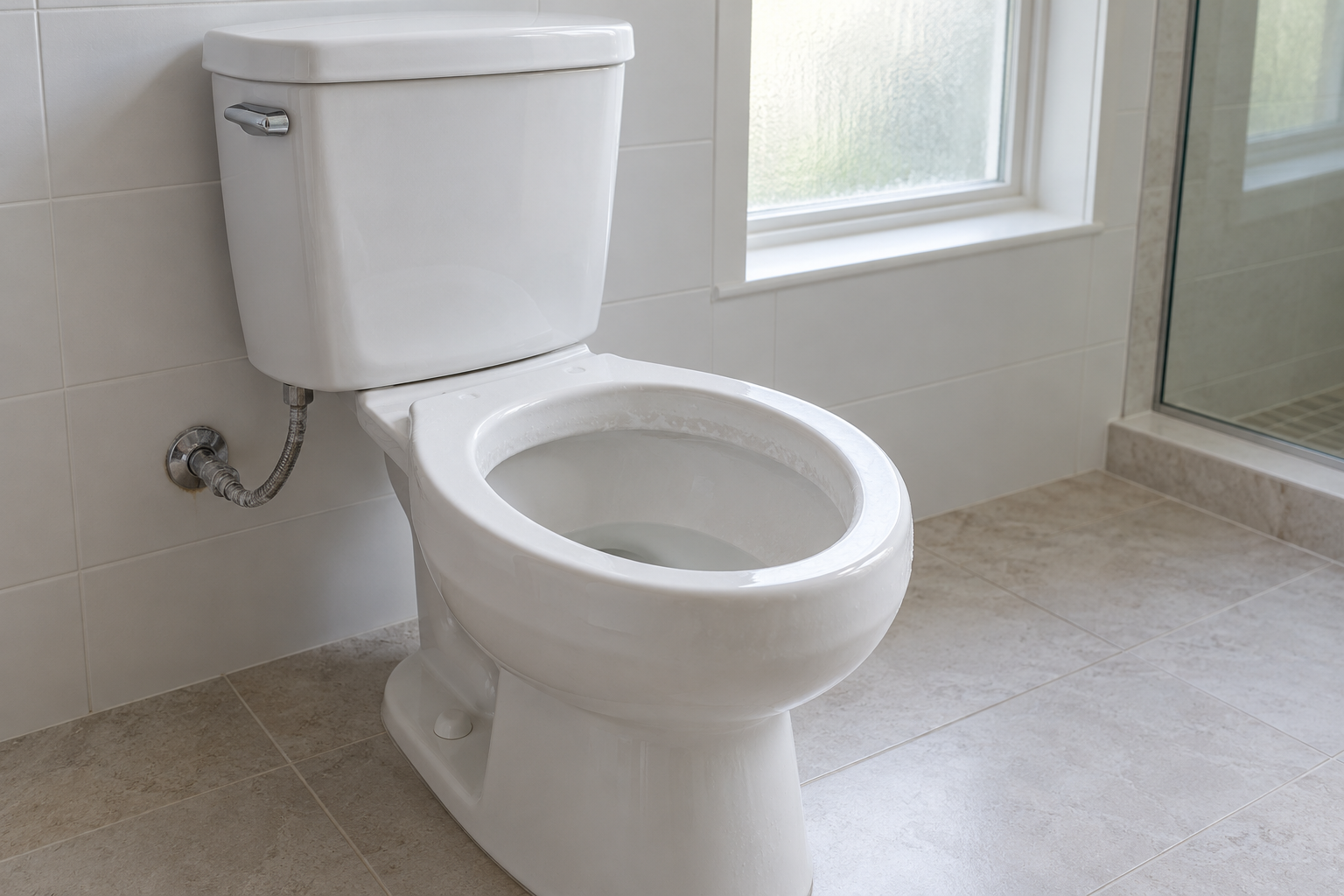
Low water in a toilet bowl usually points to an incomplete refill, a partial clog, a blocked vent, or water slowly leaking through a crack. The bowl’s normal level is set by the toilet’s trapway geometry, so pouring in extra water will not permanently raise it if an underlying fault remains. Start with the simple checks: compare the bowl level after several flushes, inspect the tank’s refill system, and look for leakage around the fixture.
Stop using the toilet if wastewater backs up, the bowl repeatedly rises toward the rim, water appears at the base, or nearby drains gurgle and overflow. Keep electrical devices away from wet floors. Sewage exposure, a loose toilet, a cracked bowl, or a suspected main-drain blockage calls for professional help.
How the Bowl Gets Its Water
A toilet performs two linked jobs during a flush. Water stored in the tank rushes into the bowl to initiate siphoning through the trapway. As the tank refills, a small refill tube sends water into the overflow tube, which replenishes the bowl. If that tube is disconnected, kinked, incorrectly positioned, or receiving too little flow, the tank may look full while the bowl remains low.
The molded trap inside the toilet establishes the resting water level. Once water reaches the trap’s crest, excess flows into the drain. This is why manually adding a bucket can be diagnostic: if the bowl reaches its usual level and stays there, the refill system may be deficient; if it drains slowly below normal, siphoning, a crack, or a drain/vent issue is more likely.
First Confirm That the Level Is Actually Abnormal
Toilet designs vary, especially water-saving models. Look for a manufacturer waterline mark inside the tank and compare the bowl with previous behavior or an identical toilet in the home. Flush once, wait until the fill valve stops, and mark the bowl level temporarily with removable tape outside the porcelain. Check it again after 20–30 minutes without flushing.
Observe the flush itself. A strong flush followed by a shallow refill suggests a refill-tube or fill-valve issue. A weak, swirling flush can indicate low tank volume, clogged rim jets, or a partial obstruction. A bowl that rises unusually high and then drains low often indicates restricted drainage rather than inadequate incoming water.
Safety and Sanitation Before DIY Work
Close the toilet’s supply valve before reaching into the tank or removing components. Turn it clockwise gently; do not force a corroded valve. If it will not close or begins leaking at the stem, stop and arrange repair. Tank water is normally clean supply water, but the bowl and tools used in it should be treated as contaminated. Wear gloves, avoid splashing, disinfect tools, and wash thoroughly.
Never mix drain chemicals, and do not pour caustic cleaner into a toilet. Chemicals may remain trapped, damage components, splash during plunging, or expose a plumber later. If sewage is on the floor, keep children and pets away, avoid tracking it through the house, and seek cleanup guidance. Water near receptacles or energized equipment requires an electrician or emergency professional rather than improvised cleanup.
Check the Tank Water Level and Refill Tube
Remove the tank lid with both hands and set it on a padded surface. After a flush, the tank water should stop near the marked waterline, commonly below the top of the overflow tube. If it stops far below that point, adjust the float according to the fill-valve design. Do not raise the water above the manufacturer’s mark; continuous flow into the overflow wastes water and masks a faulty valve.
Find the narrow refill tube running from the fill valve to the overflow tube. It should be secured so water flows into the overflow opening, not shoved deeply down the tube where it could create siphoning. Reattach a loose tube with the proper clip and straighten a kink. Replace a brittle or split tube rather than relying on tape.

Test for a Partial Clog
A partial trapway clog can let the toilet drain but disrupt the flush and leave the bowl low. Use a flange-style toilet plunger with enough water to cover its cup. Seat it over the outlet and use controlled strokes, beginning gently to expel air without splashing. Several firm cycles may clear paper or organic waste.
If plunging does not help, a toilet auger is safer for porcelain than a general-purpose metal drain snake. Feed it according to its instructions without forcing it. Stop if you encounter a hard object, cannot retrieve the cable, or suspect a child’s toy or other solid item. Do not repeatedly flush a rising bowl; close the supply valve and remove water carefully before it overflows.
Inspect Rim Jets and the Siphon Jet
Mineral deposits can restrict the openings under the bowl rim and the larger siphon jet near the bottom, reducing the water delivered during a flush. With the supply closed and bowl clean, inspect openings using a mirror and flashlight. A nonmetallic brush or wooden tool can loosen surface deposits without scratching porcelain. Follow the toilet maker’s cleaning guidance.
Avoid aggressive acids, mixing vinegar with other cleaners, or chipping deposits with metal objects. Severely restricted internal passages may be difficult to restore, particularly in an older fixture. If tank level and refill flow are correct but every flush remains weak, replacement can be more practical than repeated chemical treatment.
Consider Vent and Drain Problems
Plumbing vents admit air so wastewater can move without pulling water from fixture traps. A blocked or poorly configured vent may cause gurgling, fluctuating bowl levels, or odors, often affecting more than one fixture. Nearby sinks or tubs may drain slowly, and flushing one fixture may disturb another. These patterns are more informative than the toilet symptom alone.
Do not climb onto a roof to inspect a vent unless you have the proper access, equipment, and training; falls are a much greater hazard than a low bowl level. A plumber can assess vents and branch drains with appropriate tools. If multiple fixtures back up, a lower-level drain overflows, or sewage appears, stop water use and request drain service promptly.

Look for Leaks, Cracks, and Unwanted Siphoning
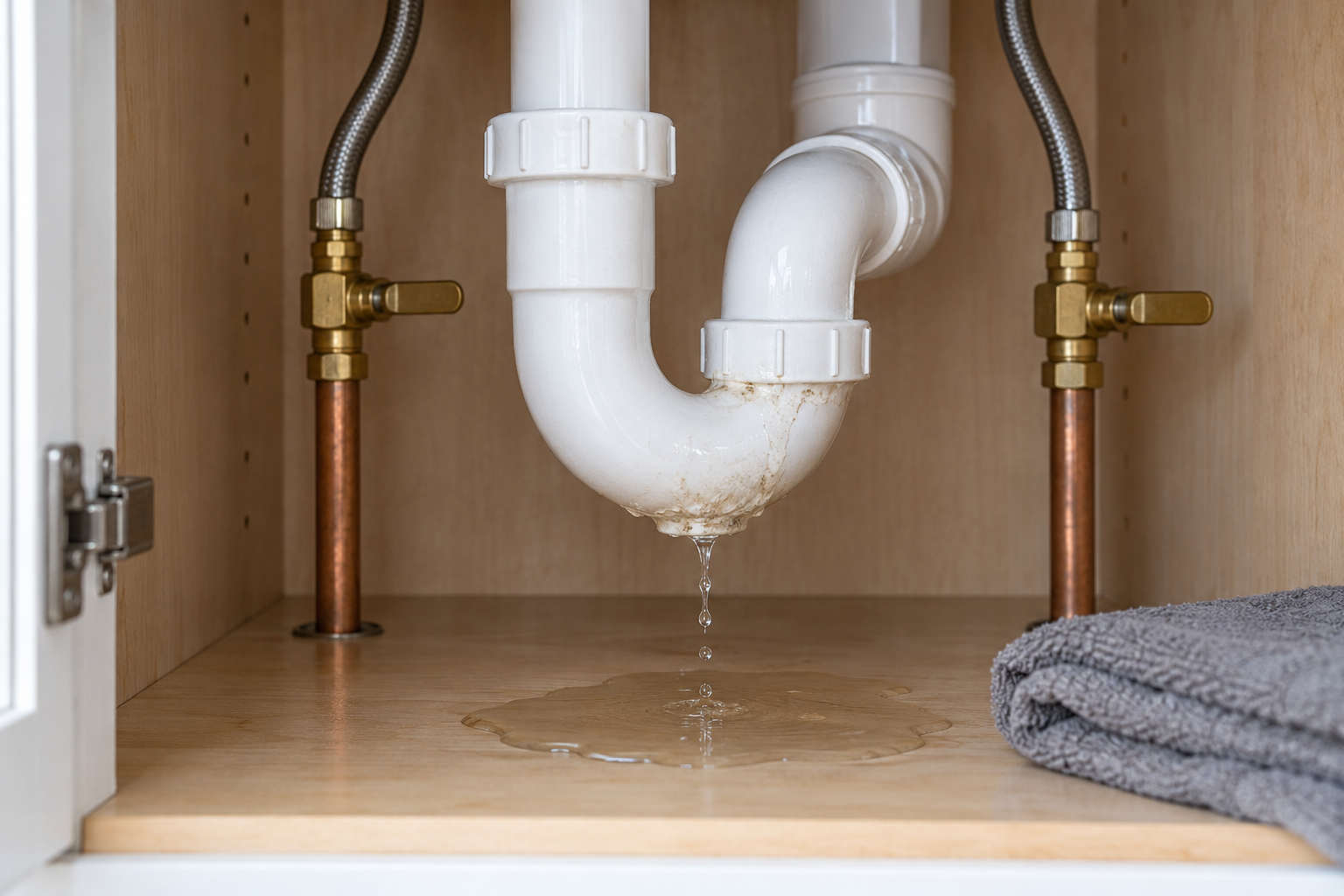
Examine the porcelain with good lighting. A hairline crack can leak slowly and may be difficult to see, but any crack in the bowl or base is a reason to replace the fixture rather than patch it. Check for dampness at the base, ceiling staining below, or a rocking toilet. Water at the base can be contaminated and may indicate a failed seal or damaged flange.
Occasionally, absorbent material caught over the trap can wick water from the bowl. More commonly, an obstruction causes an unusual siphon action. A bowl that loses water while unused deserves investigation, especially when accompanied by odor. Do not caulk over an active leak or tighten closet bolts aggressively; overtightening can crack porcelain.
Quick Diagnostic Table
| What you observe | Likely area to check | Safe next step |
|---|---|---|
| Tank full, bowl low immediately after refill | Refill tube or restricted refill flow | Reclip tube and inspect fill valve |
| Tank water itself is low | Float setting or fill valve | Adjust to marked waterline or replace valve |
| Bowl rises, then drains very low | Partial trapway/drain clog | Plunge; use a toilet auger if appropriate |
| Bowl slowly loses water while unused | Crack, siphoning, vent issue | Inspect for leaks and call a plumber if unresolved |
| Gurgling or several slow fixtures | Vent or branch/main drain | Limit water use and request professional diagnosis |
| Water at base or toilet rocks | Seal, flange, or cracked fixture | Stop use and repair before floor damage spreads |
Use symptoms in combination. Replacing the fill valve will not clear a drain obstruction, and plunging will not fix a disconnected refill tube. A five-minute observation of both tank and bowl often prevents buying the wrong part.
Repairs a Homeowner Can Reasonably Make
Reattaching a sound refill tube, adjusting an accessible float, replacing a straightforward fill valve, and plunging a simple clog are reasonable projects for many homeowners. Read the fixture and replacement-part instructions, close the water, protect the floor, and confirm there are no leaks through several flush cycles. Universal parts are not truly universal in every tank, so compare dimensions and connections before purchase.
Useful basic items include a toilet fill valve kit, a flange toilet plunger, and a toilet auger. Product links are starting points, not endorsements; verify compatibility and follow safety instructions. If a shutoff, supply connector, porcelain fixture, or flange is damaged, expanding the project without experience can turn a small symptom into a leak.
When to Call a Plumber
Call a plumber when low water returns after basic refill checks, the toilet repeatedly clogs, several fixtures are affected, sewage odors persist, the toilet rocks, or water appears around or below it. Professional diagnosis is also appropriate for concealed leaks, suspected vent defects, hard objects in the trap, and drain cables that become stuck.
Treat a cracked bowl as nonrepairable for normal service. Stop using it and replace it. Urgent service is justified when the bowl may overflow, sewage backs up, water reaches electrical components, or a ceiling below is wet or sagging. Keep people away from unsafe areas and shut off the fixture supply when doing so will not put you in contact with electricity or contaminated water.
Prevent the Problem From Returning
Use only reasonable amounts of toilet paper and flush only human waste and toilet paper. Wipes labeled “flushable,” hygiene products, paper towels, and small objects can lodge in the trap or farther downstream. Address a running or slow-filling tank promptly; a weak tank charge can create incomplete flushes that encourage blockage.
Periodically look inside the tank for a displaced refill tube, corrosion, and water above or below the marked line. Clean mineral deposits with products approved for the fixture and avoid in-tank tablets that the manufacturer warns may damage seals. A stable toilet, dry floor, dependable shutoff, and consistent flush are practical signs that the system is functioning normally.
Frequently Asked Questions
Why is the bowl low but the tank full?
The refill tube may be loose, kinked, or aimed incorrectly, so the tank reaches its level without replenishing the bowl. Check the tube first. Restricted passages or an unusual siphon can produce a similar symptom.
Can I just pour water into the bowl?
You can pour water slowly as a diagnostic check, but it is not a lasting repair. If the added water stays at a normal level, investigate the refill system. If it falls again, look for a crack, obstruction, siphoning, or vent problem.
Does low bowl water always mean a clog?
No. A clog is one possibility, especially if the bowl rises before draining low or the flush is sluggish. Fill-valve settings, refill-tube faults, mineral deposits, cracks, and vent problems can also cause low water.
Is a low toilet bowl a sewer-gas risk?
The bowl’s water seal helps block drain gases. An unusually low level can reduce that protection, particularly if the bowl nearly empties. Persistent odor or recurring water loss should be investigated rather than covered with fragrance.
Should I use chemical drain cleaner?
No. Caustic products are a poor choice for toilets because they may splash, damage parts, remain in the trap, or create exposure during later service. Use a plunger or suitable toilet auger, or call a plumber.
Restore the Level by Fixing the Cause
When there is low water in a toilet bowl, watch one complete flush before reaching for parts. Verify the tank waterline and refill tube, distinguish a refill problem from a partial clog, and check for leakage or symptoms elsewhere in the plumbing system. Make only repairs that match the evidence.
Stop DIY work when wastewater, electrical hazards, cracked porcelain, concealed leaks, multiple affected drains, or roof access is involved. Correcting the actual cause restores the bowl’s water seal, improves flushing, and helps prevent a minor symptom from becoming floor damage or a sewage overflow.
Why This Is Different in San Antonio
San Antonio toilet problems often begin in passages too small to notice. Edwards Aquifer water—about 357 mg/L, or 21 gpg—can crust the refill tube outlet, rim jets, fill valve, and supply stop. That buildup may leave the tank looking normal while the bowl receives too little refill water. In Westover Hills or Alamo Ranch, newer PEX supply plumbing does not eliminate this fixture-level scale; the restriction is often at the valve or porcelain passage rather than in the pipe.
Start by comparing the tank waterline with the manufacturer's mark and confirming that the refill tube points into, but is not shoved down, the overflow tube. Then test for a partial clog with a controlled bucket pour. Do not combine chemicals or repeatedly flush a toilet that is close to overflowing. SAWS water conservation guidance also makes a silent leak worth correcting promptly, even when the bowl-level symptom seems minor.
What San Antonio Homeowners Pay (2026)
| Toilet service | Typical local range |
|---|---|
| Fill valve or flapper service | $150–$300 |
| Drain clearing | $150–$350 |
| Standard toilet replacement, installed | $300–$800 |
| Camera diagnosis for recurring branch issues | $200–$400 |
Premium fixtures, damaged flanges, corroded stops, and floor repair can raise the total. Ask for the cause of the low bowl level to be documented rather than replacing parts by trial and error.
When to Call a San Antonio Plumber
Bring in a licensed plumber when the bowl level falls without flushing, sewer odor enters the room, another fixture gurgles, the toilet rocks, water appears at the base, or a clog returns after one careful plunge. Those signs can point to a failed seal, vent problem, branch restriction, or cracked porcelain. In Bexar County, any drain work that extends beyond an accessible fixture should be evaluated before walls or flooring are opened.
San Antonio FAQ
Can hard water alone lower the bowl level?
It can restrict the refill path or rim jets, but low water can also come from a partial clog, vent issue, crack, or siphoning. Confirm the refill operation before descaling anything.
Is muriatic acid a safe toilet descaler?
No homeowner guide should recommend it. The fumes and splash risk are serious, and acid can damage components. Use the fixture manufacturer's approved method or have a professional service heavily scaled passages.