> San Antonio Local Insight: San Antonio's hard water from the Edwards Aquifer affects every plumbing system in your home. With 357 mg/L mineral content (21 grains per gallon), our water causes faster corrosion, heavier scale buildup, and more frequent repairs than most US cities. Understanding this local factor helps you make better decisions about maintenance, repair, and prevention.
Local San Antonio Field Notes Before You Start
Before following any generic plumbing checklist, adjust it for our Edwards Aquifer water. At roughly 357 mg/L, or 21 grains per gallon, the calcium carbonate and magnesium in the water can turn a small maintenance issue into repeat wear on valves, seals, drains, heaters, and appliance connections. That means national advice needs a local filter before a homeowner decides whether to DIY, maintain, or call a pro.
A homeowner in Helotes should be especially careful because well-water and edge-of-system supply can make mineral scale show up even faster. If you are comparing advice from national repair guides, shorten the maintenance interval and inspect for white scale, crusted fittings, stiff shutoff valves, and early corrosion before assuming the part simply “got old.”
For budgeting, use local pricing instead of national averages: licensed plumber labor commonly runs $85-$150 per hour, with emergency visits costing more. If the issue appears after a summer high-use period or after a rare freeze like Winter Storm Uri, treat it as a local risk signal and document what you see before calling a licensed plumber in Bexar County.
Replacing your main water line is a significant undertaking that can impact your home’s plumbing system and overall property value. This guide will help you navigate the complexities of main water line replacement costs, empowering you to make informed decisions about whether to tackle this project yourself or call in the professionals.
Why Main Water Line Replacement Matters
The main water line is a crucial component of your home’s plumbing system. It carries fresh water from the municipal supply or a private well directly into your home. Over time, pipes can corrode, develop leaks, or become obstructed, leading to significant problems like water damage, mold growth, and increased utility bills. Understanding the costs associated with replacing your main water line can help you plan for this essential home improvement project.
Costs can vary widely depending on several factors, including the type of pipe material, the length of the line, and the complexity of the installation. On average, homeowners can expect to pay anywhere from $1,500 to $5,000 for a complete replacement, but costs can climb higher in certain situations. Being aware of these potential expenses will allow you to budget appropriately and avoid unpleasant surprises.
What to Check First
Before you dive into the replacement process, it's essential to conduct a thorough assessment of your current water line situation. Here are some initial checks to consider:
1. Identify Symptoms of Trouble: Look for signs of leaks, such as damp spots in your yard, water pooling near your foundation, or unexplained spikes in your water bill. These may indicate a damaged main water line.
2. Evaluate Pipe Material: The type of material used in your main water line can significantly affect replacement costs. Common materials include copper, PVC, and galvanized steel. Older homes may have lead pipes, which should be replaced immediately due to health risks.
3. Check Bexar County and municipal requirements: Familiarize yourself with local plumbing codes, as these can dictate the materials and methods you must use. Some municipalities may require permits for major plumbing work, which can add to your overall costs.
4. Consider the Age of Your Home: If your home is older and has not undergone significant plumbing updates, it may be wise to replace the entire water line instead of just patching leaks. This can save you money in the long run.
Planning the Replacement
Once you’ve assessed your situation and determined that replacement is necessary, consider the following steps:
1. Choose the Right Material
Selecting the appropriate material for your new water line is crucial. Each type has its pros and cons:
- Copper: Durable and resistant to corrosion but typically the most expensive option, ranging from $3 to $8 per linear foot.
- PVC: Lightweight and cost-effective, usually between $0.50 and $4 per linear foot. However, it may not be suitable for areas with extreme temperatures.
- PEX: Flexible and resistant to scale and chlorine, PEX can range from $0.50 to $3 per linear foot and is often favored for its ease of installation.
2. Plan for Excavation
Depending on your property layout, replacing the main water line may require excavation. This can add significant labor costs, especially if your yard has landscaping, driveways, or other structures in the way. Hiring professionals typically costs around $50 to $150 per hour for labor.
3. Seek Multiple Quotes
Once you’ve decided on materials and planned for excavation, it’s time to reach out to several contractors for quotes. Ensure they provide detailed estimates that include labor, materials, and any necessary permits. This will help you identify the best value for your replacement project.
4. Prepare Your Home
Before work begins, prepare your home by shutting off the main water supply. Notify your neighbors about the potential for noise and disruptions, especially if heavy machinery will be involved.
Common Mistakes to Avoid
While planning your main water line replacement, be aware of common pitfalls that can lead to additional costs or complications:
1. Ignoring Local Regulations: Failing to adhere to local plumbing codes can result in fines and additional work to bring your installation up to standard. Always check with your applicable permitting office.
2. Underestimating Costs: Some homeowners only consider the cost of materials and labor but neglect to account for permits, landscaping repairs, or potential water damage during the process.
3. Choosing the Cheapest Option: While it may be tempting to go for the lowest bid, remember that quality materials and experienced labor can save you money in the long run by reducing the need for future repairs.
4. DIY Without Experience: Unless you have significant plumbing experience, attempting a DIY replacement can lead to costly mistakes. If you’re unsure, it’s best to call in a professional.
When DIY Must Stop
There are specific circumstances where hiring a professional is advisable, as the risks involved can be significant:
- Complexity of the Job: If your water line replacement involves navigating around other utility lines or requires extensive excavation, it's wise to hire an experienced contractor.
- Health and Safety Risks: If you suspect your existing pipes contain lead or other hazardous materials, a professional can safely handle the removal and replacement.
- Code Compliance: If you’re unfamiliar with local plumbing codes and regulations, a licensed plumber can ensure that your installation meets all necessary standards.
- Structural Concerns: If digging up your yard raises concerns about your home’s foundation or existing landscaping, professionals can mitigate these risks.
FAQ
How do I know if my main water line needs to be replaced?
Look for signs like low water pressure, discolored water, or unexplained spikes in your water bill. If you notice wet spots in your yard or around your home’s foundation, it may indicate a leak.
What is the average cost of replacing a main water line?
Costs typically range from $1,500 to $5,000, depending on factors such as material, length of the line, and labor costs. More complex installations can exceed this range.
Can I replace my main water line myself?
While DIY is possible, it requires significant plumbing knowledge and experience. If you're unsure, hiring a professional is a safer option.
How long does it take to replace a main water line?
Most replacements can be completed within one to three days, depending on the complexity of the job and the weather conditions.
Will my yard be damaged during the replacement?
Excavation can disturb your landscaping, but professionals take care to minimize damage. You may need to replant or reseed areas afterward.
Quick Reference Table: Main Water Line Replacement Costs
| Item | Estimated Cost Range |
|---|---|
| Copper Pipe | $3 - $8 per linear foot |
| PVC Pipe | $0.50 - $4 per linear foot |
| Labor Costs | $50 - $150 per hour |
| Permits | $50 - $500 (varies by location) |
| Total Replacement Cost | $1,500 - $5,000+ |
Conclusion
Replacing your main water line is a critical home improvement that requires careful planning, budgeting, and execution. By understanding the costs involved and the steps necessary for a successful replacement, you can make informed decisions that protect your home and your investment. Whether you choose to tackle the project yourself or enlist the help of professionals, being prepared will ensure a smoother process and a more reliable plumbing system.
Why This Is Different in San Antonio
A private main line crosses soil, rock, irrigation, tree roots, and other utilities before it reaches the house. Edwards Aquifer water at about 357 mg/L, or 21 gpg can add internal scale, while expansive soil movement and drought-to-downpour cycles stress older joints. In Helotes, long setbacks and limestone excavation can make access—not pipe price—the largest part of the estimate.
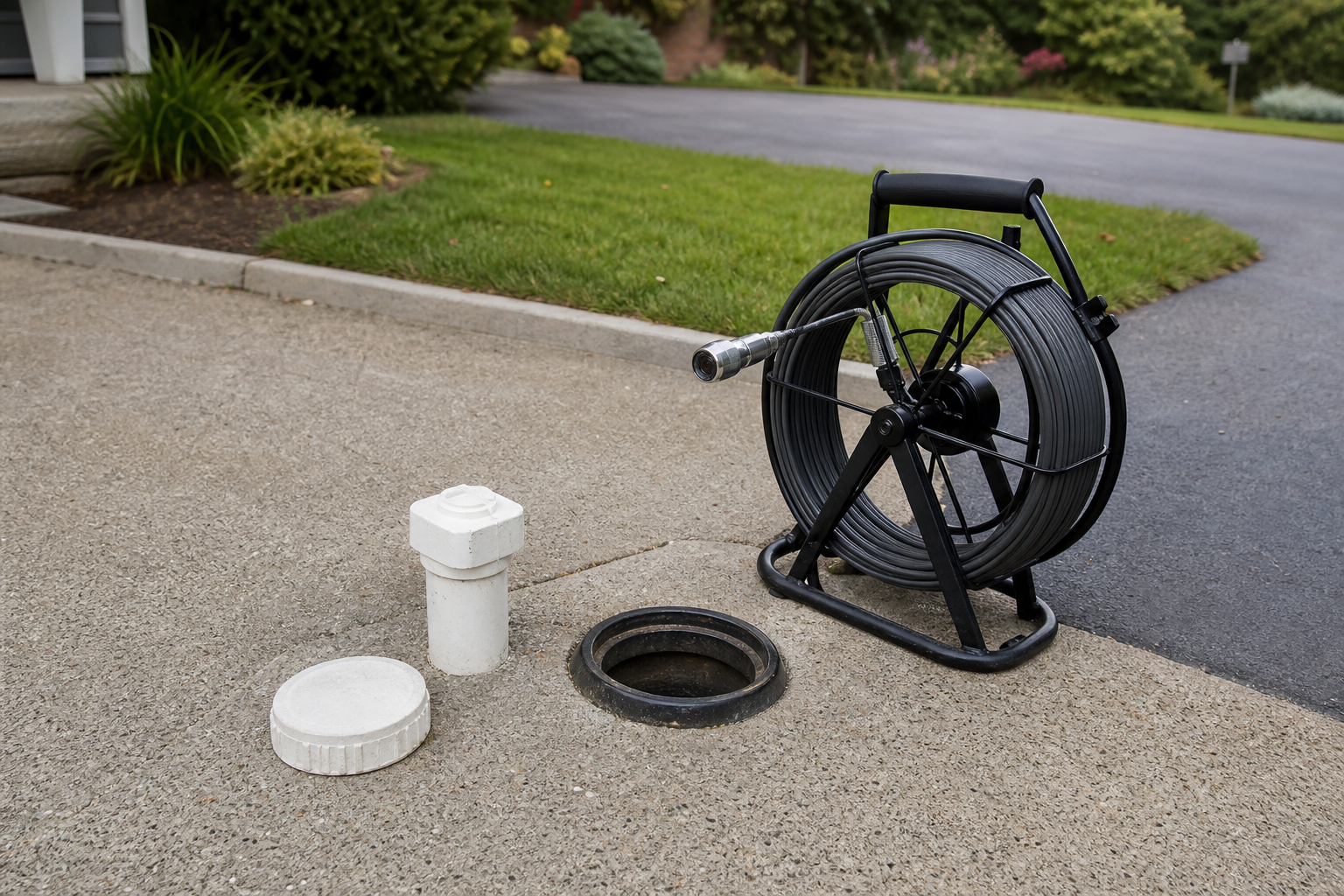
First establish ownership and location. SAWS can explain its service boundary, but a licensed plumber must locate and test the private line. A wet yard alone is not proof: irrigation, drainage, and pool piping can imitate a service leak. Compare a controlled meter test with irrigation isolated, then use acoustic or tracer methods as appropriate. Winter Storm Uri history also matters because a line or shutoff weakened during a freeze may fail later.
What San Antonio Homeowners Pay (2026)
| Main-line service | Typical local range |
|---|---|
| Leak location | $250–$600 |
| Short accessible repair | $800–$2,500 |
| Conventional replacement | $2,500–$7,500 |
| Long, rocky, or hardscape route | $7,500–$15,000+ |
| Trenchless installation where suitable | $4,000–$12,000+ |
Length, depth, limestone, utility conflicts, driveway crossings, meter connection, permits, and landscape restoration control the total. Require the route and restoration limits on the written proposal.
When to Call a San Antonio Plumber
Call promptly for unexplained meter movement, a persistent wet strip, pressure loss, discolored water, or repeated repairs on an aging line. Use emergency service when flow is uncontrolled, water threatens the foundation, or a washout could undermine pavement. Before excavation, utilities must be located; hand digging is not a substitute for the required locate process.
A homeowner can isolate irrigation, record the meter, photograph wet areas, and move vehicles. Do not operate a utility-owned valve, excavate blindly, or attempt a live-line splice. Main-line replacement requires correct material, bedding, burial depth, disinfection, pressure testing, and inspection.
San Antonio Main Water Line FAQ
Who pays for the leak?
Responsibility normally depends on whether the failure is on the utility or private side of the service boundary. Confirm with SAWS and your plumber before authorizing work.
Is trenchless replacement always possible?
No. Pipe condition, route, bends, required diameter, rock, and connections may rule it out. Ask for both the installation method and its restoration limits.
Should the entire line be replaced after one leak?
Not always. A sound line with one accessible failure may justify repair. Repeated leaks, obsolete material, poor pressure, or a route already being excavated can favor replacement.