> San Antonio Local Insight: San Antonio's hard water from the Edwards Aquifer affects every plumbing system in your home. With 357 mg/L mineral content (21 grains per gallon), our water causes faster corrosion, heavier scale buildup, and more frequent repairs than most US cities. Understanding this local factor helps you make better decisions about maintenance, repair, and prevention.
Local San Antonio Field Notes Before You Start
Before following any generic plumbing checklist, adjust it for our Edwards Aquifer water. At roughly 357 mg/L, or 21 grains per gallon, the calcium carbonate and magnesium in the water can turn a small maintenance issue into repeat wear on valves, seals, drains, heaters, and appliance connections. That means national advice needs a local filter before a homeowner decides whether to DIY, maintain, or call a pro.
A homeowner in Helotes should be especially careful because well-water and edge-of-system supply can make mineral scale show up even faster. If you are comparing advice from national repair guides, shorten the maintenance interval and inspect for white scale, crusted fittings, stiff shutoff valves, and early corrosion before assuming the part simply “got old.”
For budgeting, use local pricing instead of national averages: licensed plumber labor commonly runs $85-$150 per hour, with emergency visits costing more. If the issue appears after a summer high-use period or after a rare freeze like Winter Storm Uri, treat it as a local risk signal and document what you see before calling a licensed plumber in Bexar County.
“One stop plumbing” usually describes a plumbing company that can diagnose and complete several kinds of work through one point of contact. Instead of hiring separate providers for a leaking water heater, blocked drain, failed supply pipe, fixture replacement, and permit coordination, a homeowner may use one licensed plumbing business with the people, equipment, and trade relationships needed to manage the whole scope.
Convenience is valuable, but the phrase is not a credential or guarantee. Before booking, confirm that the provider actually performs the service you need, holds any locally required license, carries appropriate insurance, explains pricing, and will use permits and inspections when required. For an active emergency, safety and source control come first: close an accessible water valve for a clean-water leak, avoid energized wet areas, leave the building for suspected gas, and avoid contact with sewage.
What One-Stop Plumbing Should Mean
A genuine full-service provider should be able to move from diagnosis to a clear repair plan without automatically selling the largest project. Typical capabilities include water-supply and drain repairs, fixture work, water heaters, leak detection, sewer inspection, sump systems, and emergency response. Some firms also coordinate drywall opening, excavation, water-damage cleanup, or restoration through employees or subcontractors. The exact list varies, so ask rather than assuming.
The greatest advantage is accountability. One dispatcher maintains the appointment history, one estimator defines the scope, and one company explains how related repairs fit together. That can reduce conflicting advice when a symptom crosses systems—for example, a ceiling stain that could come from a shower drain, supply connection, waterproofing failure, or condensation. The model works only when responsibilities are written clearly and the company remains your contact even if part of the work is subcontracted.
Start With the Problem, Not the Service Package
Describe what you can observe: where water appears, when it started, what fixtures were operating, whether pressure changed, and whether odors or sounds are present. Photographs and a short timeline are more useful than diagnosing the failure yourself. Tell the dispatcher about prior repairs, recurring clogs, freezing weather, renovation work, and accessibility constraints. This helps the company send a technician with appropriate testing equipment.
Do not authorize broad replacement solely because several fixtures are old. A careful diagnosis may reveal one failed connection; conversely, repeated patching can be poor value when corroded piping has widespread defects. Ask the plumber to separate the immediate failure from optional improvements and future risk. You should understand what restores safe operation today, what prevents recurrence, and what can reasonably wait.
Safety First During a Plumbing Emergency
For a pressurized clean-water leak, close the nearest fixture isolation valve if it operates freely. If that does not stop the flow, use the main shutoff only when it is safely accessible and you know how it works. Do not force a seized valve because it can break and worsen the leak. Once water is off, open a low cold-water faucet if advised to relieve pressure, protect belongings, and document damage.
Water and electricity are a dangerous combination. Stay away from standing water near outlets, appliances, extension cords, or the electrical panel. Do not enter a wet area to reach a breaker; call emergency services, the utility, or an electrician as appropriate. Leave immediately if you smell gas, hear escaping gas, or suspect damaged fuel piping, and call from outside. Never search with a flame or operate switches. Sewage requires gloves and professional cleanup when contamination is extensive; keep people and animals away from the area.

Services a Full-Service Plumber May Coordinate
Water-side work can include leak detection, pressure testing, pipe repair, repiping, hose bibs, pressure regulators, backflow devices, and fixture installation. Drain-side work can include trap repair, cable cleaning, hydro jetting where suitable, camera inspection, sewer repair, and root-intrusion assessment. Water-heater services range from diagnosis and maintenance to replacement, venting corrections, expansion control, and code upgrades. Licensing requirements differ by location and by fuel type.
Other common work includes sump pumps, ejector pumps, garbage disposals, water treatment, appliance connections, and bathroom or kitchen remodeling. Not every provider performs septic work, well service, foundation drainage, fire sprinklers, mold remediation, or finish restoration. A “one-stop” company may refer these portions out. Ask who contracts with you, who supervises, whose insurance applies, and who returns if one trade’s work affects another.
A capable provider should also know its boundary. For shower leaks caused by failed tile waterproofing, the correct lead contractor may be a qualified remodeler rather than a plumber who only replaces the drain. Structural movement, extensive contamination, and energized equipment require the respective specialists. Good coordination means bringing in the right expertise, not claiming that one license covers every building system.
A Step-by-Step Homeowner Check Before Calling
First, perform a non-destructive visual check. Note the exact wettest point, inspect accessible valves and supply hoses, and place a dry paper towel beneath connections to reveal fresh drips. Determine whether the water is clear, discolored, or contaminated without touching unknown wastewater. Listen for flow when fixtures are off. Check ceilings beneath bathrooms and mechanical rooms, but do not cut into walls near possible wiring or hazardous materials.
Second, isolate usage. Turn off faucets and make sure toilets, irrigation, ice makers, softeners, and other automatic consumers are accounted for. Record the water meter, wait without intentional water use, and record it again. Meter movement can support a leak suspicion but does not locate it. A toilet can be checked with manufacturer-safe dye methods, while a plumber can isolate hot and cold branches, pressure-test lines, or inspect drains.
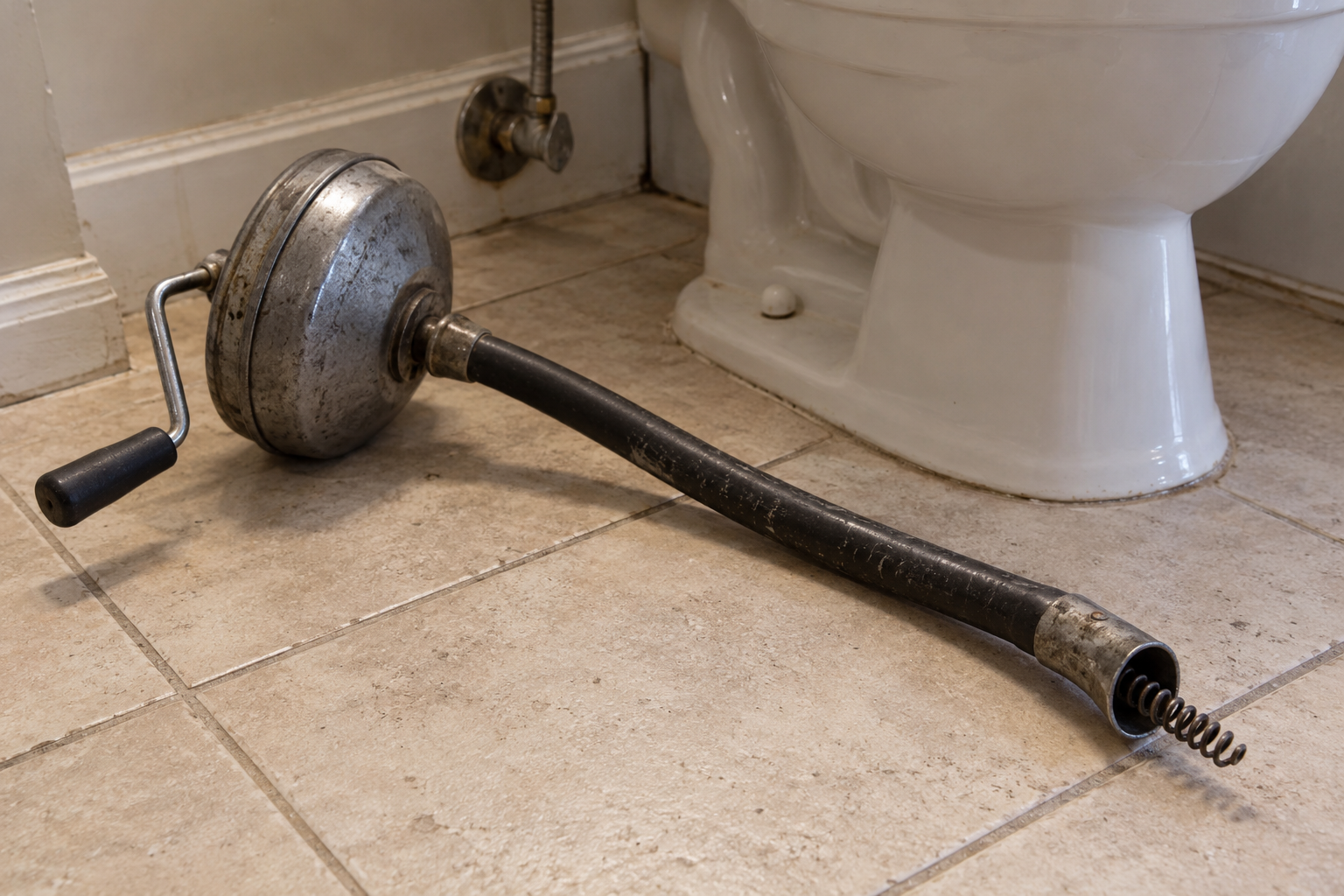
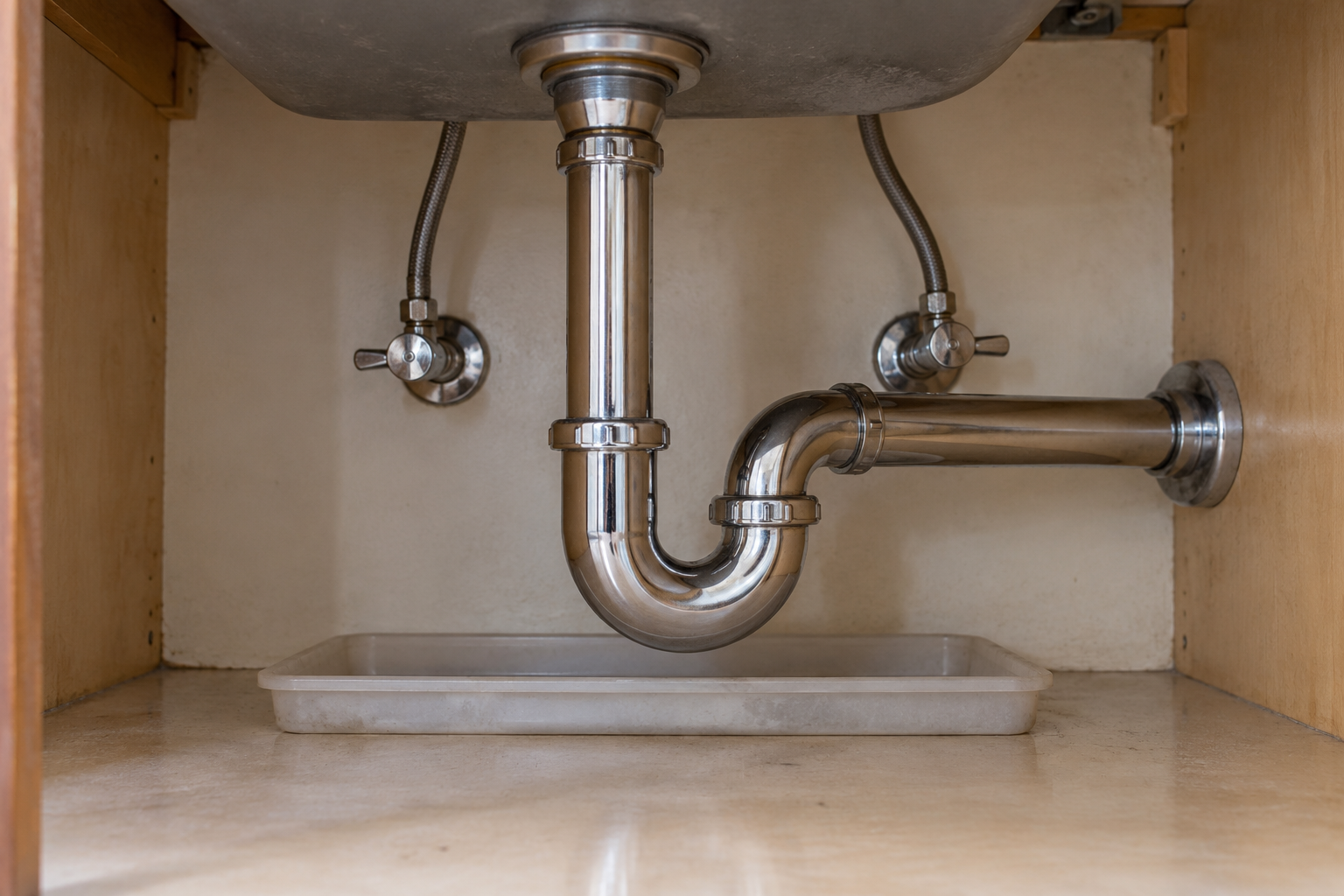
Third, try only low-risk measures. A removable fixture aerator can be cleaned, a loose slip-joint nut beneath a sink may be carefully assessed, and a simple toilet flapper may be replaceable by a competent homeowner. Avoid chemical drain cleaners, improvised pressure devices, concealed-pipe cutting, fuel-gas work, and aggressive tightening. Stop if parts are brittle, corroded, hot, pressurized, or inaccessible.
Comparing Repair, Replacement, and Upgrade Options
A repair makes sense when the failed part is identifiable, the surrounding material is sound, compatible parts are available, and the repair is likely to provide reasonable service. Replacement becomes more attractive when breakdowns recur, corrosion is widespread, equipment is near the end of practical service, or repair requires so much labor that a new assembly offers better value. An upgrade adds a feature—such as leak detection or improved efficiency—and should be evaluated separately from the necessary repair.
Ask for at least one minimally sufficient option when practical. Then compare expected lifespan, disruption, warranty, code work, maintenance, and the consequences of another failure. A low bid that excludes wall access, disposal, permit fees, or restoration may cost more after change orders. A high bid is not automatically better either; it should contain diagnostic evidence and a scope that addresses the cause.
| Situation | Immediate goal | Questions to ask | Possible next step |
|---|---|---|---|
| Active supply leak | Stop flow safely | Can the section be isolated? Is nearby pipe sound? | Targeted repair or branch replacement |
| Repeated drain blockage | Restore flow and find cause | Was the line inspected? Are roots, damage, or misuse involved? | Cleaning, camera inspection, or line repair |
| Water heater failure | Make unit safe and restore hot water | Is repair allowed and economical? Are venting and drainage compliant? | Component repair or replacement |
| Multiple old fixtures | Separate failures from preferences | Which work is urgent? What can be bundled efficiently? | Phased fixture replacement |
| Sewer odor or backup | Protect health and prevent overflow | Is the main line affected? Is sewage contained? | Emergency drain/sewer service and cleanup |
How Estimates, Pricing, and Change Orders Work
Plumbers commonly price by time and materials, flat-rate task, or project estimate. Each method can be fair when explained before work begins. Diagnostic fees compensate for travel, testing, and professional judgment; ask whether that fee is credited toward approved work. Emergency, weekend, excavation, specialty equipment, permit, and restoration charges may be separate. Regional labor and material conditions make generic national price claims unreliable.
A useful written estimate identifies the diagnosed condition, included labor and materials, exclusions, access or demolition, cleanup, permits, inspection, payment schedule, and warranty. It should say whether drywall, tile, landscaping, or cabinetry restoration is included. If hidden conditions change the job, request a written change order with the added reason and cost before proceeding, except where immediate action is needed to prevent a safety hazard or major damage.
Avoid deciding under artificial pressure. Emergency stabilization can be authorized separately from permanent work, giving you time to review a large proposal. For major repiping, sewer replacement, or water-heater conversion, compare equivalent scopes and verify credentials. The cheapest quote may omit essential code or restoration work, while a vague premium quote may simply be difficult to audit.

Vetting a One-Stop Plumbing Company
Verify any license through the relevant local or state authority rather than relying only on a website badge. Ask for proof of insurance appropriate to the work and whether employees or subcontractors will enter the home. Read reviews for patterns involving diagnosis, communication, cleanup, and warranty response, not just star averages. Confirm a physical service area and a working callback process.
During the visit, expect the technician to ask questions, inspect relevant systems, and explain evidence. Be wary of a diagnosis made without looking at the affected area or testing plausible sources. For drain problems, ask when a camera inspection adds value and whether you can receive images. For concealed supply leaks, ask how the line will be isolated. Testing should answer a question rather than serve as theater.
Before signing, identify the responsible party for every phase. If excavation is subcontracted, determine who marks utilities, obtains permits, controls the trench, restores the site, and handles a failed inspection. If water mitigation is involved, determine whether the plumbing and cleanup companies bill separately and whether you—not an insurer or referral partner—approve the scope.
Bundling Work Without Overbuying
Bundling can save repeat travel, setup, permit, and wall-opening costs. If a wall is already open for a failed valve, replacing another visibly deteriorated, accessible connection may be sensible. During a planned bathroom renovation, coordinating supply, drain, fixture, and inspection work through one company can simplify sequencing. Request itemized pricing so you can see whether the bundle provides actual efficiency.
Do not bundle unrelated replacements merely to obtain a promotional discount. Equipment age alone does not prove failure, and cosmetic fixture preferences should not be presented as emergencies. Ask the plumber to rank findings as immediate safety issue, active failure, near-term maintenance, or optional upgrade. This creates a phased plan and protects the household budget without ignoring meaningful risk.
Preventive Maintenance Through One Provider
A service history can help identify trends such as recurring pressure problems, repeated drain misuse, or components approaching planned replacement. Reasonable maintenance may include checking visible supply hoses, exercising suitable shutoff valves, flushing or servicing equipment according to manufacturer instructions and local water conditions, testing sump systems, and inspecting leak alarms. Gas-fired equipment requires appropriate expertise, and homeowners should not alter combustion or venting systems.
Learn the location of the main water shutoff and label it. Keep the path clear, but do not conceal it behind fixed storage. Consider automatic leak detection and shutoff equipment where consequences would be severe, understanding that sensors need testing and valves need maintenance. Avoid sending grease, wipes, or hard objects into drains, and address slow drainage before it becomes a complete backup.
Emergency or Scheduled Service?
Seek immediate help for uncontrolled water, a sewer backup, suspected gas, a failed water heater leaking rapidly, no water in freezing weather with suspected frozen piping, or water near electrical equipment. Follow emergency-utility instructions for gas and electrical hazards. If a pipe may be frozen, do not use an open flame or unattended high-heat device; a hidden split may discharge when thawing begins.
A dripping faucet, running toilet, slow single drain, or planned fixture replacement can often be scheduled, provided the condition is stable and not damaging materials. Even small leaks waste water and can worsen, so do not postpone indefinitely. If you are uncertain, describe the symptoms to the dispatcher and ask how the company prioritizes the call. A trustworthy provider will distinguish inconvenience from hazard.
Frequently Asked Questions
Does one-stop plumbing mean the company handles restoration too?
Not necessarily. Some companies employ or coordinate drywall, flooring, excavation, and water-mitigation teams; others stop after the plumbing is functional. Ask for a written list of included restoration and the name of any subcontractor. Never assume walls, cabinets, or landscaping will be returned to their original condition.
Should I hire the same plumber for drains and water heaters?
You can if the company has qualified technicians and equipment for both. Drain and fuel-fired equipment work demand different skills, so confirm capability, licensing, and warranty terms for the specific assignment. A broad service menu should be supported by actual expertise.
Are plumbing service plans worth it?
They can be useful when the benefits—priority scheduling, inspections, or discounts—match your likely needs. Read cancellation terms, exclusions, renewal pricing, and whether maintenance is manufacturer-appropriate. A plan should not replace independent evaluation of a large repair.
Can a plumber give a firm quote over the phone?
A company may quote a standard task, but concealed leaks and drain problems often require diagnosis. Phone ranges are useful when assumptions are stated. Expect the final scope to follow inspection, and require approval before added work.
What should I keep after the project?
Retain the contract, paid invoice, permits, inspection result, model and serial information, warranty, photographs, and any camera footage or test results. These records help with future maintenance, warranty claims, insurance questions, and eventual home sale disclosures.
One-stop plumbing is most useful when it provides coordinated diagnosis, transparent responsibility, and the right specialist at each stage. Make the immediate condition safe, document symptoms, compare itemized scopes, verify credentials, and separate essential repairs from optional upgrades. That approach delivers convenience without surrendering informed control of the project.
Why This Is Different in San Antonio
Coordinating several repairs locally means accounting for hard water, slab construction, permits, and restoration—not simply hiring the company with the longest service menu. Edwards Aquifer water is about 357 mg/L, or 21 gpg, so a failed heater valve, restricted branch, and stiff shutoff may share one mineral-scale cause. In Helotes, properties near the edge of municipal service or on private wells may also need water testing before treatment equipment is specified.
Ask one contractor to own the diagnosis while keeping each trade's responsibility visible. SAWS handles the public system; the owner and licensed trades generally handle private plumbing after the service boundary. Bexar County requirements and incorporated-city rules can differ, so the written scope should identify permits, inspections, trench safety, and finish restoration. After Winter Storm Uri, prior freeze repairs are also worth disclosing because patched branches may fail in sequence.
What San Antonio Homeowners Pay (2026)
| Coordinated service | Typical local range |
|---|---|
| Diagnostic visit | $125–$300 |
| Drain cleaning | $150–$350 |
| Sewer camera inspection | $200–$400 |
| Water-heater replacement | $1,800–$4,500+ |
| Whole-home repipe | $4,500–$15,000+ |
A bundled project should still be itemized. Confirm whether drywall, tile, excavation, haul-off, permits, and after-hours response are included; otherwise a convenient quote can hide expensive gaps.
When to Call a San Antonio Plumber
Use immediate service for uncontrolled water, sewage backup, suspected gas, a rapidly leaking heater, or water near energized equipment. Stable fixture replacements and minor drips can be scheduled, but a seized main shutoff should be corrected before the next emergency. For a multi-trade project, choose a licensed plumbing lead who will document subcontractors and remain accountable through inspection.
Homeowners can safely photograph symptoms, test accessible leak sensors, record the meter during a no-use period, and clear the route to shutoffs. Do not open walls near wiring, work on gas equipment, or use aggressive drain chemicals before a technician arrives; hidden chemicals make later cable work hazardous.
San Antonio Plumbing Coordination FAQ
Is a one-stop company always cheaper?
No. It may reduce repeat mobilization and wall opening, but value depends on an itemized scope and clear responsibility. Compare equivalent work rather than package names.
Who restores drywall and landscaping?
Only the contract can answer that. Require the estimate to identify demolition, temporary protection, drying, finish repair, and landscape restoration.
Should hard-water treatment be bundled automatically?
No. Test conditions and identify the failure first. A correctly sized softener may reduce scale, but it does not repair corroded piping or solve high pressure.