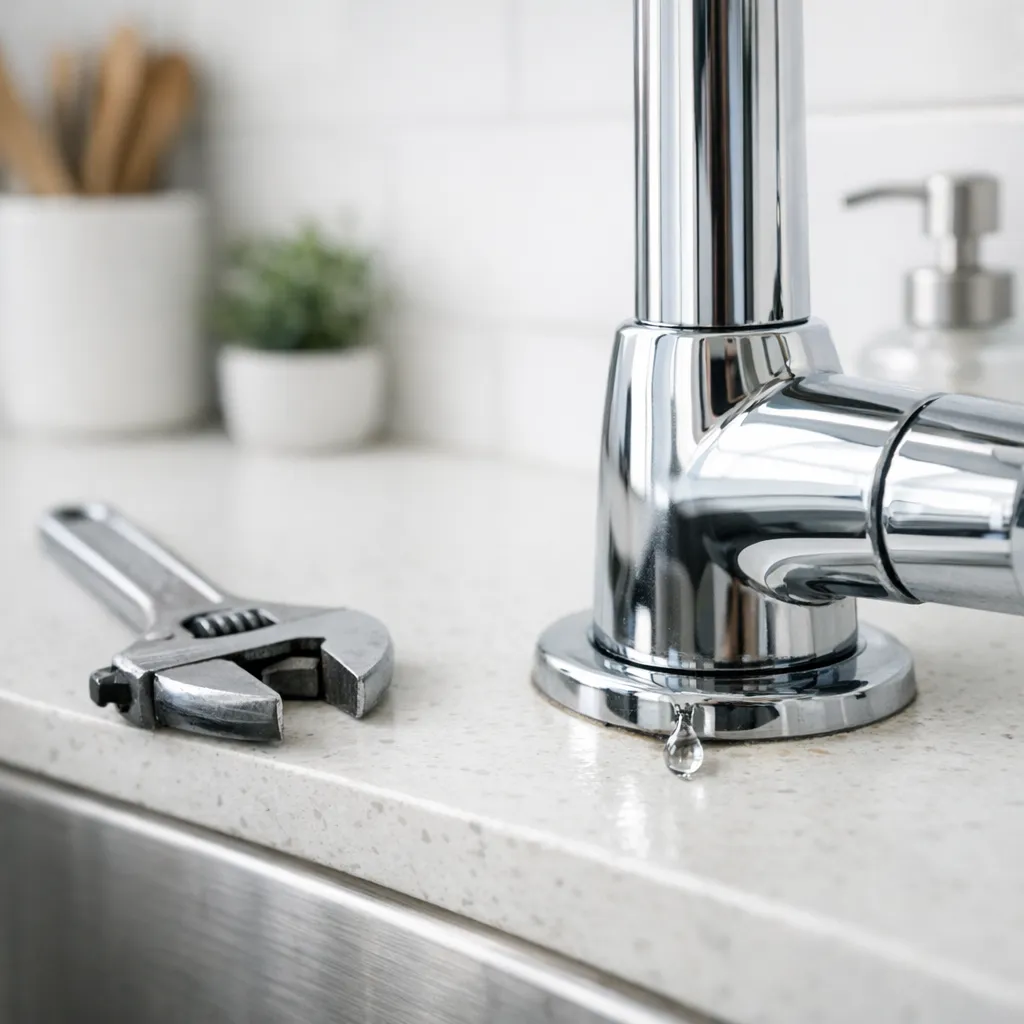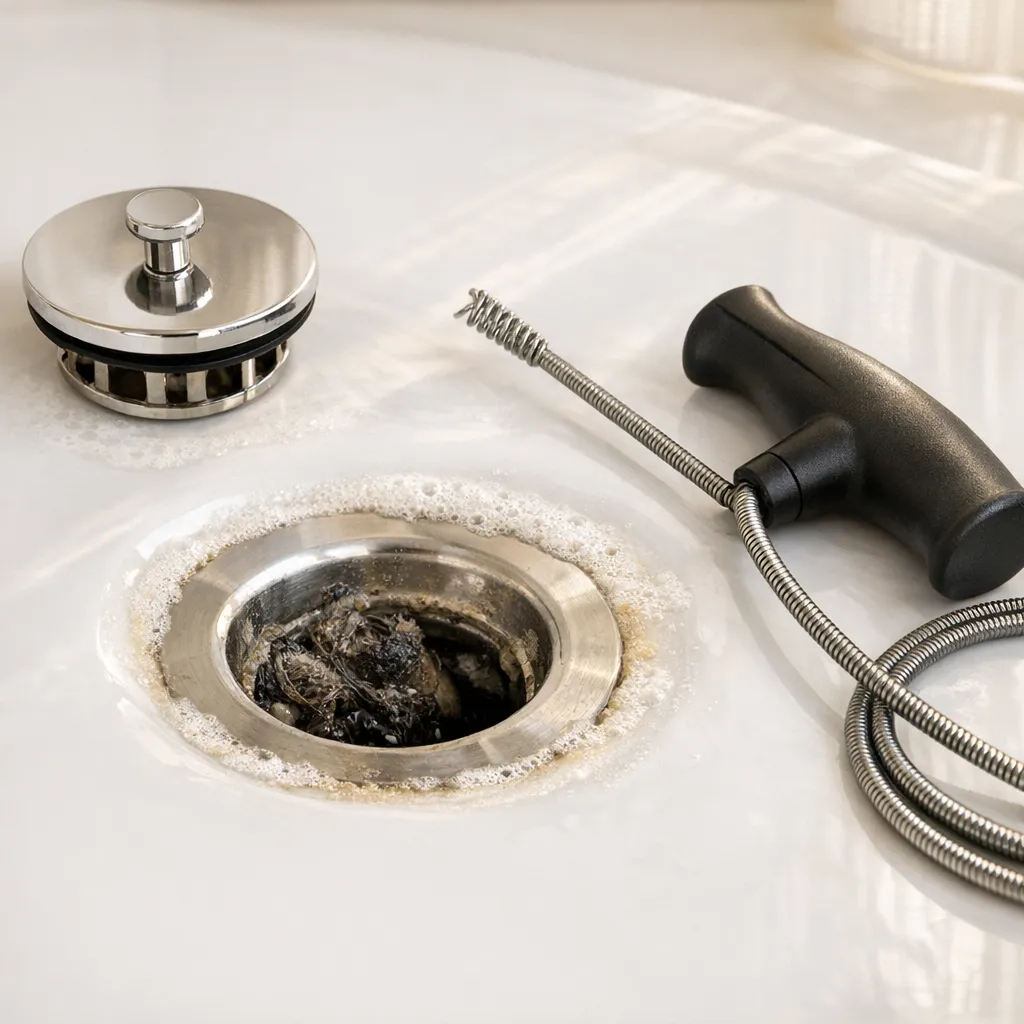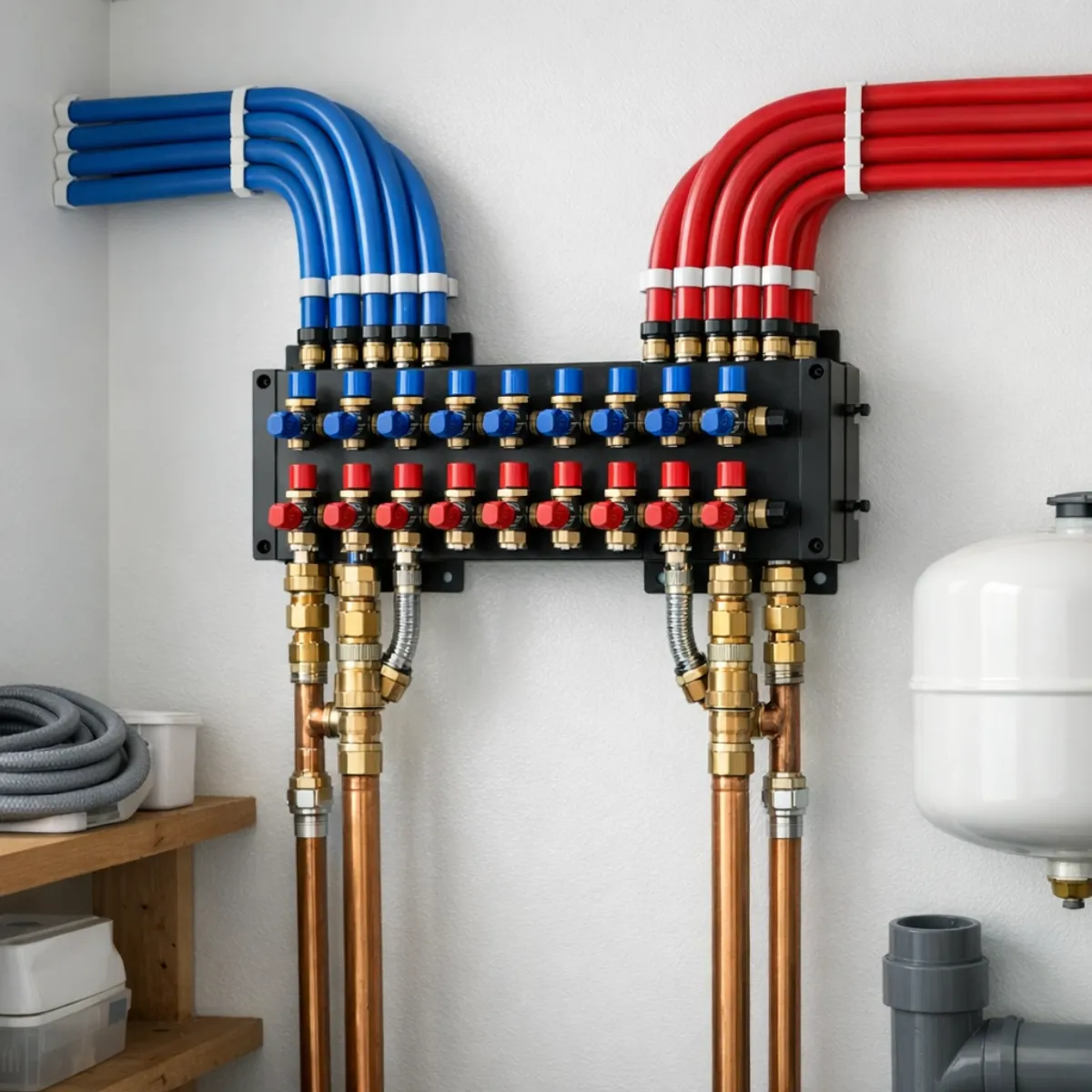
> San Antonio Local Insight: Pipe problems in San Antonio are driven by hard water corrosion from the Edwards Aquifer (357 mg/L). High calcium content eats through copper from inside, causes pinhole leaks, and builds deposits that restrict flow. local plumbers increasingly recommend PEX over copper for repiping because it resists mineral corrosion.
For a San Antonio home near Helotes, compare the whole system rather than a marketing lifespan: water chemistry, slab routing, fittings, and access all matter. An isolated repair may run $250–$750, while a planned PEX repipe commonly starts around $4,500.
Comparing PEX vs. copper pipe lifespan is not as simple as choosing the material with the largest number on a product page. Both can deliver decades of service when the product is approved, correctly sized, protected from damaging conditions, and installed to code. Either can also fail early after poor installation, freezing, corrosive water, ultraviolet exposure, or incompatible connections.
For a homeowner planning a repipe, renovation, or repair, the useful question is which system best tolerates the building, water, budget, and installer’s methods. Lifespan should be evaluated alongside fittings, accessibility, water quality, fire and heat exposure, pest risk, and the cost of fixing a future leak.
The practical lifespan answer
Manufacturers and industry references often describe both modern PEX and copper as long-service-life materials, but a universal year count would be misleading. Copper’s record spans many older buildings, yet aggressive water can produce pinhole leaks much sooner than expected. PEX does not corrode like metal and tolerates some movement, but it can be damaged by sunlight, excessive heat, incompatible chemicals, poor fittings, or physical abrasion.
A properly designed installation is therefore more important than a headline estimate. Copper may be the stronger candidate where pipe will be exposed, needs rigid straight runs, or must tolerate conditions specifically permitted for the selected product. PEX may be advantageous in concealed, accessible routes where flexibility reduces joints and the water chemistry is troublesome for copper. Local code, product listing, and manufacturer instructions set the actual boundaries.
What controls copper pipe life
Copper tube is rigid, familiar to many trades, resistant to ultraviolet light, and capable of neat exposed installations. Its longevity depends heavily on water chemistry and flow. Very acidic or otherwise aggressive water can attack the tube. Excessive velocity, poorly reamed cuts, flux left in the system, and workmanship defects can create localized erosion or corrosion. Thin-wall and thicker-wall copper also are not interchangeable assumptions; the specified type must suit the application.
Watch for blue-green staining, recurring pinhole leaks, metallic taste concerns, damp marks along pipe runs, or a history of repairs in neighboring sections. One isolated fitting leak does not prove the entire system is failing. Repeated pinholes across similar pipe, however, justify water testing and a system-level assessment. Replacing one small section without addressing corrosive conditions may only move the next failure elsewhere.
What controls PEX pipe life
PEX is flexible, does not suffer metal corrosion, and can often be routed with fewer directional fittings. Fewer hidden joints can reduce potential leak points. It also expands more than copper and may tolerate a limited freeze event better, but it is not freeze-proof. Frozen water can still damage tubing, fittings, valves, and fixtures, so insulation and proper placement remain essential.
Sunlight and some artificial ultraviolet sources can degrade PEX, which is why storage and installation limits matter. The tubing must be kept away from prohibited heat sources, sharp edges, incompatible sealants or chemicals, and areas subject to abrasion. Different PEX manufacturing methods and connection systems have product-specific requirements. Mixing rings, fittings, tools, or dimensions from incompatible systems is not a legitimate shortcut.
| Decision factor | PEX | Copper |
|---|---|---|
| Corrosive water | Not subject to metal corrosion; verify other compatibility | May be vulnerable; test water and diagnose pinholes |
| Long winding routes | Flexible and often uses fewer fittings | Requires more fittings and labor |
| Exposed appearance | Usually protected or concealed | Rigid, neat exposed runs are possible |
| Sunlight exposure | Must stay within strict UV limits | UV does not degrade the tube |
| Hot work during installation | Many systems use mechanical connections | Soldering introduces flame and heat controls |
| Future modifications | Manifold or accessible fittings can simplify work | Familiar, durable joints when installed correctly |
Fittings can matter as much as the tubing
Many water-system leaks occur at transitions, valves, penetrations, or connections rather than in the middle of an undisturbed tube. PEX systems may use expansion, crimp, clamp, press, or other listed connection methods. The installer needs the correct calibrated tool, compatible fitting, proper insertion depth, and adequate working clearance. Concealing a questionable connection behind drywall converts a small workmanship problem into expensive damage.
Copper joints also demand skill. Tube ends should be cut square, reamed, cleaned, supported, and joined with an approved method. Soldering near framing or insulation introduces fire risk and requires shielding, permits where applicable, and a fire watch. Press systems avoid open flame but still depend on clean preparation, approved jaws, correct insertion, and suitable fittings. In either material, transitions to water heaters, boilers, exterior equipment, and grounded metal systems need deliberate design.
Compare installation cost and disruption
PEX typically requires less labor on complex routes because it bends around obstacles and can use home-run or branch layouts. That can make it attractive during a whole-house repipe, especially when walls are opened selectively. Copper costs more to purchase and install in many markets, though pricing fluctuates. Its rigidity can be beneficial where straight, exposed work is desired and access is good.
Ask contractors to quote the same scope. A low number may omit drywall repair, insulation, supports, shutoff valves, permit fees, water testing, disposal, or correction of unrelated code issues discovered after walls open. Compare the proposed tubing and fitting brands, connection method, warranty responsibilities, routing, access panels, and protection at penetrations. The cheapest pipe does not produce the cheapest project if restoration or future service is ignored.
Account for water quality and local conditions
Before replacing copper after repeated pinholes, consider a laboratory water test or guidance from the local water provider and a qualified plumber. pH, dissolved minerals, disinfectants, private-well conditions, and electrical issues can influence diagnosis. Do not assume that visible green marks alone reveal the cause. Condensation, a slow fitting leak, and external chemicals can create misleading evidence.
Climate and construction matter too. Neither material should be routed through an unconditioned attic or exterior wall without a code-compliant freeze strategy. PEX needs protection from nails, screws, pests, abrasion, and heat. Copper needs isolation from dissimilar metals and potentially reactive building materials. Pipe supports must allow the movement characteristics of the chosen material rather than forcing it into a rigid pattern it was not designed to follow.
Think beyond lifespan to water and comfort performance
Pipe size and layout affect how long users wait for hot water, how pressure behaves when fixtures run together, and how much water is held in a branch. A PEX manifold with individual smaller runs can make shutoffs and future service convenient, but it uses more total tubing. A conventional trunk-and-branch design may use less pipe but needs careful sizing. Copper also supports multiple layout strategies; the material does not correct undersizing.
Noise differs as well. Copper can transmit velocity noise and water hammer when poorly secured or when pressure is excessive. PEX can move and rub if supports and sleeves are wrong. A pressure-reducing valve, hammer arrestor, correct support spacing, and sensible routing solve specific causes; selecting a material by itself does not. Ask how the proposed design will manage pressure, hot-water delay, movement, and accessible shutoffs.
Common buying and planning mistakes
Do not choose based on a single claimed lifespan, a social-media anecdote, or the color of the tubing. Product certification, local approval, installer competence, and system design are more useful. Avoid owner-supplied mixtures of fittings and tubing unless the installer confirms the complete assembly is listed and warranted. Saving a small amount on unknown components can complicate both inspection and warranty service.
Do not treat PEX flexibility as permission for unsupported, kinked, or exposed runs. Do not treat copper as automatically permanent. Avoid burying mechanical joints where the product or code requires access. Photograph open walls, label manifolds and shutoffs, retain invoices and product information, and pressure-test before concealment. These records make later drilling, remodeling, and warranty questions far easier.
When a plumber or other specialist is necessary
A licensed plumber should design a major repipe, determine sizing, select approved materials, obtain required permits, and test the completed system. Call promptly for widespread staining, multiple pinholes, low pressure of unknown cause, water near electrical equipment, or a leak inside a wall. Shut off the water if active leakage threatens finishes or structure, and do not energize wet electrical devices.
Some projects also need coordination with a water-treatment professional, electrician, fire-stopping contractor, or remediation company. Copper piping may be part of an electrical bonding arrangement; removing it without electrical review can create a safety issue. Penetrations through rated assemblies must be properly sealed. Suspected mold-like growth or prolonged hidden saturation deserves appropriate drying and assessment rather than simply closing the wall over new pipe.
A selection checklist for estimates
1. Document the current failure pattern and exact leak locations.
2. Test or investigate water quality when corrosion is suspected.
3. Confirm both material and connection system are locally approved.
4. Compare pipe layout, sizing, supports, insulation, and freeze protection.
5. Identify every concealed fitting and how it will be tested.
6. Verify UV, heat, chemical, pest, and abrasion protection for PEX.
7. Verify copper type, joining method, fire controls, and dissimilar-metal isolation.
8. Include permits, wall restoration, valves, disposal, and warranty in the price.
9. Photograph the system before walls close and retain pressure-test records.
A good proposal explains why a material suits this particular house. It should not promise that either PEX or copper will last a guaranteed number of decades regardless of conditions.
Frequently asked questions
Does copper always last longer than PEX?
No. Copper has a long real-world history, but corrosive water or installation problems can shorten its life. Correctly selected PEX avoids metal corrosion but has its own limits involving UV, heat, chemicals, and connections.
Is PEX safe to use near a water heater?
Only as allowed by local code and the specific tubing and appliance instructions. Required metallic transitions, clearances, temperature ratings, and relief-discharge rules vary. This is an area for a qualified plumber, not guesswork.
Should every fitting remain accessible?
Accessibility requirements depend on the fitting type and local code. Even where concealment is permitted, minimizing hidden joints and testing before closing walls is prudent. Valves and serviceable devices generally need access.
Can PEX survive freezing?
Its flexibility may reduce damage in some freeze events, but PEX is not freeze-proof. Fittings and valves can break, and repeated freezing is unacceptable. Correct routing, air sealing, insulation, and heat are the real protections.
Is a partial repair worthwhile before a full repipe?
Yes when failure is isolated and the remaining system is sound. Repeated similar leaks, aggressive water, or inaccessible deteriorated runs may make a planned repipe more economical. Diagnosis should precede scope.
Why This Is Different in San Antonio
Material life here is shaped by water chemistry and slab construction. Edwards Aquifer water is roughly 357 mg/L, or 21 gpg. That does not literally “eat” every copper line, but scale, pH, disinfectant exposure, high velocity, workmanship, and electrical conditions can combine to produce pinholes. PEX avoids metal corrosion, yet its fittings and installation still determine reliability.
Around Helotes, some properties use wells or edge-of-system supplies with chemistry different from central SAWS service. Test the actual water before blaming material alone. In slab-on-grade homes, routing and future access may matter more than a claimed 50-year lifespan because one concealed failure can drive restoration costs.
Winter Storm Uri also changed the local risk calculation. PEX may tolerate limited expansion better, but neither material is freeze-proof. Keep runs inside conditioned space, protect exterior-wall penetrations, and document every concealed fitting before drywall closes.
What San Antonio Homeowners Pay (2026)
| Project | Typical 2026 range |
|---|---|
| Isolated accessible pipe repair | $250–$750 |
| Water-quality or leak diagnosis | $200–$600 |
| Whole-house PEX repipe | $4,500–$9,000 |
| Whole-house copper repipe | $8,000–$15,000+ |
| Slab-leak repair or reroute | $2,000–$5,000+ |
House size, number of fixtures, attic access, permits, drywall repair, and whether lines must be rerouted around a slab explain much of the spread. Compare identical scopes rather than only the tubing price.
When to Call a San Antonio Plumber
Bring in a licensed plumber for recurring pinholes, unexplained meter movement, widespread low pressure, a slab leak, or any whole-house material decision. The estimate should identify tubing brand, fitting system, sizing, routing, insulation, permits, pressure testing, wall restoration, and warranty responsibility.
DIY can stop at documenting leaks, shutting water off, and checking accessible joints. Do not open walls near wiring or alter copper that may be part of electrical bonding. Typical diagnostic labor is $85–$150 per hour in Bexar County.
San Antonio FAQ
Does copper always outlast PEX here?
No. Copper has an excellent record in compatible conditions, but repeated pinholes can make PEX the more practical system. PEX still requires listed fittings and protection.
Should I test the water before repiping?
Yes when corrosion is suspected, especially on a well or nonstandard supply. Use the result with failure history, not as the only decision.
Can PEX go directly beside a water heater?
Only where the appliance instructions and adopted code allow it; a metallic transition may be required.
Which option is easier to repair later?
Accessible routing, labeled shutoffs, photographs, and a consistent fitting system matter more than material alone.