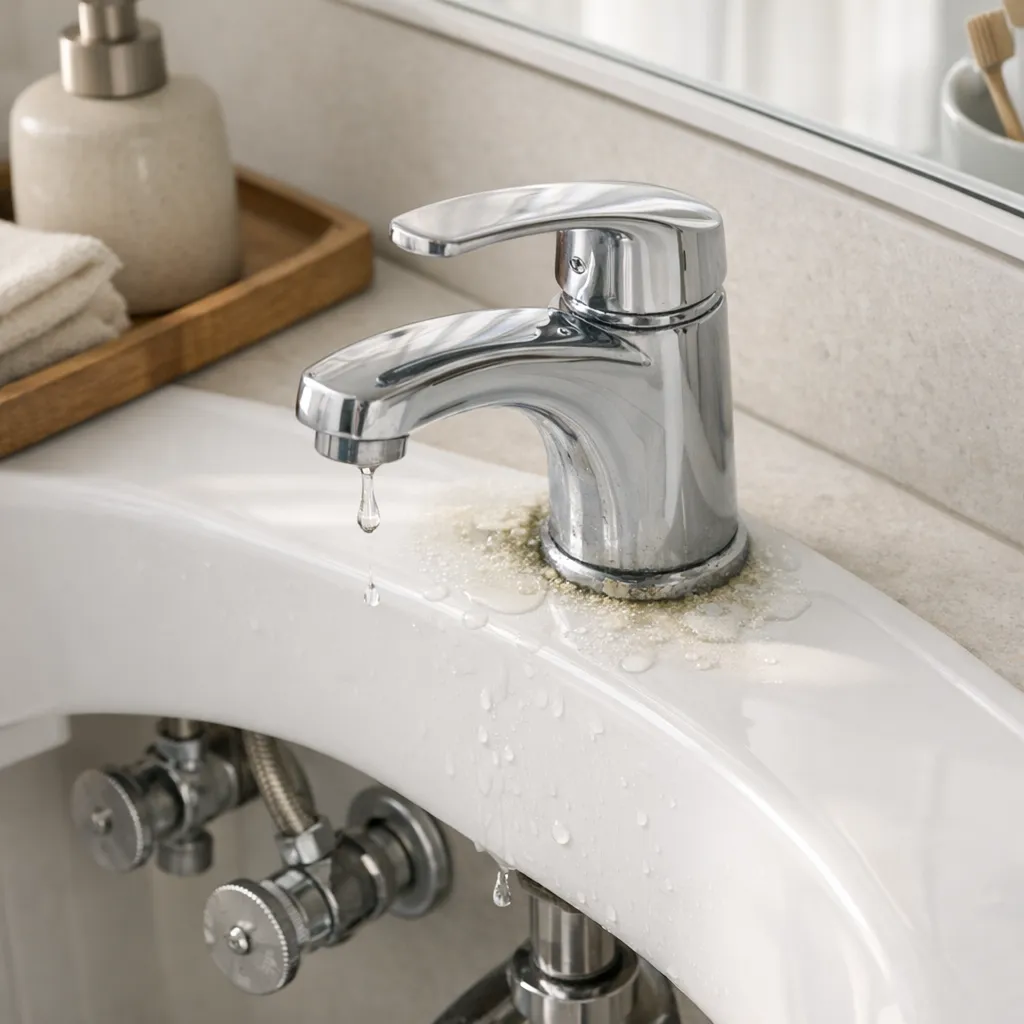
> San Antonio Local Insight: San Antonio's hard water from the Edwards Aquifer affects every plumbing system in your home. With 357 mg/L mineral content (21 grains per gallon), our water causes faster corrosion, heavier scale buildup, and more frequent repairs than most US cities. Understanding this local factor helps you make better decisions about maintenance, repair, and prevention.
Diagnose the Line Before Pricing Its Replacement
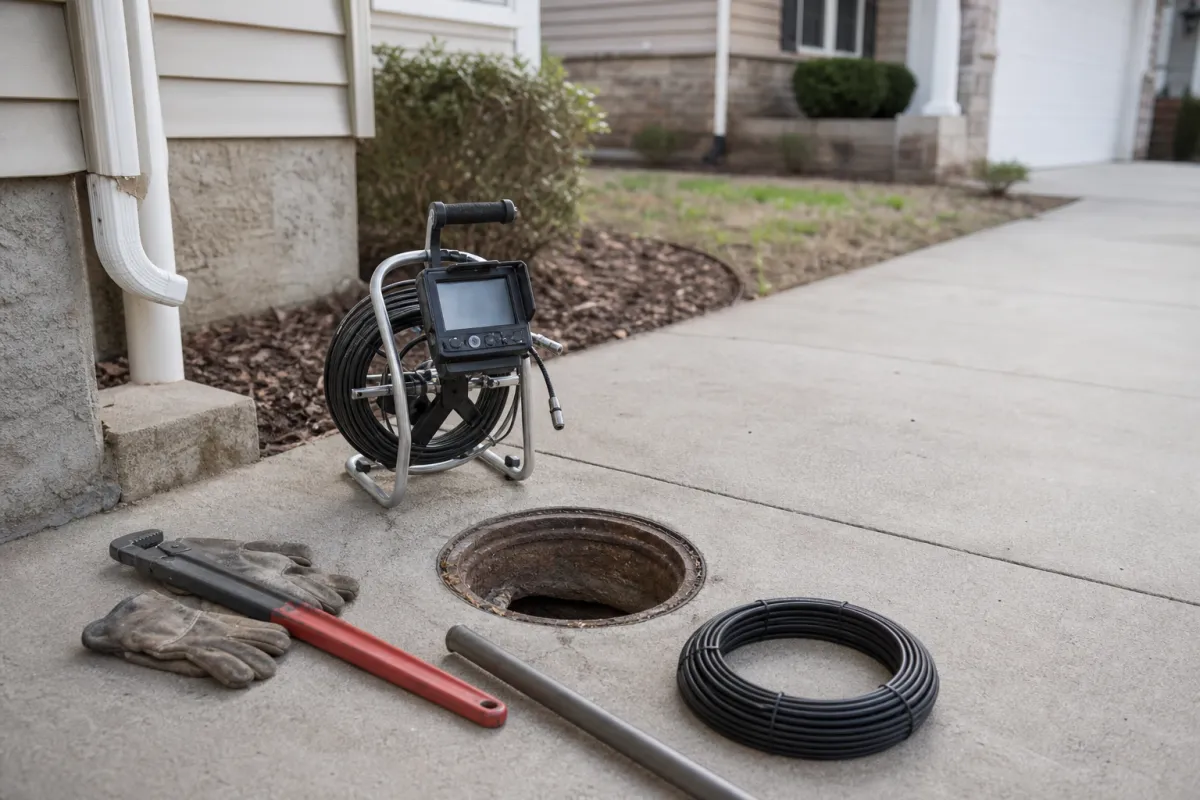
A sewer replacement estimate should begin with a camera inspection and a marked route, not a price per foot alone. In the New Braunfels/Boerne corridor, rocky Hill Country soil can make excavation slower, while Bexar County lots may add driveway, patio, mature-tree, or utility conflicts. Ask the contractor to show the defect on video and distinguish an isolated break from widespread collapse, bellies, root intrusion, or failing joints.
The Edwards Aquifer supply is about 357 mg/L, or 21 gpg. That hardness affects fixtures more directly than a building sewer, but mineral scale can combine with grease and debris in smaller drain lines. It does not justify replacing a sound sewer. SAWS should be contacted when the suspected issue may be on the utility side, and Texas 811 must locate utilities before excavation.
For San Antonio budgeting, a camera inspection often costs $200–$400, a localized repair about $1,500–$4,000, and a full replacement commonly $5,000–$15,000 or more. Trenchless work may reduce surface restoration but is not suitable for every collapsed or badly graded line. After extreme soil movement or a freeze event such as Winter Storm Uri, compare the recording with prior inspections if available.
Why Knowing Sewer Line Replacement Costs Matters
Sewer line replacement is not just a repair; it’s a significant investment. The cost can vary widely depending on several factors, including the material of the pipes, the length of the line, and the specific conditions of your property. Understanding these costs can help you budget effectively and avoid unexpected financial strain.
Additionally, knowing the sewer line replacement cost per foot helps you make informed decisions about whether to repair or replace your existing line. This understanding can save you time and money in the long run, as early intervention often leads to better outcomes.
What to Check First
Before diving into the costs, it’s crucial to conduct a thorough assessment of your sewer line. Here are some initial checks you should consider:
1. Identify Symptoms of Sewer Line Issues
Common symptoms include:
- Slow Drains: If multiple drains in your home are slow, it could indicate a blockage in the sewer line.
- Unpleasant Odors: Foul smells near your yard or home can signify a sewage leak.
- Water Pooling: Puddles or wet spots in your yard, particularly above the sewer line, may indicate a leak.
2. Inspect the Age and Material of Your Pipes
The material of your sewer line can significantly affect replacement costs. Older homes may have clay or cast iron pipes, which can deteriorate over time. Modern materials like PVC or HDPE are more durable and often easier to replace. Knowing what you have can guide your decision-making.
3. Conduct a Camera Inspection
A professional sewer camera inspection can provide a clear view of the interior of your pipes. This step helps identify blockages, cracks, or other issues that may necessitate replacement. The cost of a camera inspection typically ranges from $150 to $500, but it can save you from costly mistakes down the line.
Repair Methods and Their Tradeoffs
Once you’ve assessed your sewer line, you can explore your replacement options. Here are the most common methods and their respective costs:
1. Traditional Dig-and-Replace
This method involves digging up your yard to access the sewer line. While it’s effective, it can be labor-intensive and disruptive. The average cost for this method ranges from $50 to $250 per foot, depending on your location and the complexity of the job.
2. Trenchless Replacement
Trenchless technology allows for the replacement of sewer lines without extensive digging. This method is less disruptive and often quicker, but it can be more expensive. Costs typically range from $60 to $200 per foot. This option is ideal for homeowners looking to minimize damage to their landscaping.
3. Pipe Relining
Pipe relining involves inserting a liner into the existing pipe, which hardens to form a new pipe within the old one. This method is less invasive and can be a cost-effective solution, generally costing between $80 and $250 per foot. However, it may not be suitable for severely damaged pipes.
4. DIY Replacement
If you’re handy and the problem is minor, you might consider a DIY approach. However, this option requires a solid understanding of plumbing and local regulations. Costs can vary widely, but you should still budget for materials, tools, and potential permits.
Mistakes to Avoid
While navigating sewer line replacement, homeowners often fall into common traps. Here are some pitfalls to avoid:
1. Underestimating Costs
Many homeowners focus solely on the cost per foot without considering additional expenses like permits, inspections, and landscaping repairs post-replacement. Always budget for these extra costs to avoid surprises.
2. Ignoring Local Regulations
Each municipality has specific codes and regulations regarding sewer line work. Failing to comply can lead to fines or the need for costly rework. Always check with your local authority before starting any project.
3. Skipping Professional Inspections
While DIY inspections can provide some insight, they often lack the thoroughness of a professional assessment. Skipping this step can lead to misdiagnosis and potentially more significant issues down the line.
4. Choosing the Cheapest Option
While it’s tempting to go for the lowest bid, the cheapest option may not always provide the best value. Consider the quality of materials and the contractor's reputation when making your decision.
When the Work Is No Longer DIY
While some homeowners may feel confident tackling sewer line issues on their own, there are specific situations where calling a professional is essential:
1. Multiple Symptoms Present
If you’re experiencing multiple symptoms—slow drains, foul odors, and water pooling—it’s time to call a professional. They can provide a comprehensive assessment and recommend the best course of action.
2. Significant Damage
If your sewer line is severely damaged, a professional should handle the replacement. They have the necessary tools and expertise to ensure the job is done correctly.
3. Local Regulations
If you’re unsure about local regulations regarding sewer line replacement, it’s best to consult a professional. They will ensure that all work complies with local codes, saving you potential headaches.
4. Complex Situations
If your sewer line is located in a difficult-to-access area or you’re dealing with tree roots or other complications, professional help is advisable.
FAQ
What is the average sewer line replacement cost per foot?
The average cost ranges from $50 to $250 per foot, depending on the method used and San Antonio metro labor rates.
How can I tell if my sewer line needs replacement?
Signs include slow drains, foul odors, and water pooling in your yard. A professional inspection can provide a definitive answer.
Is trenchless replacement worth the cost?
While it can be more expensive, trenchless replacement minimizes yard disruption and can be a worthwhile investment for many homeowners.
Can I replace my sewer line myself?
While DIY replacement is possible, it requires significant plumbing knowledge and compliance with local regulations. It’s often best to consult a professional.
How long does sewer line replacement take?
The duration depends on the method used and the complexity of the job. Traditional replacement can take several days, while trenchless methods may be completed in a day.
Quick Reference Table: Sewer Line Replacement Costs
| Method | Cost Per Foot | Pros | Cons |
|---|---|---|---|
| Traditional Dig-and-Replace | $50 - $250 | Effective, clear access | Disruptive, labor-intensive |
| Trenchless Replacement | $60 - $200 | Less disruptive, quicker | More expensive |
| Pipe Relining | $80 - $250 | Less invasive, often cost-effective | May not work for severely damaged pipes |
| DIY Replacement | Varies | Cost-saving potential | Requires expertise, local compliance needed |
Conclusion
Understanding the sewer line replacement cost per foot is essential for homeowners facing potential sewer issues. By assessing your situation, weighing your options, and knowing when to call a professional, you can navigate this complex process more effectively. Whether you choose a traditional method, trenchless replacement, or a DIY approach, informed decision-making will lead to better outcomes and a more efficient repair process.
Why This Is Different in San Antonio
San Antonio's Edwards Aquifer supplies some of the hardest municipal water in the United States: about 357 mg/L, or 21 grains per gallon. That limestone-filtered groundwater carries calcium carbonate and magnesium into our fixtures, valves, drains, heaters, and supply lines. For sewer line replacement cost per foot, that matters because calcium scale roughens the inside of drains, so hair, grease, soap film, and food debris catch more aggressively than they do in soft-water cities.
- Scale buildup makes small restrictions worse, especially at cartridges, aerators, shutoff valves, drains, and heater connections.
- Fixtures, pipes, and appliances in our area can wear out 30-50% faster than in soft-water cities when maintenance is delayed.
- SAWS publishes annual water quality reports, but the practical homeowner takeaway is simple: maintenance intervals here should be shorter than national advice suggests.
Homes in New Braunfels and Boerne are particularly affected because nearby Hill Country water systems are also very hard and create similar maintenance pressure. Unlike cities with naturally soft water, local homeowners should treat hard-water maintenance as normal prevention, not an upsell.
> "San Antonio drains do not just fight hair and grease. The mineral scale gives debris something to grab onto, so clogs become stubborn faster." — Licensed local plumber
What San Antonio Homeowners Pay (2026)
| Service | Typical Cost in San Antonio |
|---|---|
| Sewer line camera inspection | $200–$400 |
| Drain cleaning | $150–$350 |
| Emergency plumber call | $150–$350; after hours $250–$500 |
Prices are based on local metro area ranges for 2026. Costs may vary by neighborhood, access, pipe material, after-hours timing, and whether the plumber finds hard-water damage beyond the visible problem.
When to Call a San Antonio Plumber
Call a licensed local plumber if the problem involves active leaking, a shutoff valve that will not close, sewer smell, recurring clogs, water near electrical components, a water heater leak, or any pipe inside a wall, ceiling, or slab. Locally, expect many licensed plumbers to charge roughly $85-$150 per hour, with emergency visits commonly around $150-$350 and after-hours calls closer to $250-$500.
When you call, ask three local questions:
1. Are you licensed and insured for work in Bexar County or the surrounding local metro?
2. Have you dealt with Edwards Aquifer hard-water scale on this type of repair?
3. Should I also check the water heater, shutoff valves, or water softener while you are there?
local plumbers see hard-water issues every week, so a good pro should be able to explain whether the failure is normal wear, mineral damage, freeze damage from a cold snap like Winter Storm Uri, or a sign of a larger plumbing system problem.
San Antonio FAQ
Is local water hard?
Yes. San Antonio water is very hard at about 357 mg/L, or 21 grains per gallon, because much of it comes from the Edwards Aquifer and passes through limestone. That mineral content is why scale shows up quickly on faucets, showerheads, valves, drains, and water heaters.
Do local homes need a water softener?
A water softener is recommended for many local homes, especially if you see white scale, repeated faucet or valve problems, short water-heater life, or cloudy spots on dishes. A typical whole-home water softener installation in San Antonio runs about $1,500-$4,000.