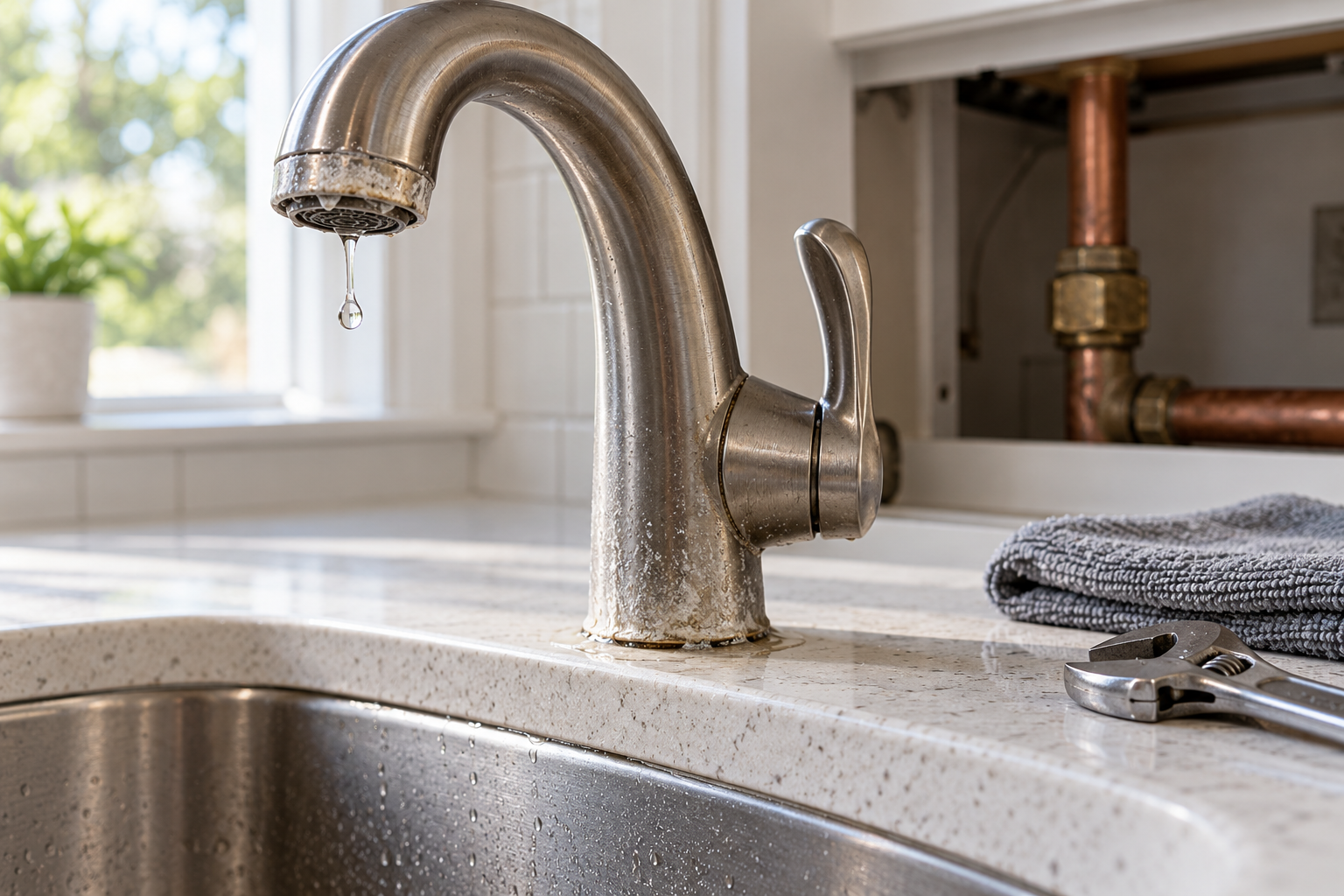
> San Antonio Local Insight: Drain and sink clogs in San Antonio are different from other cities. Edwards Aquifer hard water (357 mg/L) deposits white calcium scale inside pipes that traps hair, grease, and soap more aggressively. Standard drain cleaners often fail because they dissolve organic matter but not mineral buildup. local homes need descaling-specific methods.
Start With Hair and Scale, Not Harsh Chemicals
A slow shower in San Antonio usually begins near the strainer, where hair and soap bind to mineral scale from Edwards Aquifer water. At about 357 mg/L, or 21 gpg, that chalky layer gives debris a rough surface to grip. Remove visible hair first, then use a plastic barbed tool or hand auger; boiling water and caustic cocktails can damage finishes, seals, or older piping without removing the physical plug.
Stone Oak homes from the 1990s and 2000s may have modern supply piping but still develop heavy deposits at showerheads and drain hardware. If one shower is slow while nearby fixtures drain normally, start locally. If a toilet gurgles, multiple fixtures back up, or wastewater rises in another drain, stop using water—the blockage may be in a branch or building sewer rather than the shower trap.
A basic drain-cleaning visit commonly costs $150-$350 in the local market, while a camera inspection is often $200-$400 when repeated clogs suggest a deeper defect. Ask a Bexar County plumber whether the quote includes trap access, cable cleaning, cleanup, and a camera only if needed. SAWS handles the public sewer main, but the property owner is generally responsible for the private lateral. San Antonio homeowners should keep chemical products out of a line that a technician may soon open.
When a shower is clogged, the most common obstruction is a compacted mix of hair, soap residue, and product buildup close to the drain opening. Stop using the shower before the pan overflows, remove the strainer, and begin with mechanical cleaning rather than harsh chemical drain opener. A visible hair mass can often be lifted with a plastic barbed tool or hand auger while wearing gloves.
Slow drainage in only one shower is usually local. Water backing up in several fixtures, toilet bubbling, sewage odor, or wastewater rising in the shower when another fixture runs can indicate a branch or main sewer problem. Stop running water in that situation and call a licensed plumber; adding chemicals or repeatedly flushing fixtures can increase damage and exposure.
Identify Whether the Blockage Is Local or Larger
Run the shower briefly and observe how quickly water pools, then check the nearby sink and toilet without creating an overflow. If those fixtures drain normally, focus on the shower trap and short branch. If the toilet gurgles when the sink drains or the shower fills when laundry discharges, the obstruction may be farther downstream and beyond a simple drain-cleaning task.
Ask whether the change was sudden or gradual. Gradual slowing often reflects accumulating hair and soap. A sudden stop after construction can involve debris; recurring clogs despite cleaning can point to pipe scale, poor slope, a damaged line, or roots in an underground drain. Diagnosis matters because repeatedly clearing the same accessible spot will not correct a structural defect.
Safety Before You Open or Treat the Drain
Wear eye protection and chemical-resistant gloves if any drain product may already be present. Do not mix bleach, acids, alkalis, vinegar, ammonia, or different drain cleaners; reactions can generate heat and dangerous gas. Tell a plumber what was poured into the drain. Keep powered tools and extension cords away from the wet shower area, and do not use an electric auger unless trained for it.
A shower clog normally does not require shutting off the water supply, but stop all fixture use if wastewater is backing up. Treat sewage as contaminated: keep occupants away, avoid splashing, and arrange professional cleanup for a significant release. In older homes, use gentle mechanical methods because aggressive powered equipment can damage fragile or already compromised piping.
Remove the Strainer and Clear What You Can See
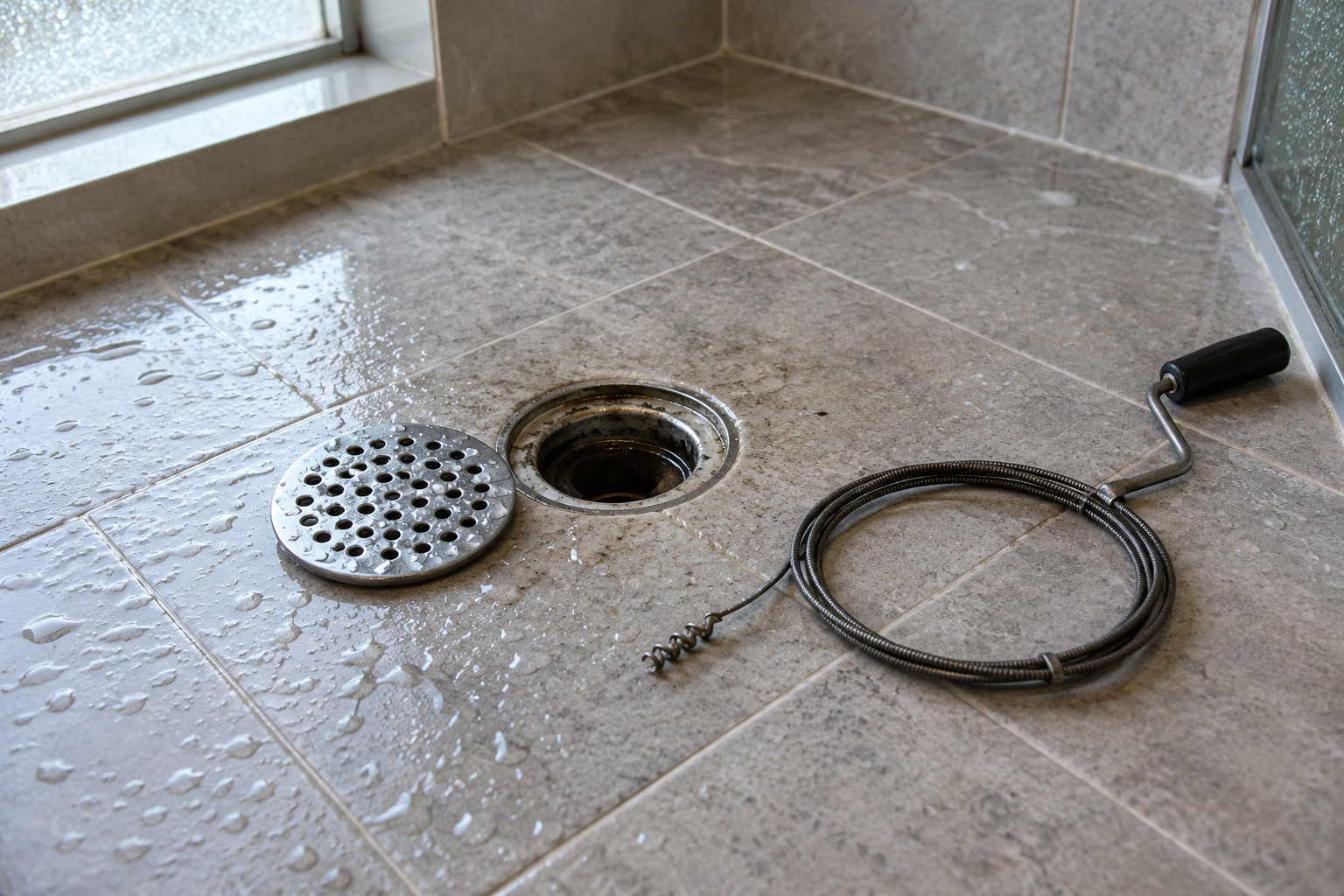
Photograph the strainer before disassembly and cover nearby openings so screws cannot fall into the drain. Some strainers lift out; others use screws or a snap fit. Remove hair with needle-nose pliers or a plastic drain-cleaning strip, working slowly so the mass comes out rather than being pushed deeper. Place debris in a bag instead of flushing it down another fixture.
Clean the strainer and the upper drain wall with dish soap and a nonabrasive brush. Mineral scale may need a bathroom-safe descaler compatible with the fixture finish, but keep chemicals out of the open drain when possible. Reinstall the strainer securely after flow testing; a loose or sharp-edged cover is a trip and cut hazard.
Use a Plunger Without Spreading Contamination
A flat cup plunger can help when the obstruction is beyond reach. Add enough water to cover the cup, seal the overflow if the shower has one, and make several controlled strokes. The goal is pressure variation, not violent force. A poor seal produces splashing without moving the clog, while excessive force can stress weak slip joints or seals.
After plunging, remove loosened debris that returns to the opening. Test with a modest stream before filling the pan. If water remains completely stationary, stop rather than pouring more substances into standing water. A plumber working above a chemical-filled trap faces added burn and splash risk.
Try a Hand Auger for a Deeper Hair Clog
Feed a small manual drain auger gently after removing the cover, turning the drum as the cable advances. When resistance appears, rotate and work the cable in short movements instead of forcing it. Pull back periodically to remove debris. The trap itself creates normal resistance, so a hard stop does not automatically mean you reached the clog.
Do not use a toilet auger in a shower, and avoid powered machines without training. Stop if the cable kinks, binds, scratches a finished drain, or cannot pass. Repeated hard impacts can puncture corroded metal or separate a poorly supported joint. Clean and disinfect the tool according to its instructions after use.
Why Chemical Drain Openers Are Usually a Poor First Choice
Caustic or acidic drain openers may not penetrate a dense hair plug, especially through standing water. They can damage some finishes and piping, create heat, and leave hazardous liquid for the person who later opens the trap or uses a cable. “Natural” combinations are not automatically effective; fizzing baking soda and vinegar may loosen light residue but usually will not extract compacted hair.
An enzyme or bacterial maintenance product labeled for the plumbing may help reduce organic buildup over time, but it is not an emergency opener and should never be combined with other products. Follow the label and local wastewater guidance. Mechanical removal has the advantage of taking the obstruction out of the system and showing what caused it.
Test the Drain and Check for Leaks
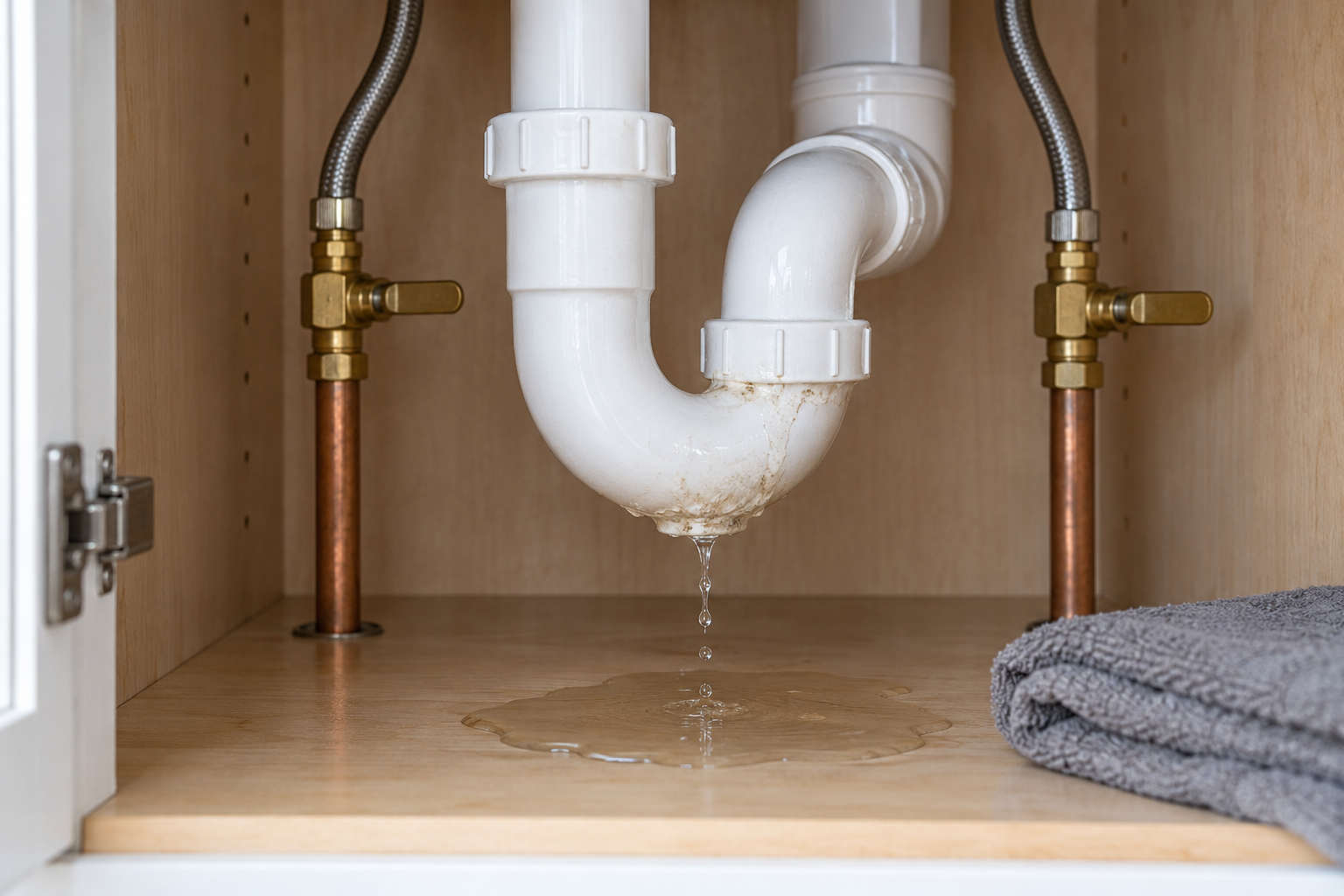
Once debris is removed, run a narrow stream for a minute, then increase flow while watching the drain. The water should clear without a rising pool, gurgling, or odor. If accessible from below, inspect the trap and joints for drips. Water escaping around the drain flange rather than through the pipe can damage the subfloor and needs a different repair.
A temporary improvement followed by rapid slowing means material remains or the restriction is farther away. Note which other fixtures affect the shower and give that information to the plumber. A camera inspection may be appropriate for recurring branch or sewer trouble, but it is not necessary for every ordinary hair clog.
Quick Comparison of Clearing Methods
| Method | Best for | Main caution |
|---|---|---|
| Manual hair removal | Visible near-drain buildup | Avoid pushing debris deeper |
| Cup plunger | Soft obstruction beyond opening | Control splashing |
| Hand auger | Hair in trap or short branch | Never force a bound cable |
| Chemical opener | Rarely the safest first step | Burns, reactions, pipe damage |
| Professional cleaning | Recurring or multi-fixture backup | Explain prior chemical use |
Choose the least destructive method that fits the evidence. A simple sequence—inspection, manual removal, controlled plunging, then a hand auger—solves many local clogs while preserving the option for safe professional work if it does not.
Prevent Hair and Soap Buildup
Install a removable hair catcher that fits without creating a sharp edge or blocking normal flow. Empty it after showers and wash the strainer weekly. Brush hair before bathing when practical, use only as much product as needed, and avoid rinsing waxes, thick masks, plaster, paint, grout, or construction debris into the shower.
Flush the drain periodically with hot tap water—not boiling water, which can stress some materials—and clean reachable residue mechanically. Pay attention to gradual changes instead of waiting for standing water. Recurring odor, insects from the drain, leaks, or repeated blockages deserve diagnosis rather than an escalating cycle of cleaners.
When to Call a Plumber
Call when multiple fixtures back up, sewage appears, the cable repeatedly stops, the clog returns quickly, or the home has fragile old drains. Also call if you suspect a damaged trap, poor venting, roots, or a collapsed line. In a rental, report the issue according to the lease before dismantling plumbing or using chemicals.
Stop immediately if wastewater approaches electrical equipment or escapes into another room. A plumber can select the correct cable head and machine, locate a cleanout, inspect recurring defects, and verify flow without sacrificing the pipe. Professional help is cheaper than repairing a line damaged by an oversized powered auger.
Frequently Asked Questions
Can boiling water clear a shower clog?
Avoid boiling water. Hot tap water may soften light soap residue, but compacted hair normally needs mechanical removal, and extreme temperature can harm some piping or seals.
Why does my shower drain smell after clearing it?
Debris may remain on the drain wall, the trap may have lost its water seal, or a vent or sewer issue may exist. Clean reachable surfaces and seek help if odor persists or accompanies gurgling.
Can I use a drain snake in a tiled shower?
A small hand auger can be appropriate if the cover is removable and the cable feeds gently. Protect the finish and stop at binding resistance; powered equipment is better left to a plumber.
Why does the toilet make the shower back up?
That pattern suggests a shared branch or main drain restriction rather than a clog limited to the shower. Stop water use and arrange professional service.
Why This Is Different in San Antonio
San Antonio's Edwards Aquifer supplies some of the hardest municipal water in the United States: about 357 mg/L, or 21 grains per gallon. That limestone-filtered groundwater carries calcium carbonate and magnesium into our fixtures, valves, drains, heaters, and supply lines. For shower clogged, that matters because calcium scale roughens the inside of drains, so hair, grease, soap film, and food debris catch more aggressively than they do in soft-water cities.
- Scale buildup makes small restrictions worse, especially at cartridges, aerators, shutoff valves, drains, and heater connections.
- Fixtures, pipes, and appliances in our area can wear out 30-50% faster than in soft-water cities when maintenance is delayed.
- SAWS publishes annual water quality reports, but the practical homeowner takeaway is simple: maintenance intervals here should be shorter than national advice suggests.
Homes in Stone Oak are particularly affected because many 1990s-2000s homes have copper lines where hard-water scale and pinhole leaks show up sooner than owners expect. Unlike cities with naturally soft water, local homeowners should treat hard-water maintenance as normal prevention, not an upsell.
> "San Antonio drains do not just fight hair and grease. The mineral scale gives debris something to grab onto, so clogs become stubborn faster." — Licensed local plumber
What San Antonio Homeowners Pay (2026)
| Service | Typical Cost in San Antonio |
|---|---|
| Drain cleaning | $150–$350 |
| Sewer line camera inspection | $200–$400 |
| Emergency plumber call | $150–$350; after hours $250–$500 |
Prices are based on local metro area ranges for 2026. Costs may vary by neighborhood, access, pipe material, after-hours timing, and whether the plumber finds hard-water damage beyond the visible problem.
When to Call a San Antonio Plumber
Call a licensed local plumber if the problem involves active leaking, a shutoff valve that will not close, sewer smell, recurring clogs, water near electrical components, a water heater leak, or any pipe inside a wall, ceiling, or slab. Locally, expect many licensed plumbers to charge roughly $85-$150 per hour, with emergency visits commonly around $150-$350 and after-hours calls closer to $250-$500.
When you call, ask three local questions:
1. Are you licensed and insured for work in Bexar County or the surrounding local metro?
2. Have you dealt with Edwards Aquifer hard-water scale on this type of repair?
3. Should I also check the water heater, shutoff valves, or water softener while you are there?
local plumbers see hard-water issues every week, so a good pro should be able to explain whether the failure is normal wear, mineral damage, freeze damage from a cold snap like Winter Storm Uri, or a sign of a larger plumbing system problem.
San Antonio FAQ
Is San Antonio water hard?
Yes. San Antonio water is very hard at about 357 mg/L, or 21 grains per gallon, because much of it comes from the Edwards Aquifer and passes through limestone. That mineral content is why scale shows up quickly on faucets, showerheads, valves, drains, and water heaters.
Do local homes need a water softener?
A water softener is recommended for many local homes, especially if you see white scale, repeated faucet or valve problems, short water-heater life, or cloudy spots on dishes. A typical whole-home water softener installation in San Antonio runs about $1,500-$4,000.