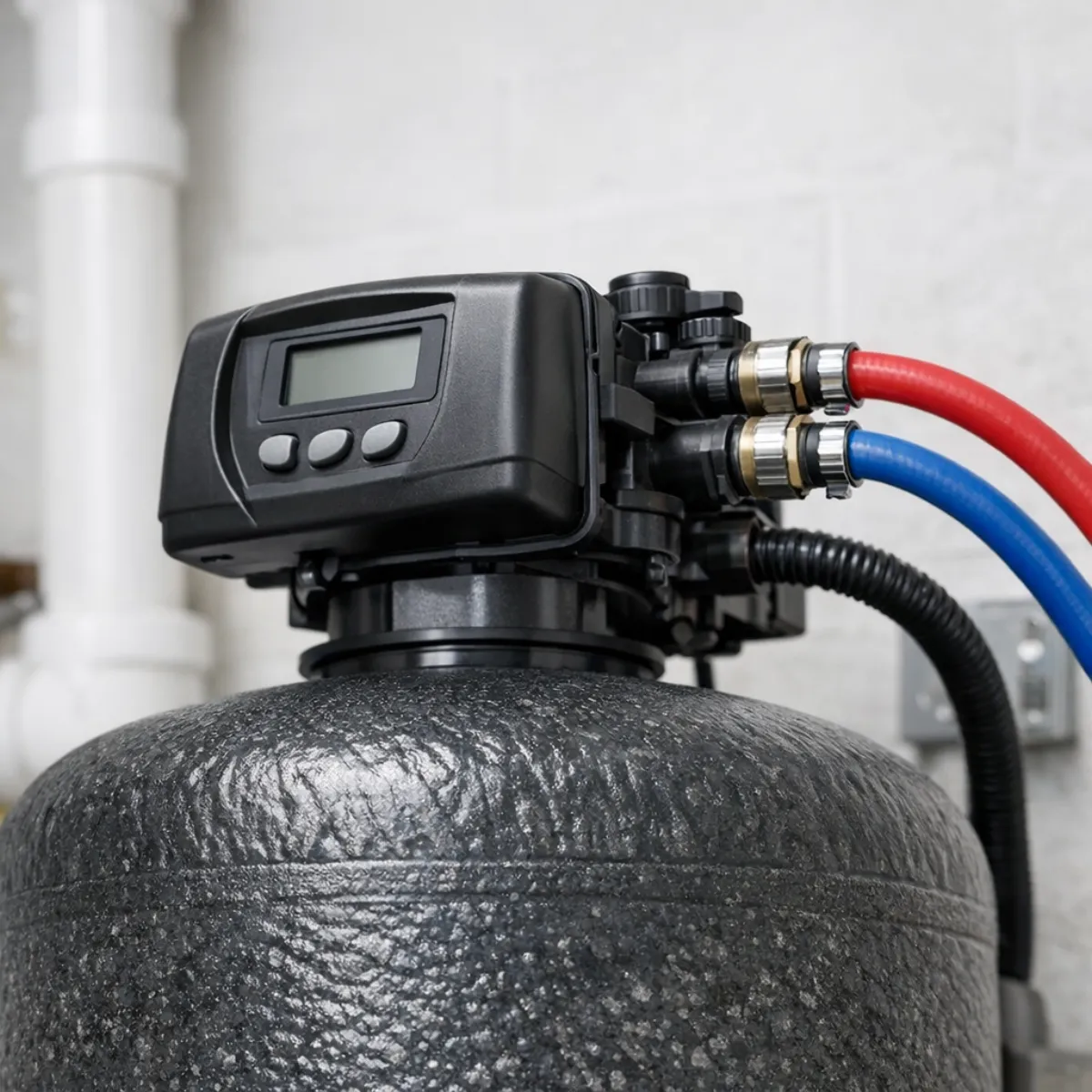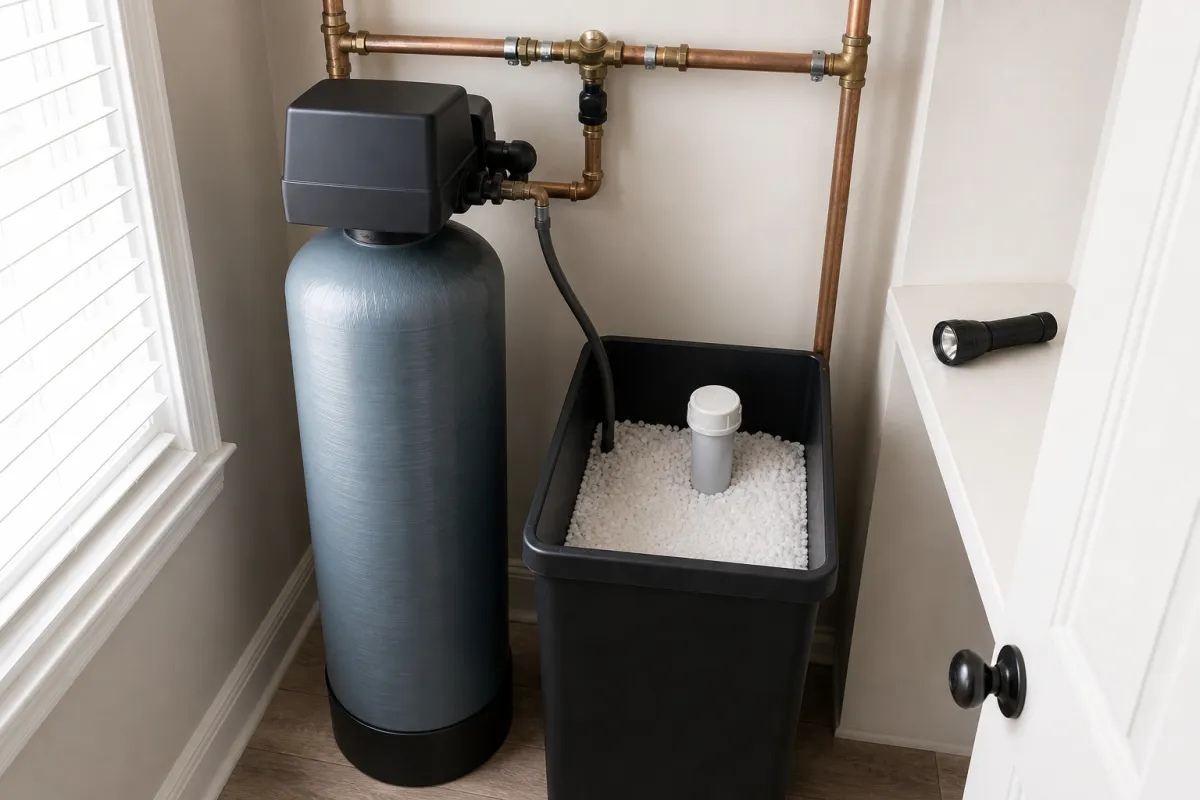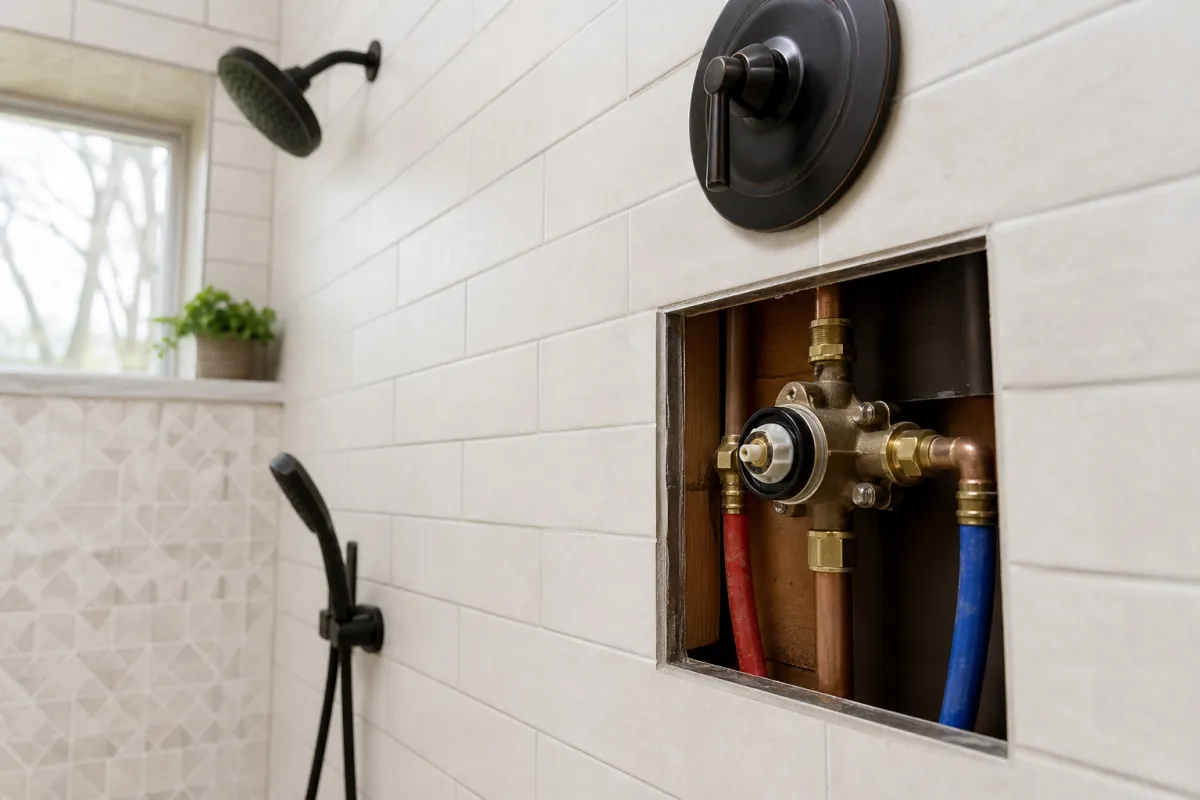
> San Antonio Local Insight: Shower repairs in San Antonio are dominated by hard water damage — mineral scale on showerheads reduces flow, corrodes mixing valves, and etches glass doors. The Edwards Aquifer water (357 mg/L hardness) means San Antonio showers need more frequent maintenance than the national average. A water softener can cut shower repair frequency by 60–70%.
Read the Shower Before Replacing Parts
Before following any generic plumbing checklist, adjust it for our Edwards Aquifer water. At roughly 357 mg/L, or 21 grains per gallon, the calcium carbonate and magnesium in the water can turn a small maintenance issue into repeat wear on valves, seals, drains, heaters, and appliance connections. That means national advice needs a local filter before a homeowner decides whether to DIY, maintain, or call a pro.
A homeowner in New Braunfels and Boerne should be especially careful because nearby Hill Country systems have similar hard-water pressure on heaters and fixtures. If you are comparing advice from national repair guides, shorten the maintenance interval and inspect for white scale, crusted fittings, stiff shutoff valves, and early corrosion before assuming the part simply “got old.”
For budgeting, use local pricing instead of national averages: licensed plumber labor commonly runs $85-$150 per hour, with emergency visits costing more. If the issue appears after a summer high-use period or after a rare freeze like Winter Storm Uri, treat it as a local risk signal and document what you see before calling a licensed plumber in Bexar County.
When your shower starts to leak, drip, or show signs of wear and tear, it can be a source of frustration for any homeowner. Before you reach for your wallet and call a plumber, there are several checks you can perform to identify the problem and potentially save on repair costs. This guide will walk you through common causes of shower issues, safety precautions, step-by-step inspections, DIY fixes, and when it’s best to call in a professional.
Quick Answer
Shower problems can stem from various issues, including worn-out seals, clogged drains, or faulty fixtures. The first step is to turn off the water supply to prevent further damage. If you notice signs of flooding, sewage backup, or gas odors, it’s crucial to stop any DIY work and call a licensed plumber immediately.
Common Causes
Understanding the likely causes of shower issues can help you pinpoint the problem and determine the best course of action. Here are some of the most common culprits, ordered from simple to more complex:
1. Worn-Out Seals and Gaskets: Over time, seals around the showerhead, faucet, or tub spout can degrade, leading to leaks. Symptoms include dripping water, especially when the shower is off.
2. Clogged Drains: Hair, soap residue, and other debris can accumulate over time, causing drainage issues. If you notice slow drainage or standing water in the shower, this may be your issue.
3. Faulty Showerhead or Faucet: A malfunctioning showerhead or faucet can result in inconsistent water flow or leaks. You may notice a decrease in water pressure or water spraying in unintended directions.
4. Water Pressure Issues: If your shower suddenly has too much or too little pressure, it could indicate a problem with your home’s plumbing system. This can lead to leaks or even burst pipes.
5. Hidden Water Damage: If you see signs of mold, peeling paint, or warped walls around your shower, there may be hidden leaks within the walls or floors. This can lead to significant damage if not addressed promptly.
Safety First
Before you begin any inspection or repair work, prioritize safety:
- Shut Off the Water: Locate the main water shutoff valve and turn it off to prevent flooding.
- Avoid Electrical Risks: If you notice water pooling near electrical outlets or fixtures, turn off the power at the circuit breaker to avoid electrocution.
- Sewage and Gas Exposure: If you detect a sewage smell or gas odor, stop all work immediately and call a professional. These situations can pose serious health risks.
- Stop DIY Work When Necessary: If you encounter active flooding, sewage backup, gas smells, or signs of hidden damage, cease work and call a licensed plumber.
Step-by-Step Homeowner Checks
1. Start with a Visual Inspection: Look for visible leaks, water stains, or signs of damage around the shower and surrounding areas.
2. Confirm Where the Problem Starts: Check the showerhead, faucet, and drain for leaks. Turn on the shower and observe where the water is coming from.
3. Try Simple, Non-Destructive Fixes: For instance, tightening fixtures, replacing washers, or unclogging drains with a plunger or a simple drain snake can often resolve minor issues.
4. Watch for Leaks and Backups: After making adjustments, keep an eye on the shower for leaks, pressure changes, or recurring symptoms.
5. Stop and Call a Licensed Plumber: If you notice any of the following, it’s time to consult a professional:
- Active flooding
- Sewage backup
- Gas smell
- Electrical risk
- Hidden wall or floor damage
- Code-level work
Tools and Materials
When tackling shower repairs, having the right tools can make the job easier. Here’s a list of essential tools and materials:
- Adjustable Wrench: Useful for loosening or tightening plumbing fixtures.
- Plumber’s Tape: Helps seal threaded joints to prevent leaks.
- Pipe Wrench: Ideal for gripping and turning pipes.
- Drain Snake: Effective for clearing clogs in the drain.
- Screwdrivers: Necessary for removing fixtures and fittings.
- Caulk and Caulking Gun: For sealing gaps around fixtures to prevent leaks.
- Bucket: To catch any water during inspections or repairs.
DIY Fixes That Are Usually Reasonable
Here are some safe, low-risk actions you can take as a homeowner:
- Replace Washers and O-Rings: If you notice dripping from the faucet, replacing worn washers or O-rings can often solve the problem.
- Unclog Drains: Use a plunger or drain snake to clear minor clogs. Avoid chemical drain cleaners, as they can damage pipes.
- Seal Gaps: Use caulk to seal any gaps around fixtures to prevent water from seeping into unwanted areas.
- Tighten Fixtures: Sometimes, simply tightening loose fittings can resolve leaks.
What Not to Attempt
- Replacing Major Plumbing Components: Avoid attempting to replace pipes or major fixtures unless you have experience in plumbing.
- Electrical Repairs: If any electrical components are involved, it’s best to leave this to a licensed electrician.
Signs the Shower Needs Licensed Diagnosis
Knowing when licensed help is warranted can save you time and money in the long run. Here are some red flags:
- Active Flooding: If water is pooling in your home, call a plumber immediately to prevent extensive damage.
- Sewage Backup: This is a serious issue that requires professional intervention.
- Gas Smell: If you detect a gas odor, evacuate the area and call a plumber or gas company.
- Hidden Damage: If you suspect leaks behind walls or under floors, a professional plumber can conduct a thorough inspection.
Prevention
Preventing shower issues can save you from costly repairs down the line. Here are some maintenance habits to adopt:
- Regular Cleaning: Clean your showerhead and faucet regularly to prevent mineral buildup.
- Drain Maintenance: Use a hair catcher in your drain to prevent clogs and clean it periodically.
- Monitor Water Pressure: Keep an eye on your home’s water pressure and consult a plumber if you notice significant fluctuations.
- Check Seals: Regularly inspect seals and gaskets for wear and replace them as needed.
Cost and Time Expectations
The cost of shower repairs can vary widely based on the issue and your location. Simple fixes like replacing washers or unclogging drains can cost between $20 to $100. However, more complex issues, such as replacing plumbing fixtures or addressing hidden water damage, can range from $200 to over $1,000. Always consider the time involved as well; simple fixes may take just an hour, while more involved repairs can take several hours or even days.
FAQ
What causes this problem?
Common causes include worn-out seals, clogged drains, faulty fixtures, and hidden water damage.
Can I fix it myself?
Many minor issues can be addressed by homeowners, but it’s essential to know your limits. If you encounter significant problems, it’s best to call a professional.
How urgent is it?
The urgency depends on the severity of the issue. Active leaks, sewage backups, or gas odors require immediate attention.
What should I avoid doing?
Avoid attempting major plumbing repairs, electrical work, or using harsh chemical drain cleaners.
Why This Is Different in San Antonio
San Antonio's Edwards Aquifer supplies some of the hardest municipal water in the United States: about 357 mg/L, or 21 grains per gallon. That limestone-filtered groundwater carries calcium carbonate and magnesium into our fixtures, valves, drains, heaters, and supply lines. For shower repair, that matters because mineral scale changes the maintenance schedule, failure signs, and realistic repair costs for local homeowners.
- Scale buildup makes small restrictions worse, especially at cartridges, aerators, shutoff valves, and heater connections.
- Fixtures, pipes, and appliances in our area can wear out 30-50% faster than in soft-water cities when maintenance is delayed.
- SAWS publishes annual water quality reports, but the practical homeowner takeaway is simple: maintenance intervals here should be shorter than national advice suggests.
Homes in New Braunfels and Boerne are particularly affected because nearby Hill Country water systems are also very hard and create similar maintenance pressure. Unlike cities with naturally soft water, local homeowners should treat hard-water maintenance as normal prevention, not an upsell.
> "In my 20 years working in San Antonio, I would say most surprise plumbing failures I see start with homeowners following soft-water maintenance advice in a hard-water city." — Licensed local plumber
What San Antonio Homeowners Pay (2026)
| Service | Typical Cost in San Antonio |
|---|---|
| Emergency plumber call | $150–$350; after hours $250–$500 |
| Plumber hourly rate | $85–$150/hr |
| Water softener installation | $1,500–$4,000 |
Prices are based on local metro area ranges for 2026. Costs may vary by neighborhood, access, pipe material, after-hours timing, and whether the plumber finds hard-water damage beyond the visible problem.
When to Call a San Antonio Plumber
Call a licensed local plumber if the problem involves active leaking, a shutoff valve that will not close, sewer smell, recurring clogs, water near electrical components, a water heater leak, or any pipe inside a wall, ceiling, or slab. Locally, expect many licensed plumbers to charge roughly $85-$150 per hour, with emergency visits commonly around $150-$350 and after-hours calls closer to $250-$500.
When you call, ask three local questions:
1. Are you licensed and insured for work in Bexar County or the surrounding local metro?
2. Have you dealt with Edwards Aquifer hard-water scale on this type of repair?
3. Should I also check the water heater, shutoff valves, or water softener while you are there?
local plumbers see hard-water issues every week, so a good pro should be able to explain whether the failure is normal wear, mineral damage, freeze damage from a cold snap like Winter Storm Uri, or a sign of a larger plumbing system problem.
San Antonio FAQ
Is local water hard?
Yes. San Antonio water is very hard at about 357 mg/L, or 21 grains per gallon, because much of it comes from the Edwards Aquifer and passes through limestone. That mineral content is why scale shows up quickly on faucets, showerheads, valves, drains, and water heaters.
Do local homes need a water softener?
A water softener is recommended for many local homes, especially if you see white scale, repeated faucet or valve problems, short water-heater life, or cloudy spots on dishes. A typical whole-home water softener installation in San Antonio runs about $1,500-$4,000.