> San Antonio Local Insight: Drain and sink clogs in San Antonio are different from other cities. Edwards Aquifer hard water (357 mg/L) deposits white calcium scale inside pipes that traps hair, grease, and soap more aggressively. Standard drain cleaners often fail because they dissolve organic matter but not mineral buildup. Homes here need descaling-specific methods.
Trace the Leak Before Replacing Parts
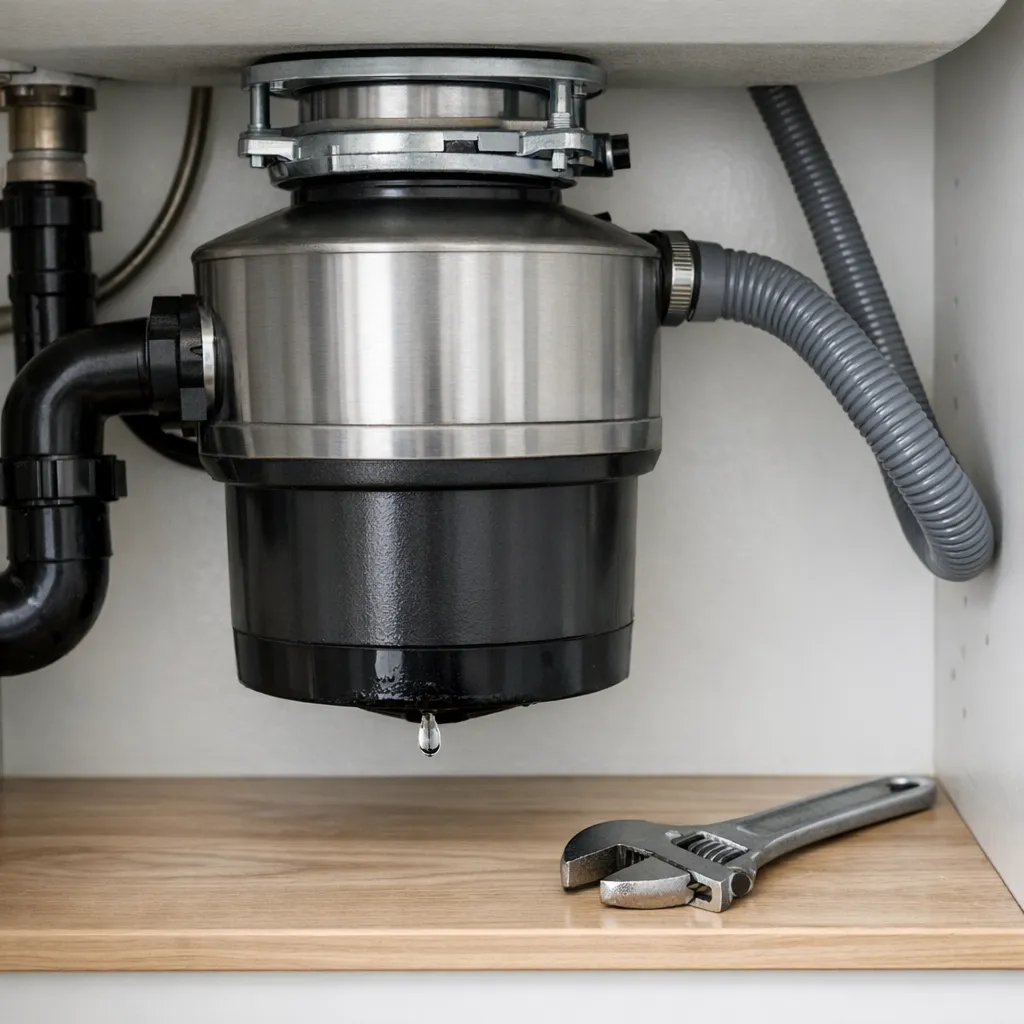
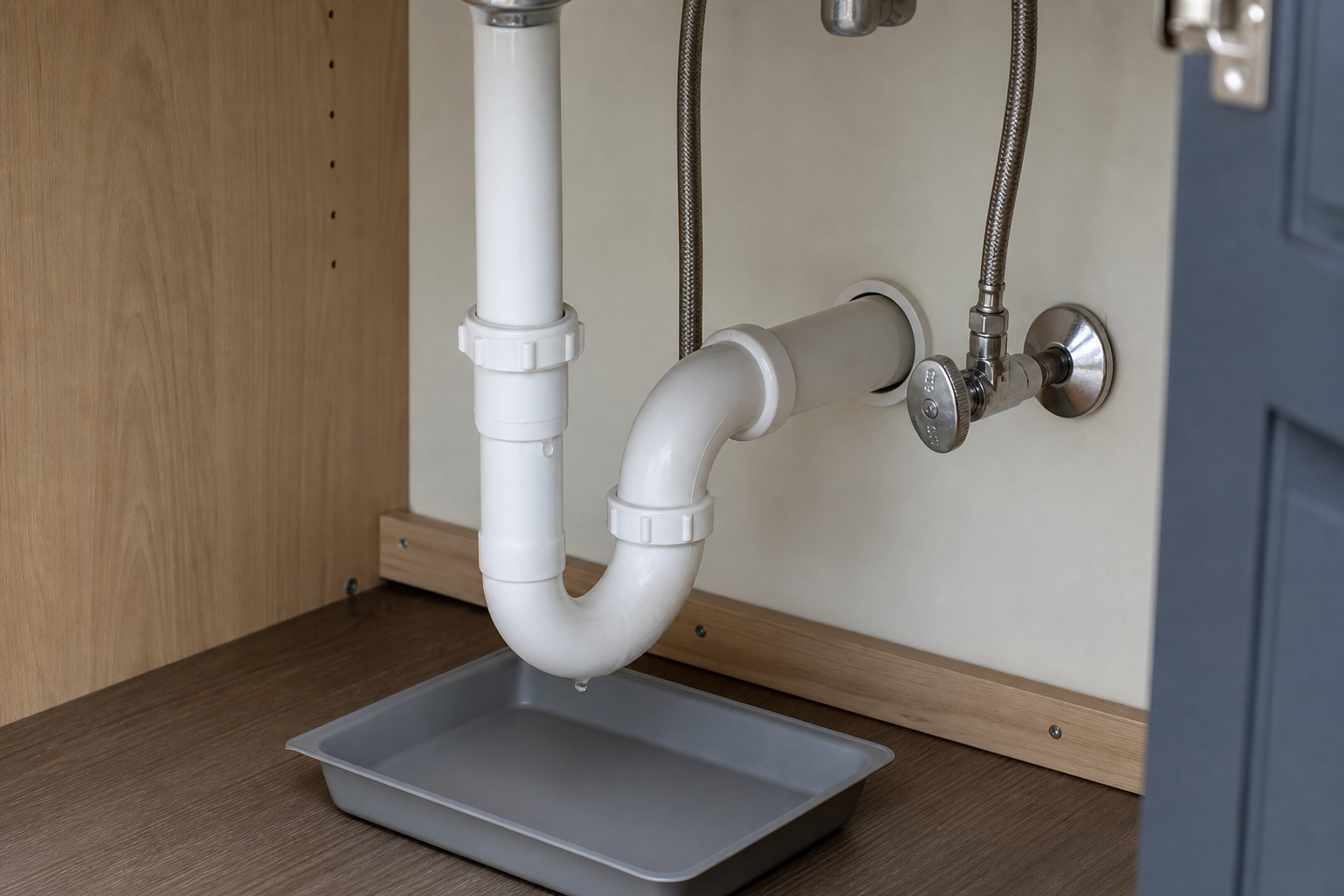
Dry the cabinet, then use a paper towel to trace the first wet point while the faucet runs and the basin drains. Edwards Aquifer water at about 357 mg/L, or 21 gpg, often leaves a white trail that helps identify a long-running seep at a cartridge, supply nut, basket strainer, or trap joint. Do not assume every puddle comes from the drain: water can travel along a hose or the underside of the sink before it drops. That means a visible drip may be the symptom, while the real risk is scale, corrosion, freeze stress, or an older pipe material failing behind the wall or under the slab.
A homeowner in Helotes should be especially careful because well-water and edge-of-system supply can make mineral scale show up even faster. If you are comparing advice from national repair guides, shorten the maintenance interval and inspect for white scale, crusted fittings, stiff shutoff valves, and early corrosion before assuming the part simply “got old.”
For budgeting, use local pricing instead of national averages: emergency plumber calls often run $150-$350, after-hours visits $250-$500, and slab leak repair can reach $2,000-$5,000. If the issue appears after a summer high-use period or after a rare freeze like Winter Storm Uri, treat it as a local risk signal and document what you see before calling a licensed plumber in Bexar County.
A leaking sink can be a frustrating issue for homeowners, often leading to water damage and increased utility bills if not addressed promptly. Understanding the common causes of a sink leak, how to safely check for issues, and knowing when to involve a licensed plumber can save you time, money, and stress. In this comprehensive guide, we’ll explore the various reasons your sink might be leaking, provide actionable steps for inspection and repair, and discuss preventative measures to keep your plumbing in top shape.
Quick Answer
If you notice your sink leaking, the most common culprits are worn-out seals, loose fittings, or damaged pipes. To address the issue immediately, shut off the water supply to your sink to prevent further damage. If the leak is significant, or if you notice signs of sewage backup or mold, it’s important to call a professional plumber as soon as possible.
Common Causes of Sink Leaking
1. Worn-Out Seals and Gaskets
One of the simplest causes of a leaking sink is worn-out seals and gaskets. Over time, the rubber or silicone materials that create a watertight seal can degrade due to age, exposure to water, and temperature fluctuations. Symptoms include water pooling around the base of the faucet or under the sink.
2. Loose or Damaged Fittings
Loose fittings and connections can also lead to leaks. If you’ve recently installed a new faucet or sink, it’s possible that the fittings haven't been tightened adequately. Check for water dripping from the connections beneath the sink. This can often be resolved by simply tightening the fittings.
3. Cracked or Damaged Pipes
If the leak is more severe, it could be due to cracked or damaged pipes. This can happen due to corrosion, freezing temperatures, or high water pressure. Look for signs of water damage on the walls or under the sink. If you notice any cracks or holes in the plumbing, this may require professional intervention.
4. Clogged Drains
A clog in the drain can cause water to back up and leak around the sink. If you notice slow drainage or water pooling, it’s a sign that you may need to clear the clog. In some cases, this can lead to leaks at the trap or other connection points.
5. Faulty Faucets
Sometimes, the issue lies within the faucet itself. A faulty valve or cartridge can cause leaks that may not be immediately visible. If you hear dripping noises or see water pooling near the faucet, it may be time to replace the faucet or its components.
Safety First
Before addressing any plumbing issue, safety should be your top priority. If you notice a significant leak, follow these steps:
1. Shut Off the Water Supply: Locate the shut-off valves under the sink and turn them clockwise to stop the water flow. If you cannot find these valves, consider shutting off the main water supply to your home.
2. Avoid Electrical Risks: If water is pooling near electrical outlets or appliances, do not attempt to address the leak until you have ensured that the area is safe. Unplug any affected devices and consider turning off the electricity for that section of your home.
3. Watch for Sewage or Gas Exposure: If you smell gas or notice sewage backing up into your sink, evacuate the area immediately and call the professionals. These situations can pose serious health risks.
4. Stop DIY Work When Necessary: If you encounter active flooding, sewage backup, or if you suspect hidden damage behind walls or under floors, it’s best to stop and call a licensed plumber.
Step-by-Step Homeowner Checks
1. Start with a Visual Inspection
Begin by examining the sink and surrounding areas for visible signs of leaks. Look under the sink, around the faucet, and check the pipes for any moisture or water stains.
2. Confirm Where the Problem Starts
Turn on the faucet and observe where the water is leaking from. Is it coming from the faucet, the base, or under the sink? This can help narrow down the potential cause.
3. Try Simple, Non-Destructive Fixes
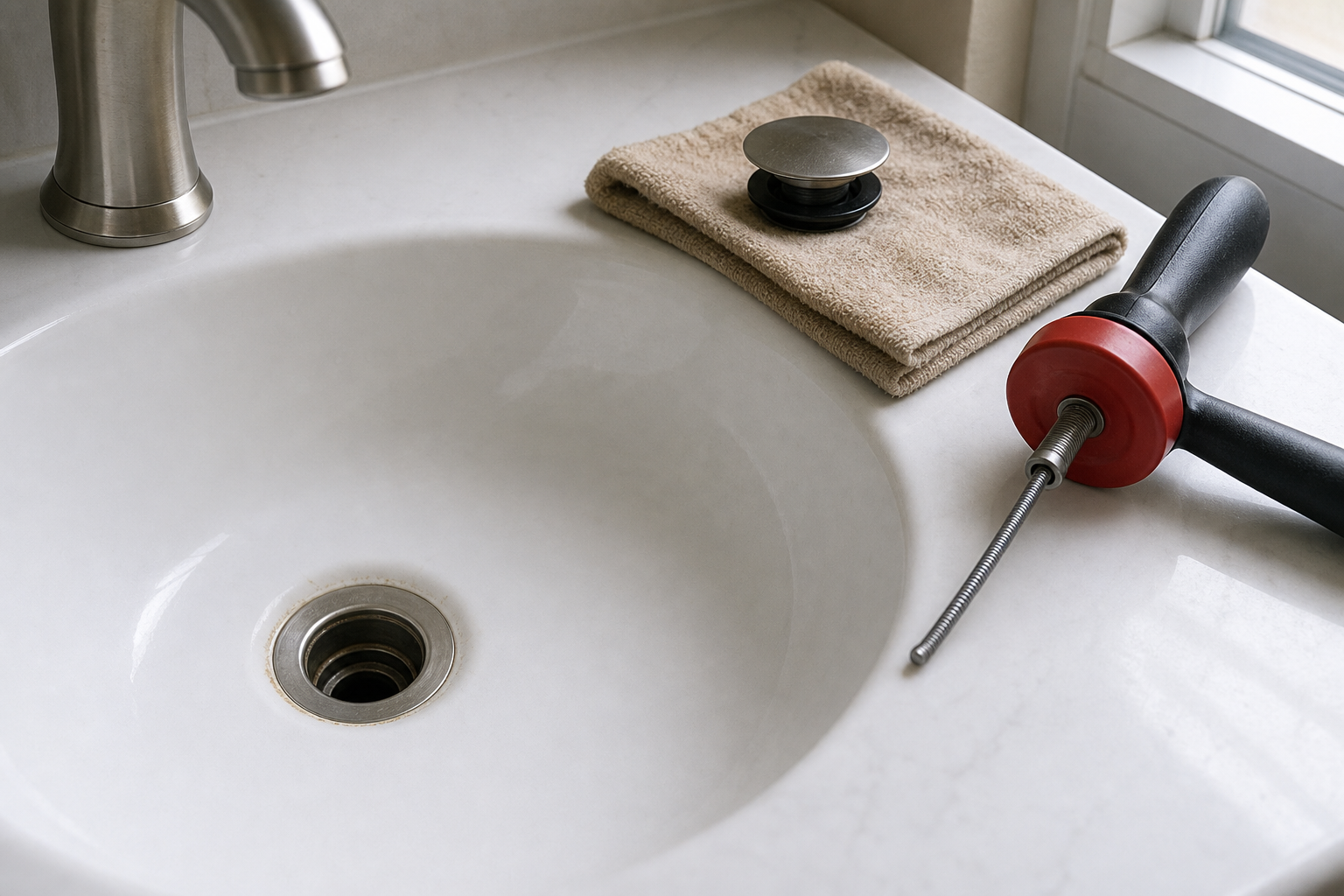
If you suspect worn-out seals or loose fittings, try tightening the connections with a wrench or replacing the seals. For clogs, use a plunger or a drain snake to clear the blockage.
4. Watch for Recurring Symptoms
After making any adjustments, monitor the sink for any recurring leaks or changes in water pressure. If the problem persists, it may indicate a more serious issue.
5. Stop and Call a Licensed Plumber
If you encounter any of the following, it’s time to call in a professional:
- Active flooding
- Signs of sewage backup
- A gas smell
- Electrical risks
- Evidence of hidden damage
Tools and Materials
Here’s a list of tools and materials you may need to address a leaking sink:
| Tool/Material | Purpose |
|---|---|
| Adjustable Wrench | To tighten or loosen plumbing fittings |
| Plumber’s Tape | To seal threaded connections |
| Pipe Wrench | For securing or loosening pipes |
| Drain Snake | To clear clogged drains |
| Replacement Seals | For replacing worn-out seals and gaskets |
| Bucket | To catch water during repairs |
| Towels | For cleaning up spills and drying areas |
DIY Fixes That Are Usually Reasonable
1. Tightening Fittings
If you suspect that loose fittings are the cause of the leak, use an adjustable wrench to tighten them. Be careful not to overtighten, as this can cause damage.
2. Replacing Seals
If worn-out seals are the issue, turn off the water supply and disassemble the faucet to replace the seals. Make sure to bring the old seal to the hardware store to find an exact match.
3. Clearing Clogs
For minor clogs, use a plunger or a drain snake to clear the blockage. Avoid using chemical drain cleaners, as they can damage pipes and are often ineffective.
4. Faucet Replacement
If the faucet is faulty, consider replacing it entirely. This is a manageable DIY project for many homeowners, especially with pre-assembled units available.
What Not to Attempt
Avoid any repairs that involve extensive plumbing work, such as replacing pipes or dealing with gas lines, unless you are a licensed professional.
When to Call a Plumber
Red Flags
- Active Flooding: If water is rapidly accumulating, it’s crucial to call a plumber immediately.
- Sewage Backup: This can pose serious health risks and requires professional attention.
- Gas Smell: If you detect a gas leak, evacuate the area and call emergency services.
- Hidden Damage: If you suspect mold or water damage inside walls or floors, a professional inspection is necessary.
- Code-Level Work: If your repairs require permits or must meet specific building codes, it's best to consult a licensed plumber.
Prevention
1. Regular Inspections
Periodically check your sink, fittings, and pipes for signs of wear. Early detection can prevent larger issues.
2. Maintain Drain Health
Use strainers to catch food particles and hair, and regularly clean your drains to prevent clogs.
3. Monitor Water Pressure
High water pressure can strain your plumbing. Consider installing a pressure regulator if you notice frequent leaks.
4. Schedule Professional Maintenance
Consider having a plumber perform routine maintenance checks on your plumbing system. This can help identify potential issues before they become major problems.
Cost and Time Expectations
The cost to fix a leaking sink can vary widely based on the cause and location. Simple fixes like replacing seals might cost around $10 to $30, while more extensive repairs involving pipe replacement could range from $100 to $500 or more. Time estimates also vary; minor repairs can take as little as 30 minutes, while major plumbing issues may require several hours or a full day.
FAQ
What causes a sink to leak?
Common causes include worn-out seals, loose fittings, cracked pipes, clogged drains, or faulty faucets.
Can I fix it myself?
Many minor leaks can be fixed with basic tools and some know-how. However, if the issue is severe or involves gas or sewage, it’s best to call a plumber.
How urgent is it?
If you notice significant water pooling or signs of sewage backup, address the issue immediately. Minor leaks should be fixed promptly to prevent further damage.
What should I avoid doing?
Avoid using chemical drain cleaners and attempting extensive plumbing repairs without proper knowledge or tools.
Why This Is Different in San Antonio
San Antonio's Edwards Aquifer supplies some of the hardest municipal water in the United States: about 357 mg/L, or 21 grains per gallon. That limestone-filtered groundwater carries calcium carbonate and magnesium into our fixtures, valves, drains, heaters, and supply lines. For sink leaking, that matters because mineral deposits grind down seals, cartridges, fill valves, supply stops, spray arms, and small water passages faster than many generic guides assume.
- Scale buildup makes small restrictions worse, especially at cartridges, aerators, shutoff valves, drains, and heater connections.
- Fixtures, pipes, and appliances in our area can wear out 30-50% faster than in soft-water cities when maintenance is delayed.
- SAWS publishes annual water quality reports, but the practical homeowner takeaway is simple: maintenance intervals here should be shorter than national advice suggests.
Homes in Helotes are particularly affected because well-water and edge-of-metro systems can be even harder than SAWS city supply. Unlike cities with naturally soft water, local homeowners should treat hard-water maintenance as normal prevention, not an upsell.
> "When I see early leaks in San Antonio, I always look for hard-water scale, corrosion, and older neighborhood pipe materials before blaming one bad fixture." — Licensed local plumber
What San Antonio Homeowners Pay (2026)
| Service | Typical Cost in San Antonio |
|---|---|
| Emergency plumber call | $150–$350; after hours $250–$500 |
| Faucet replacement labor | $150–$300 |
| Plumber hourly rate | $85–$150/hr |
Prices are based on local metro area ranges for 2026. Costs may vary by neighborhood, access, pipe material, after-hours timing, and whether the plumber finds hard-water damage beyond the visible problem.
When to Call a San Antonio Plumber
Call a licensed local plumber if the problem involves active leaking, a shutoff valve that will not close, sewer smell, recurring clogs, water near electrical components, a water heater leak, or any pipe inside a wall, ceiling, or slab. Locally, expect many licensed plumbers to charge roughly $85-$150 per hour, with emergency visits commonly around $150-$350 and after-hours calls closer to $250-$500.
When you call, ask three local questions:
1. Are you licensed and insured for work in Bexar County or the surrounding local metro?
2. Have you dealt with Edwards Aquifer hard-water scale on this type of repair?
3. Should I also check the water heater, shutoff valves, or water softener while you are there?
local plumbers see hard-water issues every week, so a good pro should be able to explain whether the failure is normal wear, mineral damage, freeze damage from a cold snap like Winter Storm Uri, or a sign of a larger plumbing system problem.
San Antonio FAQ
Is San Antonio water hard?
Yes. San Antonio water is very hard at about 357 mg/L, or 21 grains per gallon, because much of it comes from the Edwards Aquifer and passes through limestone. That mineral content is why scale shows up quickly on faucets, showerheads, valves, drains, and water heaters.
Do Homes here need a water softener?
A water softener is recommended for many local homes, especially if you see white scale, repeated faucet or valve problems, short water-heater life, or cloudy spots on dishes. A typical whole-home water softener installation in San Antonio runs about $1,500-$4,000.