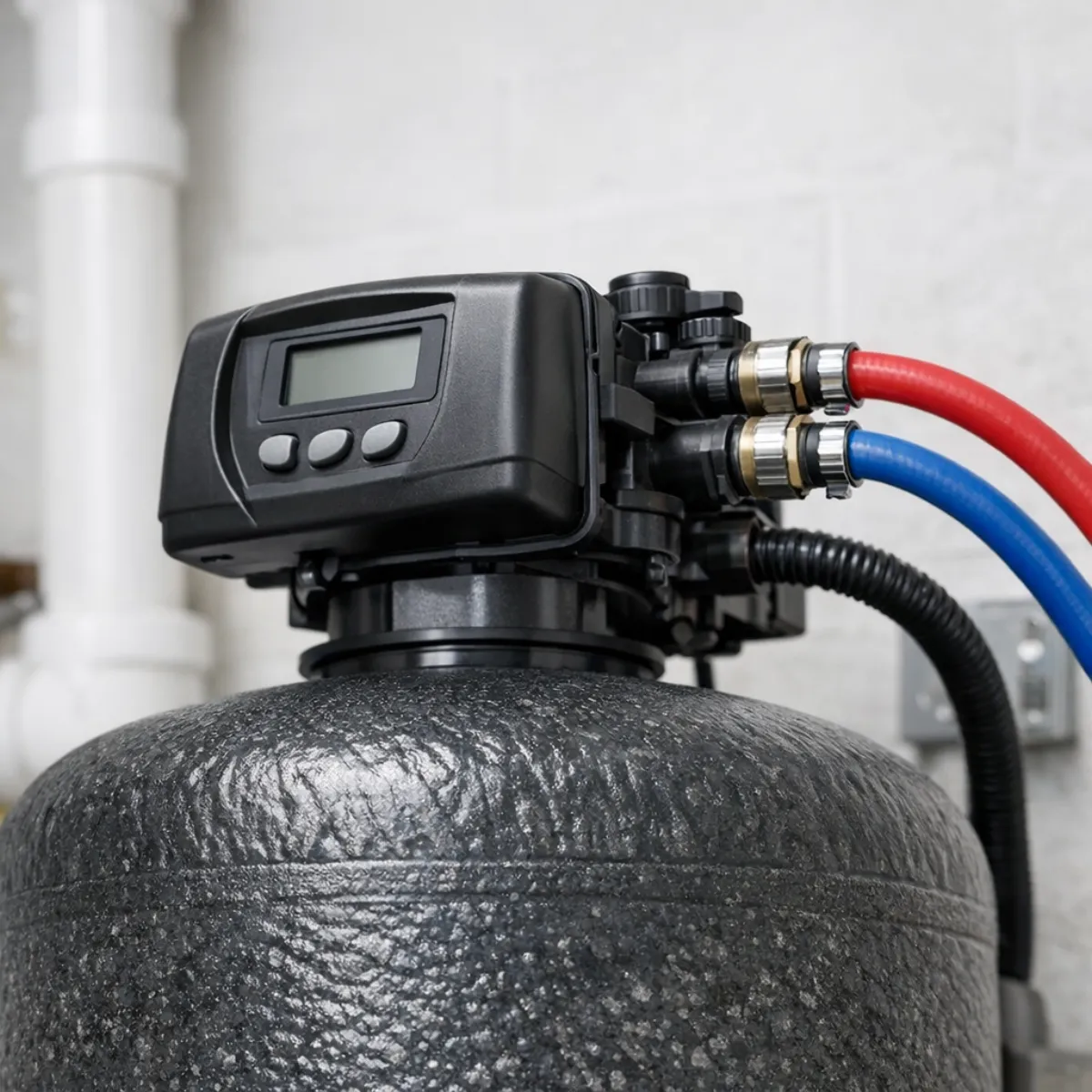
> San Antonio Local Insight: San Antonio's extremely hard water (357 mg/L from the Edwards Aquifer) shortens water heater lifespan by 2–4 years compared to the national average. Sediment buildup from calcium and magnesium forces the heating element to work harder, causes popping noises, and eventually leads to tank failure. Local plumbers recommend flushing your tank every 6 months here — twice the national recommendation.
Price the Whole Conversion, Not Just the Unit
Before following any generic plumbing checklist, adjust it for our Edwards Aquifer water. At roughly 357 mg/L, or 21 grains per gallon, the calcium carbonate and magnesium in the water can turn a small maintenance issue into repeat wear on valves, seals, drains, heaters, and appliance connections. That means the useful question is not just capacity or fuel type; it is how the unit will handle sediment, descaling, anode wear, and the six-month maintenance rhythm our water demands.
A homeowner in Stone Oak should be especially careful because 1990s and 2000s copper lines are a common place for pinhole leaks and scale-related fixture wear. If you are comparing advice from national repair guides, shorten the maintenance interval and inspect for white scale, crusted fittings, stiff shutoff valves, and early corrosion before assuming the part simply “got old.”
For budgeting, use local pricing instead of national averages: tank water-heater replacement runs about $1,200-$2,800 installed, while tankless replacement usually lands around $2,500-$5,500. If the issue appears after a summer high-use period or after a rare freeze like Winter Storm Uri, treat it as a local risk signal and document what you see before calling a licensed plumber in Bexar County.
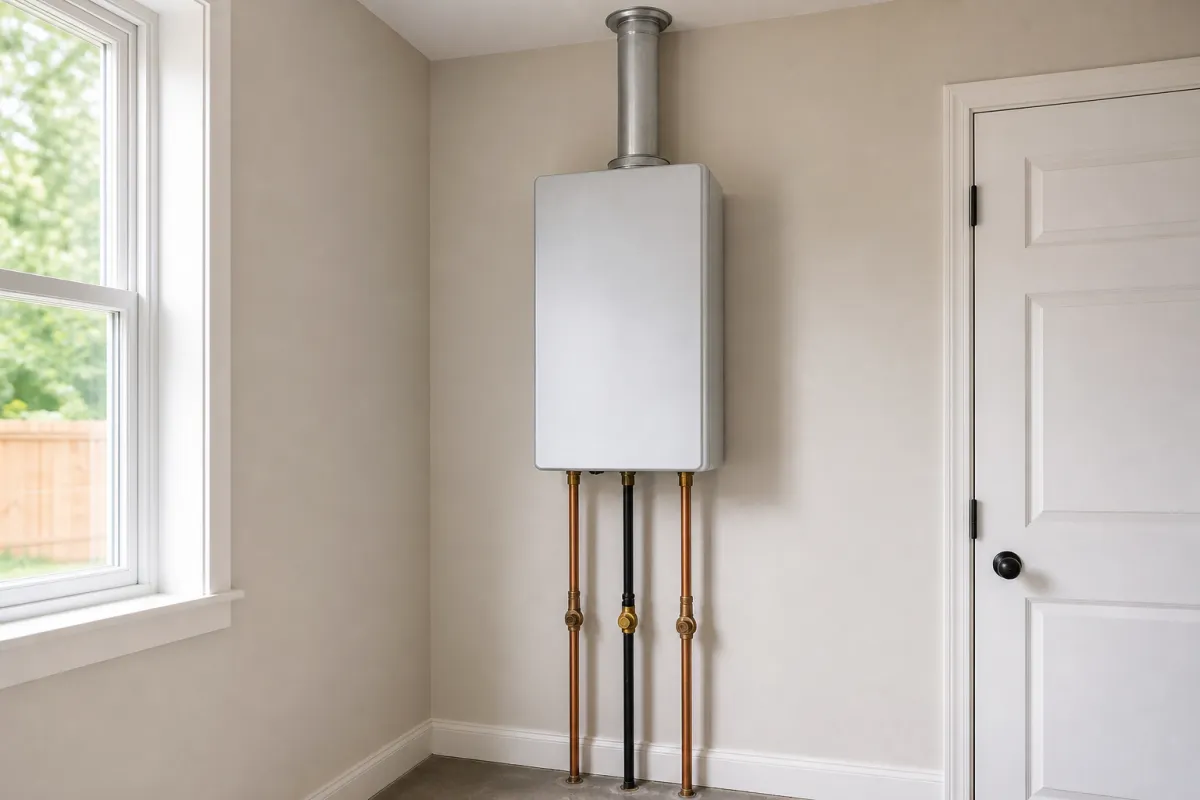
When considering a tankless water heater, understanding the installation costs is crucial for homeowners. Unlike traditional water heaters, tankless models offer on-demand hot water, which can lead to energy savings and increased efficiency. However, the initial installation cost can vary significantly based on several factors. This guide aims to provide practical insights into tankless water heater installation costs, helping you make informed decisions about your home’s hot water needs.
Why Tankless Water Heaters Matter
Tankless water heaters are increasingly popular due to their ability to provide hot water on demand without the limitations of a storage tank. This means you can enjoy continuous hot water for showers, washing dishes, and laundry without worrying about running out. Additionally, tankless systems are generally more energy-efficient than their tank counterparts, as they only heat water when needed, potentially leading to lower utility bills.
However, the installation costs associated with tankless water heaters can be a significant investment. Homeowners need to understand these costs to budget appropriately and assess the long-term benefits against the initial outlay.
What to Check First
Before diving into the installation process, there are several key considerations to evaluate:
1. Current Water Heater Type and Location
- Assess whether your existing system is a tank or tankless model. If you are replacing a traditional tank heater, you may need to make additional modifications to your plumbing and electrical systems.
- The location of your current water heater can also impact installation costs. If the new tankless system will be installed in a different location, additional labor and materials may be required.
2. Home’s Hot Water Demand
- Calculate your household’s hot water needs. Consider the number of bathrooms, kitchen appliances, and laundry facilities. This will help determine the appropriate size and capacity of the tankless unit, which can influence the overall cost.
3. Gas vs. Electric Models
- Tankless water heaters come in both gas and electric models. Gas units typically have higher upfront costs due to venting requirements, but they can be more cost-effective in the long run. Electric models may have lower installation costs but could lead to higher energy bills depending on your local electricity rates.
4. Local Codes and Permits
- Check local building codes and regulations regarding water heater installations. Some areas may require permits, which can add to your installation costs. Ensuring compliance with local codes is crucial for safety and can prevent costly fines.
Plan the Installation Around Real Hot-Water Demand
Once you’ve assessed your specific needs and conditions, it’s time to explore the practical plan for installation:
1. Choose the Right Unit
- Select a tankless water heater that meets your hot water demands. Look for models with a higher flow rate if you have multiple appliances running simultaneously. Research brands known for reliability and efficiency.
2. Hire a Qualified Professional
- While DIY installation is tempting, hiring a licensed plumber or HVAC technician is often the best choice. A professional can ensure that the installation meets safety standards and local codes, reducing the risk of future issues.
3. Budget for Additional Modifications
- Be prepared for potential modifications to your home’s plumbing, electrical, or gas systems. This may include upgrading your electrical panel, adding gas lines, or installing new venting systems. Include these costs in your budget to avoid surprises.
4. Consider Energy Efficiency
- Look for energy-efficient models that qualify for rebates or tax credits. These incentives can help offset the initial installation costs and contribute to long-term savings on utility bills.
5. Plan for Maintenance
- Factor in future maintenance costs. Tankless water heaters require regular descaling and maintenance to operate efficiently. Setting aside a budget for routine maintenance can extend the life of your unit.
Common Mistakes to Avoid
When considering tankless water heater installation, be aware of common pitfalls that can lead to increased costs or operational issues:
1. Underestimating Hot Water Demand
- Many homeowners underestimate their hot water needs. Failing to choose a unit with an adequate flow rate can result in insufficient hot water during peak usage times. Always calculate your household’s demand accurately.
2. Ignoring Local Codes
- Skipping the research on local building codes can lead to installation problems and costly fines. Always ensure that your installation complies with local regulations and safety standards.
3. DIY Installation Without Experience
- While DIY projects can save money, tankless water heater installation involves complex plumbing and electrical work. If you lack experience, this can lead to mistakes that may require costly repairs later.
4. Neglecting Ventilation Needs
- Proper ventilation is crucial for gas-powered tankless water heaters. Neglecting this aspect can lead to safety hazards and increased installation costs if modifications are needed post-installation.
Installation Steps That Require a Licensed Plumber
Certain situations necessitate professional intervention, especially when safety is at risk:
1. Gas Line Installation
- If your home requires new gas lines for a gas-powered tankless heater, it’s essential to hire a licensed professional. Improper installation can lead to gas leaks, posing serious safety risks.
2. Electrical Upgrades
- If your tankless water heater requires a significant electrical upgrade, such as a new circuit or panel, consult an electrician. Working with electrical systems can be dangerous without the proper knowledge.
3. Complex Plumbing Modifications
- If your installation requires extensive plumbing work or rerouting of pipes, it's best to call a plumber. They can ensure that everything is installed correctly and up to code.
4. Permitting and Inspection
- In many areas, you’ll need permits for installation. A professional can help navigate the permitting process and ensure that inspections are completed correctly.
FAQ
1. What is the average cost of tankless water heater installation?
- The average cost can range from $1,500 to $3,000, including the unit and installation, depending on various factors.
2. How long does it take to install a tankless water heater?
- Installation typically takes 4 to 8 hours, depending on the complexity of the job and any necessary modifications.
3. Are there ongoing maintenance costs for tankless water heaters?
- Yes, regular maintenance, such as descaling, is needed to ensure optimal performance, which can cost around $150 to $300 annually.
4. Can I install a tankless water heater myself?
- While it’s possible, it’s generally not recommended unless you are experienced with plumbing and electrical work. Hiring a professional is safer and ensures compliance with local codes.
5. Do tankless water heaters save money on energy bills?
- Yes, tankless water heaters can be more energy-efficient than traditional systems, potentially leading to lower utility bills over time.
Quick Reference Checklist for Tankless Water Heater Installation
| Item | Considerations |
|---|---|
| Unit Type | Gas or Electric |
| Flow Rate | Calculate household hot water needs |
| Location | Assess current and potential installation sites |
| Permits/Code | Research local regulations |
| Professional Help | Hire licensed plumber or electrician |
| Budget for Modifications | Account for potential plumbing/electrical work |
| Maintenance Plan | Schedule regular maintenance |
Understanding the installation costs and processes associated with tankless water heaters can empower homeowners to make informed decisions. By assessing your specific needs, avoiding common pitfalls, and knowing when licensed help is warranted, you can ensure a successful installation that meets your hot water demands efficiently.
Why This Is Different in San Antonio
San Antonio's Edwards Aquifer supplies some of the hardest municipal water in the United States: about 357 mg/L, or 21 grains per gallon. That limestone-filtered groundwater carries calcium carbonate and magnesium into our fixtures, valves, drains, heaters, and supply lines. For tankless water heater installation cost, that matters because sediment collects in the tank or heat exchanger faster, so local water heaters commonly last 6-8 years instead of the 10-12 years often quoted nationally.
- Scale buildup makes small restrictions worse, especially at cartridges, aerators, shutoff valves, and heater connections.
- Fixtures, pipes, and appliances in our area can wear out 30-50% faster than in soft-water cities when maintenance is delayed.
- SAWS publishes annual water quality reports, but the practical homeowner takeaway is simple: maintenance intervals here should be shorter than national advice suggests.
Homes in Stone Oak are particularly affected because many 1990s-2000s homes have copper lines where hard-water scale and pinhole leaks show up sooner than owners expect. Unlike cities with naturally soft water, local homeowners should treat hard-water maintenance as normal prevention, not an upsell.
> "In my 20 years working in San Antonio, I would say 70% of the water heater calls I get trace back to sediment buildup from our hard water." — Licensed local plumber
What San Antonio Homeowners Pay (2026)
| Service | Typical Cost in San Antonio |
|---|---|
| Tankless water heater replacement | $2,500–$5,500 installed |
| Water softener installation | $1,500–$4,000 |
| Plumber hourly rate | $85–$150/hr |
Prices are based on local metro area ranges for 2026. Costs may vary by neighborhood, access, pipe material, after-hours timing, and whether the plumber finds hard-water damage beyond the visible problem.
When to Call a San Antonio Plumber
Call a licensed local plumber if the problem involves active leaking, a shutoff valve that will not close, sewer smell, recurring clogs, water near electrical components, a water heater leak, or any pipe inside a wall, ceiling, or slab. Locally, expect many licensed plumbers to charge roughly $85-$150 per hour, with emergency visits commonly around $150-$350 and after-hours calls closer to $250-$500.
When you call, ask three local questions:
1. Are you licensed and insured for work in Bexar County or the surrounding local metro?
2. Have you dealt with Edwards Aquifer hard-water scale on this type of repair?
3. Should I also check the water heater, shutoff valves, or water softener while you are there?
local plumbers see hard-water issues every week, so a good pro should be able to explain whether the failure is normal wear, mineral damage, freeze damage from a cold snap like Winter Storm Uri, or a sign of a larger plumbing system problem.
San Antonio FAQ
Is San Antonio water hard?
Yes. San Antonio water is very hard at about 357 mg/L, or 21 grains per gallon, because much of it comes from the Edwards Aquifer and passes through limestone. That mineral content is why scale shows up quickly on faucets, showerheads, valves, drains, and water heaters.
Do local homes need a water softener?
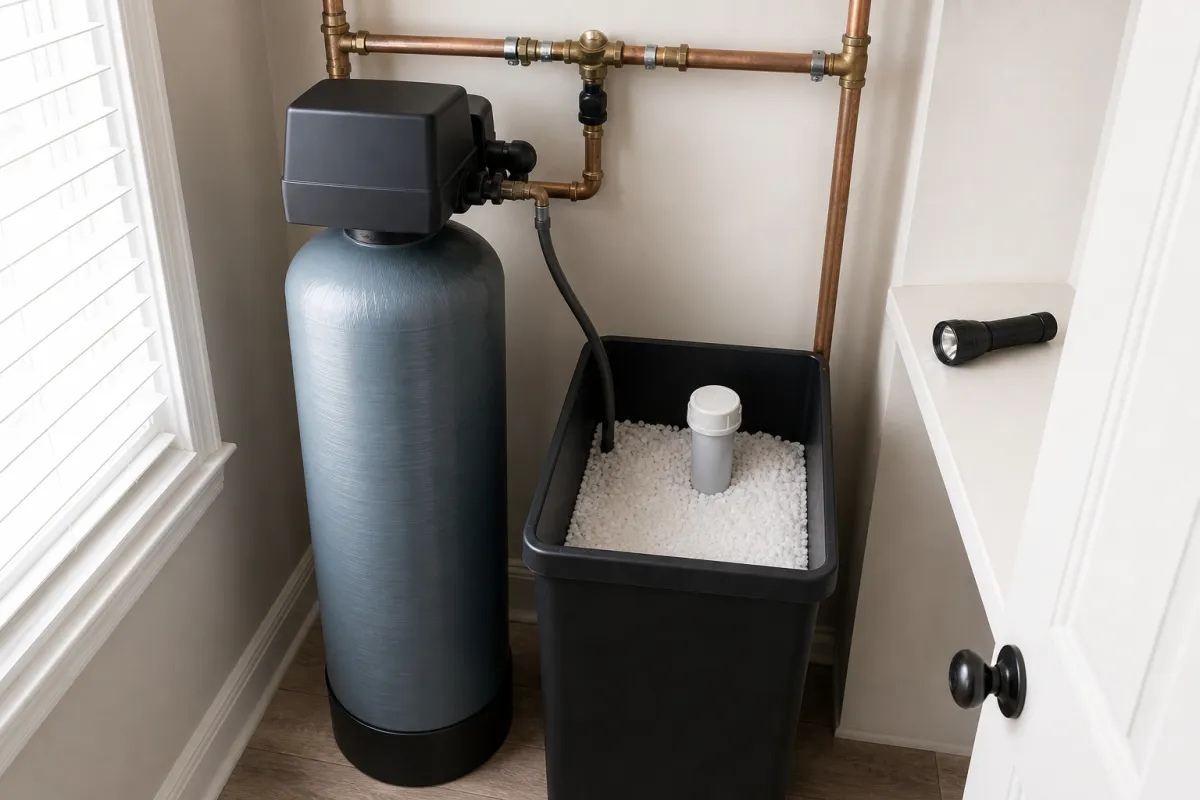
A water softener is recommended for many local homes, especially if you see white scale, repeated faucet or valve problems, short water-heater life, or cloudy spots on dishes. A typical whole-home water softener installation in San Antonio runs about $1,500-$4,000.