> San Antonio Local Insight: Hard water mineral deposits (21 gpg from Edwards Aquifer) affect toilet components, garbage disposals, and fixtures throughout local homes. Scale buildup causes premature wear, reduces performance, and creates problems that soft-water cities rarely see. Regular descaling maintenance is essential for San Antonio plumbing.
Price the Entire Toilet Job, Not Just the Bowl
For a toilet replacement in the Medical Center area, the quote should identify the toilet, new wax or waxless seal, closet bolts, supply connector, haul-away, and labor. It should also say what happens if the flange is cracked, below the finished floor, or surrounded by soft subfloor. A low fixture price can stop being a bargain once those concealed conditions appear.
Edwards Aquifer water measures roughly 357 mg/L, or 21 gpg. That mineral load commonly stiffens shutoff valves and leaves scale in fill valves, so test the stop gently before removal rather than forcing it. If it will not close fully, shut water off at the house and let a licensed plumber replace it. SAWS conservation guidance also makes a WaterSense 1.28-gallon-per-flush model a sensible default unless the drain layout calls for another choice.
A straightforward San Antonio installation generally runs $300–$800 including a standard toilet. Allow another $150–$450 for flange correction and more if rot or tile work is uncovered. Bexar County homes with remodel layers or older cast-iron connections need a site-specific estimate instead of a one-line installation special.
Why Knowing Toilet Installation Costs Matters
Understanding the toilet installation cost not only helps you budget but also prepares you for unexpected expenses. The average cost of a toilet installation can range from $150 to $800, depending on various factors such as the type of toilet, labor costs, and any additional plumbing work required. Being informed allows you to make better choices regarding materials and labor, ensuring that your project stays within budget.
Moreover, a proper installation can prevent costly repairs down the line. A poorly installed toilet can lead to leaks, water damage, and even mold growth. Thus, having a clear understanding of the costs and requirements involved can save you money and stress in the long run.
What to Check First
Before diving into a toilet installation project, there are several key factors to consider:
1. Existing Plumbing
Evaluate your existing plumbing setup. Check the condition of the pipes, drainage system, and water supply lines. If your plumbing is outdated or damaged, you may need to account for additional costs to repair or replace these elements before installing the new toilet.
2. Type of Toilet
The type of toilet you choose will significantly influence the installation cost. Standard gravity-flush toilets are generally the most affordable, while more advanced models, like dual-flush or pressure-assisted toilets, may come with higher price tags. Researching various options and their features can help you select a model that fits both your needs and your budget.
3. Space and Accessibility
Consider the space where the toilet will be installed. Limited access may require additional labor, driving up costs. Take measurements to ensure that the new toilet will fit comfortably in the designated area, leaving enough room for maintenance and cleaning.
Planning the Installation and Choosing Materials
If you’re planning to install the toilet yourself, here are the essential steps to follow:
Step 1: Gather Your Tools and Materials
Before starting the installation, gather the necessary tools and materials, including:
- New toilet
- Wax ring
- Toilet bolts
- Adjustable wrench
- Screwdriver
- Level
- Plumber’s tape
Step 2: Remove the Old Toilet
1. Shut Off the Water Supply: Locate the shut-off valve behind the toilet and turn it off.
2. Drain the Tank: Flush the toilet to empty the tank. Use a sponge to soak up any remaining water.
3. Disconnect the Water Line: Use an adjustable wrench to disconnect the water supply line from the tank.
4. Remove the Toilet: Unscrew the nuts holding the toilet to the floor and gently rock the toilet back and forth to break the wax seal. Lift it off and set it aside.
Step 3: Prepare for Installation
1. Inspect the Flange: Check the toilet flange for damage. If it’s broken, you’ll need to replace it before installing the new toilet.
2. Install the Wax Ring: Place a new wax ring on the flange to create a watertight seal.
Step 4: Install the New Toilet
1. Position the Toilet: Carefully lower the new toilet onto the wax ring, aligning the bolts with the holes in the base of the toilet.
2. Secure the Toilet: Tighten the nuts onto the bolts, ensuring not to overtighten, which can crack the porcelain.
3. Reconnect the Water Supply: Reattach the water supply line and turn on the shut-off valve.
4. Test for Leaks: Flush the toilet and check for any leaks around the base or from the water supply line.
Step 5: Final Adjustments
Use a level to ensure the toilet is stable and adjust as necessary. Once everything is secure, you’re ready to enjoy your new installation!
Mistakes to Avoid
Installing a toilet may seem straightforward, but there are common pitfalls to watch out for:
1. Skipping the Measurements
One of the most common mistakes is not measuring the space before purchasing a new toilet. Ensure you have the correct rough-in measurement (the distance from the wall to the center of the flange) to avoid buying a toilet that won’t fit.
2. Ignoring the Flange Condition
Failing to inspect the toilet flange can lead to significant problems. A damaged flange can cause leaks and instability, necessitating costly repairs. Always check its condition before proceeding with the installation.
3. Overlooking Local Building Codes
Different areas have specific plumbing codes that must be followed. Make sure you’re aware of any regulations regarding toilet installation to avoid potential fines or the need for reinstallation.
When the Work Is No Longer DIY
While DIY installation can save money, certain situations warrant professional help:
1. Major Plumbing Issues
If you discover significant plumbing problems, such as corroded pipes or a damaged drainage system, it’s best to call a plumber. Attempting to fix major plumbing issues without expertise can lead to further damage and costly repairs.
2. Structural Changes
If your installation involves moving plumbing lines or making structural changes to accommodate a new toilet, hiring a professional is advisable. They can ensure that the work complies with local codes and is done safely.
3. Safety Concerns
If you’re uncomfortable with any aspect of the installation process, it’s wise to consult a professional. Safety should always be your top priority, especially when dealing with plumbing and water supply lines.
FAQ
What is the average cost of toilet installation?
The average cost ranges from $150 to $800, depending on the type of toilet, labor costs, and any necessary plumbing repairs.
Can I install a toilet myself?
Yes, but it’s essential to have the right tools and knowledge. If you’re unsure, it’s best to consult a professional.
How long does a toilet installation take?
A typical toilet installation can take anywhere from 1 to 3 hours, depending on the complexity of the job.
What should I do if my new toilet leaks?
If you notice any leaks, turn off the water supply immediately and check the connections. If the problem persists, consult a plumber.
Are there any additional costs associated with toilet installation?
Yes, additional costs may arise from plumbing repairs, new supply lines, or if you need to purchase tools or materials.
Quick Reference Table: Toilet Installation Costs
| Item | Estimated Cost |
|---|---|
| Standard Toilet | $150 - $300 |
| High-Efficiency Toilet | $300 - $600 |
| Labor Costs (per hour) | $50 - $150 |
| Plumbing Repairs | $100 - $500+ |
| Tools/Materials | $50 - $150 |
Conclusion
Understanding toilet installation costs is vital for any homeowner considering a bathroom upgrade or repair. By being informed about the factors that influence costs, following the right installation steps, and knowing when to call a professional, you can ensure a successful project that enhances your bathroom’s functionality and aesthetics.
Why This Is Different in San Antonio
San Antonio's Edwards Aquifer supplies some of the hardest municipal water in the United States: about 357 mg/L, or 21 grains per gallon. That limestone-filtered groundwater carries calcium carbonate and magnesium into our fixtures, valves, drains, heaters, and supply lines. For toilet installation cost, that matters because mineral deposits grind down seals, cartridges, fill valves, supply stops, spray arms, and small water passages faster than many generic guides assume.
- Scale buildup makes small restrictions worse, especially at cartridges, aerators, shutoff valves, drains, and heater connections.
- Fixtures, pipes, and appliances in our area can wear out 30-50% faster than in soft-water cities when maintenance is delayed.
- SAWS publishes annual water quality reports, but the practical homeowner takeaway is simple: maintenance intervals here should be shorter than national advice suggests.
Homes in Medical Center area are particularly affected because 1970s-80s builds can have aging supply lines and occasional polybutylene concerns. Unlike cities with naturally soft water, local homeowners should treat hard-water maintenance as normal prevention, not an upsell.
> "In my 20 years working in San Antonio, I would say most surprise plumbing failures I see start with homeowners following soft-water maintenance advice in a hard-water city." — Licensed local plumber
What San Antonio Homeowners Pay (2026)
| Service | Typical Cost in San Antonio |
|---|---|
| Toilet replacement (labor + unit) | $300–$800 |
| Drain cleaning | $150–$350 |
| Plumber hourly rate | $85–$150/hr |
Prices are based on local metro area ranges for 2026. Costs may vary by neighborhood, access, pipe material, after-hours timing, and whether the plumber finds hard-water damage beyond the visible problem.
When to Call a San Antonio Plumber
Call a licensed local plumber if the problem involves active leaking, a shutoff valve that will not close, sewer smell, recurring clogs, water near electrical components, a water heater leak, or any pipe inside a wall, ceiling, or slab. Locally, expect many licensed plumbers to charge roughly $85-$150 per hour, with emergency visits commonly around $150-$350 and after-hours calls closer to $250-$500.
When you call, ask three local questions:
1. Are you licensed and insured for work in Bexar County or the surrounding local metro?
2. Have you dealt with Edwards Aquifer hard-water scale on this type of repair?
3. Should I also check the water heater, shutoff valves, or water softener while you are there?
local plumbers see hard-water issues every week, so a good pro should be able to explain whether the failure is normal wear, mineral damage, freeze damage from a cold snap like Winter Storm Uri, or a sign of a larger plumbing system problem.
San Antonio FAQ
Is San Antonio water hard?
Yes. San Antonio water is very hard at about 357 mg/L, or 21 grains per gallon, because much of it comes from the Edwards Aquifer and passes through limestone. That mineral content is why scale shows up quickly on faucets, showerheads, valves, drains, and water heaters.
Do local homes need a water softener?
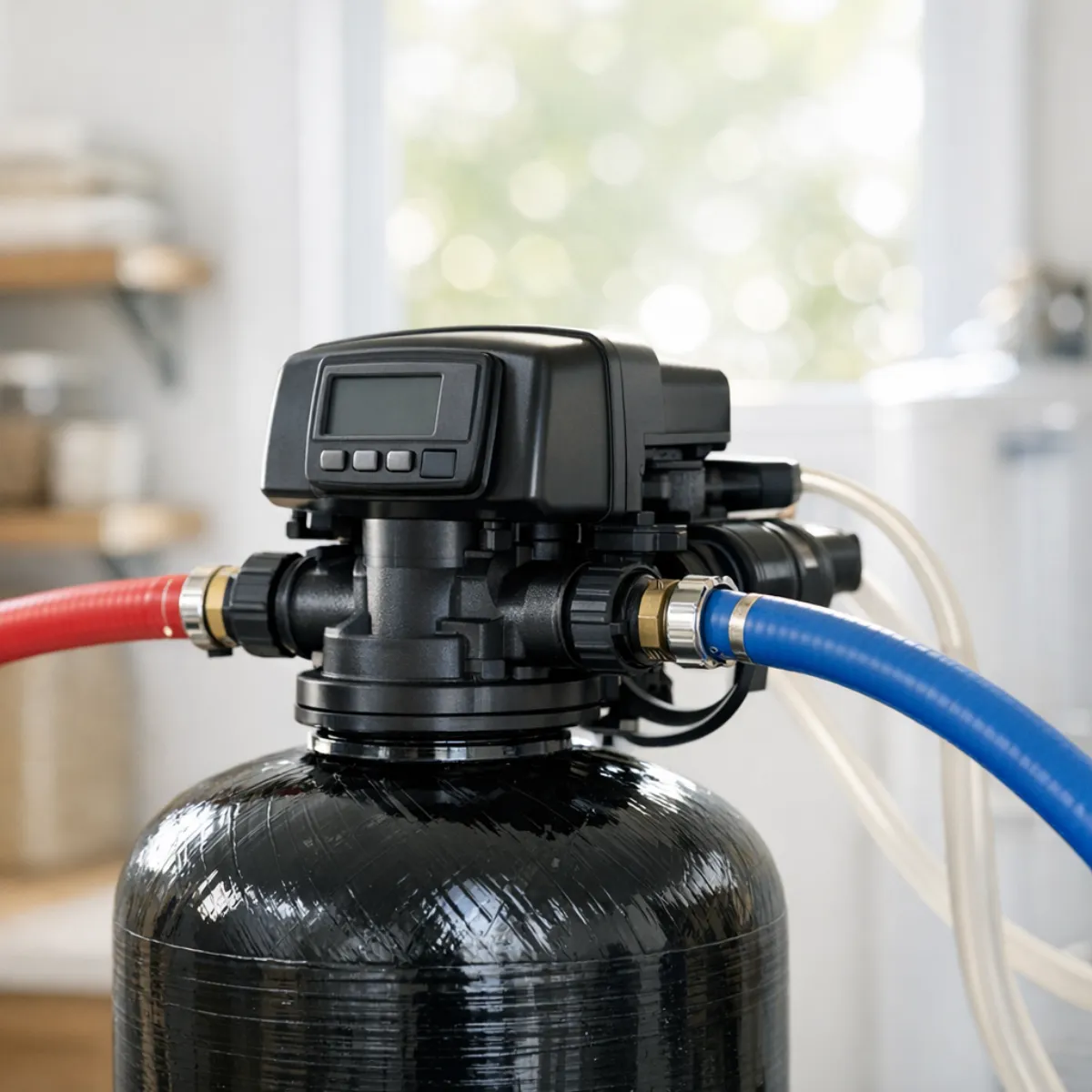
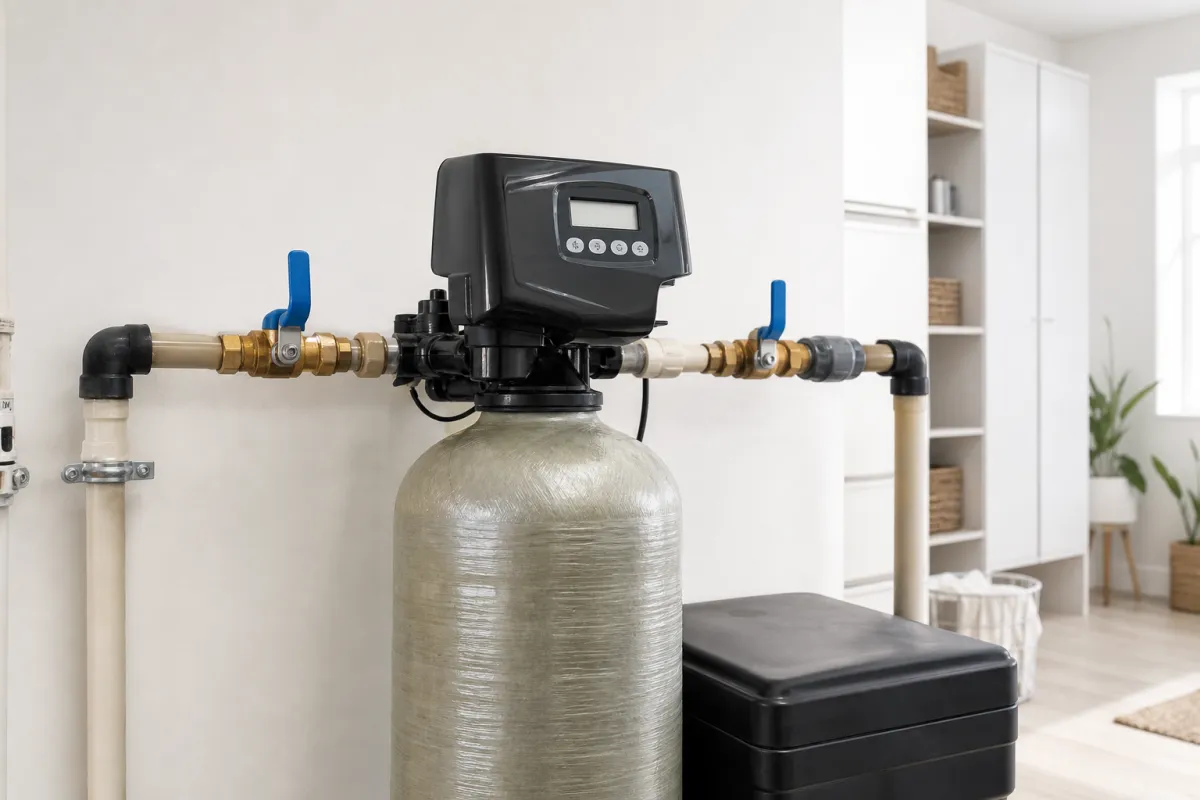
A water softener is recommended for many local homes, especially if you see white scale, repeated faucet or valve problems, short water-heater life, or cloudy spots on dishes. A typical whole-home water softener installation in San Antonio runs about $1,500-$4,000.