> San Antonio Local Insight: Drain and sink clogs in San Antonio are different from other cities. Edwards Aquifer hard water (357 mg/L) deposits white calcium scale inside pipes that traps hair, grease, and soap more aggressively. Standard drain cleaners often fail because they dissolve organic matter but not mineral buildup. Homes here need descaling-specific methods.
Separate a Disposal Jam From a Drain Clog
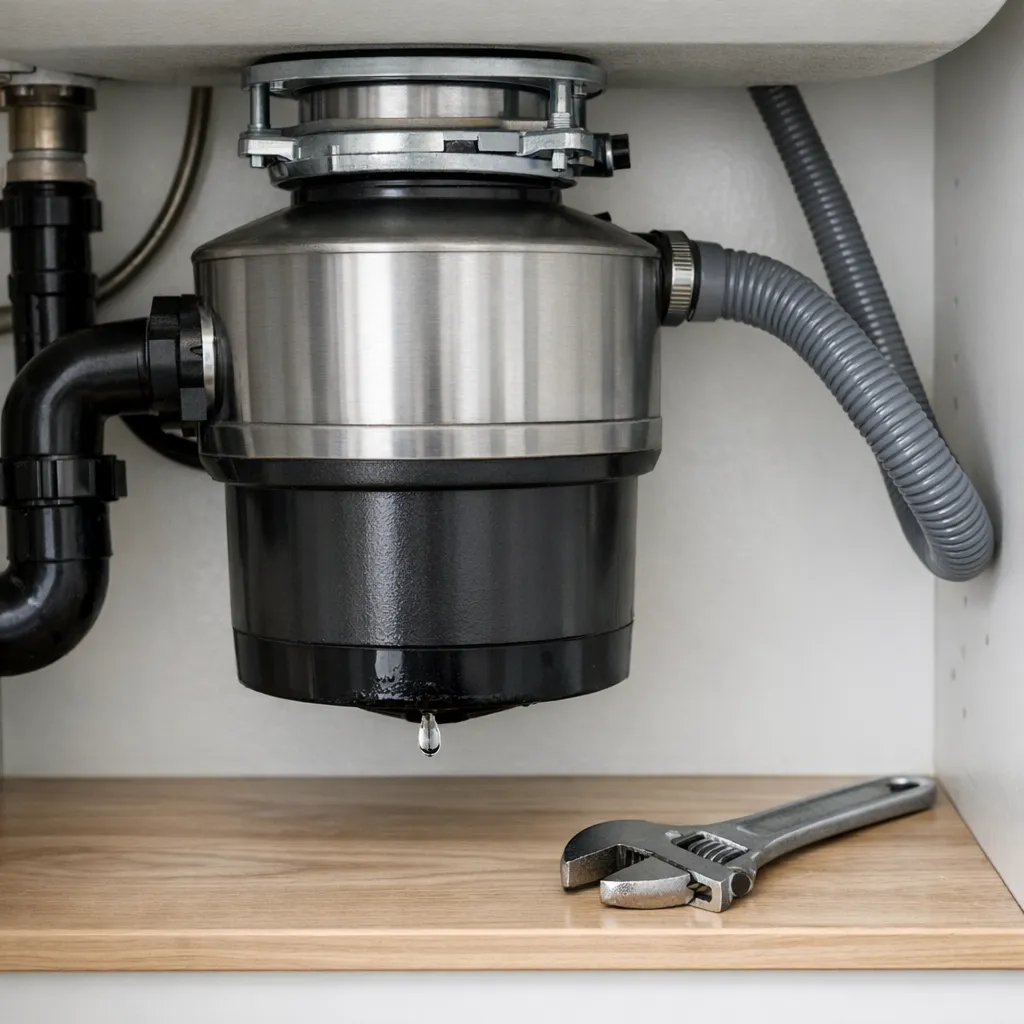
A disposal that hums but does not turn is usually jammed; one that spins while water rises is more likely blocked at the outlet, trap, or shared branch. Edwards Aquifer water at about 357 mg/L, or 21 gpg, coats the grinding chamber and drain path with scale that catches starch and grease. Diagnose those conditions separately, because repeatedly powering a jammed motor can trip its overload or damage it, while chemical drain cleaner creates a splash hazard for anyone who opens the trap. That means a clog should be treated as hair, grease, food waste, and mineral scale working together, not as a simple one-cause blockage.
A homeowner in King William should be especially careful because historic cast iron, galvanized pipe, and tight retrofit spaces change what a safe repair looks like. If you are comparing advice from national repair guides, shorten the maintenance interval and inspect for white scale, crusted fittings, stiff shutoff valves, and early corrosion before assuming the part simply “got old.”
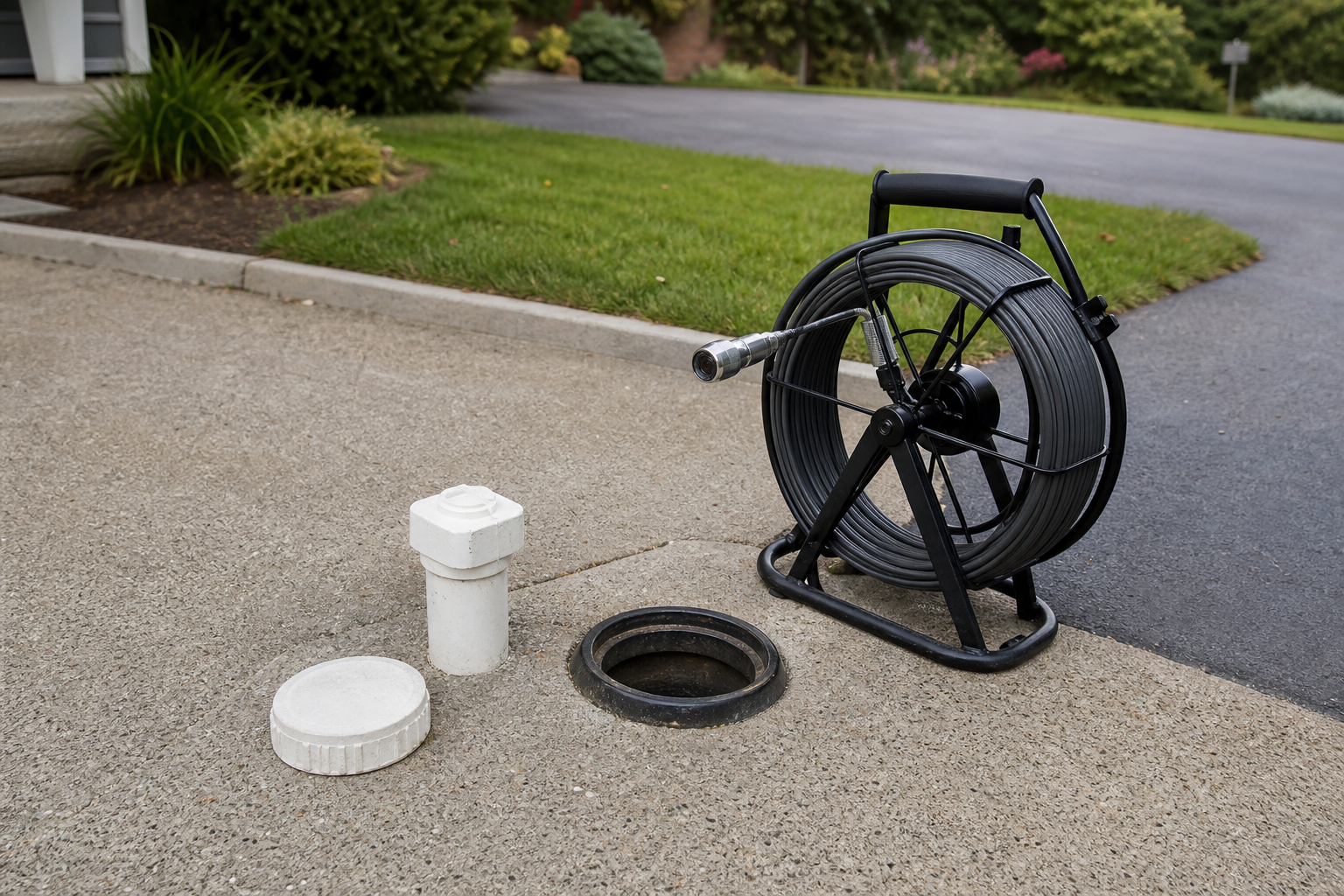
For budgeting, use local pricing instead of national averages: drain cleaning usually runs $150-$350, and a sewer camera inspection is commonly $200-$400. If the issue appears after a summer high-use period or after a rare freeze like Winter Storm Uri, treat it as a local risk signal and document what you see before calling a licensed plumber in Bexar County.
Garbage disposals are handy appliances that help manage food waste efficiently. However, they can become clogged due to various reasons, leading to unpleasant odors, slow drainage, or even complete failure. Understanding how to safely unclog your garbage disposal is crucial for maintaining its functionality and your home's hygiene. In this guide, we will explore common causes of clogs, safe checks, practical DIY fixes, and preventative measures to keep your disposal running smoothly.
Quick Answer
If your garbage disposal is clogged, the likely cause is food debris stuck in the grinding chamber or a blockage in the drain line. Before attempting any fixes, turn off the power to the disposal at the circuit breaker to avoid electrical hazards. If the clog persists or if you notice signs of sewage backup, it’s crucial to call a plumber immediately to avoid further damage.
Common Causes of Clogs
Understanding the common reasons for garbage disposal clogs can help you troubleshoot effectively. Here are the typical culprits, ordered from simple to serious:
1. Food Debris: Large pieces of food, fibrous vegetables (like celery), or starchy items (like pasta) can easily jam the disposal. If you hear a humming noise without grinding, it may indicate that something is stuck.
2. Grease Buildup: Pouring grease down the disposal can lead to a sticky buildup that traps food particles. This often results in slow drainage and unpleasant odors.
3. Foreign Objects: Items that shouldn’t be in the disposal, such as utensils, bones, or non-food materials, can cause severe jams.
4. Drain Line Issues: Sometimes, the problem isn’t with the disposal itself but with the drain line. A blockage further down the plumbing can prevent water from flowing freely.
5. Wear and Tear: Over time, the internal components of the disposal can wear out, leading to operational issues. If your disposal is old or has been frequently clogged, it may require replacement.
Safety First
Safety should always be your top priority when dealing with plumbing issues. Here are specific safety measures to take when unclogging your garbage disposal:
- Turn Off Power: Before doing any inspection or repairs, turn off the garbage disposal at the circuit breaker to prevent accidental activation.
- Avoid Water Exposure: Shut off the water supply to the disposal if you’re experiencing significant backups. This helps avoid flooding and further complications.
- Watch for Gas or Sewage Smells: If you detect any gas odors or sewage smells, stop all work immediately and contact a professional. These could indicate more serious plumbing issues.
- Stop DIY Work: If you encounter active flooding, sewage backup, gas odors, or significant electrical risks, stop your DIY efforts and call a licensed plumber.
Step-by-Step Homeowner Checks
Follow these steps to identify and potentially resolve the clog:
1. Visual Inspection: Begin by examining the disposal and surrounding area for any visible blockages or signs of leaks. Use a flashlight to look inside the disposal.
2. Confirm the Problem Area: If the disposal is humming but not grinding, it’s likely jammed. If water is backing up into the sink, the issue may be further down the drain line.
3. Try Simple, Non-Destructive Fixes: Use a hex wrench (often provided with the disposal) to manually turn the blades and dislodge any stuck debris. Alternatively, you can use a wooden spoon handle to gently push food particles down.
4. Monitor for Symptoms: After attempting to clear the clog, watch for leaks, pressure changes, or recurring symptoms. If the problem persists, further investigation may be needed.
5. Know When to Escalate Beyond DIYfessional: If you notice active flooding, sewage backup, gas smells, or if you suspect hidden damage behind walls or under floors, it’s time to call a licensed plumber.
Tools and Materials
Here are some essential tools and materials you may need for unclogging your garbage disposal:
- Hex Wrench: Typically included with your garbage disposal, used for manually turning the blades.
- Flashlight: Useful for inspecting the disposal and drain line for visible clogs.
- Plunger: A standard plunger can help dislodge clogs in the sink drain.
- Bucket: To catch any water or debris that may spill out during the unclogging process.
- Dish Soap: Can help break down grease buildup when poured down the disposal.
DIY Fixes That Are Usually Reasonable
Here are some safe, low-risk actions homeowners can take to unclog their garbage disposal:
- Manual Reset: If the disposal is humming but not grinding, press the reset button usually located at the bottom of the unit.
- Use Hot Water and Dish Soap: Pouring a mixture of hot water and dish soap can help dissolve grease clogs. Allow it to sit for a few minutes before running the disposal.
- Ice and Salt Method: Running ice cubes and salt through the disposal can help break up debris and clean the blades.
- Baking Soda and Vinegar: Pouring a cup of baking soda followed by a cup of vinegar can create a fizzing reaction that helps dislodge minor clogs. Allow it to sit for 15-30 minutes before rinsing with hot water.
What to Avoid
- Never Use Your Hands: Avoid placing your hands inside the disposal, even if it appears to be off. Always use tools to prevent injury.
- Don’t Use Harsh Chemicals: Avoid chemical drain cleaners, as they can damage the disposal and pipes.
- Avoid Running the Disposal Without Water: Always ensure water is running while using the disposal to help flush debris.
When to Call a Plumber
While many clogs can be resolved with DIY methods, certain situations warrant professional help:
- Active Flooding: If water is overflowing from the sink, it’s crucial to call a plumber to prevent water damage.
- Sewage Backup: Backup in the sink that smells like sewage indicates a serious plumbing issue requiring immediate attention.
- Gas Smells: Any smell of gas should be treated as an emergency. Evacuate the area and contact professionals.
- Repeated Clogs: If you find yourself frequently unclogging the disposal, it may be time to consult a plumber about underlying issues or consider replacement.
Prevention
Preventing clogs in your garbage disposal is easier than dealing with them once they occur. Here are some maintenance habits to adopt:
- Run Cold Water: Always run cold water for at least 30 seconds after using the disposal to help flush any remaining food particles.
- Avoid Certain Foods: Steer clear of fibrous vegetables, starchy foods, and grease. These can easily lead to clogs.
- Regular Cleaning: Clean the disposal regularly by grinding ice cubes and citrus peels to keep it fresh and free of buildup.
- Use a Drain Strainer: Installing a drain strainer can help catch larger food particles before they enter the disposal.
Cost and Time Expectations
The cost of unclogging a garbage disposal can vary widely depending on the severity of the clog and whether you choose to hire a professional. DIY fixes may cost little to nothing, while a plumber may charge anywhere from $100 to $300 for service calls, depending on your location and the complexity of the issue. Expect a DIY unclogging session to take anywhere from 30 minutes to a couple of hours, depending on the method used and the severity of the clog.
FAQ
What causes a garbage disposal to clog?
Common causes include large food particles, grease buildup, foreign objects, drain line issues, and wear and tear.
Can I fix it myself?
Yes, many clogs can be resolved with simple DIY methods, but always ensure safety first.
How urgent is it?
If you notice flooding, sewage backup, gas smells, or repeated clogs, it’s urgent to call a plumber.
What should I avoid doing?
Avoid placing your hands inside the disposal, using harsh chemicals, and running the disposal without water.
Why This Is Different in San Antonio
San Antonio's Edwards Aquifer supplies some of the hardest municipal water in the United States: about 357 mg/L, or 21 grains per gallon. That limestone-filtered groundwater carries calcium carbonate and magnesium into our fixtures, valves, drains, heaters, and supply lines. For unclog garbage disposal, that matters because calcium scale roughens the inside of drains, so hair, grease, soap film, and food debris catch more aggressively than they do in soft-water cities.
- Scale buildup makes small restrictions worse, especially at cartridges, aerators, shutoff valves, drains, and heater connections.
- Fixtures, pipes, and appliances in our area can wear out 30-50% faster than in soft-water cities when maintenance is delayed.
- SAWS publishes annual water quality reports, but the practical homeowner takeaway is simple: maintenance intervals here should be shorter than national advice suggests.
Homes in King William are particularly affected because historic homes may still have cast iron, galvanized pipe, and tight retrofit spaces. Unlike cities with naturally soft water, local homeowners should treat hard-water maintenance as normal prevention, not an upsell.
> "San Antonio drains do not just fight hair and grease. The mineral scale gives debris something to grab onto, so clogs become stubborn faster." — Licensed local plumber
What San Antonio Homeowners Pay (2026)
| Service | Typical Cost in San Antonio |
|---|---|
| Drain cleaning | $150–$350 |
| Plumber hourly rate | $85–$150/hr |
| Emergency plumber call | $150–$350; after hours $250–$500 |
Prices are based on local metro area ranges for 2026. Costs may vary by neighborhood, access, pipe material, after-hours timing, and whether the plumber finds hard-water damage beyond the visible problem.
When to Call a San Antonio Plumber
Call a licensed local plumber if the problem involves active leaking, a shutoff valve that will not close, sewer smell, recurring clogs, water near electrical components, a water heater leak, or any pipe inside a wall, ceiling, or slab. Locally, expect many licensed plumbers to charge roughly $85-$150 per hour, with emergency visits commonly around $150-$350 and after-hours calls closer to $250-$500.
When you call, ask three local questions:
1. Are you licensed and insured for work in Bexar County or the surrounding local metro?
2. Have you dealt with Edwards Aquifer hard-water scale on this type of repair?
3. Should I also check the water heater, shutoff valves, or water softener while you are there?
local plumbers see hard-water issues every week, so a good pro should be able to explain whether the failure is normal wear, mineral damage, freeze damage from a cold snap like Winter Storm Uri, or a sign of a larger plumbing system problem.
San Antonio FAQ
Is San Antonio water hard?
Yes. San Antonio water is very hard at about 357 mg/L, or 21 grains per gallon, because much of it comes from the Edwards Aquifer and passes through limestone. That mineral content is why scale shows up quickly on faucets, showerheads, valves, drains, and water heaters.
Do Homes here need a water softener?
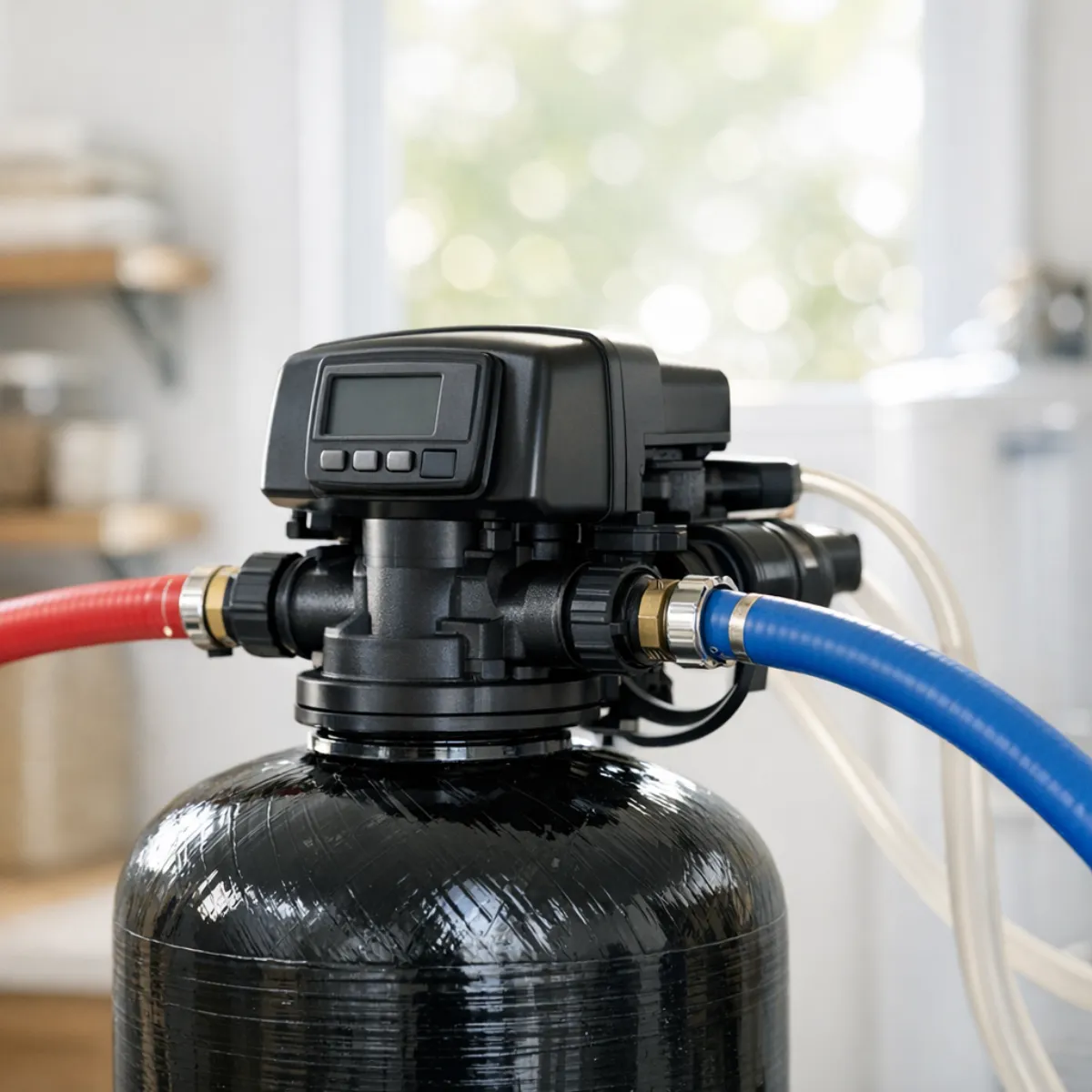
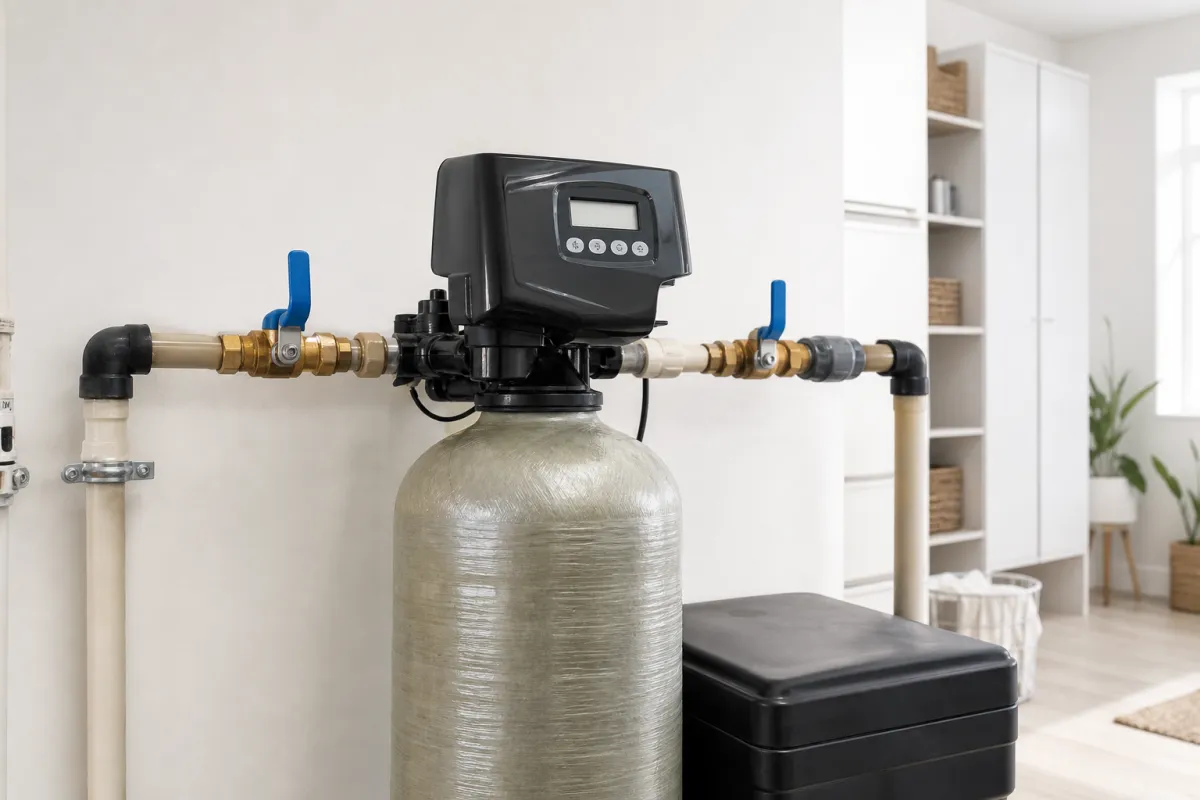
A water softener is recommended for many local homes, especially if you see white scale, repeated faucet or valve problems, short water-heater life, or cloudy spots on dishes. A typical whole-home water softener installation in San Antonio runs about $1,500-$4,000.