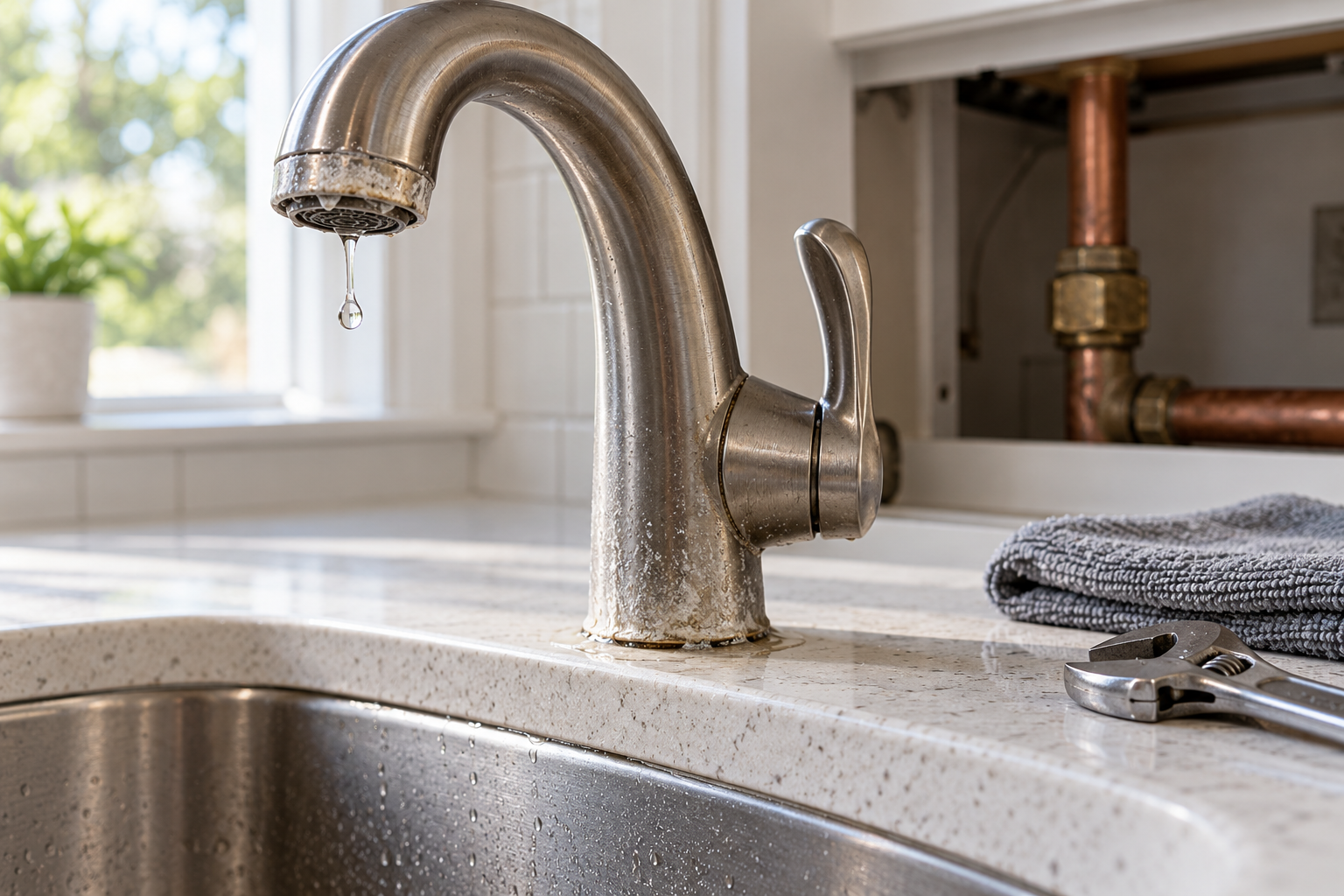
> San Antonio Local Insight: Drain and sink clogs in San Antonio are different from other cities. Edwards Aquifer hard water (357 mg/L) deposits white calcium scale inside pipes that traps hair, grease, and soap more aggressively. Standard drain cleaners often fail because they dissolve organic matter but not mineral buildup. Local homes need descaling-specific methods.
Local San Antonio Field Notes Before You Start
Before following any generic plumbing checklist, adjust it for our Edwards Aquifer water. At roughly 357 mg/L, or 21 grains per gallon, the calcium carbonate and magnesium in the water can turn a small maintenance issue into repeat wear on valves, seals, drains, heaters, and appliance connections. That means a clog should be treated as hair, grease, food waste, and mineral scale working together, not as a simple one-cause blockage.
A homeowner in King William should be especially careful because historic cast iron, galvanized pipe, and tight retrofit spaces change what a safe repair looks like. If you are comparing advice from national repair guides, shorten the maintenance interval and inspect for white scale, crusted fittings, stiff shutoff valves, and early corrosion before assuming the part simply “got old.”
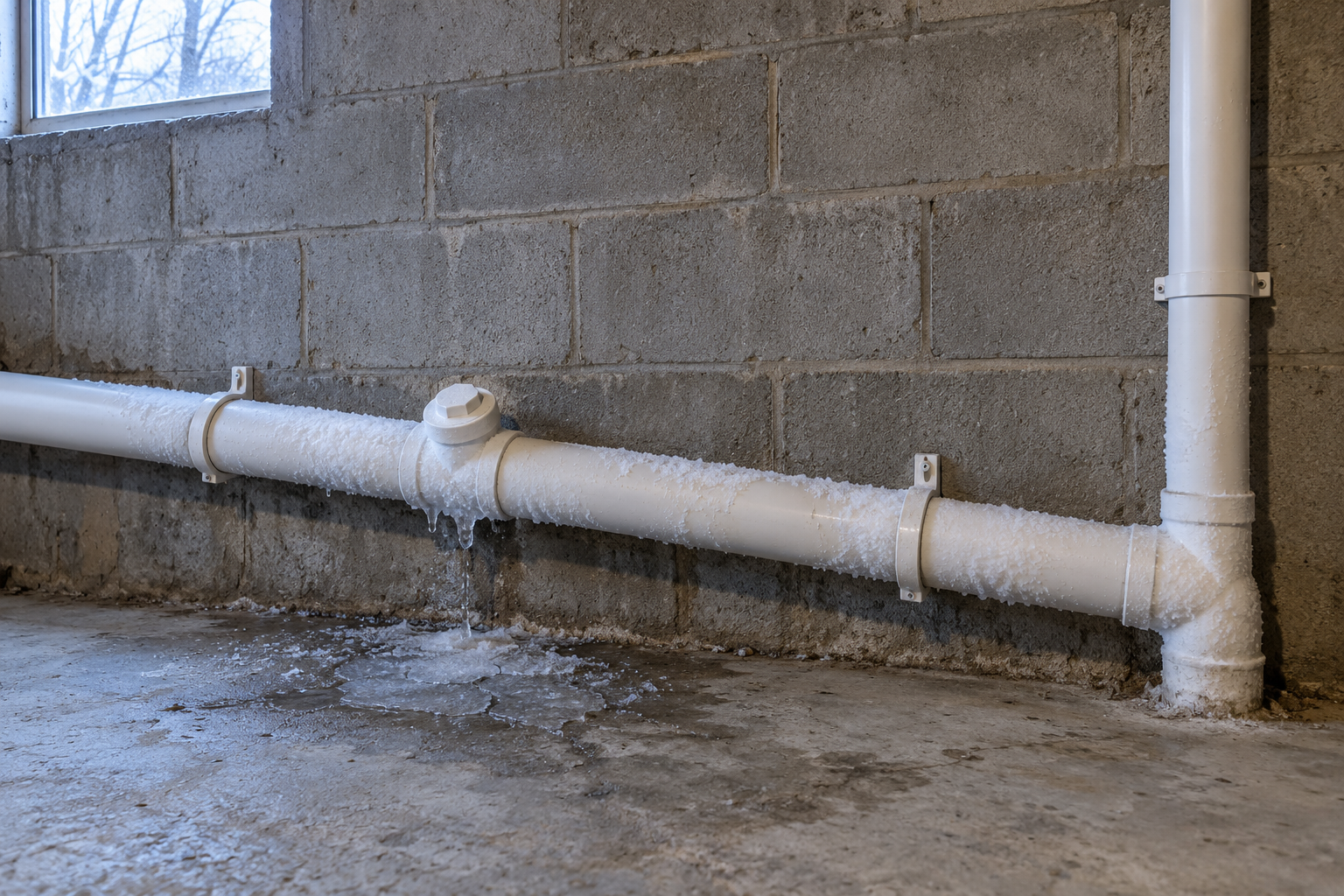
For budgeting, use local pricing instead of national averages: drain cleaning usually runs $150-$350, and a sewer camera inspection is commonly $200-$400. If the issue appears after a summer high-use period or after a rare freeze like Winter Storm Uri, treat it as a local risk signal and document what you see before calling a licensed plumber in Bexar County.
A slow or completely blocked kitchen sink is usually caused by grease, food residue, soap film, or debris lodged in the trap. Start with the least invasive methods: stop using the sink, remove standing water, inspect the strainer, and try a sink plunger. If that does not work, clean the removable P-trap. Avoid combining drain chemicals or dismantling plumbing after using a chemical cleaner.
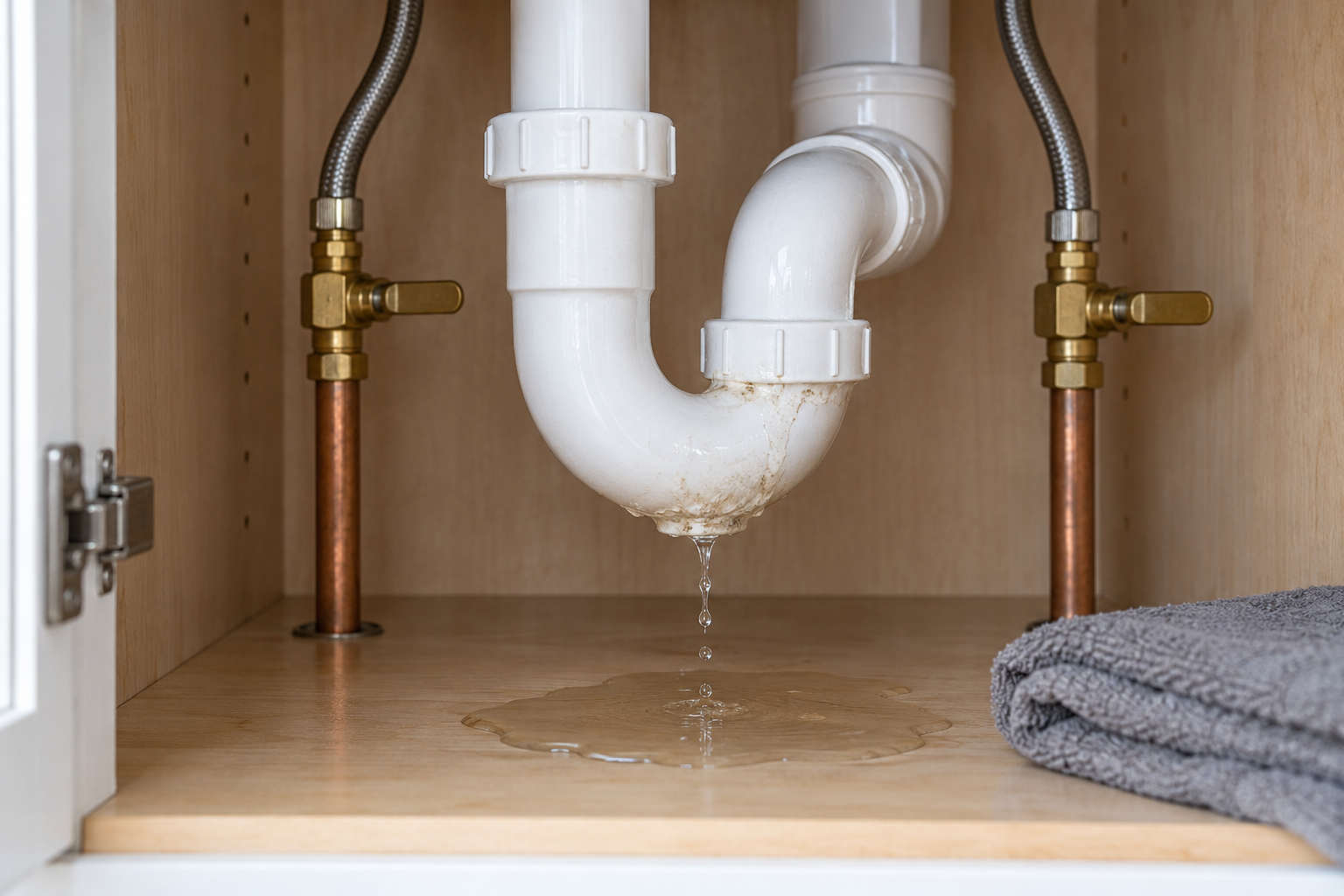
A clog becomes urgent when water appears in another fixture, wastewater backs up, there is a sewage odor, or water leaks into the cabinet, wall, or floor. Those symptoms can indicate a damaged pipe or a blockage farther down the drain system. Stop running water and call a licensed plumber rather than repeatedly forcing the drain.
Identify What Kind of Blockage You Have
Run only a small amount of water while observing the sink. If one bowl of a double sink drains slowly but the other behaves normally, debris may be near that bowl’s strainer or connecting arm. If both bowls fill, the obstruction is probably after their junction. A disposal that hums without turning points to a jammed appliance, not necessarily a drain clog. Turn it off immediately; continued power can damage its motor.
Check nearby fixtures too. A kitchen-only problem often sits in the branch serving that room. Water rising in a tub, floor drain, or another sink when the kitchen drains can signal a larger branch or main-line blockage. Gurgling may result from restricted flow or venting trouble. These distinctions matter because a plunger may clear a local soft clog, while a recurring multi-fixture backup needs professional diagnosis.
Make the Area Safe Before You Start
Switch off and unplug any disposal before reaching near its opening; if it is hardwired, turn off the correct breaker. Never put fingers into a disposal, even when power is off. Use tongs to retrieve visible loose objects. Keep countertop appliances and extension cords away from standing water, and dry the cabinet floor so a new leak is easy to spot.
Wear eye protection and water-resistant gloves. If any drain opener has already been poured into the sink, do not plunge or open the trap because caustic liquid can splash. Do not add bleach, vinegar, ammonia, or another product. Ventilate the room, follow the product label, and tell a plumber exactly what was used. Wastewater with a strong sewage odor should be treated as contaminated; avoid contact and stop DIY work if it spreads.
Gather Simple Tools and Protect the Cabinet
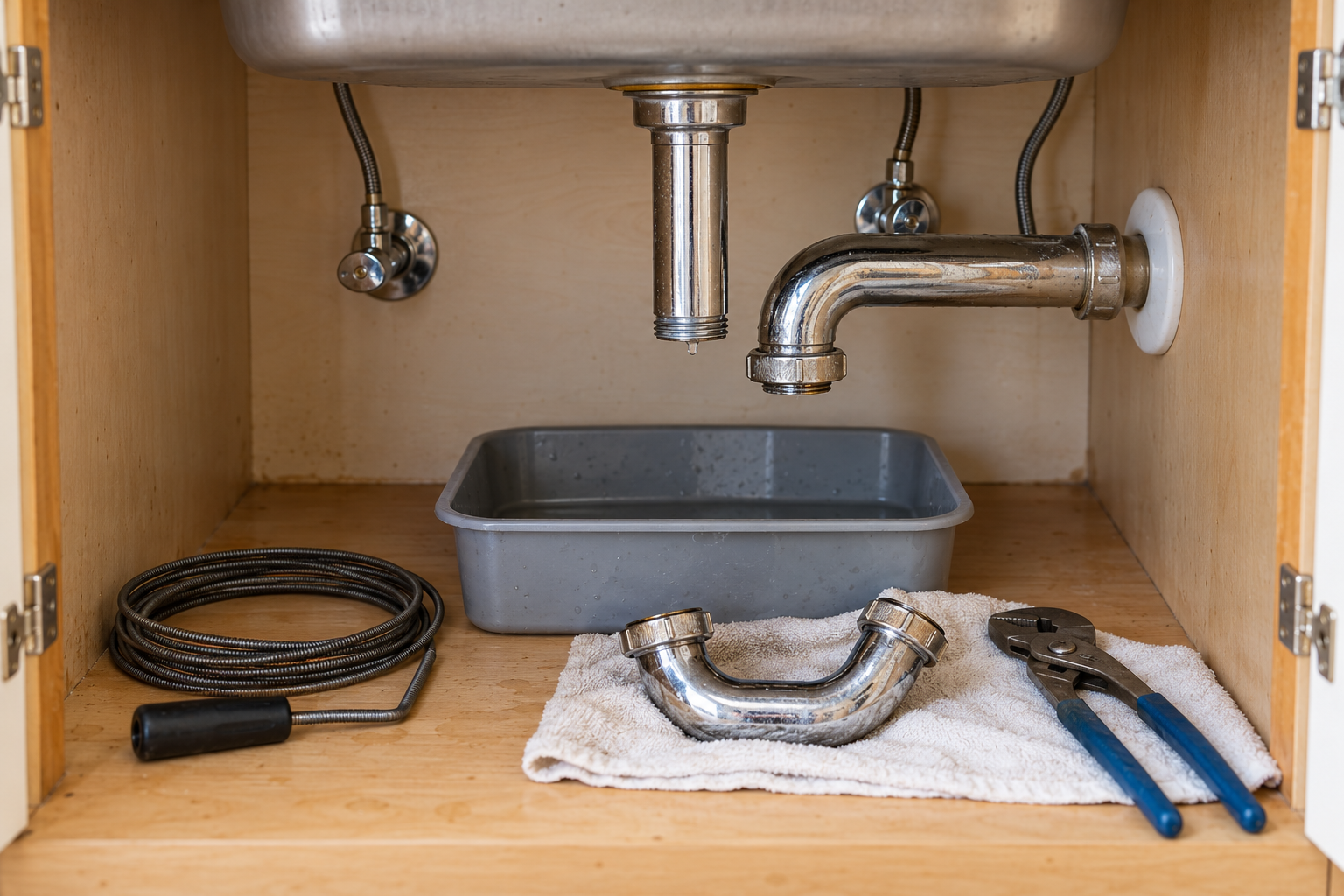
Useful supplies include a cup-style sink plunger, bucket, old towels, flashlight, adjustable pliers, and a small hand-operated drain snake. A drain stopper or damp cloth helps seal the second bowl of a double sink. Avoid power augers unless you understand the pipe material and route: an aggressive cable can damage old, thin, or poorly joined plumbing.
Clear everything from beneath the sink. Place a broad pan or bucket under the P-trap and towels around it. Photograph the pipe arrangement before loosening anything. Inspect for corrosion, cracked slip nuts, swollen cabinet panels, and old leaks. If metal piping is severely corroded or plastic fittings are glued rather than slip-jointed, do not force them apart.

Try a Plunger the Right Way
Remove loose debris from the strainer and add enough water to cover the plunger lip. On a double sink, seal the other drain tightly. If a dishwasher connects near the sink, do not run it during the work. Center the plunger over the opening, establish a seal, and use several controlled pushes and pulls. The goal is to move water through the obstruction, not to strike the sink with maximum force.
After a short set of plunges, lift the plunger and see whether water drains. Repeat once or twice if flow improves. Stop if water leaks from a fitting below, backs up elsewhere, or does not change at all. Excessive plunging against a hard object or compromised joint can turn a clog into a leak. Once flow returns, test with a modest stream before filling the basin.
Clean the P-Trap Carefully
The curved P-trap holds water that blocks sewer gas, but its bend also catches food and grease. With the bucket in place, loosen the two slip nuts by hand or with gentle pressure from pliers. Support the trap as the nuts release because it will contain dirty water. Note the direction of tapered washers. Empty the trap into the bucket, not into the sink you are repairing.
Clean the trap with a flexible brush and warm soapy water. Check the short horizontal pipe leading into the wall with a flashlight, but do not push a rigid object into it. Reassemble the trap in its original orientation, seat washers evenly, and tighten the nuts hand-tight plus only a small additional turn if needed. Run a thin stream while wiping each joint with dry tissue; moisture on the tissue reveals a slow leak.

Use a Hand Snake Only Within Sensible Limits
If the trap is clear, a small manual snake can be fed gently into the wall pipe while the trap is removed. Advance the cable slowly and rotate it according to its instructions. Resistance may be a bend, not the clog, so never hammer or force the cable. Withdraw it periodically, clean off residue, and protect surrounding surfaces from splatter.
Stop if the cable repeatedly meets a solid obstruction, becomes stuck, or must travel farther than the tool is intended to reach. Also stop with fragile galvanized, cast-iron, or unknown piping. Reassemble and leak-test the trap afterward. A cable may open a path through grease without cleaning the pipe walls, so a clog that returns soon is evidence that the line needs more thorough professional service.
Methods to Avoid
Do not pour boiling water into a sink as a universal fix. Very hot water can soften some plastic piping, stress cold fixtures, and shift grease farther down the line where it cools again. Warm water with dish detergent may help maintain an already flowing drain, but it is unlikely to clear a solid blockage. Baking soda and vinegar create visible fizz yet have limited ability to remove a dense grease-and-food plug.
Chemical openers can cause burns, damage some finishes or piping, and leave hazardous liquid behind for anyone who opens the trap. Never mix products. Do not use compressed-air drain blasters; pressure can separate slip joints or drive wastewater into another fixture. A coat hanger can scratch fixtures, puncture weak pipe, and lodge more tightly than a proper flexible tool.
Diagnose Recurring Kitchen Clogs
A drain that blocks again within days or weeks may have heavy grease buildup, an inadequate slope, a damaged section, poor venting, or a foreign object. Keep notes about when symptoms occur. If backup follows dishwasher discharge, the sudden volume may expose a partially restricted branch. If drainage changes with weather or other fixtures, the cause may extend beyond the kitchen.
A plumber may use a cable machine, camera inspection, or appropriate cleaning method based on pipe condition. Camera work is most useful after flow is restored enough to see the pipe. Ask what was found rather than accepting routine chemical treatment. For repeated trouble, identifying bellies, root intrusion, corrosion, or incorrect fittings is more valuable than temporarily punching another hole through the clog.
Prevent the Next Blockage
Scrape plates into trash or compost before washing them. Use a basket strainer and empty it frequently. Never pour cooking grease down the drain; let it cool in a container and dispose of it according to local rules. Wipe oily pans with a paper towel before washing. A disposal is not a substitute for a trash can, and fibrous scraps, bones, shells, coffee grounds, and large amounts of starch can create trouble.
Run adequate water when using a disposal, follow its manufacturer’s directions, and continue briefly after grinding ends. Periodically inspect the cabinet for dampness and tighten nothing unless a joint actually leaks. Cleaning the strainer and maintaining sensible disposal habits do more than harsh monthly treatments. If the home has persistent slow drainage, schedule diagnosis before a full backup damages cabinetry or flooring.
| Symptom | Sensible first action | Stop DIY when |
|---|---|---|
| One sink drains slowly | Clean strainer and plunge | A fitting leaks or chemicals are present |
| Both bowls are blocked | Seal one bowl and plunge the other | Water rises in another fixture |
| Trap contains debris | Remove and clean it over a bucket | Parts are corroded, glued, or cracked |
| Trap is clear but line is slow | Try a short manual snake gently | Cable sticks or clog quickly returns |
| Disposal hums | Cut power and check its manual | Reset fails or the unit leaks |
When to Call a Plumber
Call promptly for multi-fixture backup, sewage odor, wastewater from a floor drain, hidden moisture, a burst or collapsed pipe, or a clog that returns after basic cleaning. Shut off fixture water when practical and stop all water use if running a fixture worsens the backup. If water is near outlets, wiring, or an appliance connection, avoid the area and switch off power only if the panel can be reached safely.
Professional help is also sensible when pipes are old, access is poor, previous repairs look improvised, or a snake must travel deep into the system. Before service, describe every affected fixture and any chemicals used. Ask for the likely blockage location, recommended cleaning method, and repair options if damage is discovered. A careful diagnosis can prevent repeated service visits and water damage.
Frequently Asked Questions
Can dish soap and hot water clear a kitchen drain?
Warm water and a modest amount of dish soap may loosen light grease in a drain that still flows, but they will not reliably remove a dense clog. Avoid boiling water, especially with plastic or unknown piping.
Should I plunge a sink with a garbage disposal?
Yes, if the disposal is switched off and unplugged or isolated at the breaker. Seal the second bowl and use controlled strokes. Stop if joints leak or a chemical opener is present.
Why does my sink clog again after I clean the trap?
The obstruction may be farther along the branch, or grease may coat a longer section of pipe. Incorrect slope, damaged pipe, or venting problems can also cause recurring symptoms and warrant diagnosis.
Is it safe to snake through the disposal?
It is generally safer to access a removable trap or suitable cleanout rather than feeding a cable through disposal components. Follow appliance instructions and call a plumber if safe access is unclear.
How can I tell whether it is a main drain problem?
If several fixtures back up or one fixture rises when another drains, the blockage may be in a shared branch or main line. Stop using water and arrange professional service.
A kitchen clog is often manageable when approached in order: identify the scope, isolate electrical hazards, plunge carefully, clean the trap, and use only a modest manual cable where the pipe is suitable. The safest success is not merely getting water to disappear—it is restoring reliable flow without burns, leaks, damaged fittings, or a larger hidden problem.
Why This Is Different in San Antonio
San Antonio kitchen drains deal with two problems at once. Grease and food residue form the clog, while Edwards Aquifer water—about 357 mg/L, or 21 gpg—leaves calcium scale that makes the pipe wall rough enough to hold that residue. In a King William home with older cast iron or galvanized branches, repeated plunging may restore flow without removing the narrowed, scaled section. SAWS water-quality reporting is useful context, but the practical response is to keep grease out of the drain, clean the trap before reaching for chemicals, and shorten preventive-cleaning intervals.
A one-time slow sink that clears after the P-trap is cleaned is reasonable DIY work. A sink that backs up when the dishwasher drains, affects a second fixture, or returns within weeks needs diagnosis farther down the branch. In Bexar County homes, a camera inspection can be more economical than repeated service calls when old pipe, a bad slope, or heavy scale is suspected.
What San Antonio Homeowners Pay (2026)
| Kitchen-drain service | Typical local range |
|---|---|
| Basic sink or branch drain cleaning | $150–$350 |
| Sewer or branch-line camera inspection | $200–$400 |
| After-hours response | $250–$500 |
| Trap or accessible drain-part replacement | $175–$450 |
Access, pipe material, disposal removal, and how far the blockage sits beyond the wall can change the quote. Ask whether camera work and any return visit are included before authorizing service.
When to Call a San Antonio Plumber
Stop DIY work if water appears inside the cabinet wall, the shutoff valves will not close, several fixtures gurgle, sewage odor develops, or a hand snake meets a hard obstruction. A licensed plumber should also handle recurring clogs in historic piping; aggressive powered cables can punch through badly corroded metal. Tell the plumber what you removed from the trap, whether the dishwasher triggers the backup, and whether the problem followed a freeze or high-use gathering.
San Antonio FAQ
Will a water softener prevent kitchen clogs?
It can reduce new mineral scale, but it does not dissolve grease or correct a damaged drain. Good disposal habits and periodic trap inspection still matter.
Is boiling water safe for a clogged sink?
Not as a default. It can soften PVC joints, stress a cold porcelain sink, and push liquefied grease deeper before it hardens again. Use hot tap water only after the obstruction has been physically removed.