> San Antonio Local Insight: Drain and sink clogs in San Antonio are different from other cities. Edwards Aquifer hard water (357 mg/L) deposits white calcium scale inside pipes that traps hair, grease, and soap more aggressively. Standard drain cleaners often fail because they dissolve organic matter but not mineral buildup. Homes here need descaling-specific methods.
Identify Which Part of the Sink Is Actually Blocked
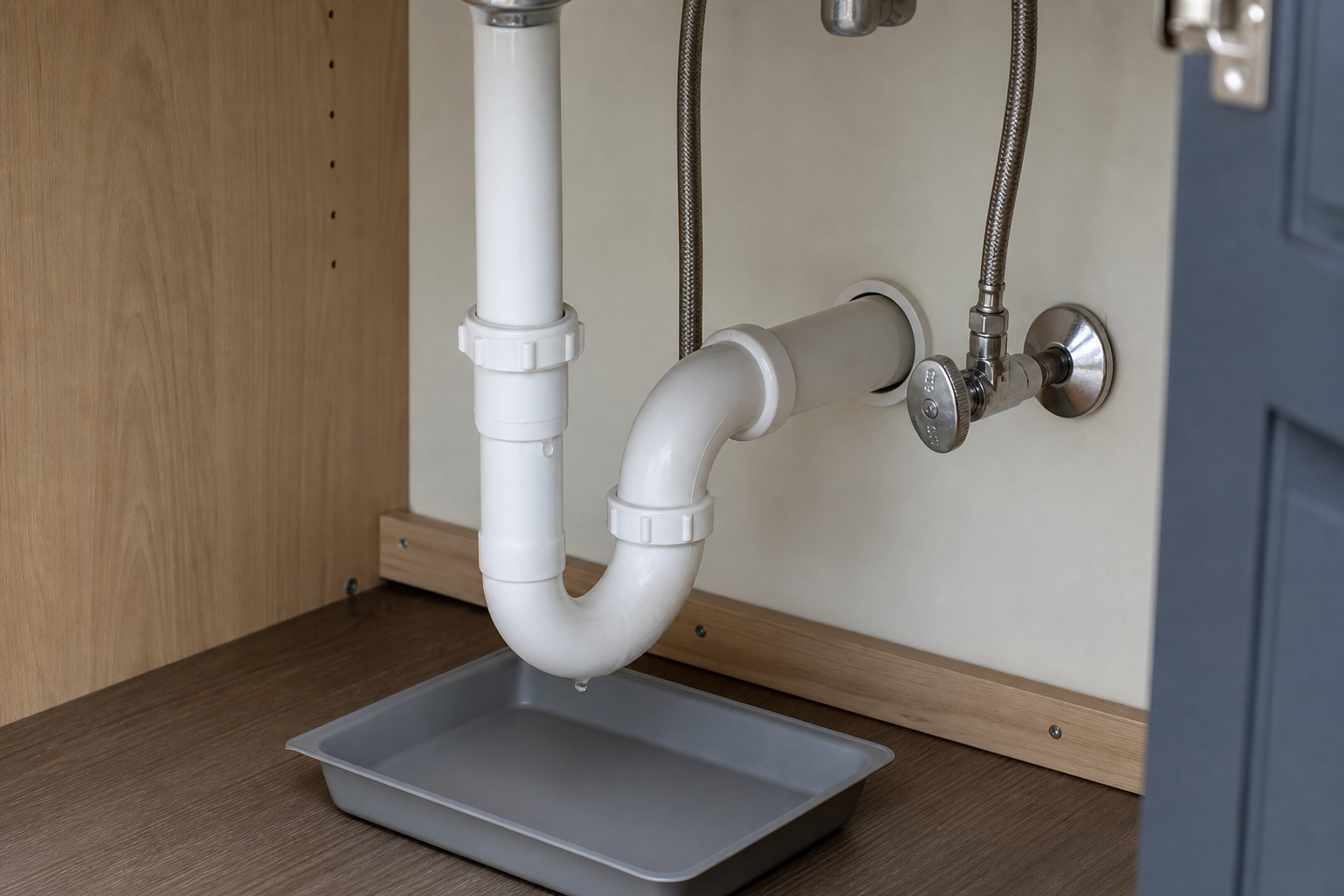
Start by deciding whether the restriction is in the stopper, trap, or wall arm. Edwards Aquifer water at roughly 357 mg/L, or 21 gpg, leaves scale on each of those surfaces, where soap, hair, and kitchen grease gain a foothold. A bathroom sink that drains normally after the pop-up is removed needs a different repair from two adjacent kitchen basins that back up together. That distinction keeps a small DIY job from becoming an unnecessary service call. That means a clog should be treated as hair, grease, food waste, and mineral scale working together, not as a simple one-cause blockage.
A homeowner in Stone Oak should be especially careful because 1990s and 2000s copper lines are a common place for pinhole leaks and scale-related fixture wear. If you are comparing advice from national repair guides, shorten the maintenance interval and inspect for white scale, crusted fittings, stiff shutoff valves, and early corrosion before assuming the part simply “got old.”
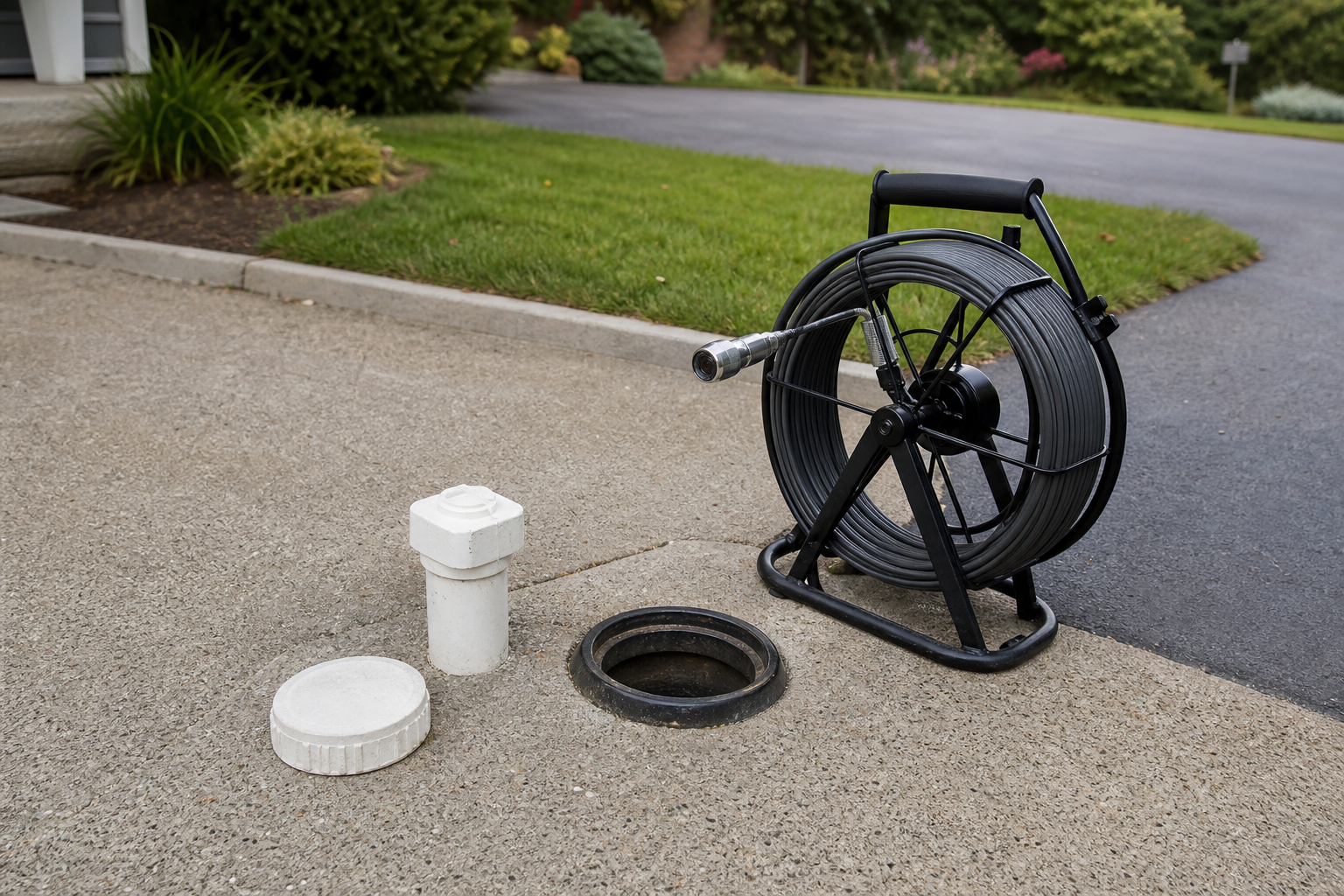
For budgeting, use local pricing instead of national averages: drain cleaning usually runs $150-$350, and a sewer camera inspection is commonly $200-$400. If the issue appears after a summer high-use period or after a rare freeze like Winter Storm Uri, treat it as a local risk signal and document what you see before calling a licensed plumber in Bexar County.
Clogged sinks can be one of the most frustrating issues for homeowners. Not only do they disrupt your daily routine, but they can also lead to more severe plumbing problems if not addressed promptly. This guide will help you understand the common causes of clogged sinks, provide safe and effective DIY solutions, and offer preventive measures to keep your drains clear.
Quick Answer
A clogged sink drain is often caused by the buildup of food particles, grease, soap scum, or hair. The first step is to ensure that you shut off the water supply to avoid further flooding. If water is backing up into your sink or if you notice a foul odor, it may indicate a more serious issue that requires immediate attention.
If you find that a simple fix doesn’t resolve the problem, it’s crucial to recognize when it’s time to call a professional plumber. Ignoring a clogged sink can lead to more severe plumbing issues, including potential water damage and mold growth.
Common Causes of Clogged Sink Drains
1. Food Particles and Grease
The most common culprit behind a clogged kitchen sink is the accumulation of food particles and grease. When you wash dishes, tiny bits of food can slip down the drain, combining with grease and forming a stubborn blockage. You may notice that your sink drains slowly, or water may pool in the basin.
2. Hair and Soap Scum
In bathroom sinks, hair and soap scum are often the main offenders. Hair can easily get trapped in the drain, especially if there’s a buildup of soap scum around it. This combination can create a dense clog that is difficult to remove. Symptoms include slow drainage and occasional gurgling noises.
3. Foreign Objects
Sometimes, foreign objects like small toys, jewelry, or even pieces of packaging can accidentally fall into the sink. These items can create immediate blockages, leading to water backup. If you hear a loud clunking noise when you run the water, it could be a sign of a foreign object lodged in the drain.
4. Pipe Issues
In some cases, the problem may lie deeper within your plumbing system. Old or damaged pipes can corrode, leading to blockages. Tree roots can also invade underground pipes, causing severe clogs. If you notice persistent drainage issues despite trying to clear the sink, it may be time for a professional assessment.
Safety First
Before starting any work on your clogged sink drain, it's essential to prioritize safety. Here are some key safety tips to follow:
- Shut Off Water Supply: Always turn off the water supply to the sink to prevent flooding while you work.
- Avoid Electrical Risks: If your sink is near electrical outlets or appliances, be cautious of water exposure. If water begins to overflow, turn off the electricity to the area.
- Watch for Sewage Exposure: If you notice sewage odors or backups, avoid contact with the water, as it may contain harmful bacteria.
- Stop DIY Work When Necessary: If you encounter flooding, sewage backup, a gas smell, or signs of hidden damage, stop immediately and call a licensed plumber.
Step-by-Step Homeowner Checks
1. Visual Inspection
Start with a visual inspection of the sink and surrounding areas. Look for signs of water pooling, leaks, or any visible clogs. Check the sink strainer or stopper for debris.
2. Identify the Source
Determine where the problem lies. Is the blockage in the sink itself, or is it further down the drain line? Running water in other sinks can help you identify if the issue is localized or systemic.
3. Non-Destructive Fixes
Try some simple, non-destructive fixes first. A plunger can be effective for loosening minor clogs. Ensure there's enough water in the sink to cover the plunger's cup, and plunge vigorously.
4. Monitor for Symptoms
After attempting a fix, monitor the sink for leaks, backups, or pressure changes. If symptoms persist, you may need to escalate your efforts.
5. Know When to Escalate Beyond DIYfessional
If you experience flooding, sewage backup, or any signs of gas or electrical risk, stop your DIY efforts immediately and contact a licensed plumber. They have the expertise and tools to handle complex plumbing issues safely.
Tools and Materials
Here are some essential tools and materials you may need for unclogging your sink drain:
- Plunger: Useful for dislodging minor clogs.
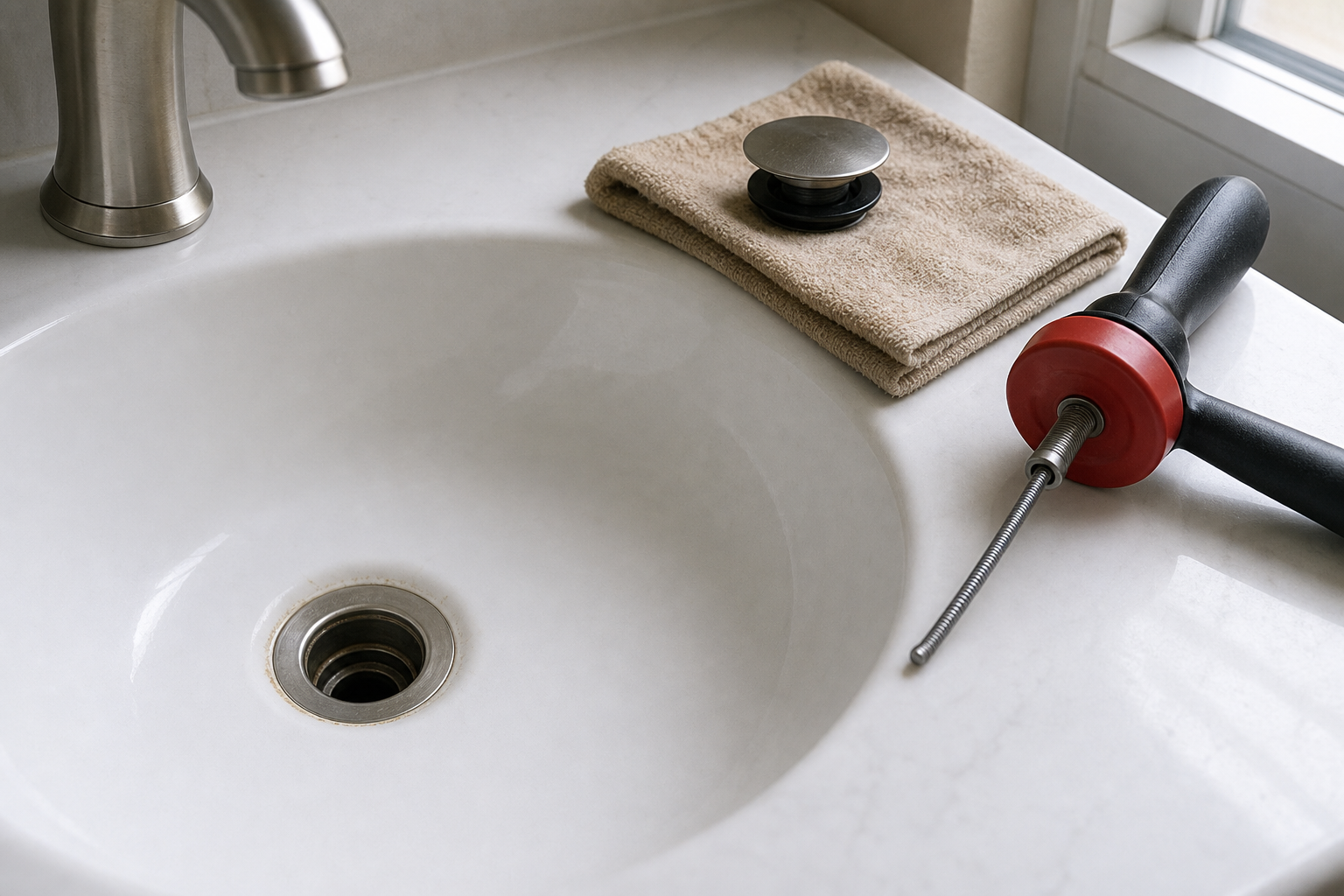
- Drain Snake: A flexible tool that can reach deeper clogs in the drain line.
- Baking Soda and Vinegar: A natural solution for breaking down minor clogs.
- Wet/Dry Vacuum: Effective for sucking out clogs if they are near the surface.
- Bucket: To catch any water that may spill during the process.
DIY Fixes That Are Usually Reasonable
There are several safe, low-risk actions you can take to unclog your sink drain:
1. Baking Soda and Vinegar
Pour half a cup of baking soda down the drain followed by half a cup of vinegar. Let it sit for about 30 minutes, then flush with hot water. This combination can help break down minor clogs.
2. Plunging
Use a plunger to dislodge the clog. Ensure the sink has enough water to cover the plunger’s cup, and push down firmly, then pull up quickly. Repeat several times if necessary.
3. Using a Drain Snake
If the clog persists, a drain snake can be your next best option. Insert the snake into the drain, twisting it as you go, until you feel resistance. This can help break up or remove the clog.
4. Wet/Dry Vacuum
If you have a wet/dry vacuum, you can use it to suck out the clog. Set it to liquid mode and place the hose over the drain, creating a seal to maximize suction.
When to Call a Plumber
While many clogs can be resolved with DIY methods, there are red flags that indicate it’s time to call a professional:
- Persistent Clogs: If your sink remains clogged after multiple attempts to clear it, a deeper issue may exist.
- Sewage Backup: If you notice sewage backing up into your sink, this is a serious health risk and requires immediate professional intervention.
- Flooding: Any signs of flooding should prompt you to call a plumber immediately.
- Gas Smell: If you detect a gas smell, turn off the gas supply and evacuate the area. Contact a professional immediately.
Prevention
Preventing clogged sinks is often easier than dealing with them after they occur. Here are some maintenance habits to adopt:
- Use a Sink Strainer: Install a strainer to catch food particles and hair, preventing them from going down the drain.
- Regular Cleaning: Clean your sink and drains regularly using a mixture of baking soda and vinegar to keep them clear.
- Avoid Pouring Grease: Never pour grease down the sink. Instead, collect it in a container and dispose of it in the trash.
- Run Hot Water: After washing dishes or using the sink, run hot water for a few moments to help flush away any lingering debris.
Cost and Time Expectations
The cost and time required to unclog a sink drain can vary significantly based on the severity of the clog and the methods used. Here are some general expectations:
- DIY Methods: Most DIY solutions can be performed for under $20 and usually take less than an hour.
- Professional Services: Hiring a plumber can cost anywhere from $100 to $300, depending on the complexity of the issue and local rates.
FAQ
What causes this problem?
Common causes include food particles, grease, hair, soap scum, and foreign objects lodged in the drain.
Can I fix it myself?
Yes, many clogs can be resolved with simple DIY methods like plunging, using a drain snake, or a baking soda and vinegar mixture.
How urgent is it?
If you’re experiencing slow drainage, it’s advisable to address the issue promptly. If there’s sewage backup or flooding, seek professional help immediately.
What should I avoid doing?
Avoid using chemical drain cleaners, as they can damage pipes and may not effectively resolve the clog.
Why This Is Different in San Antonio
San Antonio's Edwards Aquifer supplies some of the hardest municipal water in the United States: about 357 mg/L, or 21 grains per gallon. That limestone-filtered groundwater carries calcium carbonate and magnesium into our fixtures, valves, drains, heaters, and supply lines. For unclog sink drain, that matters because calcium scale roughens the inside of drains, so hair, grease, soap film, and food debris catch more aggressively than they do in soft-water cities.
- Scale buildup makes small restrictions worse, especially at cartridges, aerators, shutoff valves, drains, and heater connections.
- Fixtures, pipes, and appliances in our area can wear out 30-50% faster than in soft-water cities when maintenance is delayed.
- SAWS publishes annual water quality reports, but the practical homeowner takeaway is simple: maintenance intervals here should be shorter than national advice suggests.
Homes in Stone Oak are particularly affected because many 1990s-2000s homes have copper lines where hard-water scale and pinhole leaks show up sooner than owners expect. Unlike cities with naturally soft water, local homeowners should treat hard-water maintenance as normal prevention, not an upsell.
> "San Antonio drains do not just fight hair and grease. The mineral scale gives debris something to grab onto, so clogs become stubborn faster." — Licensed local plumber
What San Antonio Homeowners Pay (2026)
| Service | Typical Cost in San Antonio |
|---|---|
| Drain cleaning | $150–$350 |
| Sewer line camera inspection | $200–$400 |
| Emergency plumber call | $150–$350; after hours $250–$500 |
Prices are based on local metro area ranges for 2026. Costs may vary by neighborhood, access, pipe material, after-hours timing, and whether the plumber finds hard-water damage beyond the visible problem.
When to Call a San Antonio Plumber
Call a licensed local plumber if the problem involves active leaking, a shutoff valve that will not close, sewer smell, recurring clogs, water near electrical components, a water heater leak, or any pipe inside a wall, ceiling, or slab. Locally, expect many licensed plumbers to charge roughly $85-$150 per hour, with emergency visits commonly around $150-$350 and after-hours calls closer to $250-$500.
When you call, ask three local questions:
1. Are you licensed and insured for work in Bexar County or the surrounding local metro?
2. Have you dealt with Edwards Aquifer hard-water scale on this type of repair?
3. Should I also check the water heater, shutoff valves, or water softener while you are there?
local plumbers see hard-water issues every week, so a good pro should be able to explain whether the failure is normal wear, mineral damage, freeze damage from a cold snap like Winter Storm Uri, or a sign of a larger plumbing system problem.
San Antonio FAQ
Is San Antonio water hard?
Yes. San Antonio water is very hard at about 357 mg/L, or 21 grains per gallon, because much of it comes from the Edwards Aquifer and passes through limestone. That mineral content is why scale shows up quickly on faucets, showerheads, valves, drains, and water heaters.
Do Homes here need a water softener?
A water softener is recommended for many local homes, especially if you see white scale, repeated faucet or valve problems, short water-heater life, or cloudy spots on dishes. A typical whole-home water softener installation in San Antonio runs about $1,500-$4,000.