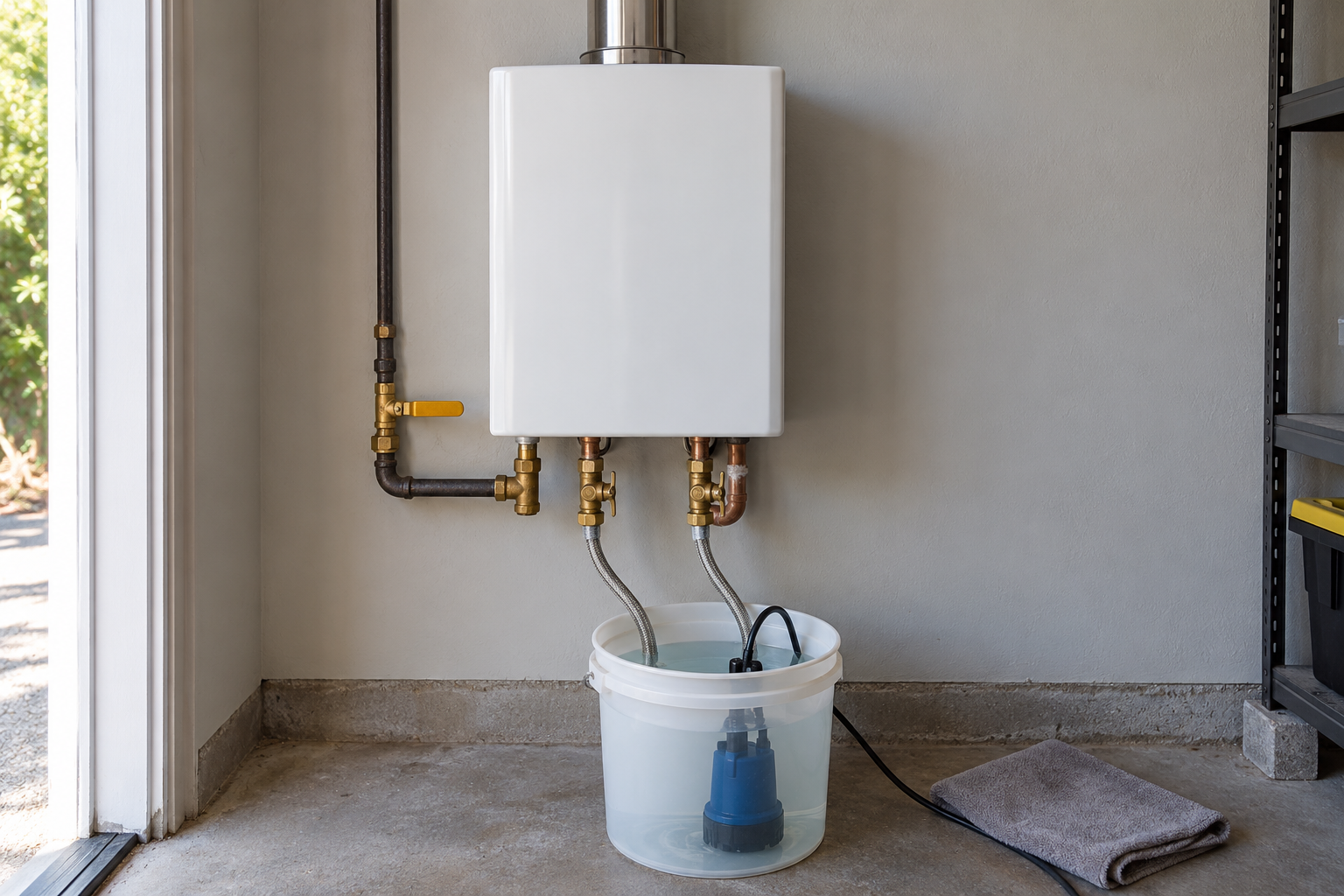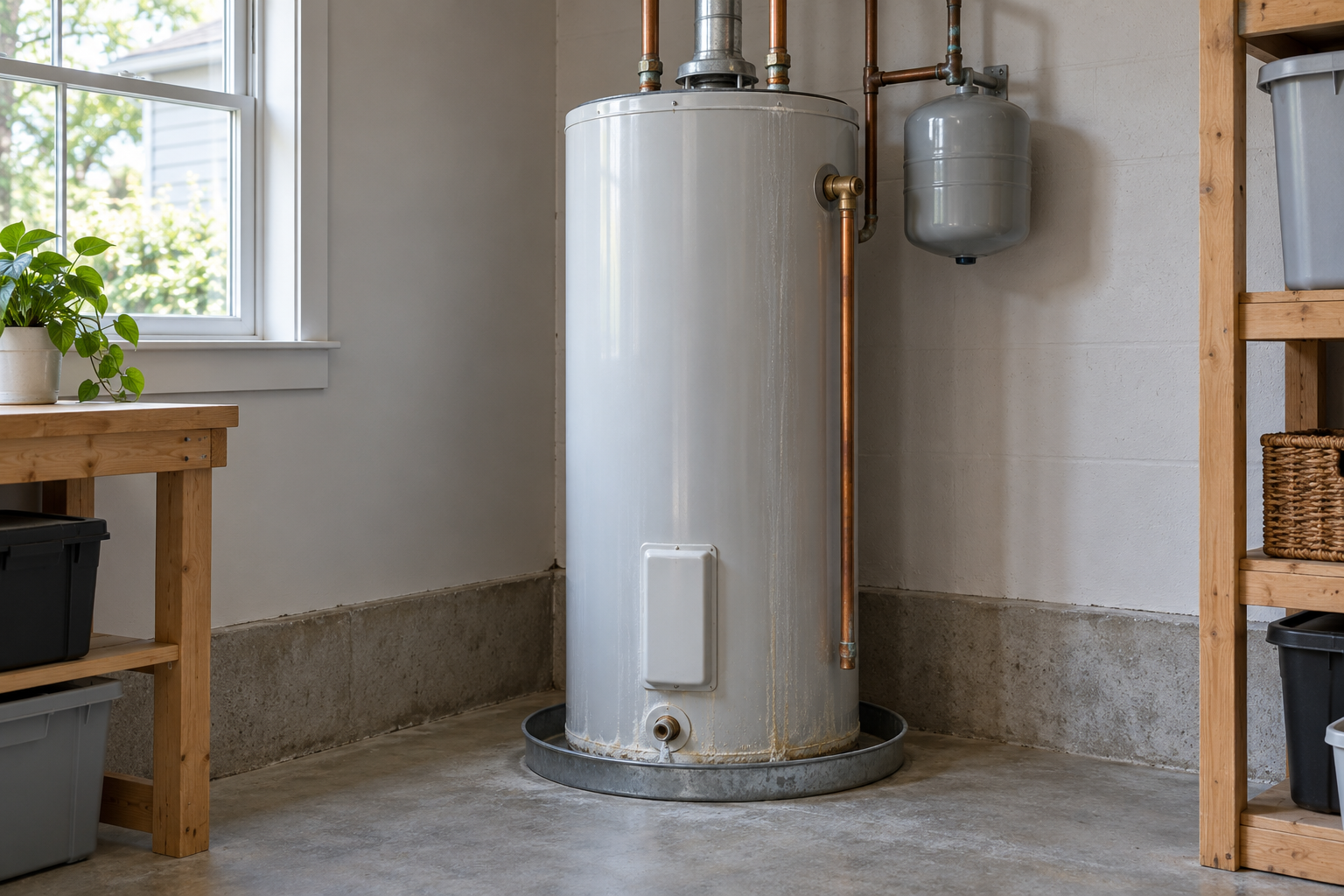
> San Antonio Local Insight: San Antonio's extremely hard water from the Edwards Aquifer (357 mg/L, 21 gpg) shortens water heater lifespan by 2–4 years. Sediment buildup forces heating elements to overwork, causes popping/rumbling noises, and leads to premature tank failure. Local plumbers recommend flushing every 6 months — double the national frequency.
Local San Antonio Field Notes Before You Start
Before following any generic plumbing checklist, adjust it for our Edwards Aquifer water. At roughly 357 mg/L, or 21 grains per gallon, the calcium carbonate and magnesium in the water can turn a small maintenance issue into repeat wear on valves, seals, drains, heaters, and appliance connections. That means the useful question is not just capacity or fuel type; it is how the unit will handle sediment, descaling, anode wear, and the six-month maintenance rhythm our water demands.
A homeowner in Stone Oak should be especially careful because 1990s and 2000s copper lines are a common place for pinhole leaks and scale-related fixture wear. If you are comparing advice from national repair guides, shorten the maintenance interval and inspect for white scale, crusted fittings, stiff shutoff valves, and early corrosion before assuming the part simply “got old.”
For budgeting, use local pricing instead of national averages: tank water-heater replacement runs about $1,200-$2,800 installed, while tankless replacement usually lands around $2,500-$5,500. If the issue appears after a summer high-use period or after a rare freeze like Winter Storm Uri, treat it as a local risk signal and document what you see before calling a licensed plumber in Bexar County.
A water heater that suddenly stops working can leave you wondering whether to call a plumber, electrician, HVAC technician, gas utility, or the water heater manufacturer. The right choice depends on the symptoms and whether the unit is powered by electricity, natural gas, propane, or a heat pump.
In most situations, call a licensed plumber or water heater repair company first. Plumbers can diagnose common problems involving heating elements, burners, thermostats, valves, water connections, sediment buildup, and tank failure. Call an electrician when the problem clearly involves damaged wiring, a repeatedly tripping breaker, or a faulty electrical circuit outside the appliance. If you smell gas, hear gas escaping, or suspect carbon monoxide, leave the area and call the gas utility or emergency services from a safe location.
Before scheduling service, complete a few safe checks. The results can help you identify the right professional, explain the problem accurately, and avoid paying for a visit caused by a simple control setting.
Start by Identifying the Type of Water Heater
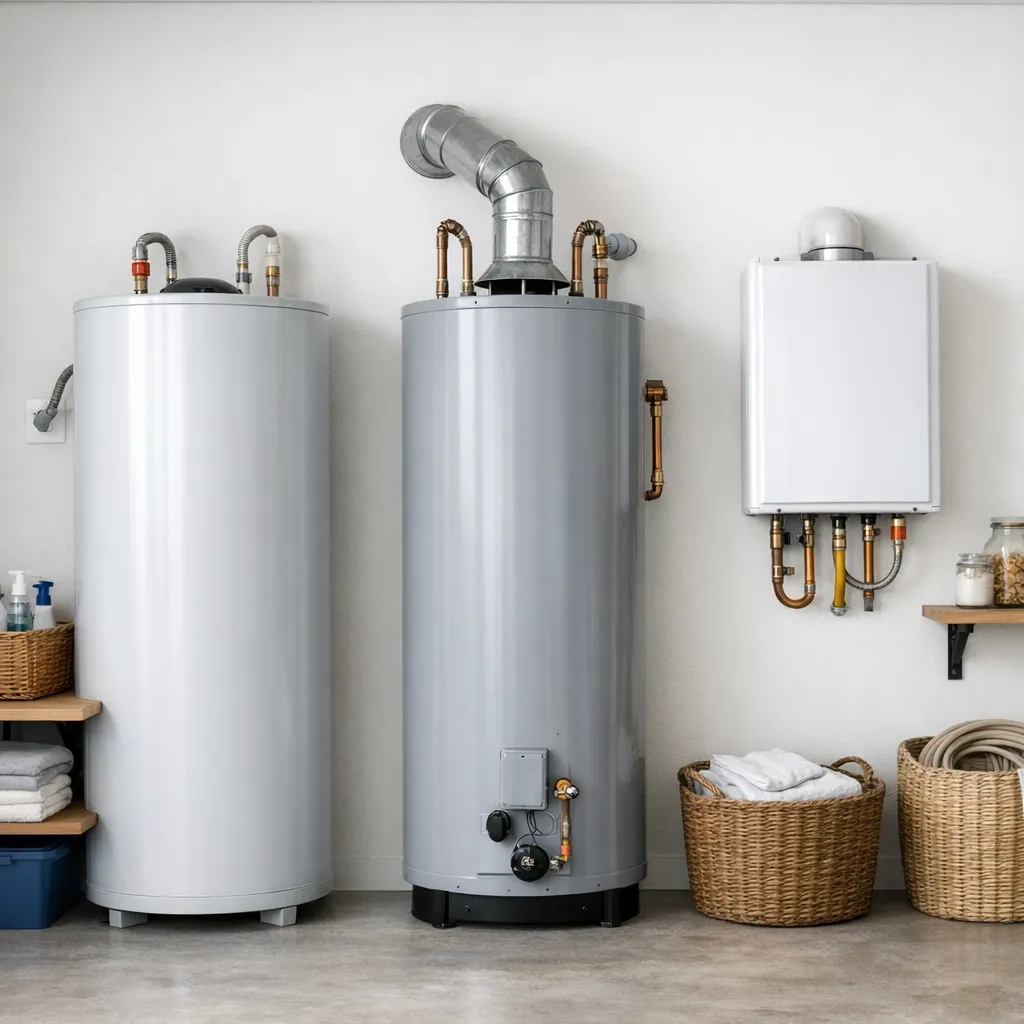
Look at the water heater itself rather than relying on assumptions about how the home is powered. An electric tank water heater usually has one or two rectangular access panels on its side and no metal exhaust vent above it. A gas-fired model generally has a gas supply line, burner compartment, and exhaust vent. A tankless unit is mounted on a wall, while a heat-pump water heater often has air vents or a fan assembly at the top.
This distinction matters because different systems have different failure points. An electric model may stop heating because of a tripped breaker, failed heating element, thermostat problem, or damaged wire. A gas model may have an ignition failure, dirty burner, gas-supply interruption, or venting problem. Tankless units can display error codes caused by ignition trouble, restricted water flow, scale buildup, or blocked intake and exhaust pipes. Write down the fuel type, brand, model number, approximate age, and any displayed error code before making a service call.
What to Check Before Calling Anyone
Begin by checking whether the problem affects every hot-water fixture. Run hot water briefly at a sink and shower, but do not let it run unattended. If only one fixture has poor temperature or flow, the water heater may not be responsible. A faulty faucet cartridge, clogged aerator, shower mixing valve, or crossed plumbing connection can make a local fixture seem as though it has no hot water. For example, a separate bathtub faucet leaking problem can waste hot water and reduce how long the tank appears to last.
Next, inspect the area around the heater without removing covers or touching exposed wiring. Check the temperature setting, visible control display, shutoff-valve position, and any error code. For an electric unit, look at the electrical panel to see whether the labeled breaker is tripped. For a gas unit, confirm only by observation that other gas appliances are operating; do not repeatedly attempt ignition or dismantle the burner. If the tank is leaking, turn off its water supply if you can reach the valve safely. If water is near wiring, electrical panels, or energized equipment, do not step into it or touch the heater.
Quick Reference: Who to Call for Each Symptom
The symptom is often more useful than the age or brand when deciding whom to contact. A plumber is the best general starting point for water-temperature problems, leaks, unusual tank noises, valve failures, and most tank or tankless repairs. An electrician is appropriate when the appliance is not receiving power or the problem appears to be in the home’s circuit rather than inside the heater. Gas and combustion warnings require a more urgent response.
Use the table as a routing guide, not as a substitute for an on-site diagnosis. Some failures overlap. A plumber may discover a damaged electrical supply that requires an electrician, while an electrician may confirm that power reaches the unit and refer the internal repair back to a plumber or manufacturer-authorized technician.
| Symptom | Best first call | Immediate action |
|---|---|---|
| No hot water from an electric heater | Licensed plumber or water heater technician | Check the breaker once; stop if it trips again |
| No hot water from a gas heater | Licensed plumber qualified for gas appliances | Note any error code; do not dismantle the burner |
| Water leaking from the tank or fittings | Licensed plumber | Close the water-supply valve if safe |
| Breaker repeatedly trips | Licensed electrician | Leave the breaker off |
| Burning smell, melted wire, or scorched panel | Electrician or emergency service | Shut off power only if safely accessible |
| Gas odor or hissing near a gas line | Gas utility or emergency services | Leave immediately; call from outside |
| Carbon monoxide alarm | Emergency services or fire department | Evacuate the building |
| Tankless error code | Manufacturer-authorized plumber or technician | Record the complete code before resetting |
| Unit still under warranty | Manufacturer or installer | Have the model and serial numbers ready |
When a Plumber Is the Right First Call
Call a licensed plumber when there is no hot water, the water is only lukewarm, recovery takes much longer than usual, the tank makes popping noises, a pressure-relief valve drips, or water appears around the unit. A plumber who regularly services water heaters can test heating elements, thermostats, thermocouples, ignition systems, valves, anode rods, and water pressure. The plumber can also determine whether a visible leak is coming from a replaceable connection or from a corroded tank that cannot be reliably repaired.
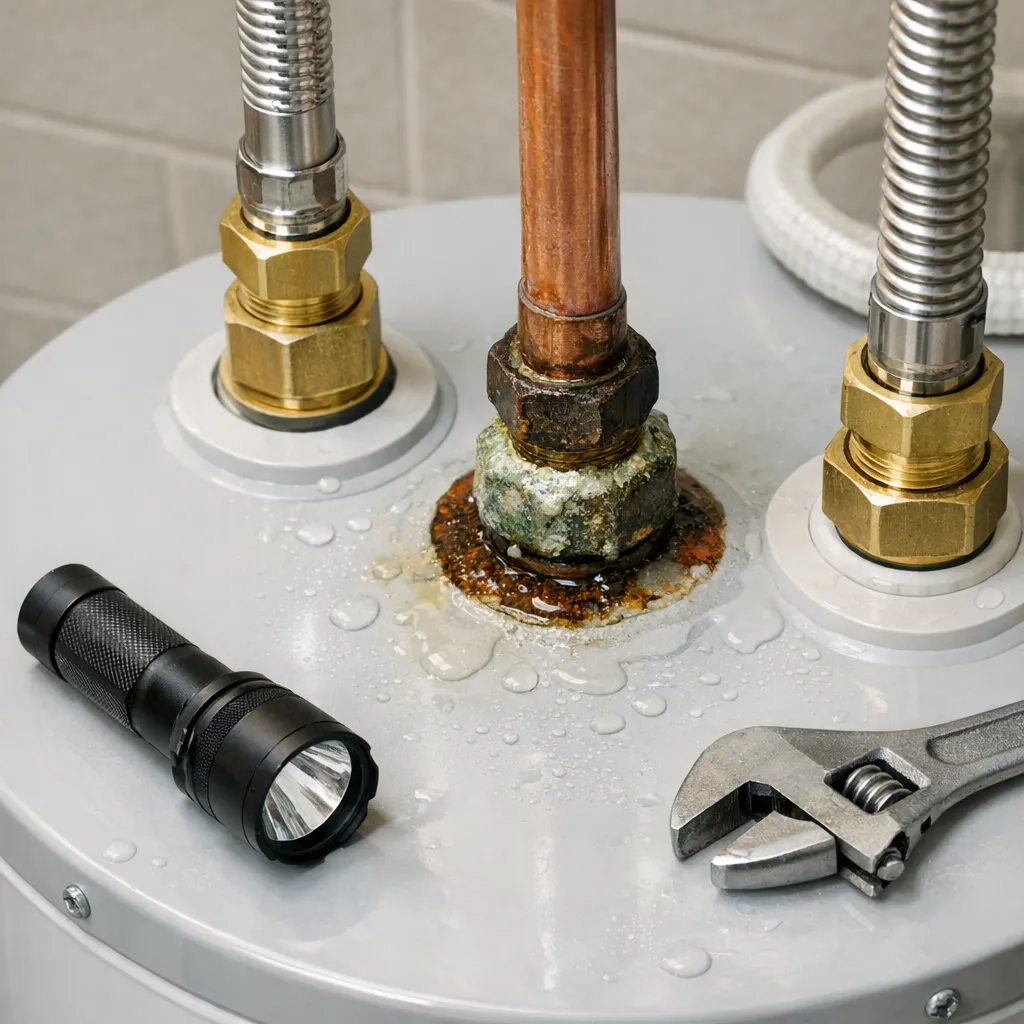
Leak location is especially important. Moisture at the top may come from a loose connection, corroded nipple, shutoff valve, or nearby pipe rather than the tank itself. This guide to a water heater leaking from the top explains the common sources. Water emerging through the tank body or from beneath an internally corroded tank usually means replacement is the safer option. Do not assume thread-seal tape can solve every leak; plumbing tape does not stop all leaks, especially when a valve, tank, gasket, or soldered joint has failed.
When to Call an Electrician
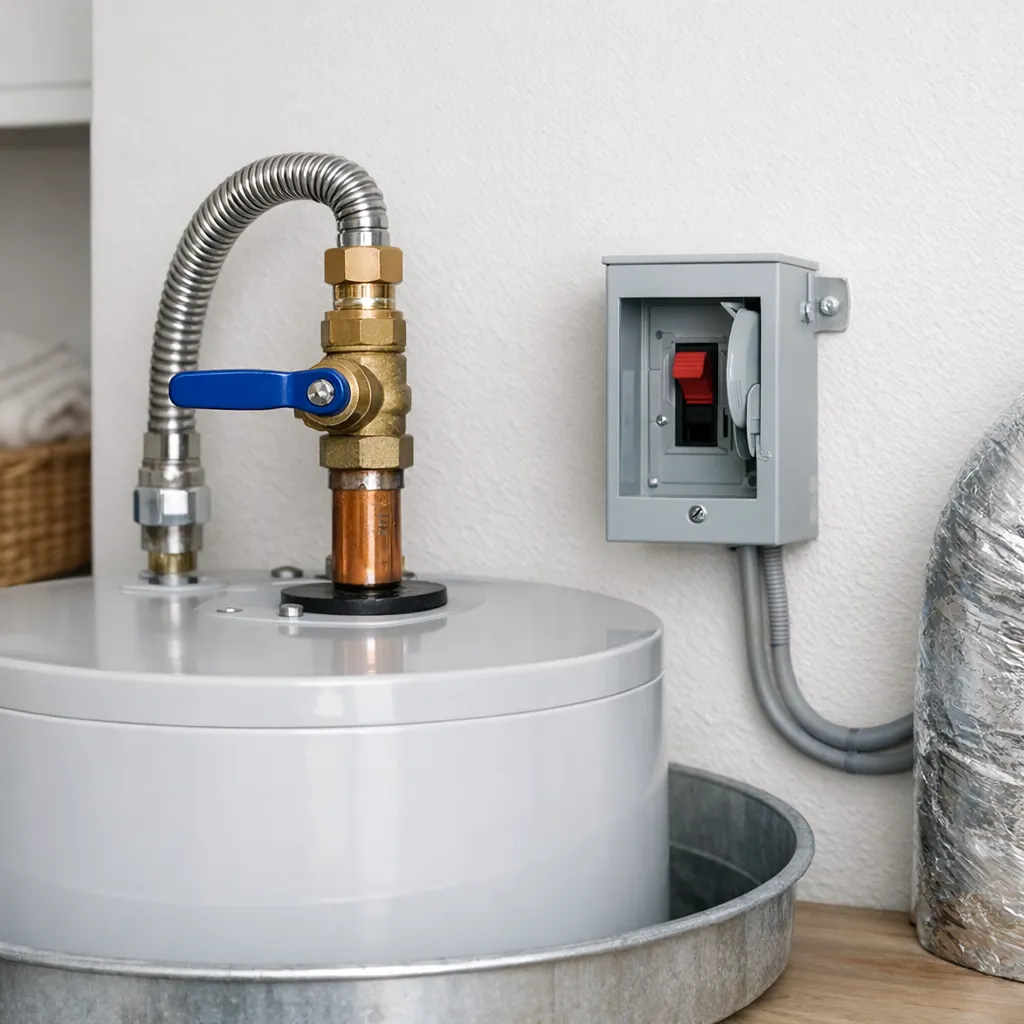
An electrician is the better first call when the water heater breaker will not remain on, the disconnect box is damaged, wiring smells hot, lights dim when the unit starts, or there are signs of arcing or melted insulation. Leave a repeatedly tripping breaker off. Resetting it again and again can energize a damaged circuit, overheat a loose connection, or conceal a serious fault. Never replace a breaker with one of a higher rating to keep it from tripping.
Electric water heaters use high-voltage circuits, and internal components can remain hazardous even when the unit appears inactive. Removing access panels and pressing a reset button may look simple in a tutorial, but it is not appropriate if you cannot positively disconnect and verify the power. A plumber with water-heater electrical training can often replace internal thermostats and elements. However, faults involving the breaker, branch-circuit wiring, disconnect, panel, or improper circuit sizing belong to a licensed electrician. If the heater was recently installed, the plumber and electrician may need to coordinate so that appliance and supply problems are separated correctly.
When to Contact the Gas Utility or Emergency Services
Treat a rotten-egg or sulfur-like gas odor, audible hissing at a gas line, sudden dizziness, soot around the burner, or a carbon monoxide alarm as a safety event rather than an ordinary repair request. Do not operate switches, use a flame, unplug equipment, or attempt to locate the leak. Get everyone out of the building, move away from the suspected area, and call the gas utility or emergency services from outside. Follow the instructions given by the dispatcher.
A gas water heater also needs safe combustion air and an unobstructed exhaust path. A disconnected vent, backdrafting, heavy soot, damaged flue, or repeated burner shutdown can create combustion hazards. Do not tape a vent joint with ordinary household tape, block an intake to stop a draft, or bypass a safety switch. Once the immediate hazard has been cleared by the appropriate emergency or utility personnel, a licensed plumber, gas fitter, or manufacturer-authorized technician can inspect and repair the appliance. Some jurisdictions require specific gas-fitting credentials, so ask whether the contractor is licensed for the fuel and equipment involved.
What Different Symptoms Usually Mean
No hot water at all often points to loss of power, failed ignition, a faulty thermostat, a burned-out heating element, or a control-system lockout. Lukewarm water may be caused by an incorrect temperature setting, one failed element in an electric tank, a broken dip tube, mineral buildup, a mixing-valve problem, or demand that exceeds the tank’s capacity. If the heater works but hot water runs out unusually quickly, note whether household usage has changed before assuming the appliance has failed.
Popping and rumbling sounds commonly suggest sediment or mineral buildup at the bottom of a tank, although noise alone does not confirm the diagnosis. Discolored hot water may come from corrosion, sediment, or plumbing elsewhere in the home. A rotten-egg odor present only in hot water can involve reactions in the tank, but it should not be confused with the odor of unburned fuel gas near the appliance. When calling for service, describe exactly what you see, hear, and smell, when the problem began, whether it affects all fixtures, and whether the heater displays a code. Clear observations help the technician bring suitable testing equipment and parts.
Safe Reset and Shutoff Boundaries
If an electric water heater’s breaker has tripped, you may reset it once by moving it fully to the off position and then back on—provided the electrical panel and surrounding floor are dry, there is no burning odor, and no wiring appears damaged. If it trips again, leave it off and call a professional. Do not open the heater’s electrical access panels merely to investigate. A reset that restores operation temporarily does not prove the underlying fault has disappeared.
For a leaking heater, close the cold-water supply valve above the tank if it is easy to identify, dry, intact, and safely accessible. If the valve is seized, do not force it with a long wrench because the pipe or valve body may break. If leakage is severe and the local valve cannot be operated, use the home’s main water shutoff if you know where it is and can reach it safely. Turn off electrical power to an electric heater before draining or when a serious leak threatens electrical components. For gas appliances, use only the clearly labeled appliance control if conditions are safe; any gas odor means evacuating rather than staying to operate valves.
Repair or Replace: How to Make the Decision
A repair is often reasonable when the tank is sound and the failed component is replaceable, such as a heating element, thermostat, igniter, thermocouple, valve, or control sensor. Replacement becomes more likely when the tank itself leaks, corrosion is extensive, several major components have failed, parts are unavailable, or the repair approaches a substantial portion of the price of a new system. Age matters, but it should not be the only deciding factor; installation condition, water quality, maintenance history, warranty coverage, and the precise failure all affect the choice.
Ask for a written diagnosis that separates repair cost from replacement cost. Replacement pricing may include the appliance, labor, permits, disposal, drain pan, expansion tank, vent changes, electrical work, gas-line corrections, and code-required upgrades. Our overview of water heater replacement cost can help you identify items that may appear in an estimate. Avoid choosing solely from a low headline price. An incomplete quote can become expensive when required venting, electrical, pressure-control, or permit work is added later.
Common Mistakes That Can Make the Problem Worse
One common mistake is assuming that a lack of hot water always means the tank has failed. A fixture-specific mixing problem, tripped circuit, interrupted fuel supply, or control lockout can produce similar symptoms. Another mistake is buying replacement parts based only on appearance. Elements, thermostats, valves, igniters, and control boards must match the heater’s model and electrical or fuel specifications. Installing a “close enough” component can damage the appliance or defeat a safety feature.
Homeowners should also avoid plugging a hardwired water heater into an extension cord, bypassing a thermal switch, capping a relief-valve discharge pipe, sealing combustion vents with unsuitable materials, or continuing to operate a leaking tank. The temperature and pressure relief valve is a critical safety device, not an inconvenient drain. Never plug it to stop dripping. Do not use chemical drain cleaners in a water heater, and do not drain a badly corroded tank without a plan for controlling hot water and sediment. If a step requires working on live wiring, opening the gas train, modifying a flue, or handling water hot enough to cause burns, stop and call a qualified professional.
Preparing for the Service Call
Before calling, gather the brand, model number, serial number, fuel type, tank capacity, approximate installation date, and warranty documents if available. Photograph the data plate, visible leak, piping arrangement, control display, and error code without moving equipment or opening hazardous compartments. Tell the dispatcher whether water is actively leaking, whether power is off, whether the gas utility has been contacted, and whether the home currently has no water or no hot water. This helps the company assign an appropriately qualified technician.
Ask whether the contractor is licensed and insured, works on your heater type, charges a diagnostic fee, applies that fee toward the repair, and can obtain manufacturer-specific parts. For a replacement quote, ask what is included: permit, disposal, installation materials, code upgrades, warranty registration, and cleanup. If the unit is under a labor or parts warranty, contact the original installer or manufacturer before authorizing non-emergency repairs. Unauthorized work may complicate coverage, although an active gas leak, electrical hazard, or major flood should always be addressed immediately.
Frequently Asked Questions
Should I call a plumber or electrician for an electric water heater?
Call a plumber or water heater repair specialist for most internal appliance problems, including failed elements, thermostats, valves, and leaks. Call an electrician when the breaker repeatedly trips, the circuit is damaged, the disconnect is faulty, or power is not reaching the heater correctly. Some water-heater companies employ technicians qualified to handle both the appliance and its electrical connections, so describe the symptoms when booking.
Who should I call if my gas water heater has no hot water?
A licensed plumber, gas fitter, or manufacturer-authorized water heater technician is usually appropriate for an ignition or burner problem. If you smell gas, hear hissing, see heavy soot, or a carbon monoxide alarm activates, do not schedule an ordinary repair while remaining inside. Evacuate and call the gas utility or emergency services from a safe location.
Is a leaking water heater an emergency?
A slow drip from a visible fitting needs prompt service, but an actively leaking tank can quickly damage floors, walls, and nearby electrical equipment. Shut off the heater’s water supply if it is safe, control the spread of water without approaching electrical hazards, and call a plumber. If water reaches wiring, a panel, or an outlet, stay clear and involve an electrician or emergency service as appropriate.
Can I reset my water heater myself?
You can check an accessible control display and may reset a tripped breaker once if the area is completely dry and there are no signs of electrical damage. Do not keep resetting a breaker that trips again. Avoid removing electrical covers or repeatedly cycling a gas ignition system. Error codes should be recorded before any reset because they can help identify the original fault.
How quickly should I arrange service?
Arrange same-day service for an active leak, repeated electrical shutdown, scorched wiring, unsafe venting, or loss of hot water in a household with urgent health needs. Gas odor and carbon monoxide alarms require immediate evacuation and an emergency or utility call, not a routine appointment. For nonhazardous temperature fluctuations, unusual noise, or slow recovery, schedule an inspection before the problem develops into a leak or total shutdown.
Why This Is Different in San Antonio
San Antonio homes receive very hard Edwards Aquifer water—about 357 mg/L, or 21 gpg. In a water heater, those minerals settle in a tank or plate onto a tankless heat exchanger. That can mimic an electrical or gas fault by causing slow recovery, rumbling, temperature swings, reduced flow, or high-limit shutdowns. SAWS can confirm utility-side interruptions, but it does not diagnose equipment inside the home.
In Stone Oak and other Bexar County neighborhoods with high-demand households, simultaneous showers can expose a marginal heating element or undersized tank. After a freeze such as Winter Storm Uri, inspect exposed piping and valves for splits before attempting a reset. A leak from the tank body is a replacement conversation; a tripped breaker, failed thermostat, dirty flame sensor, or closed gas valve may be repairable.
What San Antonio Homeowners Pay (2026)
| Water-heater service | Typical local range |
|---|---|
| Diagnostic/service call | $85–$250 |
| Thermostat, element, igniter, or valve repair | $200–$800 |
| Tank flush/descale | $150–$350 |
| Tank heater replacement | $1,200–$2,800 installed |
| Tankless replacement | $2,500–$5,500 installed |
Permit needs, venting, drain-pan work, access, code-required upgrades, and emergency timing affect the final bid. Get the failure and proposed repair in writing before approving a replacement.
When to Call a San Antonio Plumber
Call a licensed plumber for leaks, failed water valves, sediment problems, burner or tank faults, and most replacement work. Call a licensed electrician when the breaker, disconnect, wiring, or upstream circuit is clearly at fault. If you smell gas, hear escaping gas, or a carbon-monoxide alarm sounds, do not test the heater—leave the building and contact the gas utility or emergency services from outside.
A qualified Bexar County technician should identify the failed component rather than merely reset the unit. Mention recent power outages, freeze exposure, rumbling, discolored hot water, and whether every fixture or only one fixture is affected.
San Antonio FAQ
Who should I call first if there is no hot water?
For a leaking or normally powered heater, a plumber who services water heaters is usually the best first call. Use an electrician for a confirmed circuit fault and the gas utility for a suspected gas emergency.
Is popping or rumbling an emergency?
Turn the heater off and arrange service soon. The sound often points to sediment, but overheating, leaking, or a burning smell requires immediate shutdown and professional help.
Should I keep resetting the breaker?
No. One reset may be reasonable only if the manual permits it and there is no leak, odor, or damaged wiring. A second trip indicates a fault that needs diagnosis.