> San Antonio Local Insight: Pipe problems in San Antonio are driven by hard water corrosion from the Edwards Aquifer (357 mg/L). High calcium content eats through copper from inside, causes pinhole leaks, and builds deposits that restrict flow. local plumbers increasingly recommend PEX over copper for repiping because it resists mineral corrosion.
Local San Antonio Field Notes Before You Start
Before following any generic plumbing checklist, adjust it for our Edwards Aquifer water. At roughly 357 mg/L, or 21 grains per gallon, the calcium carbonate and magnesium in the water can turn a small maintenance issue into repeat wear on valves, seals, drains, heaters, and appliance connections. That means a visible drip may be the symptom, while the real risk is scale, corrosion, freeze stress, or an older pipe material failing behind the wall or under the slab.
A homeowner in Stone Oak should be especially careful because 1990s and 2000s copper lines are a common place for pinhole leaks and scale-related fixture wear. If you are comparing advice from national repair guides, shorten the maintenance interval and inspect for white scale, crusted fittings, stiff shutoff valves, and early corrosion before assuming the part simply “got old.”
For budgeting, use local pricing instead of national averages: emergency plumber calls often run $150-$350, after-hours visits $250-$500, and slab leak repair can reach $2,000-$5,000. If the issue appears after a summer high-use period or after a rare freeze like Winter Storm Uri, treat it as a local risk signal and document what you see before calling a licensed plumber in Bexar County.
When it comes to maintaining the integrity of your home, understanding the costs associated with a whole house repipe is crucial. This guide will walk you through the factors affecting repipe costs, common issues that necessitate repiping, and the steps you should take to make informed decisions. Whether you're facing persistent leaks, low water pressure, or outdated plumbing materials, knowing the financial implications will empower you to take the right next steps.
Why Whole House Repiping Matters
A whole house repipe involves replacing old or damaged plumbing pipes throughout your home. This is not merely a cosmetic upgrade; it addresses serious issues that can lead to water damage, mold growth, and costly repairs if left unaddressed. The average cost of a whole house repipe can range from $4,000 to $15,000, depending on various factors such as the size of your home, the type of materials used, and labor costs in your area.
Understanding these costs is essential for homeowners who want to avoid unexpected expenses down the line. By being proactive, you can ensure that your plumbing system is reliable and efficient, ultimately saving you money in the long run.
What to Check First
Before diving into the costs and logistics of a whole house repipe, it’s essential to assess your current plumbing situation. Here are some key factors to consider:
1. Age of Your Plumbing System
The age of your plumbing system is a significant indicator of whether you may need a repipe. Homes built before the 1970s often have galvanized steel or lead pipes, which can corrode and leach harmful substances into your water supply. If your home is older and you’ve noticed signs of wear, it’s worth investigating a repipe.
2. Signs of Plumbing Issues
Look for signs that your plumbing may be failing. Common indicators include:
- Frequent leaks or water damage
- Low water pressure
- Discolored water
- Unpleasant odors from your faucets
- Mold growth in areas near plumbing fixtures
If you notice any of these signs, it’s essential to consult a plumbing professional for a thorough assessment.
3. Water Quality
If you’ve been experiencing issues with water quality, such as discoloration or an unusual taste, it might be time to consider repiping. Old pipes can harbor rust and other contaminants that affect your water supply. Testing your water quality can provide insights into whether a repipe is necessary.
Planning a Whole-House Repipe
Once you've established that a whole house repipe is necessary, you can begin planning the project. Here are the steps to follow:
1. Choose the Right Material
The first decision you'll need to make is the type of piping material to use. The most common options include:
- Copper Pipes: Known for their durability and resistance to corrosion, copper pipes typically cost between $2.50 and $5.00 per linear foot. However, they can be more expensive due to labor costs and installation complexity.
- PVC Pipes: Polyvinyl chloride (PVC) is a cost-effective option, usually priced at $0.50 to $2.00 per linear foot. PVC is lightweight and easy to install, making it a popular choice for many homeowners.
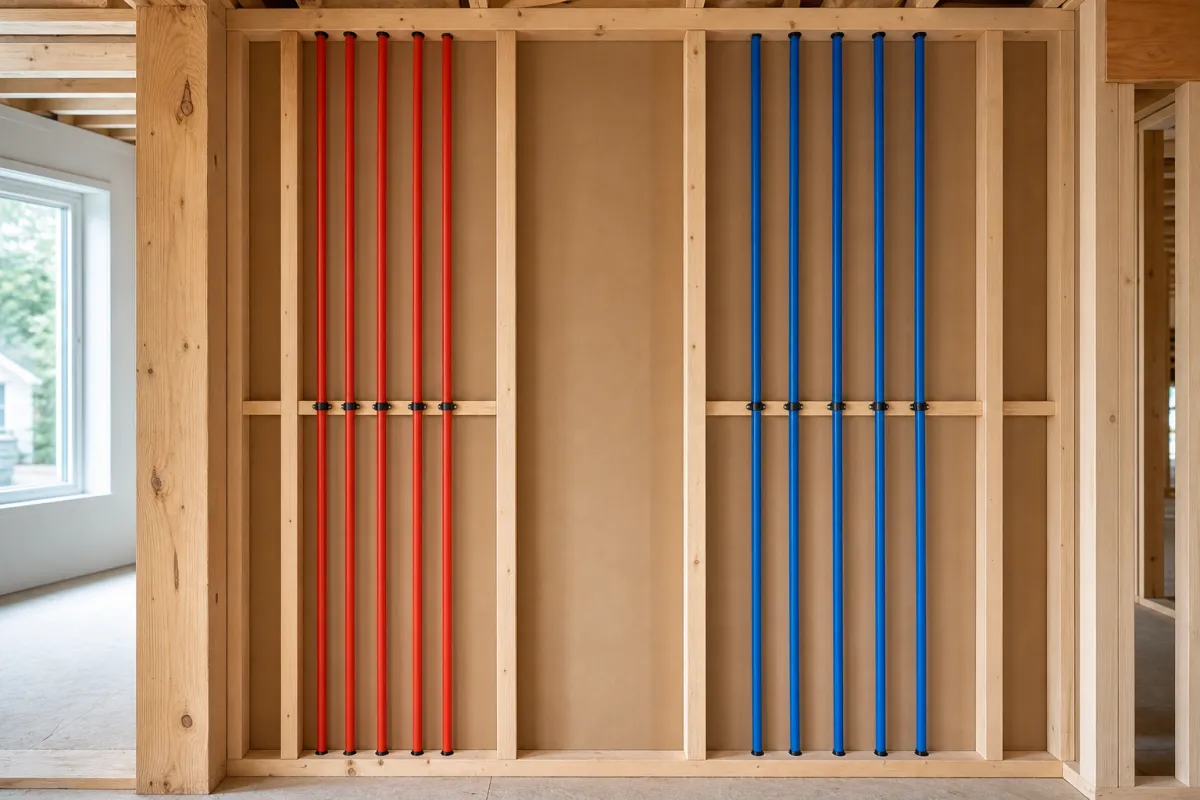
- PEX Pipes: Cross-linked polyethylene (PEX) is becoming increasingly popular due to its flexibility and resistance to freezing. Costs range from $0.50 to $2.00 per linear foot, making it a budget-friendly option.
2. Get Multiple Quotes
Before committing to a contractor, it’s wise to obtain multiple quotes. This not only gives you a better understanding of the market rate but also allows you to gauge the professionalism and expertise of different plumbing companies. Ensure that each quote includes a detailed breakdown of labor and material costs.
3. Plan for Disruption
A whole house repipe is a significant undertaking that can disrupt your daily life. Plan accordingly by:
- Setting up temporary living arrangements if necessary
- Informing your family and neighbors about the work being done
- Preparing for potential water service interruptions
4. Consider Additional Upgrades
While you’re repiping, it may be a good time to consider upgrading other plumbing fixtures, such as faucets, toilets, and water heaters. This can ensure that your entire plumbing system is modern and efficient, potentially saving you money on utilities.
Common Mistakes to Avoid
While planning your whole house repipe, be aware of common pitfalls that can lead to unnecessary costs or complications:
1. Underestimating Costs
Many homeowners underestimate the total costs involved in a repipe. Be sure to factor in not only the price of materials but also labor and any potential permits required by your permitting authority.
2. Ignoring Local Codes
Each municipality has specific plumbing codes that must be followed. Failing to adhere to these regulations can result in fines or the need for costly rework. Always check with your applicable permitting office before beginning your project.
3. Overlooking Future Needs
While it may be tempting to go with the cheapest materials, consider the long-term implications. Opting for higher-quality materials may save you money on repairs and replacements in the future.
4. DIY Risks
While some homeowners may feel inclined to tackle a repipe themselves, it's essential to recognize the risks involved. Plumbing work often requires specialized knowledge and tools. Mistakes can lead to significant water damage, structural issues, or health hazards. If you're unsure, it's best to call a professional.
When DIY Must Stop
Knowing when to involve a professional is crucial for ensuring a safe and effective repipe:
1. Complex Plumbing Systems
If your home has a complex plumbing layout, such as multiple levels or extensive branching, it’s advisable to consult a plumbing professional. They can assess the system and provide tailored solutions.
2. Code Compliance
Certain plumbing work requires permits and must adhere to Bexar County and municipal requirements. A licensed plumber will ensure that the work meets all necessary regulations, helping you avoid future complications.
3. Safety Concerns
If you encounter electrical or gas lines during your repipe, it’s critical to call a professional. These systems can pose serious safety risks if not handled correctly.
4. Hidden Damage
If you suspect hidden damage, such as mold or structural issues, a professional plumber can conduct a thorough inspection and recommend appropriate remediation.
FAQ
1. How long does a whole house repipe take?
The duration of a whole house repipe can vary based on the size of the home and the complexity of the plumbing system. Typically, it can take anywhere from three days to a week.
2. Can I finance a whole house repipe?
Many plumbing companies offer financing options for large projects like repiping. Be sure to inquire about available plans when getting quotes.
3. Will repiping increase my home’s value?
Yes, a new plumbing system can enhance your home’s value and appeal to potential buyers. It provides peace of mind regarding plumbing issues.
4. How do I maintain my new plumbing system?
Regular maintenance, such as checking for leaks and ensuring proper drainage, can extend the life of your new plumbing system. Consider scheduling annual inspections with a plumbing professional.
5. What happens if I don’t repipe?
Failing to address plumbing issues can lead to severe water damage, mold growth, and costly repairs. It’s crucial to be proactive in maintaining your plumbing system.
Quick Reference Checklist for Whole House Repiping
| Step | Action Item |
|---|---|
| Assess Current Plumbing | Check for age, leaks, and water quality |
| Choose Material | Decide between copper, PVC, or PEX |
| Get Multiple Quotes | Collect at least three contractor estimates |
| Plan for Disruption | Prepare your household for potential inconveniences |
| Consider Upgrades | Evaluate other plumbing fixtures for replacement |
| a safer next step | Ensure compliance with local plumbing regulations |
| Involve Professionals When Needed | Consult a plumber for complex issues or safety concerns |
Understanding the costs and logistics of a whole house repipe can seem overwhelming, but with the right information and planning, you can navigate the process effectively. By assessing your current plumbing, getting multiple quotes, and knowing when to involve professionals, you can ensure a successful repipe that will serve your home for years to come.
Why This Is Different in San Antonio
A repipe estimate here must account for slab foundations and Edwards Aquifer water at roughly 357 mg/L, or 21 gpg. Mineral scale does not automatically condemn every pipe, but repeated pinholes, restricted branches, and failing shutoffs can make whole-system replacement more economical than serial patches. Stone Oak homes from the 1990s and 2000s often have copper routed through or below slabs, so a PEX reroute through walls and attic spaces may reduce demolition when designed and insulated correctly.
Ask the contractor to map every fixture, hose bib, heater connection, manifold, and abandoned line. SAWS pressure at the meter, the pressure-reducing valve, and thermal expansion control should be checked before new piping is blamed for an old pressure problem. Winter Storm Uri showed why attic routing needs proper placement and insulation rather than a casual shortcut. Permit and inspection responsibility should be explicit for work in Bexar County and the applicable municipality.
What San Antonio Homeowners Pay (2026)
| Repipe scope | Typical local range |
|---|---|
| Small branch replacement | $800–$2,500 |
| Whole-house PEX repipe | $4,500–$9,000 |
| Whole-house copper repipe | $7,000–$15,000+ |
| Leak detection before design | $250–$500 |
| Drywall and paint restoration | $1,000–$5,000+ |
House size, fixture count, access, pipe route, permit work, and finish restoration matter more than raw pipe price. Compare bids that count the same fixtures and include the same wall repair.
When to Call a San Antonio Plumber
A whole-house repipe is licensed, permitted work rather than a homeowner project. Call urgently for an active concealed leak, falling pressure with meter movement, hot flooring, or water near electrical equipment. For planned work, obtain a documented diagnosis and at least two equivalent scopes. Ask why repair is no longer economical, which lines will be abandoned, and how the new system will be pressure-tested.
DIY can help with preparation: inventory fixtures, photograph prior repairs, clear access, and decide which walls may be opened. Do not cut pressurized pipe, reroute lines through structural members, or place PEX in an unprotected hot attic zone.
San Antonio Repipe FAQ
Is PEX always better than copper here?
No. PEX resists mineral corrosion and can simplify routing, while copper offers rigidity and a long record when water chemistry and installation are suitable. Design, workmanship, UV protection, support, and freeze protection matter.
Will a softener eliminate repipe risk?
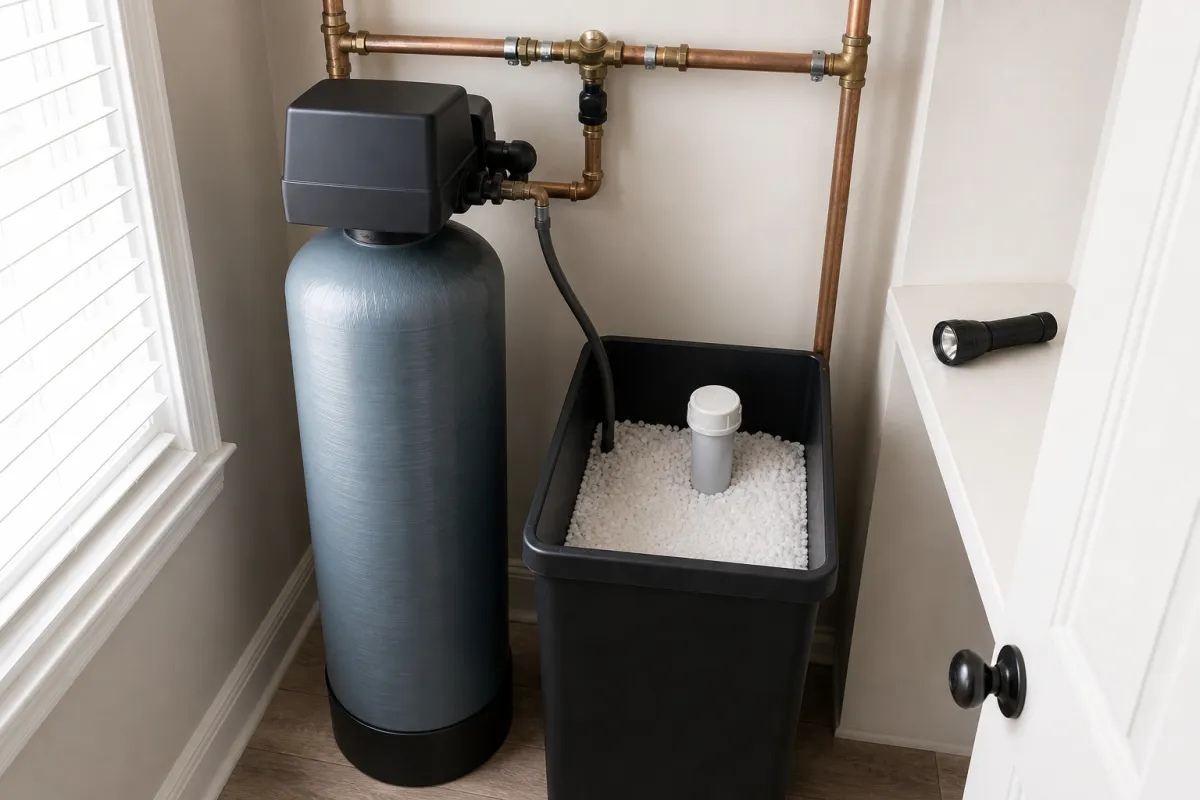
It can reduce scale after correct sizing and maintenance, but it cannot reverse thinning, bad joints, high pressure, or prior freeze damage.
How long will the water be off?
Many projects restore service in phases and take several working days. The contract should state daily shutdown windows, inspection timing, and whether temporary service is provided.