> San Antonio Local Insight: Drain clogs in San Antonio are different from other cities. Our Edwards Aquifer water carries extremely high calcium and magnesium levels (357 mg/L), which deposit white mineral scale inside your pipes. This scale catches hair, soap, and grease more easily — creating harder, more stubborn clogs that standard drain cleaners often can't dissolve. That's why local homes need different unclogging methods than what you'll find in generic guides.
Local San Antonio Field Notes Before You Start
Before following any generic plumbing checklist, adjust it for our Edwards Aquifer water. At roughly 357 mg/L, or 21 grains per gallon, the calcium carbonate and magnesium in the water can turn a small maintenance issue into repeat wear on valves, seals, drains, heaters, and appliance connections. That means a clog should be treated as hair, grease, food waste, and mineral scale working together, not as a simple one-cause blockage.
A homeowner in King William should be especially careful because historic cast iron, galvanized pipe, and tight retrofit spaces change what a safe repair looks like. If you are comparing advice from national repair guides, shorten the maintenance interval and inspect for white scale, crusted fittings, stiff shutoff valves, and early corrosion before assuming the part simply “got old.”
For budgeting, use local pricing instead of national averages: drain cleaning usually runs $150-$350, and a sewer camera inspection is commonly $200-$400. If the issue appears after a summer high-use period or after a rare freeze like Winter Storm Uri, treat it as a local risk signal and document what you see before calling a licensed plumber in Bexar County.
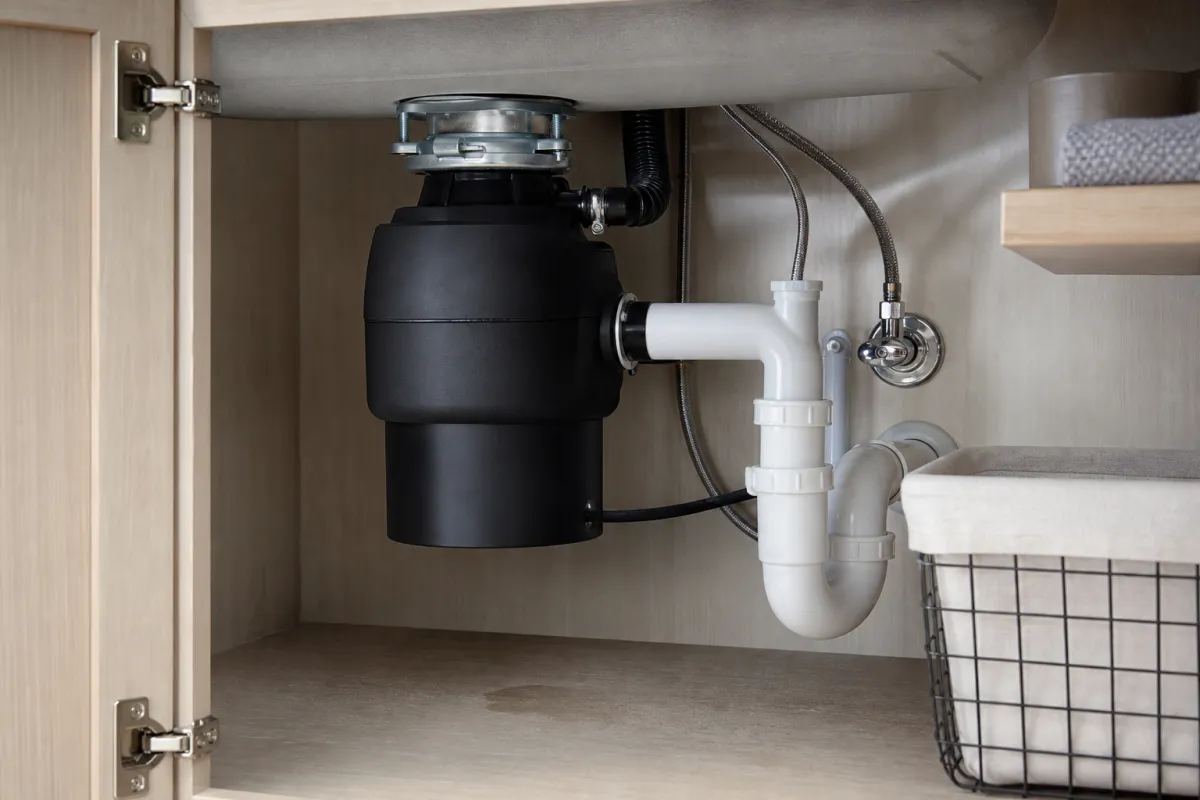
A clogged garbage disposal is one of those frustrating kitchen problems that can quickly disrupt your routine and cause unpleasant odors, leaks, or even water damage. Fortunately, many common causes of a clogged disposal are manageable with safe, step-by-step homeowner checks and simple fixes. However, knowing when to stop DIY and call a professional plumber is critical to avoid electrical hazards, sewage exposure, or hidden damage.
This guide will walk you through understanding why your garbage disposal might be clogged, how to safely diagnose and clear the problem, and what maintenance habits help prevent future blockages. Whether you’re dealing with a slow drain, a grinding noise, or a complete jam, you’ll learn practical, safe solutions tailored for homeowners.
Quick Answer: What To Do When Your Garbage Disposal Is Clogged
A clogged garbage disposal usually results from food debris buildup, foreign objects, or improper items being put down the drain. The immediate step is to turn off the disposal and cut power at the circuit breaker to avoid injury or electrical shock when inspecting or working on the unit.
If the disposal is humming but not grinding, or if water is backing up into the sink, you can try manual jamming removal and basic clearing techniques. (sink leaking underneath) (leak under kitchen sink) However, stop all attempts if you notice leaks under the sink, sewage smell, or signs of water damage, as these require professional plumbing intervention.
In urgent cases—such as persistent water backups, foul odors indicating possible sewage issues, or electrical sparking—call a licensed plumber promptly to prevent costly damage or health risks.
How a Disposal Clog Develops Here
In a King William kitchen, the stoppage is rarely just one unlucky food scrap. Grease cools in the branch drain, starch swells, and Edwards Aquifer scale leaves a rough surface that catches both. A humming disposal points toward a jam in the grinding chamber; a unit that spins while the basin stays full points farther downstream. If the dishwasher also backs up, stop running both appliances until you identify the shared restriction.
A basic homeowner clearing attempt costs little beyond a $10–$25 disposal wrench or sink plunger. That is worth trying once, with the power physically disconnected. Repeated resets are not a repair: they can overheat the motor and turn a drain problem into a disposal replacement.
Common Causes of a Clogged Garbage Disposal
Understanding what causes the clog helps you identify the right fix. Here are the most frequent culprits, starting from the simplest to more serious:
1. Food Debris Build-Up
Grease, fibrous vegetables (like celery or corn husks), coffee grounds, or starchy foods (potato peels, rice) can accumulate and stick to the disposal blades or drain pipes, causing slow drainage or jams. (what happens when pipes burst)
Symptoms: Slow draining sink, gurgling sounds, or occasional clogging.
2. Foreign Objects Jammed in Blades
Small bones, fruit pits, utensils, or large pieces of food can get caught in the disposal’s grinding chamber.
Symptoms: Disposal hums without grinding, a stuck grinding plate, or unusual noises.
3. Improper Use or Overloading
Running the disposal without water, putting large amounts of food at once, or disposing of inappropriate items like grease, oil, or fibrous materials can cause clogs.
Symptoms: Immediate clog after heavy use, foul odors, or repeated jams.
4. Plumbing Drain Clogs Beyond the Disposal
Sometimes the clog isn’t in the disposal but in the drain pipes—trapped food debris or grease can cause blockages downstream.
Symptoms: Water backing up into the sink or dishwasher, slow drainage even when disposal is off.
5. Mechanical or Electrical Failure
If the disposal motor is burnt out or the reset button won’t work, the unit may not be functioning properly.
Symptoms: No sound when switched on, no grinding, or frequent tripping of circuit breakers.
Safety First: Essential Precautions Before You Start
Garbage disposals combine sharp blades, electrical components, and plumbing connections, so safety is paramount.
- Always disconnect power before working on the disposal. Either unplug it or turn off the circuit breaker to the kitchen outlet.
- Do not put your hand inside the disposal. Use tools like pliers or an Allen wrench instead.
- Shut off the cold water supply to avoid flooding. If you notice leaks, stop and call a professional.
- Avoid chemical drain cleaners. These can damage the disposal and pipes, and pose health hazards.
- Watch for signs of sewage backup or gas smell. These are emergencies requiring immediate professional help.
- Stop DIY if you encounter electrical sparking, persistent leaks, or if you cannot locate the clog.
Step-by-Step Homeowner Checks for a Clogged Garbage Disposal
1. Visual Inspection
- Look under the sink for leaks or water pooling.
- Check if the disposal is plugged in or if the circuit breaker tripped.
- Inspect the sink drain and dishwasher connection for blockages or damage.
2. Confirm Where the Problem Starts
- Run water and turn on the disposal. Listen for humming (motor jammed) or silence (no power).
- If water backs up into the sink or dishwasher, the clog may be in the drain pipe rather than the disposal.
3. Try Simple, Non-Destructive Fixes
- Reset the disposal: Press the red reset button underneath the unit.
- Manually free the jam: Insert an Allen wrench into the disposal’s bottom hex socket and turn it to free stuck blades.
- Use pliers or tongs: Remove visible objects from the grinding chamber.
- Flush with cold water: Run cold water for 15 seconds before, during, and after use to help clear debris.
4. Watch for Warning Signs
- Persistent leaks under the sink.
- Recurring clogs after basic fixes.
- Gurgling sounds from other drains.
- Foul odors indicating trapped food or sewage.
5. When to Stop and Call a Licensed Plumber
- If there is active flooding or water damage.
- If you detect sewage smells or backup.
- If the disposal trips the breaker repeatedly or sparks.
- If you cannot clear the clog with manual methods.
- If you suspect pipe damage or code violations.
Tools and Materials You’ll Need
- Allen wrench (usually 1/4 inch): To manually turn the disposal’s grinding plate.
- Pliers or tongs: To safely remove objects inside the disposal.
- Flashlight: For inspecting inside the disposal and under the sink.
- Bucket and towels: To catch water during inspection or minor leaks.
- Plunger: For minor drain clogs downstream.
- Rubber gloves: Protect your hands from grime and sharp edges.
- Pipe wrench or adjustable wrench: For loosening drain trap connections if needed.
Avoid using chemical drain cleaners or metal tools that might damage the disposal.
DIY Fixes That Are Usually Safe and Effective
- Resetting the disposal: Many jams can be cleared by pressing the reset button.
- Manual blade freeing: Using the hex wrench to rotate the grinding plate.
- Removing visible debris: Using pliers to fish out stuck items.
- Flushing with cold water: To prevent grease and starch buildup.
- Plunging the drain: To clear minor clogs beyond the disposal.
Do not:
- Insert your hand or fingers inside the disposal.
- Use chemical drain cleaners or drain snakes without professional guidance.
- Attempt electrical repairs without proper knowledge.
Red Flags That End a DIY Repair
Some problems require professional expertise:
- Persistent or worsening clogs despite all safe DIY attempts.
- Signs of water leaks or damage under the sink.
- Sewage backup or foul sewer odors.
- Electrical issues such as sparking or breaker trips.
- Complex plumbing work, pipe replacement, or installation upgrades.
- If your disposal is old and repeatedly malfunctioning, a plumber can advise on repair versus replacement.
Hiring a plumber early can save money by preventing water damage or electrical hazards.
Prevention for a Hard-Water Kitchen
SAWS water at about 357 mg/L (21 gpg) does not mean every disposal will clog, but it does reward better habits. Scrape grease and fibrous scraps into the trash, feed small amounts with cold water, and let the water run after grinding. In San Antonio, inspect the rubber baffle and trap for chalky residue every few months rather than waiting for a complete backup.
- Run cold water continuously while using the disposal and for 15 seconds afterward.
- Avoid disposing of fibrous, starchy, or greasy foods such as celery, potato peels, coffee grounds, or cooking oils.
- Cut large food scraps into smaller pieces before disposal.
- Do not overload the disposal—feed food gradually.
- Regularly flush the disposal with cold water and occasionally grind ice cubes and citrus peels to clean blades and remove odors.
- Use baking soda and vinegar monthly to naturally deodorize and clear minor buildup.
- Inspect and clean the drain trap periodically to prevent downstream clogs.
Cost and Time Expectations
- DIY fixes like resetting or manually clearing jams typically take 10–30 minutes and cost nothing beyond basic tools.
- Professional plumber visits for clogs or leaks can range from $150 to $400 or more, depending on complexity and location.
- Replacing a garbage disposal unit usually costs between $200 and $600 including installation.
- Preventive maintenance is low-cost and time-efficient but can save significant repair expenses.
FAQ
What causes a clogged garbage disposal?
Most clogs are caused by food debris buildup, foreign objects jamming the blades, improper use like putting grease or fibrous foods down the drain, or downstream plumbing blockages.
Can I fix a clogged garbage disposal myself?
Yes, many clogs can be safely cleared by resetting the unit, manually freeing jams with an Allen wrench, and removing visible debris. Always disconnect power first and avoid putting your hands inside.
How urgent is a clogged garbage disposal?
If the disposal is humming or jammed without grinding, it’s urgent to stop using it and troubleshoot safely. If you notice leaks, sewage smells, or electrical issues, call a plumber immediately.
What should I avoid doing with a clogged disposal?
Never put your hand inside the disposal, avoid chemical drain cleaners, do not run the unit without water, and stop DIY if you detect leaks, electrical hazards, or persistent clogs.
Why This Is Different in San Antonio
San Antonio's Edwards Aquifer supplies some of the hardest municipal water in the United States: about 357 mg/L, or 21 grains per gallon. That limestone-filtered groundwater carries calcium carbonate and magnesium into our fixtures, valves, drains, heaters, and supply lines. For clogged garbage disposal, that matters because calcium scale roughens the inside of drains, so hair, grease, soap film, and food debris catch more aggressively than they do in soft-water cities.
- Scale buildup makes small restrictions worse, especially at cartridges, aerators, shutoff valves, and heater connections.
- Fixtures, pipes, and appliances in our area can wear out 30-50% faster than in soft-water cities when maintenance is delayed.
- SAWS publishes annual water quality reports, but the practical homeowner takeaway is simple: maintenance intervals here should be shorter than national advice suggests.
Homes in King William are particularly affected because historic homes may still have cast iron, galvanized pipe, and tight retrofit spaces. Unlike cities with naturally soft water, local homeowners should treat hard-water maintenance as normal prevention, not an upsell.
> "San Antonio drains do not just fight hair and grease. The mineral scale gives debris something to grab onto, so clogs become stubborn faster." — Licensed local plumber
What San Antonio Homeowners Pay (2026)
| Service | Typical Cost in San Antonio |
|---|---|
| Drain cleaning | $150–$350 |
| Sewer line camera inspection | $200–$400 |
| Emergency plumber call | $150–$350; after hours $250–$500 |
Prices are based on local metro area ranges for 2026. Costs may vary by neighborhood, access, pipe material, after-hours timing, and whether the plumber finds hard-water damage beyond the visible problem.
When to Call a San Antonio Plumber
Call a licensed local plumber if the problem involves active leaking, a shutoff valve that will not close, sewer smell, recurring clogs, water near electrical components, a water heater leak, or any pipe inside a wall, ceiling, or slab. Locally, expect many licensed plumbers to charge roughly $85-$150 per hour, with emergency visits commonly around $150-$350 and after-hours calls closer to $250-$500.
When you call, ask three local questions:
1. Are you licensed and insured for work in Bexar County or the surrounding local metro?
2. Have you dealt with Edwards Aquifer hard-water scale on this type of repair?
3. Should I also check the water heater, shutoff valves, or water softener while you are there?
Local plumbers see hard-water issues every week, so a good pro should be able to explain whether the failure is normal wear, mineral damage, freeze damage from a cold snap like Winter Storm Uri, or a sign of a larger plumbing system problem.
San Antonio FAQ
Is San Antonio water hard?
Yes. San Antonio water is very hard at about 357 mg/L, or 21 grains per gallon, because much of it comes from the Edwards Aquifer and passes through limestone. That mineral content is why scale shows up quickly on faucets, showerheads, valves, drains, and water heaters.
Do local homes need a water softener?
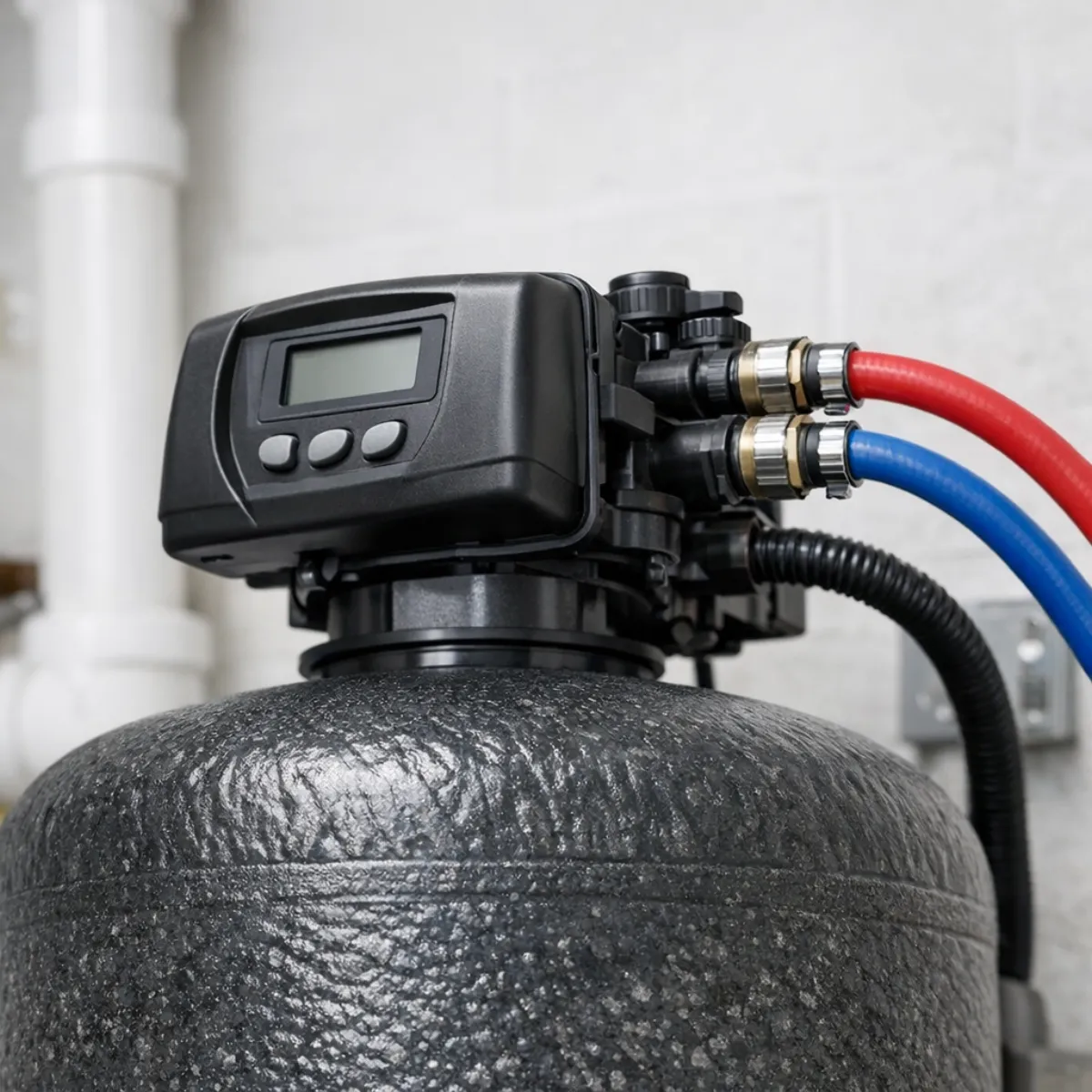
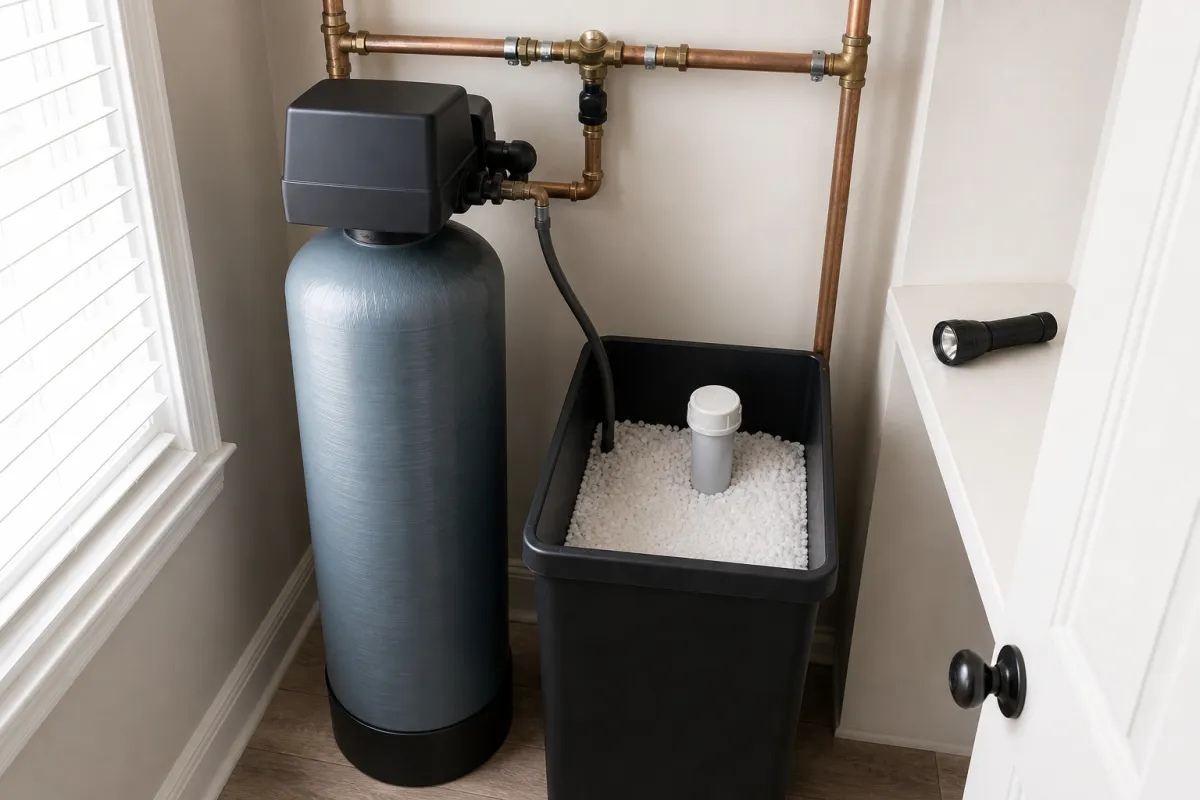
A water softener is recommended for many local homes, especially if you see white scale, repeated faucet or valve problems, short water-heater life, or cloudy spots on dishes. A typical whole-home water softener installation in San Antonio runs about $1,500-$4,000.