> San Antonio Local Insight: Pipe corrosion in San Antonio is accelerated by our Edwards Aquifer hard water (357 mg/L). The high calcium and magnesium content eats through copper pipes from the inside, causes pinhole leaks, and builds mineral deposits that restrict water flow. Pipes that last 50+ years in soft-water cities often need replacement within 25–30 years here. Many local plumbers now recommend PEX over copper for repiping because it resists hard water corrosion.
Diagnose the Pipe System Before Choosing a Material
Before following any generic plumbing checklist, adjust it for our Edwards Aquifer water. At roughly 357 mg/L, or 21 grains per gallon, the calcium carbonate and magnesium in the water can turn a small maintenance issue into repeat wear on valves, seals, drains, heaters, and appliance connections. That means a visible drip may be the symptom, while the real risk is scale, corrosion, freeze stress, or an older pipe material failing behind the wall or under the slab.
A homeowner in King William should be especially careful because historic cast iron, galvanized pipe, and tight retrofit spaces change what a safe repair looks like. If you are comparing advice from national repair guides, shorten the maintenance interval and inspect for white scale, crusted fittings, stiff shutoff valves, and early corrosion before assuming the part simply “got old.”
For budgeting, use local pricing instead of national averages: emergency plumber calls often run $150-$350, after-hours visits $250-$500, and slab leak repair can reach $2,000-$5,000. If the issue appears after a summer high-use period or after a rare freeze like Winter Storm Uri, treat it as a local risk signal and document what you see before calling a licensed plumber in Bexar County.
When it comes to repiping your home, the choice between PEX and copper can feel overwhelming. Each material has its unique advantages and disadvantages that can significantly impact your plumbing system's efficiency, durability, and overall cost. Understanding the differences between PEX and copper repipe options is crucial for making an informed decision that aligns with your home's needs and your budget. This guide will walk you through the essential factors to consider, practical steps to take, and when it might be best to call in a professional.
Why It Matters: The Direct Takeaway
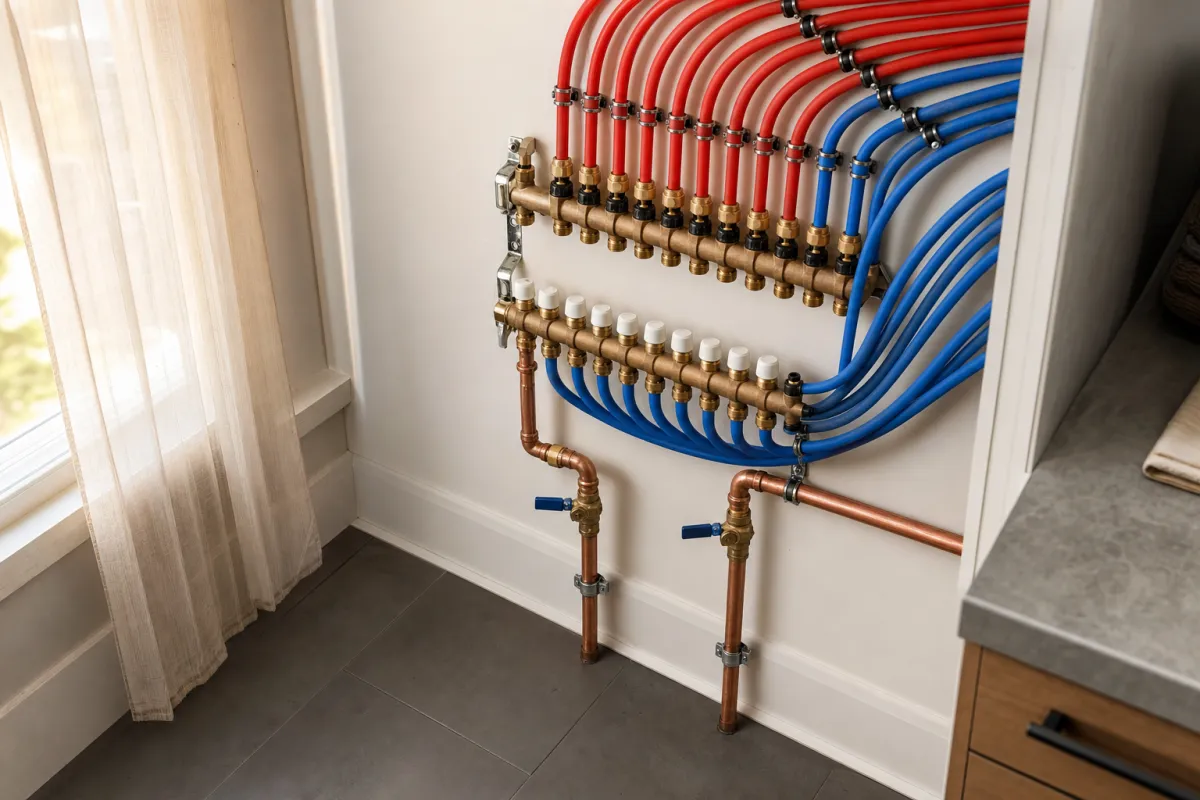
Choosing the right repiping material can affect everything from water quality to installation costs and long-term maintenance. PEX, or cross-linked polyethylene, is a flexible plastic piping option that has gained popularity in recent years due to its ease of installation and lower costs. On the other hand, copper has been a traditional choice for plumbing for decades, known for its durability and resistance to corrosion.
Ultimately, your choice will depend on various factors, including your home's plumbing condition, local building codes, and your personal preferences regarding cost and longevity. This guide aims to clarify these options and help you make the best decision for your home.
What to Check First: Initial Considerations
Before diving into the specifics of PEX vs. copper repipe, it's essential to assess your current plumbing situation. Here are several factors to evaluate:
1. Age and Condition of Existing Pipes: If your home has old galvanized pipes, they may be corroded or leaking, necessitating a full repipe. Inspect your pipes for signs of wear, leaks, or rust. If you notice any issues, it may be time to consider repiping.
2. Local Building Codes: Different jurisdictions have varying regulations regarding plumbing materials. Check with your local building department to find out if PEX is permitted in your area, as some municipalities have restrictions.
3. Water Quality: If your water has a metallic taste or discoloration, it could indicate corrosion in your existing copper pipes. In such cases, switching to PEX may improve your water quality.
4. Budget: Determine your budget for the project, including labor and material costs. PEX is generally less expensive than copper, but the total cost will depend on the specific needs of your project.
Choose PEX or Copper by Failure Pattern and Access
When it comes to choosing between PEX and copper for your repiping project, consider the following options and their tradeoffs:
1. Material Cost and Installation
- PEX: Generally, PEX piping is less expensive than copper, both in terms of material and labor costs. The flexibility of PEX allows for quicker installation, which can save you money on labor. Homeowners can often install PEX themselves, reducing costs further.
- Copper: While copper is more expensive upfront, it has a long lifespan and can add value to your home. However, installation is labor-intensive, requiring soldering and specialized skills. This can increase overall costs.
2. Durability and Lifespan
- PEX: PEX is resistant to scale and chlorine, and it won't corrode or develop pinhole leaks like copper can. However, it may be susceptible to UV rays and should not be exposed to sunlight for extended periods.
- Copper: Copper is a durable material that can last over 50 years with proper maintenance. Its resistance to bacteria makes it a safe choice for drinking water. However, it can corrode over time, especially in areas with acidic water.
3. Temperature and Pressure Resistance
- PEX: PEX can expand, making it less likely to burst in freezing temperatures. This property is particularly beneficial for homes in colder climates. However, it has lower pressure ratings compared to copper.
- Copper: Copper pipes can handle high temperatures and pressures, making them ideal for hot water systems. However, they may be more prone to bursting in freezing conditions if not properly insulated.
4. Flexibility and Design
- PEX: The flexibility of PEX allows for easier installation in tight spaces and fewer fittings, which can reduce the risk of leaks. This makes it a popular choice for retrofitting older homes.
- Copper: While copper is rigid and requires more fittings, it can be easier to work with in certain designs. For example, if you have a complex plumbing layout, copper may offer more reliable connections.
Mistakes to Avoid: Common Pitfalls
When considering PEX vs. copper repipe options, homeowners should be aware of several common mistakes:
1. Ignoring Local Codes: Always check local building codes before starting your project. Some areas may have restrictions on using PEX, especially for certain applications like underground installations.
2. Underestimating Installation Costs: While PEX may appear cheaper, the cost of labor can vary significantly based on your location and the complexity of the installation. Be sure to get multiple quotes from licensed plumbers.
3. Neglecting Water Quality Testing: Before repiping, test your water quality. If you have concerns about contaminants, consult with a water specialist to determine the best piping material for your needs.
4. (leak under kitchen sink) (pipe repair) (trenchless pipe repair) DIY Without Research: If you plan to install PEX yourself, ensure you understand the proper techniques and tools required. Incorrect installation can lead to leaks and costly repairs down the line.
Repipe Work That Requires a Licensed Plumber
While DIY projects can be rewarding, certain situations warrant professional help. Here are circumstances when it's wise to call a licensed plumber:
1. Complex Plumbing Layouts: If your home has a complicated plumbing system, a professional can ensure that the installation is done correctly and efficiently.
2. Code Compliance: If you’re unsure about local building codes or permits, a professional can navigate these regulations for you.
3. Structural Concerns: If your repipe requires accessing walls, ceilings, or floors, a professional can help minimize damage and ensure that your home’s structure remains intact.
4. Safety Risks: Always consult a professional if you encounter any issues involving electrical systems, gas lines, or sewage. These areas require specialized knowledge and expertise.
FAQ: Common Homeowner Questions
1. Is PEX better than copper?
It depends on your specific needs. PEX is generally more affordable and easier to install, while copper is more durable and has a longer lifespan.
2. Can I use PEX for hot water?
Yes, PEX is suitable for hot water applications, but be sure to choose the right type designed for high temperatures.
3. How long does PEX last?
PEX can last 25 to 40 years, depending on factors like water quality and installation conditions.
4. What are the signs I need to repipe?
Look for leaks, low water pressure, discolored water, or frequent clogs as indicators that repiping may be necessary.
5. Can I install PEX myself?
Many homeowners can install PEX with the right tools and knowledge, but complicated layouts or code compliance issues may require a professional.
Quick Reference Table: PEX vs. Copper
| Feature | PEX | Copper |
|---|---|---|
| Cost | Generally lower | Generally higher |
| Installation | Easier, flexible | Labor-intensive, rigid |
| Durability | Resistant to corrosion | Long-lasting, but can corrode |
| Temperature Resistance | Good for freezing, moderate for hot | Excellent for high temperatures |
| Water Quality | May retain taste | Non-reactive, safe |
In conclusion, the choice between PEX and copper repipe comes down to your specific circumstances, including budget, local codes, and personal preferences. By carefully evaluating these factors and taking the necessary precautions, you can make an informed decision that will benefit your home for years to come.
Why This Is Different in San Antonio
San Antonio's Edwards Aquifer supplies some of the hardest municipal water in the United States: about 357 mg/L, or 21 grains per gallon. That limestone-filtered groundwater carries calcium carbonate and magnesium into our fixtures, valves, drains, heaters, and supply lines. For pex vs copper repipe, that matters because scale, corrosion, and age-related pipe weakness combine with slab foundations and older neighborhood plumbing materials.
- Scale buildup makes small restrictions worse, especially at cartridges, aerators, shutoff valves, and heater connections.
- Fixtures, pipes, and appliances in our area can wear out 30-50% faster than in soft-water cities when maintenance is delayed.
- SAWS publishes annual water quality reports, but the practical homeowner takeaway is simple: maintenance intervals here should be shorter than national advice suggests.
Homes in King William are particularly affected because historic homes may still have cast iron, galvanized pipe, and tight retrofit spaces. Unlike cities with naturally soft water, local homeowners should treat hard-water maintenance as normal prevention, not an upsell.
> "When I see early leaks in San Antonio, I always look for hard-water scale, corrosion, and older neighborhood pipe materials before blaming one bad fixture." — Licensed local plumber
What San Antonio Homeowners Pay (2026)
| Service | Typical Cost in San Antonio |
|---|---|
| Whole house repipe (PEX) | $4,500–$9,000 |
| Whole house repipe (copper) | $7,000–$15,000 |
| Slab leak detection | $250–$500 |
Prices are based on local metro area ranges for 2026. Costs may vary by neighborhood, access, pipe material, after-hours timing, and whether the plumber finds hard-water damage beyond the visible problem.
When to Call a San Antonio Plumber
Call a licensed local plumber if the problem involves active leaking, a shutoff valve that will not close, sewer smell, recurring clogs, water near electrical components, a water heater leak, or any pipe inside a wall, ceiling, or slab. Locally, expect many licensed plumbers to charge roughly $85-$150 per hour, with emergency visits commonly around $150-$350 and after-hours calls closer to $250-$500.
When you call, ask three local questions:
1. Are you licensed and insured for work in Bexar County or the surrounding local metro?
2. Have you dealt with Edwards Aquifer hard-water scale on this type of repair?
3. Should I also check the water heater, shutoff valves, or water softener while you are there?
local plumbers see hard-water issues every week, so a good pro should be able to explain whether the failure is normal wear, mineral damage, freeze damage from a cold snap like Winter Storm Uri, or a sign of a larger plumbing system problem.
San Antonio FAQ
Is San Antonio water hard?
Yes. San Antonio water is very hard at about 357 mg/L, or 21 grains per gallon, because much of it comes from the Edwards Aquifer and passes through limestone. That mineral content is why scale shows up quickly on faucets, showerheads, valves, drains, and water heaters.
Do local homes need a water softener?
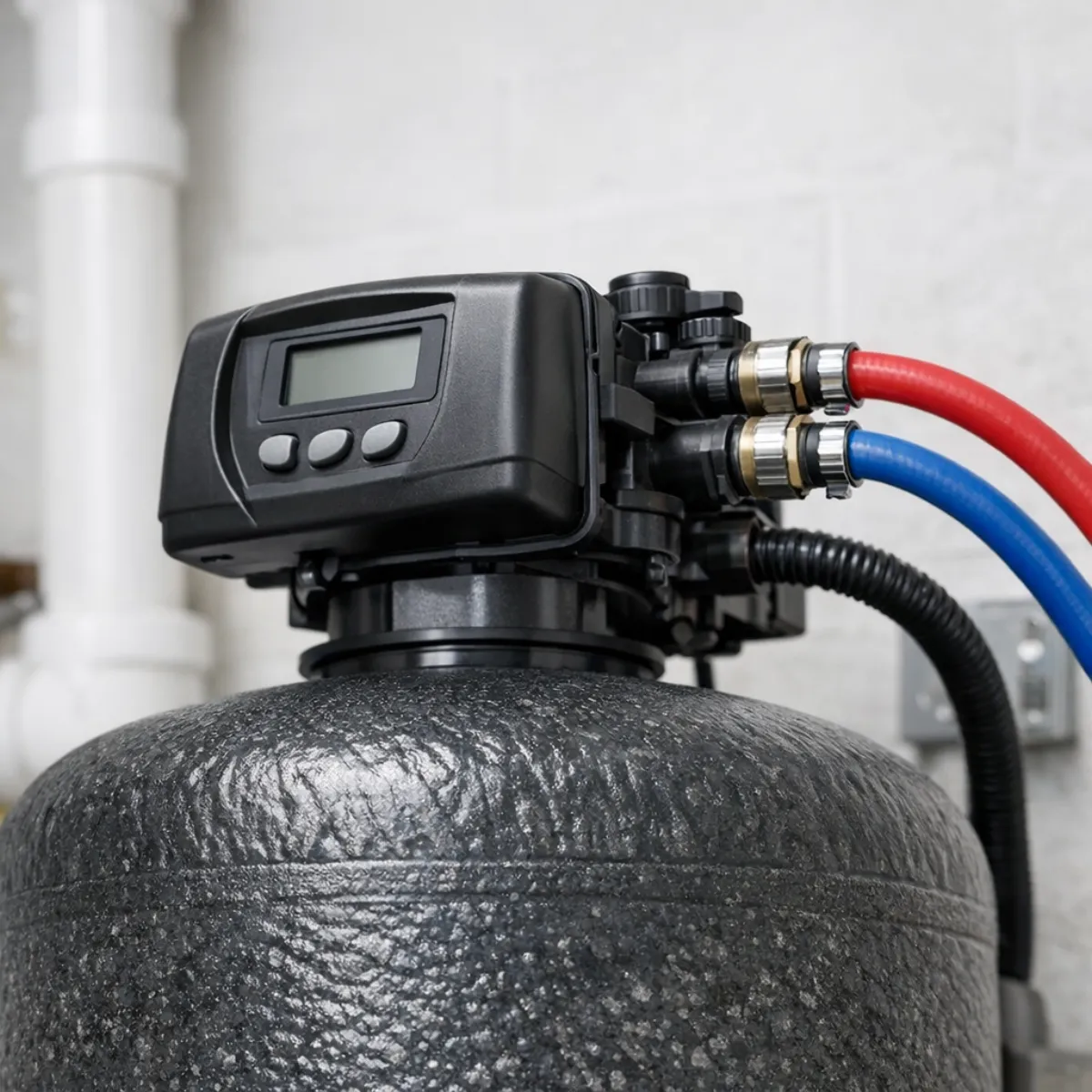
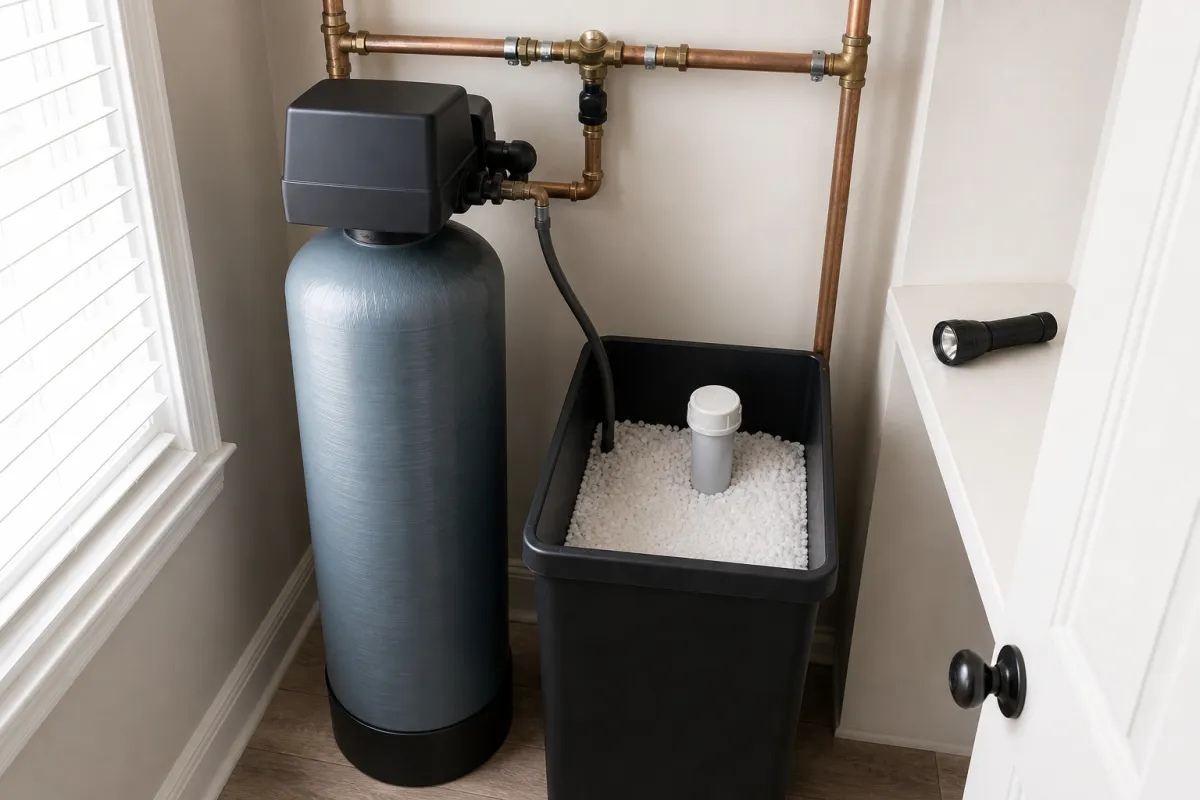
A water softener is recommended for many local homes, especially if you see white scale, repeated faucet or valve problems, short water-heater life, or cloudy spots on dishes. A typical whole-home water softener installation in San Antonio runs about $1,500-$4,000.