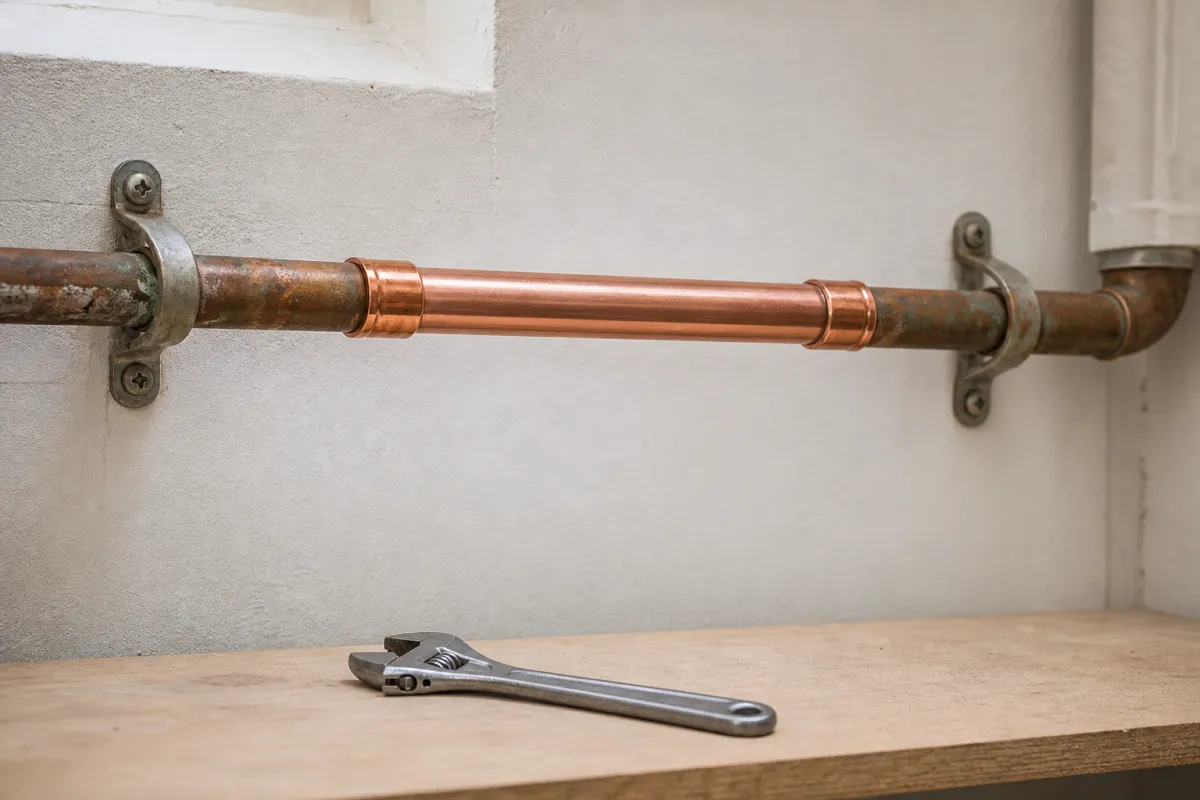
> San Antonio Local Insight: Pipe corrosion in San Antonio is accelerated by our Edwards Aquifer hard water (357 mg/L). The high calcium and magnesium content eats through copper pipes from the inside, causes pinhole leaks, and builds mineral deposits that restrict water flow. Pipes that last 50+ years in soft-water cities often need replacement within 25–30 years here. Many local plumbers now recommend PEX over copper for repiping because it resists hard water corrosion.
Local San Antonio Field Notes Before You Start
Before following any generic plumbing checklist, adjust it for our Edwards Aquifer water. At roughly 357 mg/L, or 21 grains per gallon, the calcium carbonate and magnesium in the water can turn a small maintenance issue into repeat wear on valves, seals, drains, heaters, and appliance connections. That means a visible drip may be the symptom, while the real risk is scale, corrosion, freeze stress, or an older pipe material failing behind the wall or under the slab.
A homeowner in Alamo Heights should be especially careful because older galvanized and mixed-metal lines make small leaks more urgent than they look. If you are comparing advice from national repair guides, shorten the maintenance interval and inspect for white scale, crusted fittings, stiff shutoff valves, and early corrosion before assuming the part simply “got old.”
For budgeting, use local pricing instead of national averages: emergency plumber calls often run $150-$350, after-hours visits $250-$500, and slab leak repair can reach $2,000-$5,000. If the issue appears after a summer high-use period or after a rare freeze like Winter Storm Uri, treat it as a local risk signal and document what you see before calling a licensed plumber in Bexar County.
Dealing with a pipe leak can be a homeowner's worst nightmare. Not only can it lead to significant water damage, but it can also create an environment for mold and mildew. This guide will help you understand the common causes of pipe leaks, how to safely assess the situation, practical DIY fixes, and when it’s best to call in a professional plumber.
Quick Answer
Pipe leaks are often caused by corrosion, joint failure, or excessive water pressure. If you notice damp spots on walls or ceilings, a sudden increase in your water bill, or hear water running when all faucets are off, you may have a leak.
Immediate Safety Step: Shut off your water supply at the main valve to prevent further damage. If you suspect a severe leak or flooding, evacuate the area and call a professional immediately.
Urgency: If you see water pooling or dripping, especially near electrical outlets or appliances, it’s crucial to act quickly. Ignoring a leak can lead to costly repairs and hazardous conditions.
Confirm the Leak Before Choosing a Repair
Dry the suspected area, wrap each joint with a separate paper towel, and note which one wets first. With every fixture and irrigation zone off, photograph the SAWS meter and recheck it after 20–30 minutes. Meter movement supports a pressurized leak; a still meter may point to a drain connection, appliance discharge, or intermittent condensation.
In Alamo Heights, older galvanized pipe and later copper additions can create mixed-metal transitions that deserve more than a quick clamp. An exposed fitting repair often lands around $175–$450; leak detection may add $250–$600. If water is under a slab or behind tile, diagnosis and access—not the small piece of pipe—drive the bill.
Common Causes
Understanding the common causes of pipe leaks can help you identify the source of the problem more effectively:
1. Corrosion: Over time, pipes can corrode due to water chemistry, leading to weak spots and leaks. Look for rust-colored water or stains around the pipes.
2. Joint Failure: The joints where pipes connect can wear out, especially in older plumbing systems. If you notice water seeping from these areas, it may indicate a joint failure.
3. (what happens when pipes burst) High Water Pressure: Excessive pressure can stress pipes, leading to cracks or bursts. If your faucets sputter or you hear banging noises in your pipes, you may have high water pressure.
4. Temperature Changes: Rapid temperature fluctuations can cause pipes to expand and contract, leading to cracks. This is especially common in regions with extreme weather.
5. (sink leaking underneath) (leak under kitchen sink) Clogs: Blocked drains can cause water to back up and leak from joints or weak spots. Look for slow drains or water pooling around fixtures.
6. Tree Roots: In older homes, tree roots can invade underground pipes, causing breaks and leaks. If you notice a sudden increase in moisture in your yard, this could be the cause.
Safety First
Before you begin any inspection or repair, prioritize safety:
- Shut Off Water: Locate your main water shut-off valve and turn it off. This will prevent any further water damage while you assess the situation.
- Avoid Electrical Risks: If water is near electrical outlets or appliances, turn off the electricity to that area. Water and electricity are a dangerous combination.
- Watch for Sewage/Gas Risks: If the leak is near sewage lines or gas pipes, be cautious. If you smell gas or see sewage backing up, leave the area immediately and call a professional.
- Stop DIY Work: If you encounter active flooding, sewage backup, or hidden damage (like mold or structural issues), stop all DIY efforts and seek professional help.
Step-by-Step Homeowner Checks
1. Visual Inspection: Start with a thorough visual inspection of your home. Check under sinks, around toilets, and near appliances for any signs of water.
2. Confirm the Source: If you notice damp spots, trace the moisture back to its source. Pay close attention to joints and connections.
3. Simple Non-Destructive Fixes: Depending on the cause, you may be able to apply a temporary fix using plumber’s tape or a pipe clamp.
4. Monitor for Changes: After applying any fixes, keep an eye on the area for any changes in moisture, pressure, or leaks.
5. Know When to Stop: If you encounter active flooding, sewage backup, gas smells, or hidden damage, stop your DIY efforts immediately and call a licensed plumber.
Tools and Materials
Here’s a list of essential tools and materials you may need for pipe leak repair:
- Pipe Wrench: Useful for tightening or loosening plumbing fixtures.
- Plumber’s Tape: Helps seal threads on pipe joints to prevent leaks.
- Pipe Clamp: A temporary fix for small leaks until a permanent solution can be made.
- Bucket: To catch any dripping water during your inspection.
- Rags or Towels: For drying areas and cleaning up spills.
- Flashlight: To inspect dark areas under sinks or behind appliances.
DIY Fixes That Are Usually Reasonable
Here are some safe, low-risk DIY actions you can take:
- Use Plumber’s Tape: If you identify a leaky joint, wrapping plumber’s tape around the threads can often provide a temporary fix.
- Apply Pipe Clamp: For small leaks, a pipe clamp can hold the pipe together until a permanent repair can be made.
- Tighten Connections: Sometimes, simply tightening loose fittings can resolve minor leaks.
What Not to Attempt: Avoid any major repairs, such as cutting into pipes or replacing sections of plumbing, unless you are a qualified professional.
Red Flags That End a DIY Repair
Recognizing when to call a professional can save you time and money in the long run. Here are some red flags:
- Active Flooding: If you have water pooling in your home, it’s imperative to call a plumber immediately.
- Sewage Backup: This is a serious issue that requires immediate professional intervention.
- Gas Smell: If you smell gas, evacuate the area and call your utility provider.
- Hidden Damage: If you suspect mold, structural damage, or if the leak is behind walls or floors, a professional will have the tools to assess and repair the situation safely.
Prevention for Older Local Plumbing
Check pressure annually, exercise accessible shutoffs, and inspect supply hoses every six months. Edwards Aquifer water at 357 mg/L (21 gpg) leaves scale on valve stems and seals, so stiffness and white crust are early warnings. Before a Bexar County freeze, protect exterior runs; after an event like Winter Storm Uri, monitor the meter while the house warms.
To reduce the likelihood of future leaks, consider these maintenance habits:
- Regular Inspections: Periodically check your plumbing for signs of wear and tear.
- Monitor Water Pressure: Invest in a pressure gauge to ensure your home’s water pressure is within safe limits.
- Maintain Clean Drains: Regularly clear drains to prevent clogs that can lead to leaks.
- Insulate Pipes: In colder climates, insulating pipes can prevent them from freezing and bursting.
- Know Your Plumbing: Familiarize yourself with your plumbing layout and shut-off valves to act quickly in emergencies.
Cost and Time Expectations
The cost of pipe leak repair can vary widely based on the severity of the issue and the access, pipe material, and urgency. Minor repairs may cost around $100-$300, while more extensive work can range from $500 to over $1,500.
In terms of time, simple DIY fixes may take a few minutes, while professional repairs could take several hours to a couple of days, depending on the complexity.
FAQ
What causes this problem?
Common causes include corrosion, joint failure, high water pressure, temperature changes, clogs, and tree roots.
Can I fix it myself?
Minor leaks can often be temporarily fixed with plumber’s tape or clamps, but significant issues should be handled by a professional.
How urgent is it?
If you notice active flooding, sewage backup, or a gas smell, it’s crucial to act immediately and call a professional.
What should I avoid doing?
Avoid cutting into pipes, making extensive repairs without expertise, and ignoring signs of severe water damage.
Why This Is Different in San Antonio
San Antonio's Edwards Aquifer supplies some of the hardest municipal water in the United States: about 357 mg/L, or 21 grains per gallon. That limestone-filtered groundwater carries calcium carbonate and magnesium into our fixtures, valves, drains, heaters, and supply lines. For pipe leak repair, that matters because mineral deposits grind down seals, cartridges, fill valves, supply stops, spray arms, and small water passages faster than many generic guides assume.
- Scale buildup makes small restrictions worse, especially at cartridges, aerators, shutoff valves, and heater connections.
- Fixtures, pipes, and appliances in our area can wear out 30-50% faster than in soft-water cities when maintenance is delayed.
- SAWS publishes annual water quality reports, but the practical homeowner takeaway is simple: maintenance intervals here should be shorter than national advice suggests.
Homes in Alamo Heights are particularly affected because older 1920s-40s homes often still have galvanized or mixed-metal plumbing that reacts badly to mineral-heavy water. Unlike cities with naturally soft water, local homeowners should treat hard-water maintenance as normal prevention, not an upsell.
> "When I see early leaks in San Antonio, I always look for hard-water scale, corrosion, and older neighborhood pipe materials before blaming one bad fixture." — Licensed local plumber
What San Antonio Homeowners Pay (2026)
| Service | Typical Cost in San Antonio |
|---|---|
| Emergency plumber call | $150–$350; after hours $250–$500 |
| Faucet replacement labor | $150–$300 |
| Plumber hourly rate | $85–$150/hr |
Prices are based on local metro area ranges for 2026. Costs may vary by neighborhood, access, pipe material, after-hours timing, and whether the plumber finds hard-water damage beyond the visible problem.
When to Call a San Antonio Plumber
Call a licensed local plumber if the problem involves active leaking, a shutoff valve that will not close, sewer smell, recurring clogs, water near electrical components, a water heater leak, or any pipe inside a wall, ceiling, or slab. Locally, expect many licensed plumbers to charge roughly $85-$150 per hour, with emergency visits commonly around $150-$350 and after-hours calls closer to $250-$500.
When you call, ask three local questions:
1. Are you licensed and insured for work in Bexar County or the surrounding local metro?
2. Have you dealt with Edwards Aquifer hard-water scale on this type of repair?
3. Should I also check the water heater, shutoff valves, or water softener while you are there?
Local plumbers see hard-water issues every week, so a good pro should be able to explain whether the failure is normal wear, mineral damage, freeze damage from a cold snap like Winter Storm Uri, or a sign of a larger plumbing system problem.
San Antonio FAQ
Is local water hard?
Yes. San Antonio water is very hard at about 357 mg/L, or 21 grains per gallon, because much of it comes from the Edwards Aquifer and passes through limestone. That mineral content is why scale shows up quickly on faucets, showerheads, valves, drains, and water heaters.
Do local homes need a water softener?
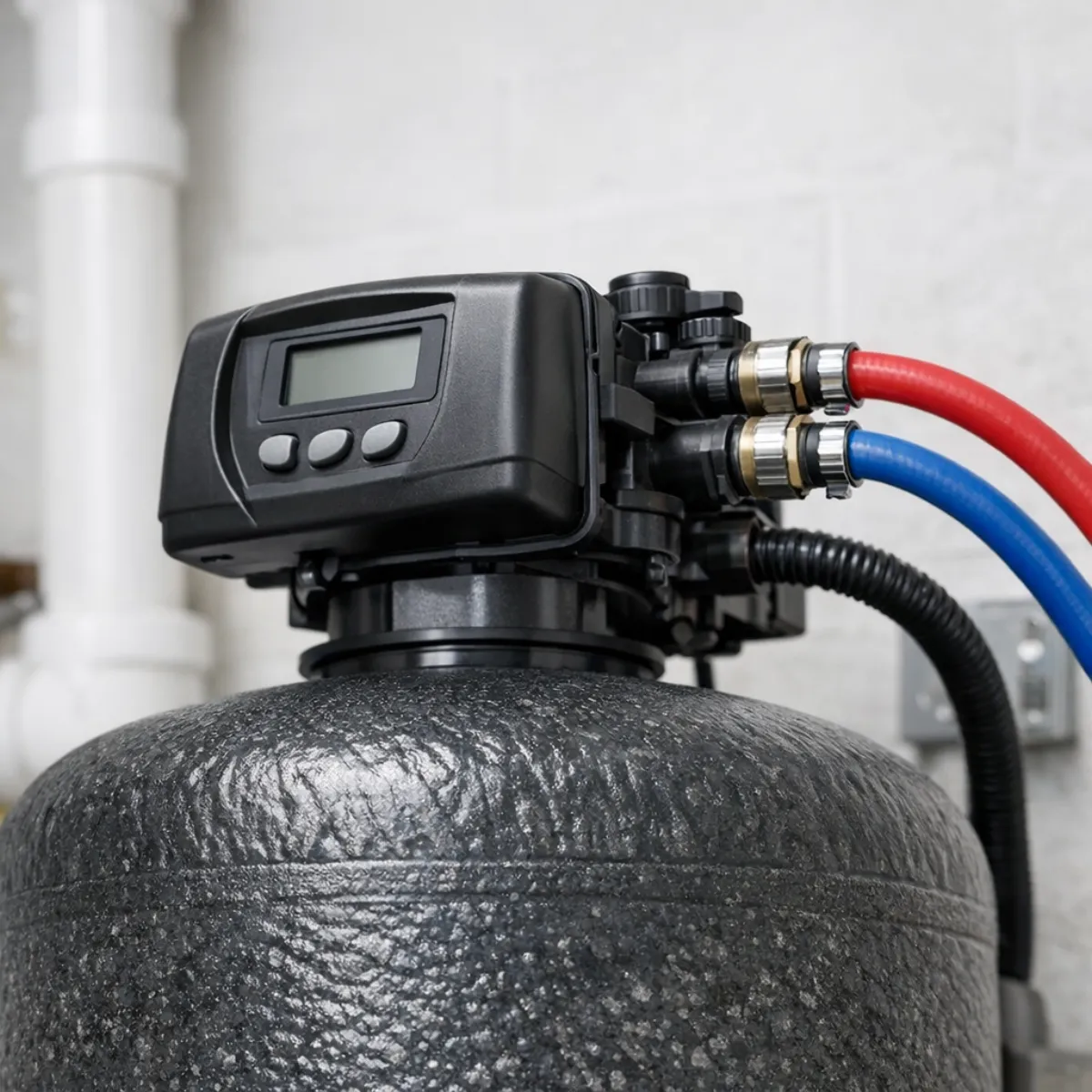
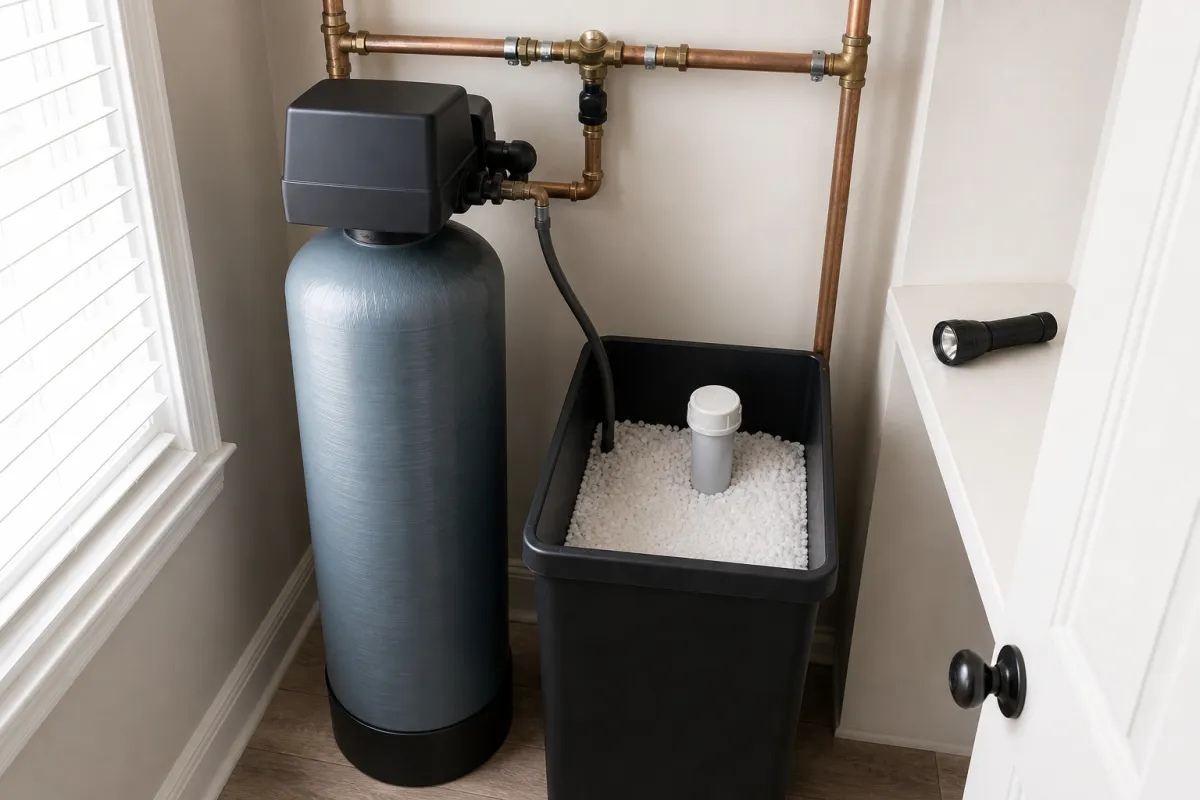
A water softener is recommended for many local homes, especially if you see white scale, repeated faucet or valve problems, short water-heater life, or cloudy spots on dishes. A typical whole-home water softener installation in San Antonio runs about $1,500-$4,000.