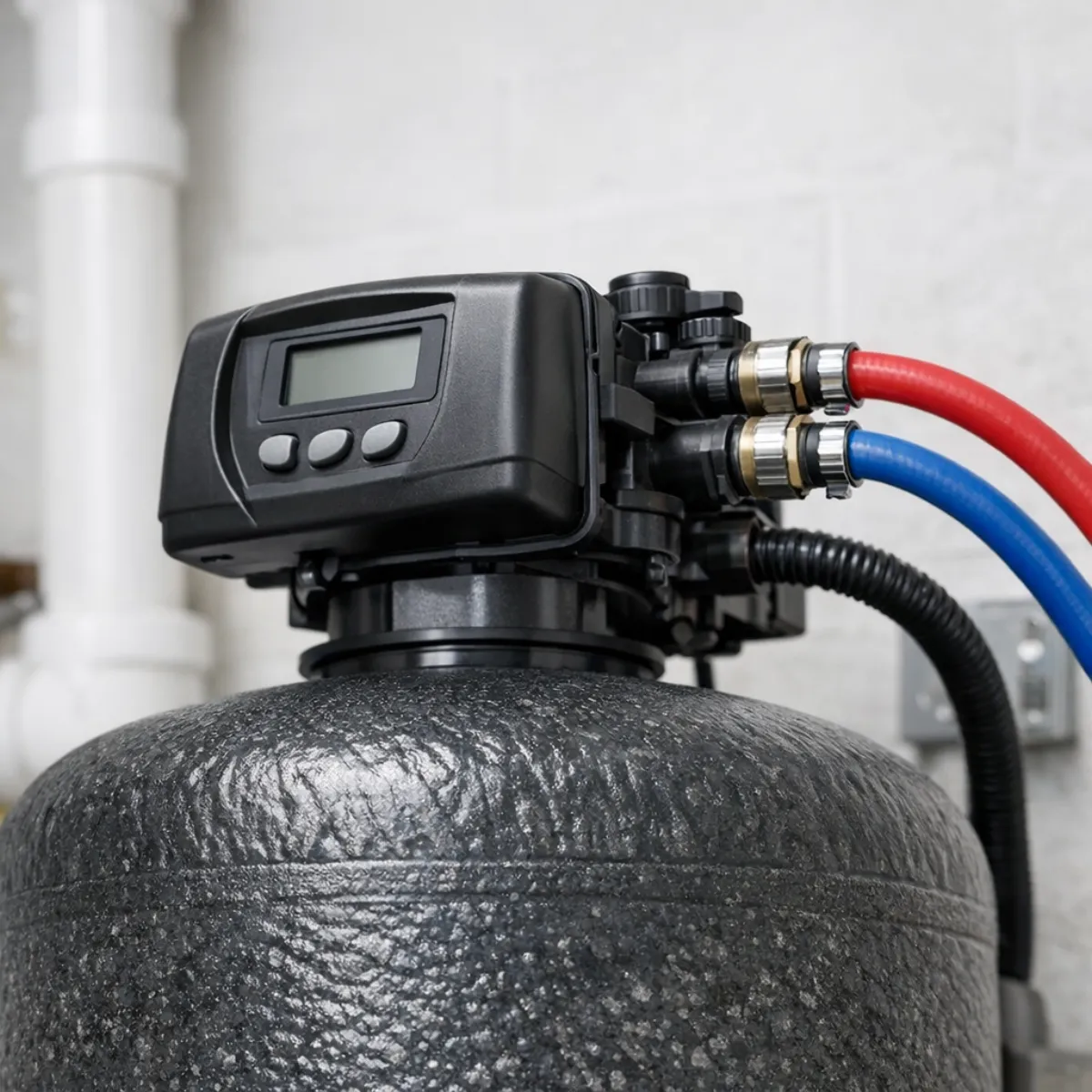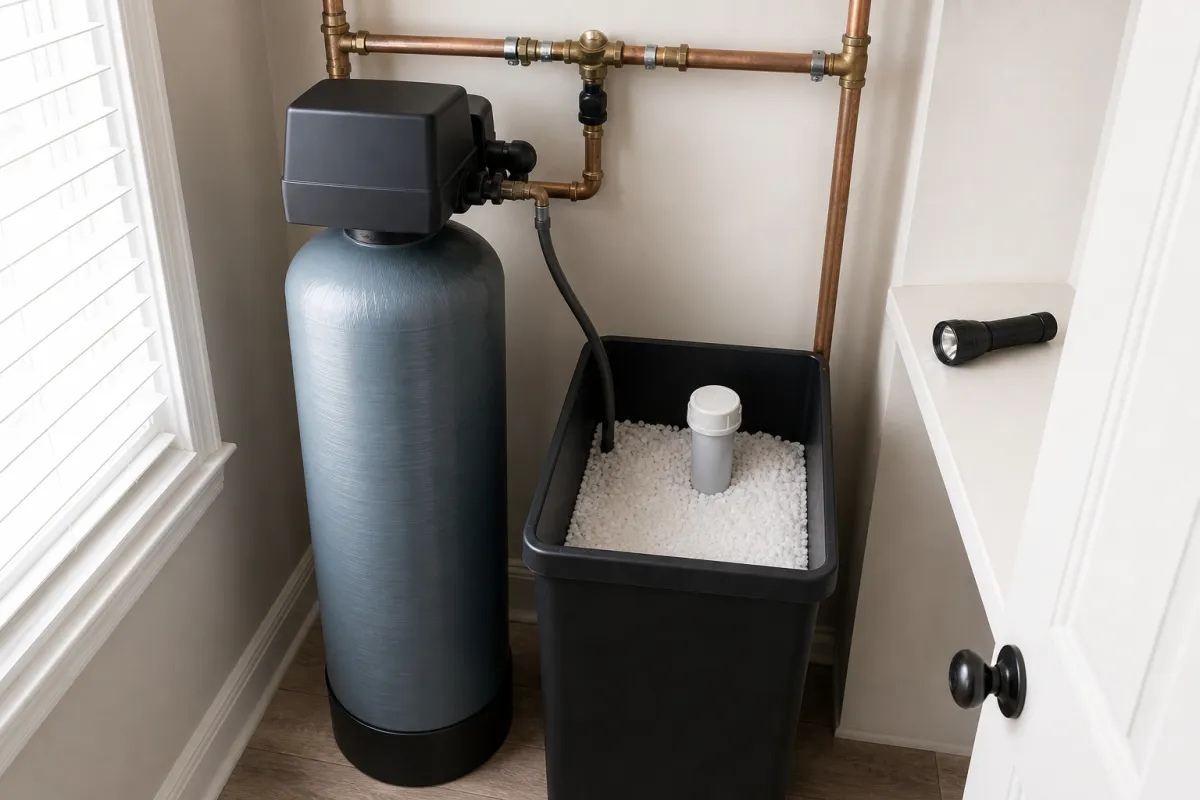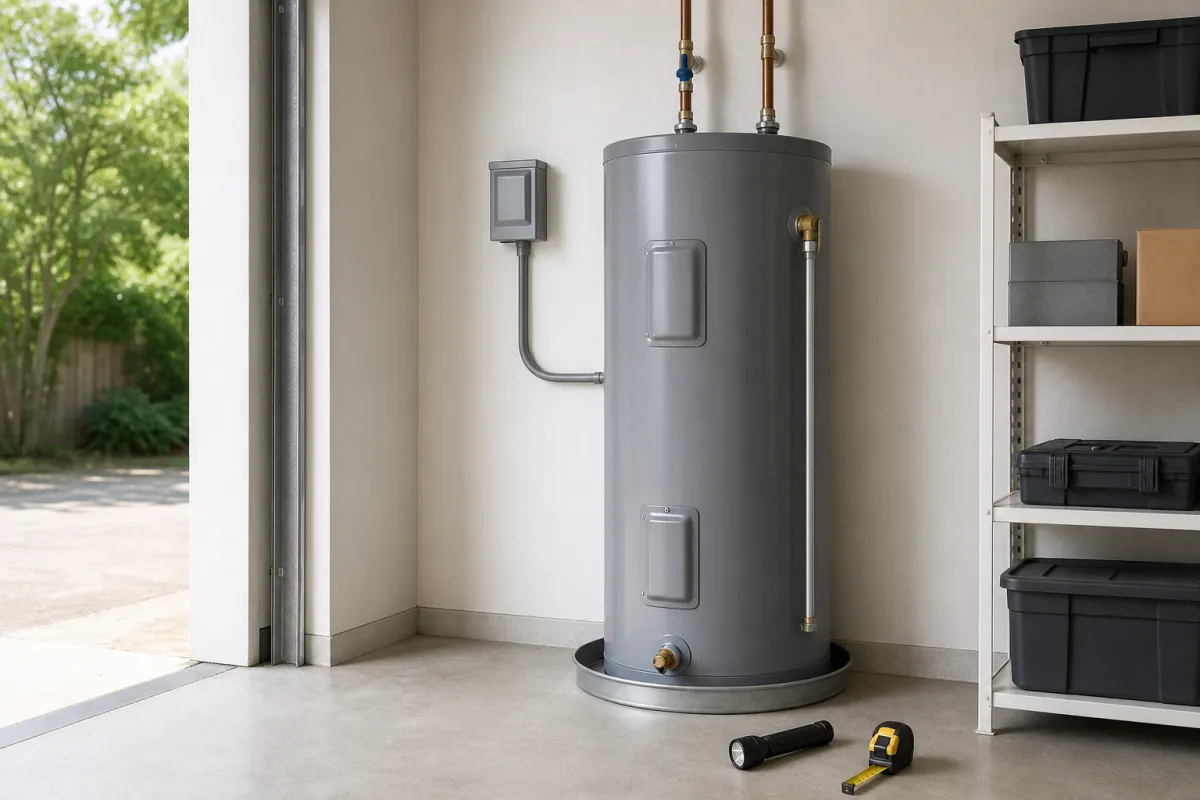
> San Antonio Local Insight: This issue is especially common in San Antonio due to our extremely hard water from the Edwards Aquifer (357 mg/L or 21 gpg — among the hardest in the US). The calcium and magnesium in our water accelerates wear on fixtures, corrodes pipes from the inside, and creates mineral buildup that makes every plumbing problem worse and more frequent than in soft-water cities.
Start With the Existing Heater, Not a Catalog
Before following any generic plumbing checklist, adjust it for our Edwards Aquifer water. At roughly 357 mg/L, or 21 grains per gallon, the calcium carbonate and magnesium in the water can turn a small maintenance issue into repeat wear on valves, seals, drains, heaters, and appliance connections. That means the useful question is not just capacity or fuel type; it is how the unit will handle sediment, descaling, anode wear, and the six-month maintenance rhythm our water demands.
A homeowner in Alamo Heights should be especially careful because older galvanized and mixed-metal lines make small leaks more urgent than they look. If you are comparing advice from national repair guides, shorten the maintenance interval and inspect for white scale, crusted fittings, stiff shutoff valves, and early corrosion before assuming the part simply “got old.”
For budgeting, use local pricing instead of national averages: tank water-heater replacement runs about $1,200-$2,800 installed, while tankless replacement usually lands around $2,500-$5,500. If the issue appears after a summer high-use period or after a rare freeze like Winter Storm Uri, treat it as a local risk signal and document what you see before calling a licensed plumber in Bexar County.
Replacing a water heater is a significant investment, and understanding the costs involved can help you make informed decisions. The average water heater replacement cost can vary widely based on factors such as the type of heater, installation complexity, and the access, permit, venting, and connection work required. This guide breaks down everything you need to know about water heater replacement costs, ensuring you're well-prepared for this essential home improvement project.
Why Understanding Water Heater Replacement Costs Matters
Water heaters are crucial for daily activities like bathing, cooking, and cleaning. If your water heater fails, it can lead to inconvenience and unexpected expenses. By understanding the replacement costs, you can budget effectively and avoid financial surprises. Furthermore, knowing what to expect helps you weigh the pros and cons of different options, ensuring you choose the best solution for your home.
A typical water heater replacement can range from $800 to $3,500, including both the unit and installation. This range reflects various types of heaters, installation challenges, and local market conditions. Being aware of these costs allows you to plan ahead and consider financing options if necessary.
What to Check First: Diagnosing Your Water Heater Needs
When considering a water heater replacement, the first step is to assess your current unit. Here are some key checks to perform:
1. Age of the Heater: Most water heaters have a lifespan of 8 to 12 years. If your unit is nearing this age, it may be time for a replacement.
2. Signs of Wear and Tear: Look for leaks, rust, or unusual noises. These can indicate that your heater is failing and may need to be replaced sooner rather than later.
3. Energy Efficiency: Older models tend to be less efficient, leading to higher energy bills. If your water heater is consuming more energy than before, it might be time to consider a more efficient replacement.
4. Type of Water Heater: Determine whether you have a tankless, conventional, or hybrid model. Each type has different costs associated with replacement and installation.
5. Local Codes and Regulations: Check local building codes to ensure that any new installation will comply with regulations. Some areas may have specific requirements that could affect your choice of heater.
By performing these checks, you can better understand your needs and budget for a replacement.
Choose the Replacement Around the House
Once you’ve assessed your current situation, it’s time to explore your options. Here’s a step-by-step approach to help you navigate the replacement process:
1. Choose the Right Type of Water Heater
- Conventional Storage Tanks: These are the most common and typically cost between $800 and $2,500, depending on the size and efficiency.
- Tankless Water Heaters: These provide hot water on demand and can be more energy-efficient, but they usually have a higher upfront cost, ranging from $1,000 to $3,500.
- Heat Pump Water Heaters: These can be very efficient but require more space and may cost between $1,200 and $3,500.
2. Calculate the Total Cost
When budgeting for a replacement, consider both the cost of the unit and installation. Installation costs can vary based on the complexity of the job, ranging from $200 to $1,500. Additional factors affecting total cost include:
- Permits: Some localities require permits for installation, which can add to your expenses.
- Removal of Old Unit: If you need to dispose of your old water heater, this may involve additional charges.
3. Gather Estimates from Professionals
It’s advisable to get at least three quotes from licensed plumbers or contractors. (best toilet clog remover) This not only helps you find the best price but also allows you to gauge the professionalism and reliability of the service providers.
4. Consider Energy Efficiency Ratings
Look for units with high Energy Factor (EF) ratings. While these may cost more upfront, they can save you money in the long run through lower energy bills.
5. Plan for Installation
Schedule your installation at a time that minimizes disruption. Ensure that you or a trusted individual is home during the installation to address any questions or concerns.
By following these steps, you can make informed decisions and ensure a smooth replacement process.
Common Mistakes to Avoid During Replacement
Navigating the water heater replacement process can be tricky. Here are common mistakes homeowners make that you should avoid:
1. Underestimating Total Costs
Many homeowners focus solely on the price of the unit without considering installation and additional fees. Always calculate the total cost to avoid budget overruns.
2. Ignoring Local Codes
Failing to adhere to local building codes can lead to fines or the need for costly rework. Always check with local authorities before proceeding.
3. Choosing the Wrong Size
Selecting a water heater that is too small can leave you without hot water, while one that is too large can waste energy. Consider your household's hot water needs when choosing a size.
4. DIY Installation
While some homeowners may be tempted to install a water heater themselves to save money, this can lead to safety hazards and potential code violations. It’s often best to hire a professional.
5. Skipping Maintenance
After installation, neglecting regular maintenance can reduce the lifespan of your new water heater. Schedule annual check-ups to ensure it operates efficiently.
By avoiding these mistakes, you can save money and ensure a safer, more efficient water heater installation.
Work That Belongs With a Licensed Plumber
While some homeowners may feel comfortable tackling a water heater replacement as a DIY project, there are specific situations where it’s critical to call a professional:
1. Gas Lines and Electrical Work
If your water heater is gas-powered, any work involving gas lines should be left to professionals. (sink leaking underneath) (leak under kitchen sink) Incorrect installation can lead to dangerous leaks. Similarly, electrical work for electric water heaters can pose serious risks if not performed correctly.
2. Structural Changes
If your new water heater requires changes to plumbing or electrical systems, it’s best to consult a professional. They can ensure compliance with local codes and safety standards.
3. Complex Installations
If you’re switching from a conventional tank to a tankless system or vice versa, the installation may involve significant changes to your plumbing. Professional help can ensure a smooth transition.
4. Safety Concerns
If you smell gas or notice any unusual signs during your assessment, stop immediately and call a professional. Safety should always be your top priority.
Calling a professional can save you time, money, and potential hazards, ensuring that your water heater replacement goes smoothly.
Frequently Asked Questions
1. How long does it take to replace a water heater?
Typically, replacing a water heater takes between 2 to 4 hours, depending on the complexity of the installation.
2. Can I install a water heater myself?
While DIY installation is possible for some homeowners, it’s generally not recommended due to safety risks and local code compliance.
3. What is the lifespan of a water heater?
Most water heaters last between 8 to 12 years. Regular maintenance can help extend their lifespan.
4. Are tankless water heaters worth the investment?
Tankless water heaters can be more energy-efficient and provide unlimited hot water, but they usually have a higher upfront cost. Consider your household's hot water needs when deciding.
5. How can I increase the lifespan of my water heater?
Regular maintenance, including flushing the tank and checking the anode rod, can help extend the life of your water heater.
Quick Reference Table for Water Heater Replacement Costs
| Type of Water Heater | Average Cost (Unit Only) | Average Installation Cost | Total Average Cost (Unit + Installation) |
|---|---|---|---|
| Conventional Storage Tank | $800 - $2,500 | $200 - $1,500 | $1,000 - $4,000 |
| Tankless | $1,000 - $3,500 | $500 - $1,500 | $1,500 - $5,000 |
| Heat Pump | $1,200 - $3,500 | $500 - $1,500 | $1,700 - $5,000 |
By understanding the costs and considerations involved in water heater replacement, you can make informed decisions that best suit your household's needs. Whether you choose to tackle the project yourself or hire a professional, being prepared will ensure a smoother experience.
Why This Is Different in San Antonio
San Antonio's Edwards Aquifer supplies some of the hardest municipal water in the United States: about 357 mg/L, or 21 grains per gallon. That limestone-filtered groundwater carries calcium carbonate and magnesium into our fixtures, valves, drains, heaters, and supply lines. For water heater replacement cost, that matters because sediment collects in the tank or heat exchanger faster, so local water heaters commonly last 6-8 years instead of the 10-12 years often quoted nationally.
- Scale buildup makes small restrictions worse, especially at cartridges, aerators, shutoff valves, and heater connections.
- Fixtures, pipes, and appliances in our area can wear out 30-50% faster than in soft-water cities when maintenance is delayed.
- SAWS publishes annual water quality reports, but the practical homeowner takeaway is simple: maintenance intervals here should be shorter than national advice suggests.
Homes in Alamo Heights are particularly affected because older 1920s-40s homes often still have galvanized or mixed-metal plumbing that reacts badly to mineral-heavy water. Unlike cities with naturally soft water, local homeowners should treat hard-water maintenance as normal prevention, not an upsell.
> "In my 20 years working in San Antonio, I would say 70% of the water heater calls I get trace back to sediment buildup from our hard water." — Licensed local plumber
What San Antonio Homeowners Pay (2026)
| Service | Typical Cost in San Antonio |
|---|---|
| Tank water heater replacement | $1,200–$2,800 installed |
| Tankless water heater replacement | $2,500–$5,500 installed |
| Plumber hourly rate | $85–$150/hr |
Prices are based on local metro area ranges for 2026. Costs may vary by neighborhood, access, pipe material, after-hours timing, and whether the plumber finds hard-water damage beyond the visible problem.
When to Call a San Antonio Plumber
Call a licensed local plumber if the problem involves active leaking, a shutoff valve that will not close, sewer smell, recurring clogs, water near electrical components, a water heater leak, or any pipe inside a wall, ceiling, or slab. Locally, expect many licensed plumbers to charge roughly $85-$150 per hour, with emergency visits commonly around $150-$350 and after-hours calls closer to $250-$500.
When you call, ask three local questions:
1. Are you licensed and insured for work in Bexar County or the surrounding local metro?
2. Have you dealt with Edwards Aquifer hard-water scale on this type of repair?
3. Should I also check the water heater, shutoff valves, or water softener while you are there?
local plumbers see hard-water issues every week, so a good pro should be able to explain whether the failure is normal wear, mineral damage, freeze damage from a cold snap like Winter Storm Uri, or a sign of a larger plumbing system problem.
San Antonio FAQ
Is San Antonio water hard?
Yes. San Antonio water is very hard at about 357 mg/L, or 21 grains per gallon, because much of it comes from the Edwards Aquifer and passes through limestone. That mineral content is why scale shows up quickly on faucets, showerheads, valves, drains, and water heaters.
Do local homes need a water softener?
A water softener is recommended for many local homes, especially if you see white scale, repeated faucet or valve problems, short water-heater life, or cloudy spots on dishes. A typical whole-home water softener installation in San Antonio runs about $1,500-$4,000.